
Scaling a private label hair brand or expanding a regional distribution catalog requires establishing a direct relationship with a manufacturing partner. Procurement teams frequently face a critical structural decision during initial contract negotiations: choosing between Original Equipment Manufacturing (OEM) and Original Design Manufacturing (ODM). Selecting the incorrect production model leads to misallocated capital, extended lead times, and intellectual property vulnerabilities. For B2B buyers, salon networks, and retail brand owners, understanding the distinct engineering workflows, cost matrices, and operational boundaries of OEM and ODM wig production is essential for long-term commercial success.
Defining the OEM Production Model
OEM production operates on a strict build-to-blueprint framework. The brand owner or procurement team retains full ownership of the product design, engineering specifications, cap dimensions, fiber blends, and density mappings. The factory acts exclusively as the production execution arm, translating the provided technical data packets into physical inventory.
This model is ideal for established brands with proprietary designs or unique market positioning. For example, if a brand develops a specialized athletic cap construction utilizing specific moisture-wicking materials and proprietary silicone grip placement, an OEM partner executes that exact build. However, OEM requires deep internal R&D capabilities from the buyer. If a technical data packet contains errors—such as incorrect ventilation angles or unfeasible lace tension ratios—the resulting bulk production will reflect those flaws, and liability typically rests with the buyer.
Defining the ODM Production Model
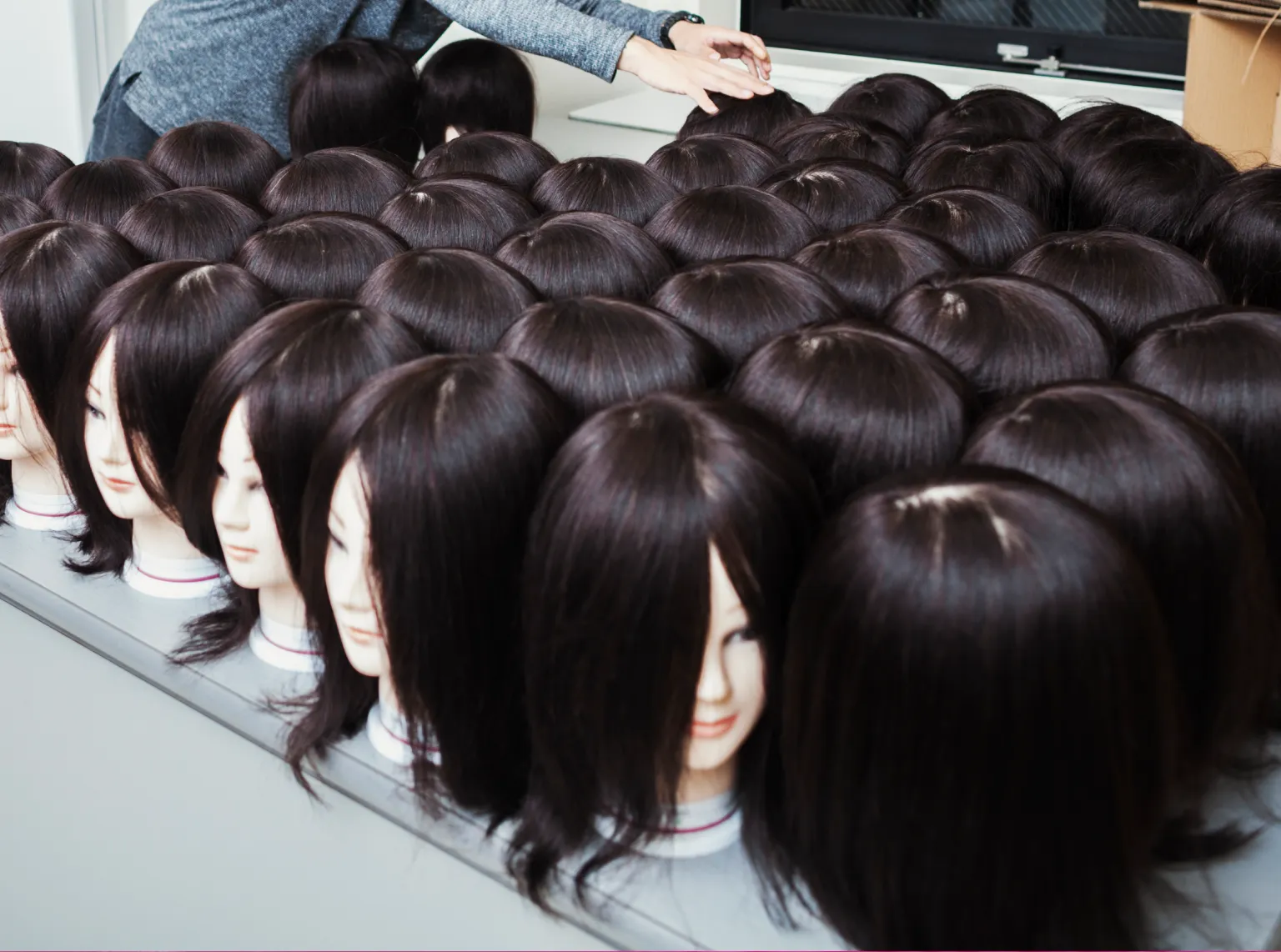
ODM production shifts the R&D burden from the brand to the factory. In an ODM arrangement, the manufacturer maintains an extensive catalog of pre-designed, pre-tested wig models, color blends, and cap architectures. Brands select items from this catalog, apply their private label packaging, and market the products as their own.
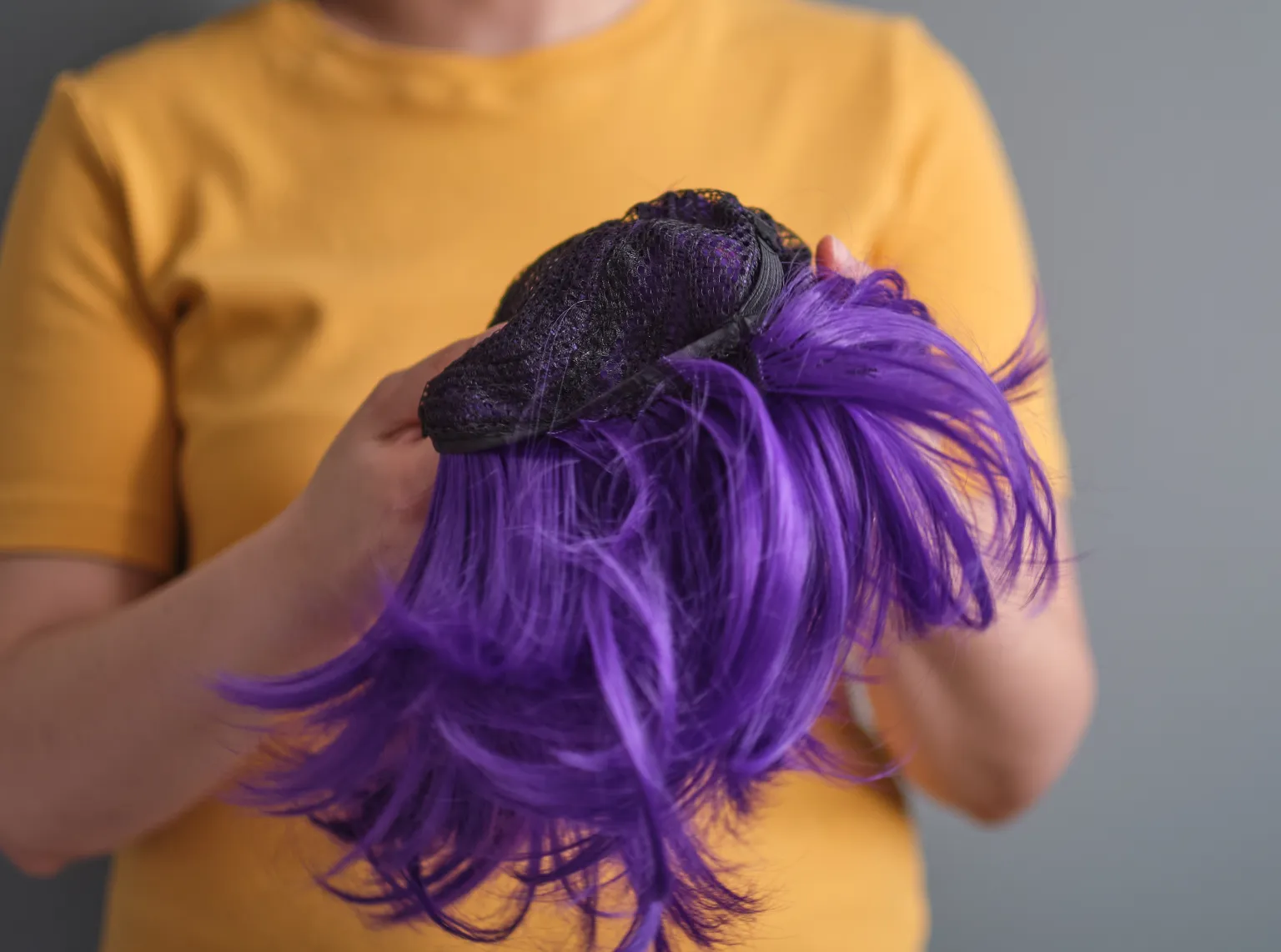
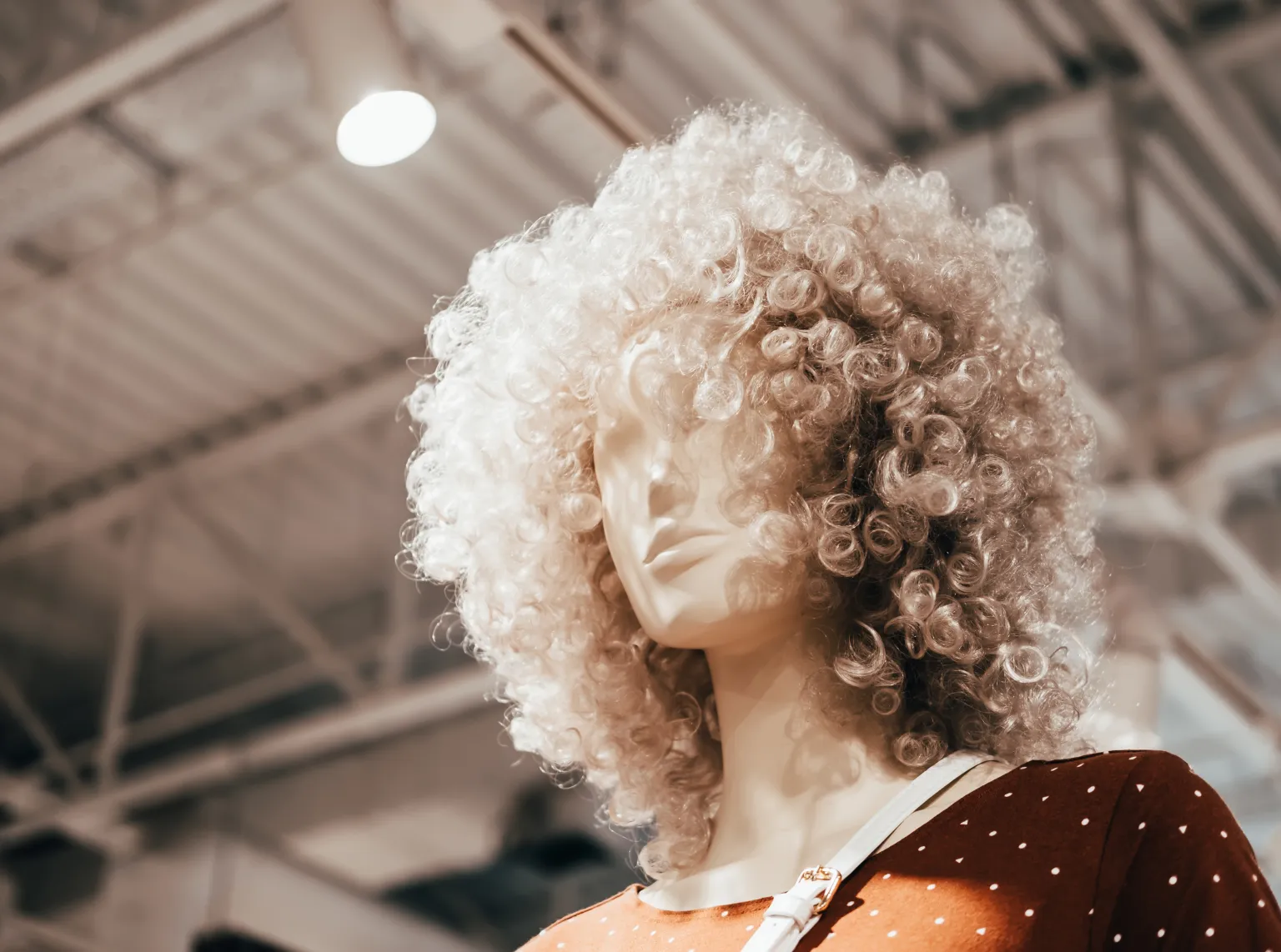
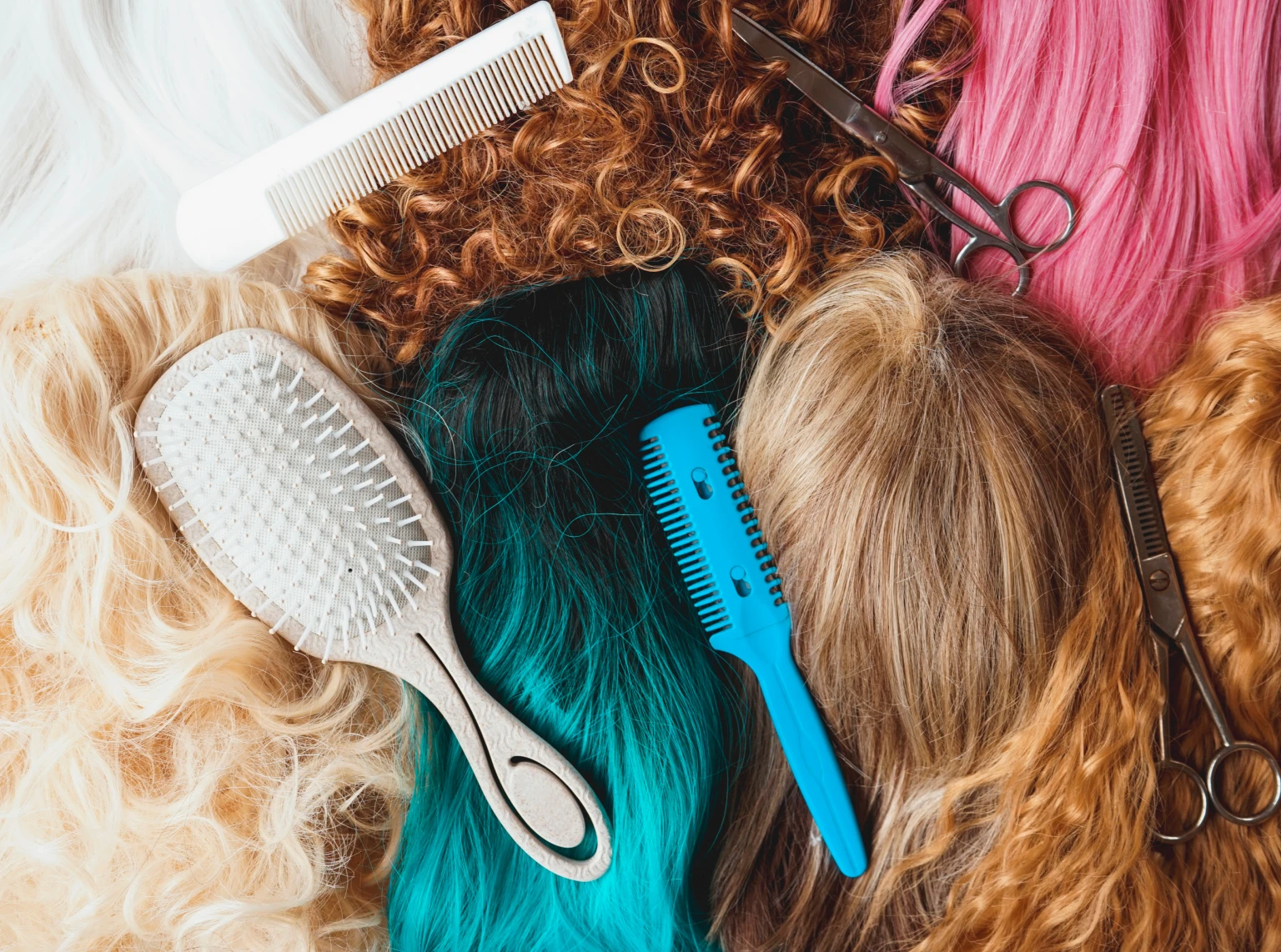
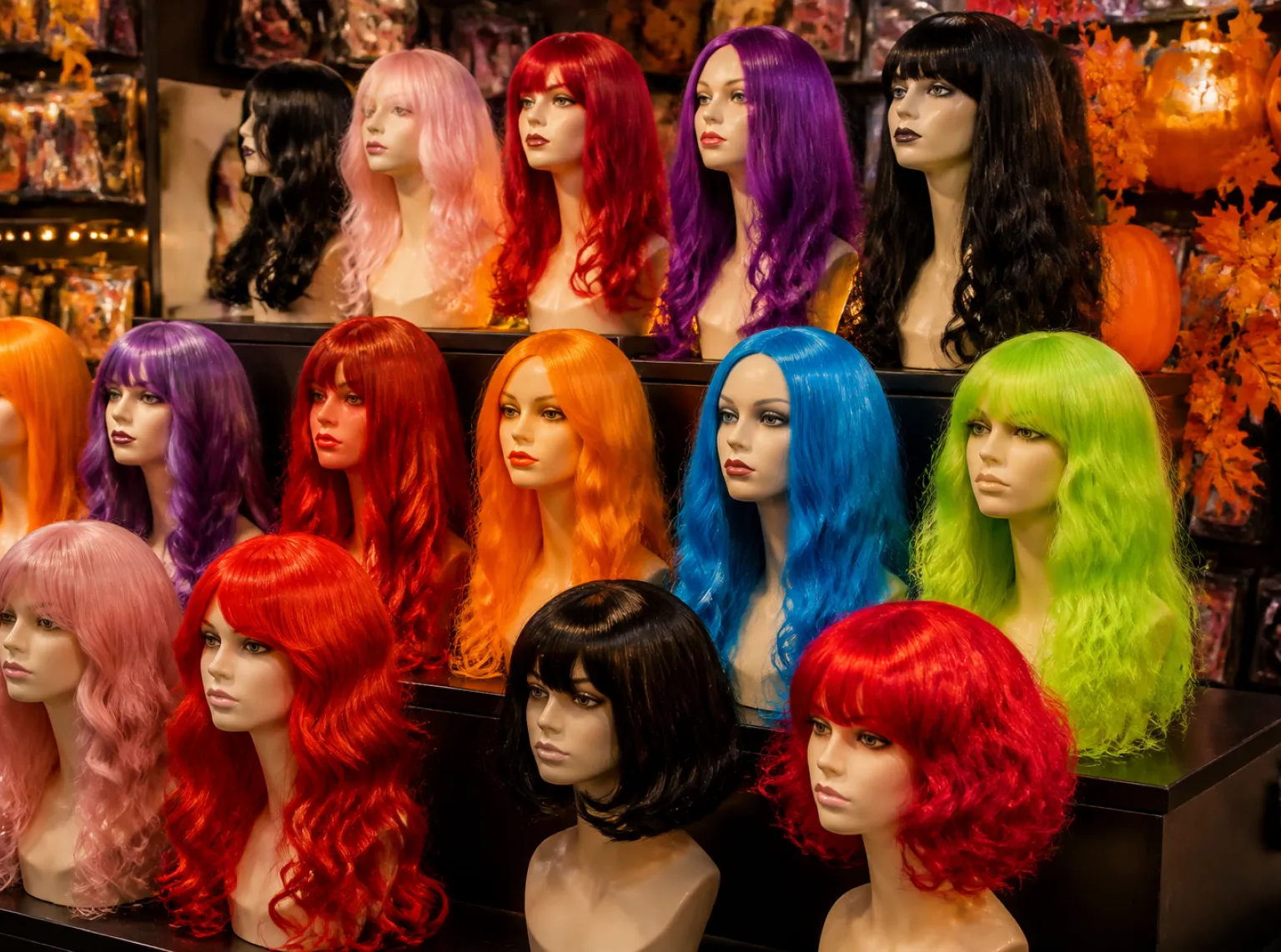
This approach significantly reduces time-to-market and eliminates upfront product development costs. For growing retail brands or regional distributors looking to test new market segments—such as expanding from standard units into specialized colored wigs or voluminous curly wigs—ODM provides immediate scalability without requiring an internal engineering team. The trade-off is reduced exclusivity; multiple brands may source similar baseline designs unless customized private labeling terms are negotiated.
Comparative Matrix: OEM vs. ODM Sourcing
| Evaluation Metric | Original Equipment Manufacturing (OEM) | Original Design Manufacturing (ODM) |
|---|---|---|
| Product Design Ownership | 100% Brand Owner / Buyer | Manufacturer (Factory Catalog) |
| Initial R&D Investment | High (Requires detailed technical packets & prototyping) | Low to Zero (Utilizes existing factory molds & samples) |
| Time-to-Market Velocity | Slower (Longer sampling and testing cycles) | Fast (Immediate sample dispatch and bulk scheduling) |
| Intellectual Property Security | Protected via strict NDAs and custom tooling agreements | Shared or factory-owned baseline designs |
| Minimum Order Quantities (MOQs) | Higher (Due to custom material procurement and tooling) | Scalable / Lower (Leverages existing production runs) |
Intellectual Property and Tooling Protection
When executing OEM contracts, intellectual property (IP) protection is paramount. Custom cap molds, unique color formulations, and proprietary lace dimensions represent significant financial investment. Procurement teams must ensure that manufacturing contracts include legally binding Non-Disclosure and Non-Use Agreements (NDNAs). Furthermore, buyers should explicitly own the physical tooling and molds created for their custom lines. Without a clear tooling agreement, a factory might utilize custom cap molds to supply competing brands, diluting the proprietary value of the brand's product line.
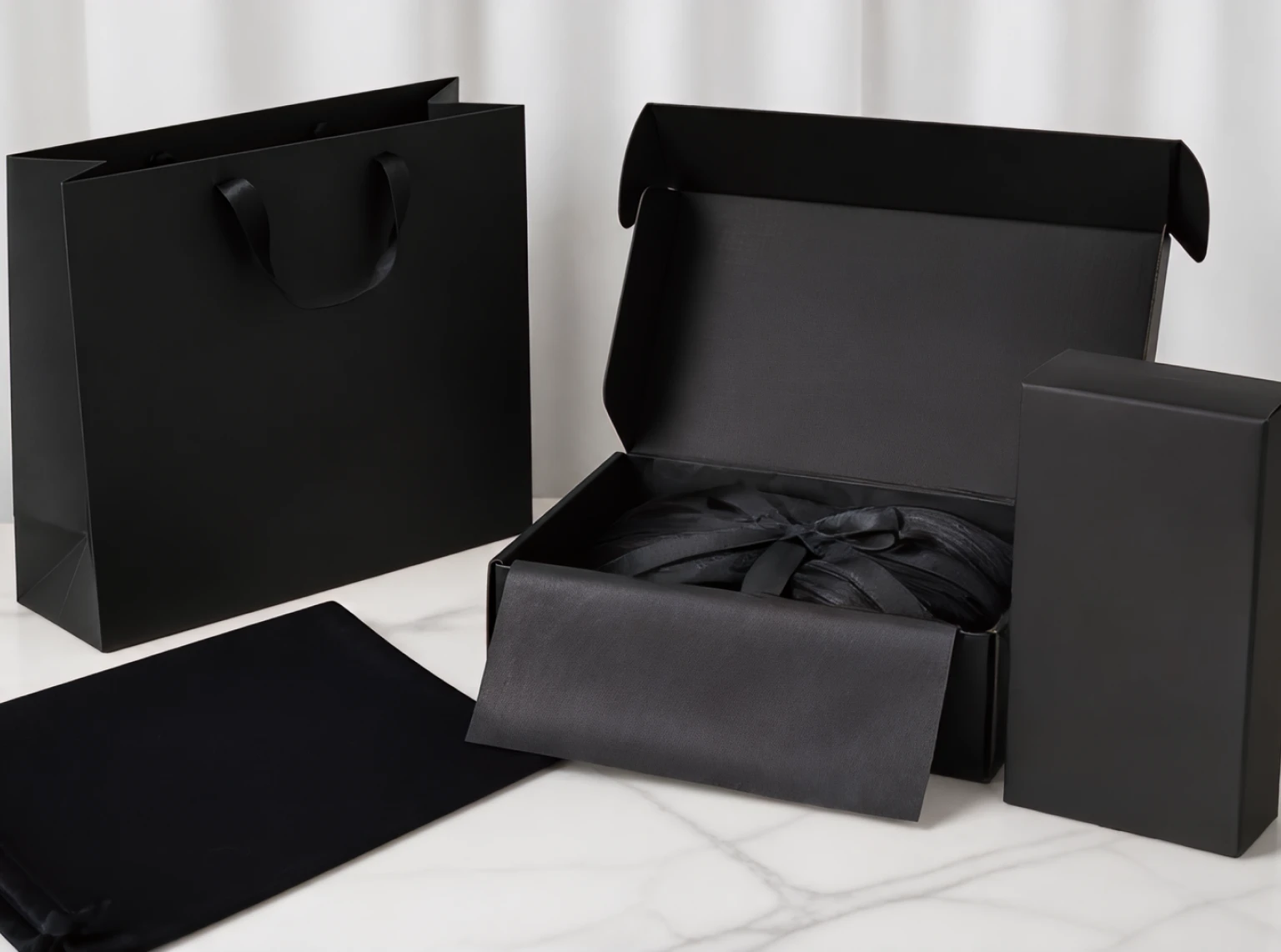
In ODM arrangements, IP security shifts toward brand differentiation through labeling, custom box packaging, and exclusive regional distribution rights rather than underlying product engineering.
Balancing Inventory Risk and Capital Allocation
Financial strategy heavily influences the choice between OEM and ODM. OEM manufacturing typically requires higher minimum order quantities (MOQs) because factories must calibrate machinery, acquire custom fiber lots, and build specialized cap matrices. This ties up working capital in exchange for absolute product differentiation.
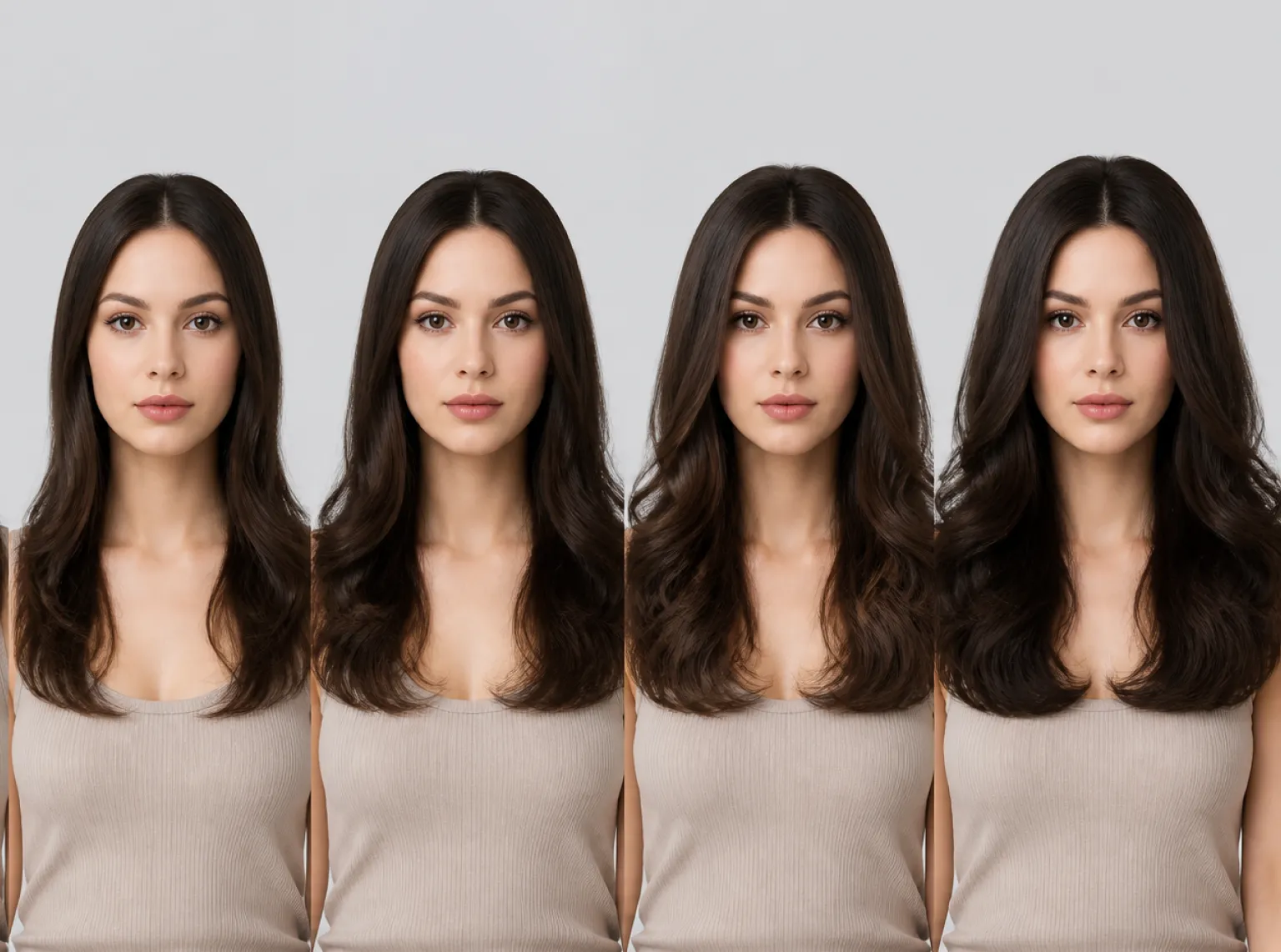
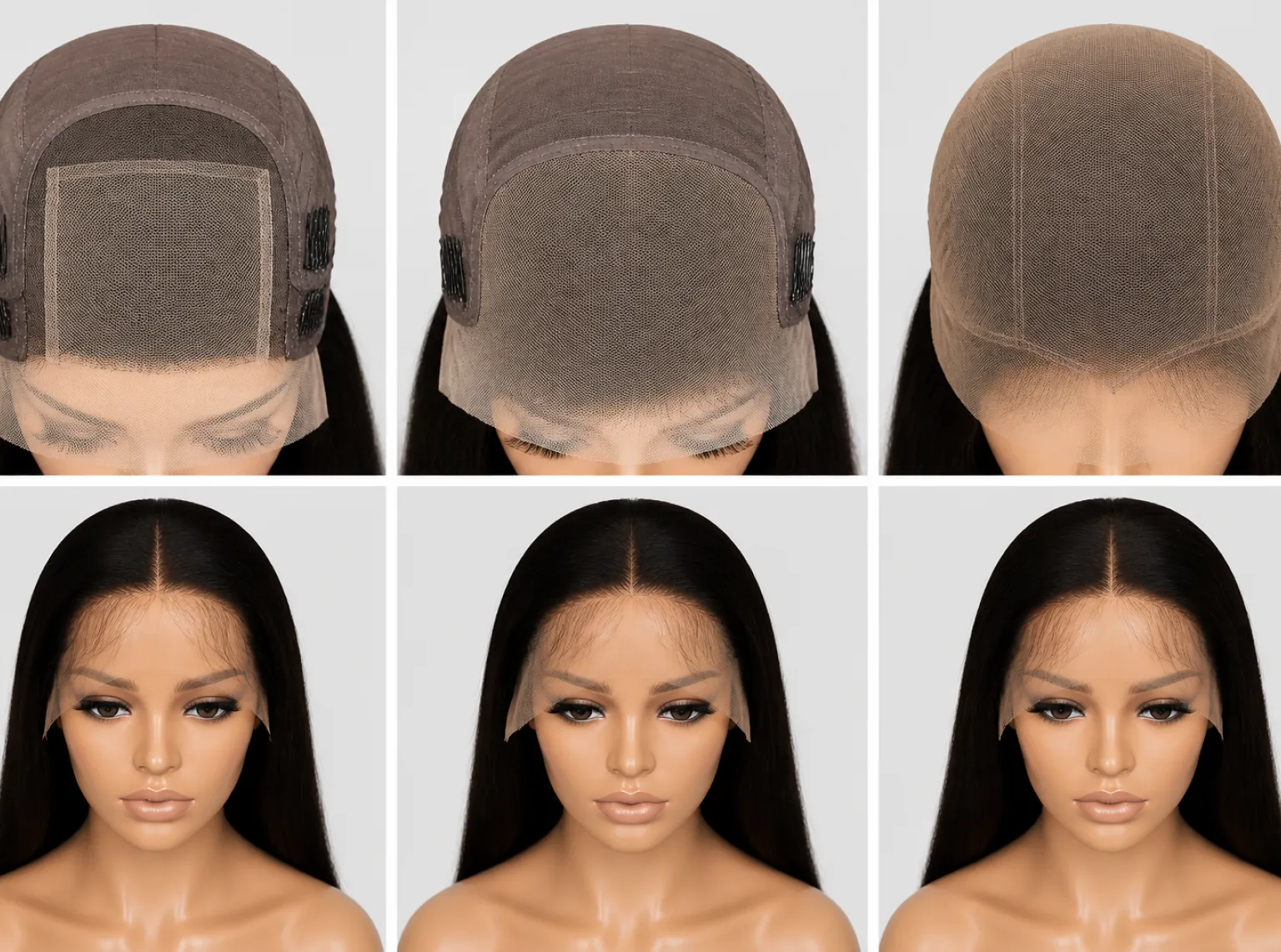
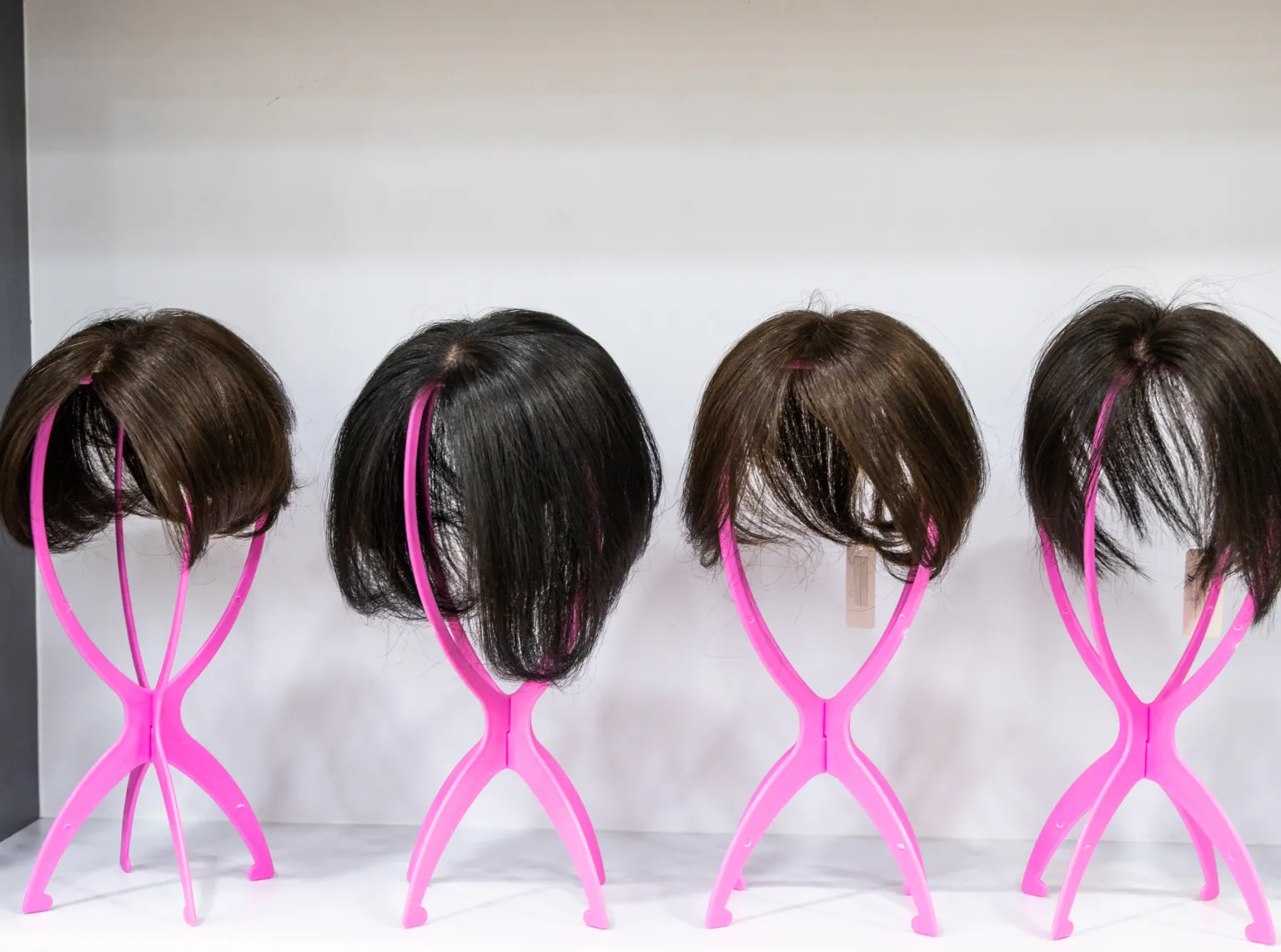
ODM models allow brands to allocate capital more flexibly. By selecting proven factory designs—such as established bob wigs or high-demand glueless wigs—brands can test consumer demand with smaller initial order volumes. Once a specific ODM style proves profitable, the brand can transition that item into an OEM custom line with enhanced specifications.
Raysman Custom Manufacturing Support
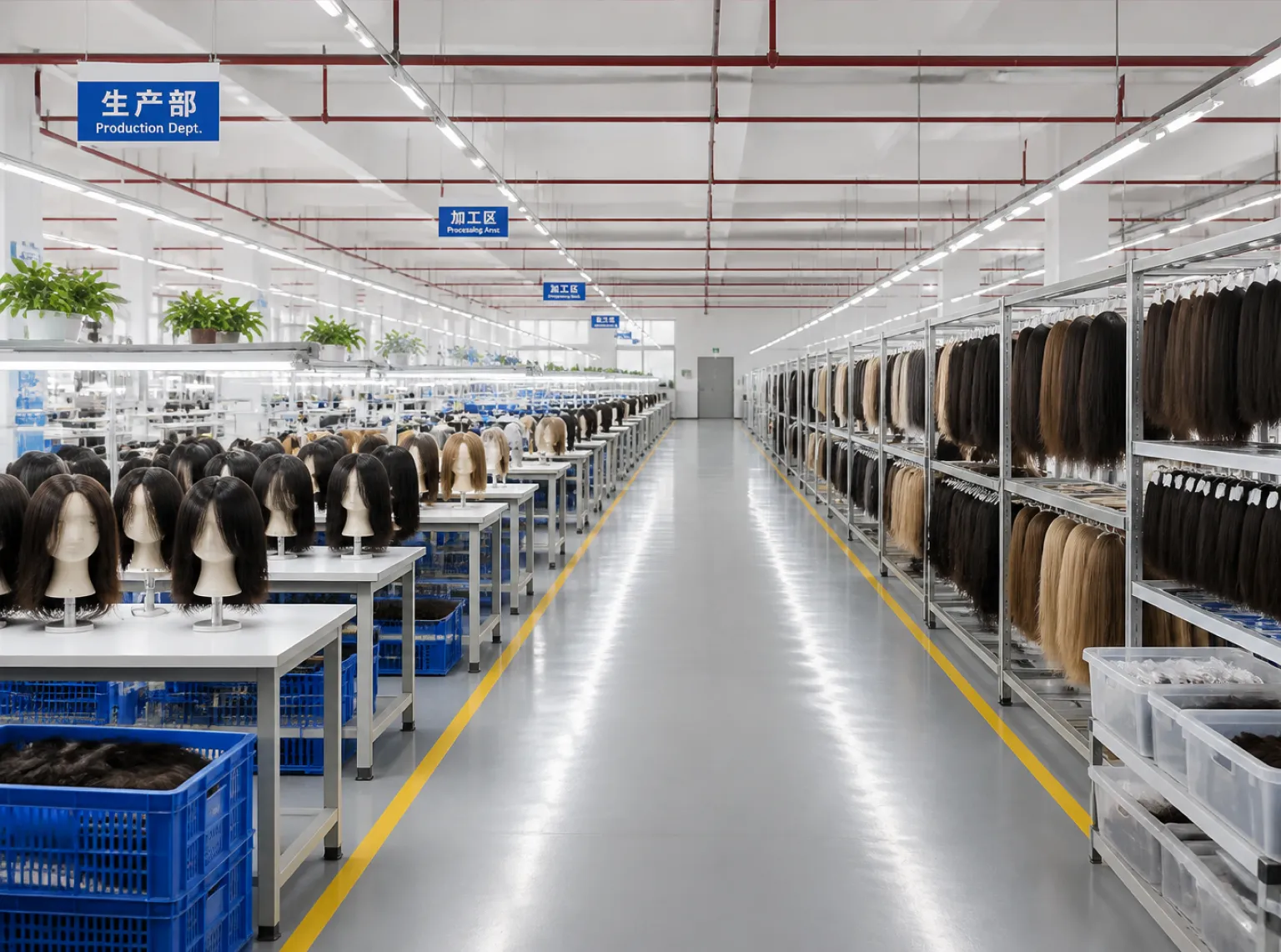
Raysman operates comprehensive, dual-track production facilities supporting both strict OEM execution and agile ODM private labeling. For brands with proprietary blueprints requiring exact technical adherence, our engineering teams provide secure custom mold development and strict IP protection protocols. For emerging distributors seeking rapid catalog expansion, our ready-to-scale private label collections deliver consistent factory-direct quality. Procurement teams ready to evaluate production models can review our capability frameworks and submit project specifications through our wholesale program.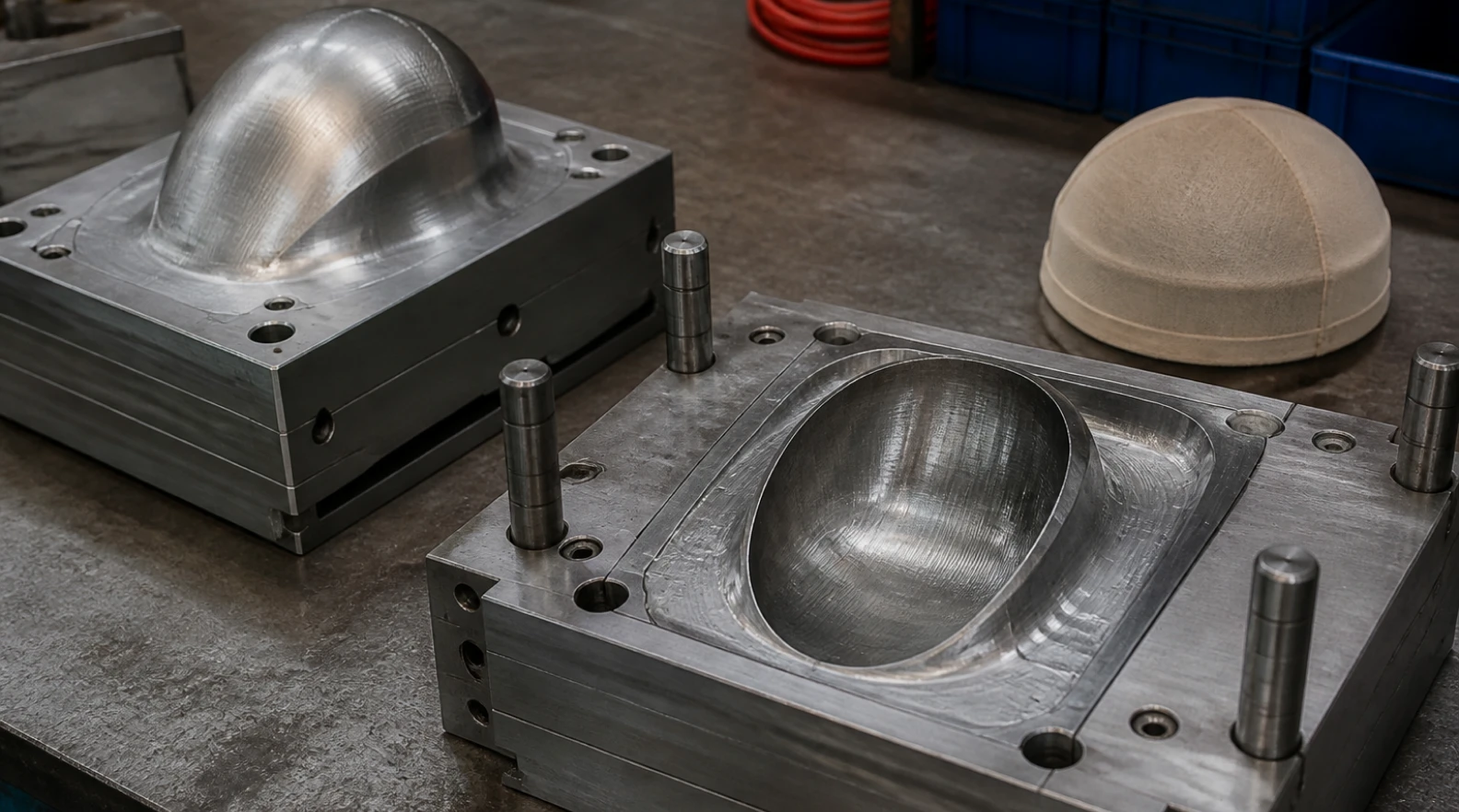
-

Raysman
Synthetic Wig Manufacturer
Raysman is a Zhejiang-based synthetic wig manufacturer specializing in party, costume, and fashion color wigs — producing over one million pieces a year from our 10,000 m² Longyou facility. We are BSCI, ISO 9001, and OEKO-TEX Standard 100 certified, and a designated supplier to Disney and Walmart.