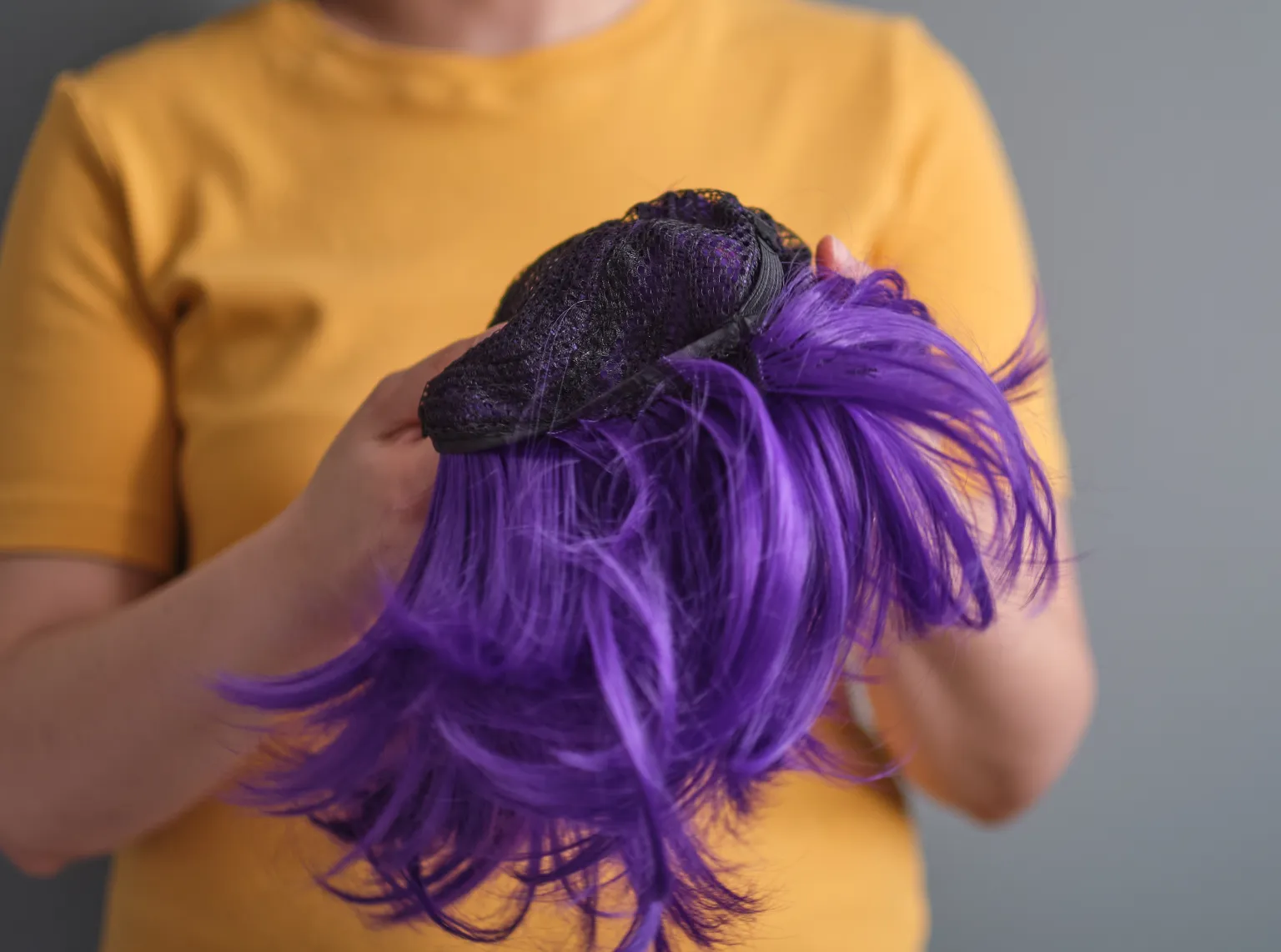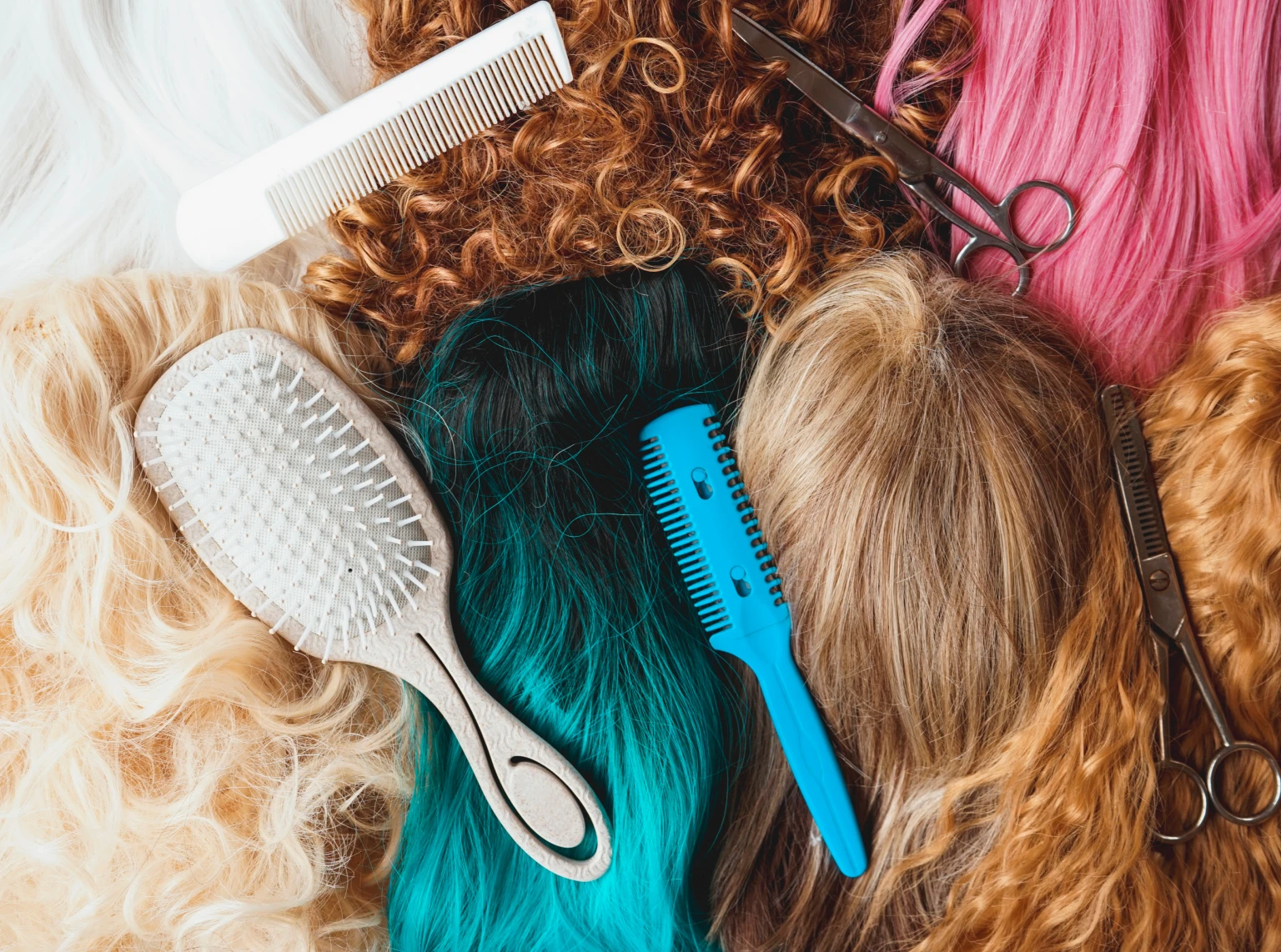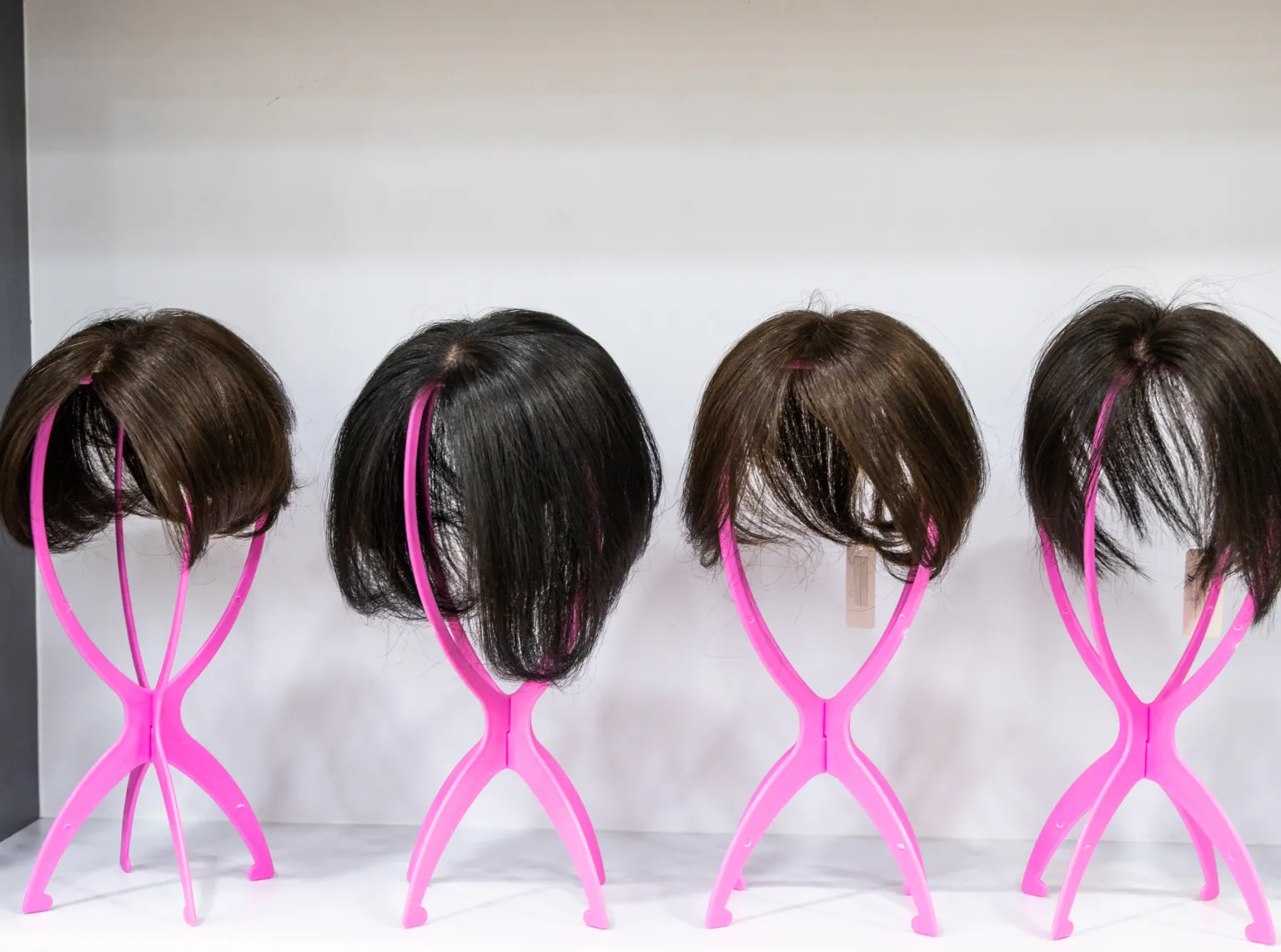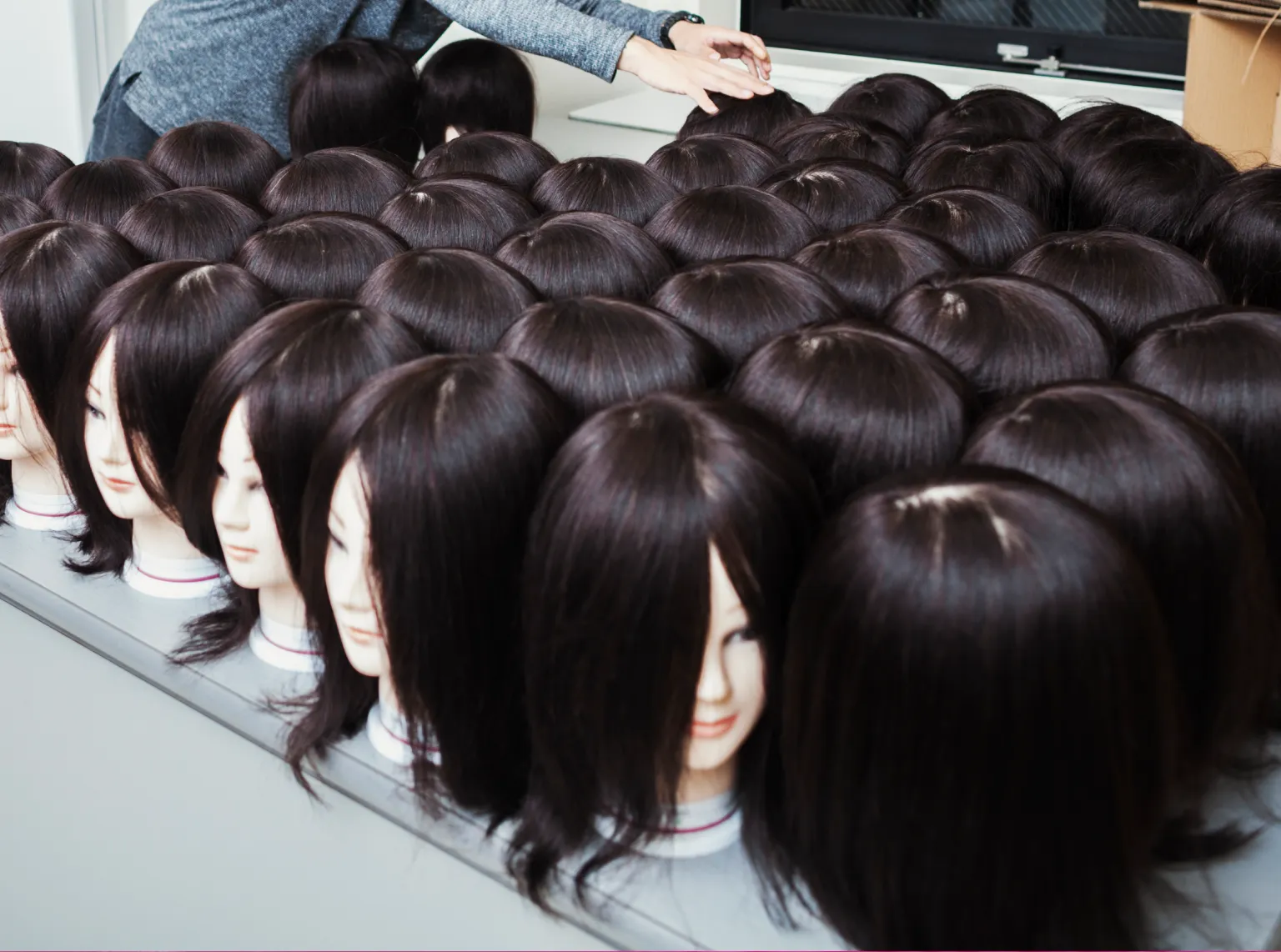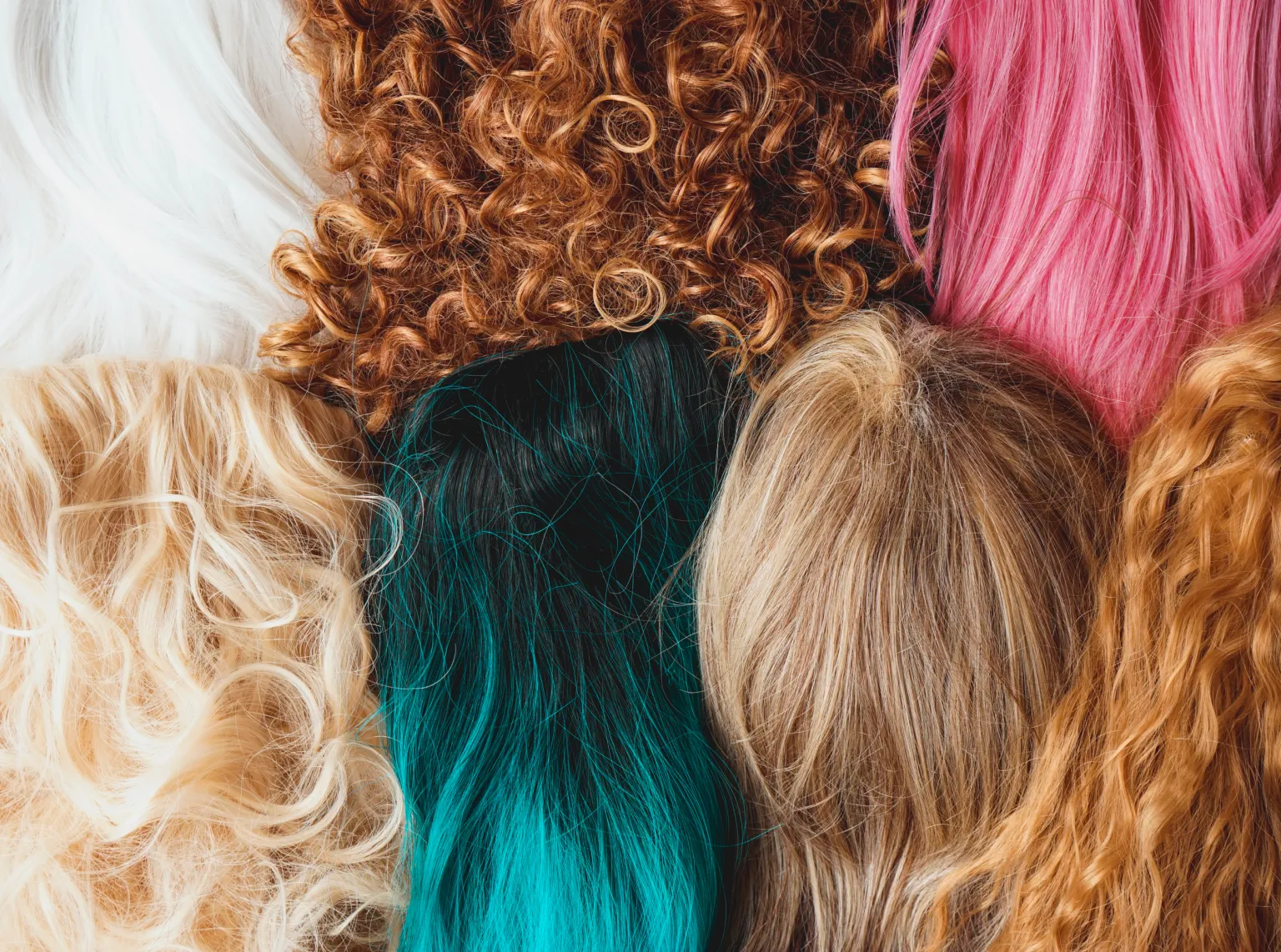

Ask ten wig wearers how to wash a synthetic wig and you will get ten answers, most of them wrong in at least one step. Hot water, regular shampoo, a rough towel, a blow dryer — each one takes weeks off a wig's life, and together they explain why so many synthetic wigs look tired after a month. We manufacture synthetic wigs for a living, and care questions are among the most common ones our wholesale buyers pass on from their customers. This guide gives the correct routine, the reasons behind each step, and the habits that make a synthetic wig last its full lifespan.
The short answer. Wash a synthetic wig every 6-8 wears, in cool water, with shampoo made for synthetic fiber. Swish gently, never rub or wring, condition the mid-lengths and ends only, blot with a towel, and air dry on a wig stand. Keep heat tools away from standard synthetic fiber entirely, and stay under 180°C (350°F) on heat-resistant grades. Done right, a daily-wear synthetic wig lasts 4-6 months instead of 6-8 weeks.
How Often Should You Wash a Synthetic Wig
Washing frequency is a balance. Under-washing lets sweat, scalp oil, and product residue build up, which dulls the fiber and mats the nape. Over-washing wears the fiber down faster than wearing does. The right interval depends on how often the wig is worn and what it is exposed to.
| Wear pattern | Wash interval | Notes |
|---|---|---|
| Daily wear | Every 6-8 wears | The standard guidance from major wig brands |
| A few times a week | Every 8-10 wears | Adjust for climate and product use |
| Occasional wear | Every 10-15 wears | Wash before long storage |
| Heavy sweat, smoke, or product buildup | Immediately | Odor and stickiness override the schedule |
When in doubt, read the wig rather than the calendar. Odor, a greasy feel at the roots, visible residue at the hairline, or tangling that brushing will not fix all mean wash now. A wig worn clean and aired after each use can stretch well past the numbers above.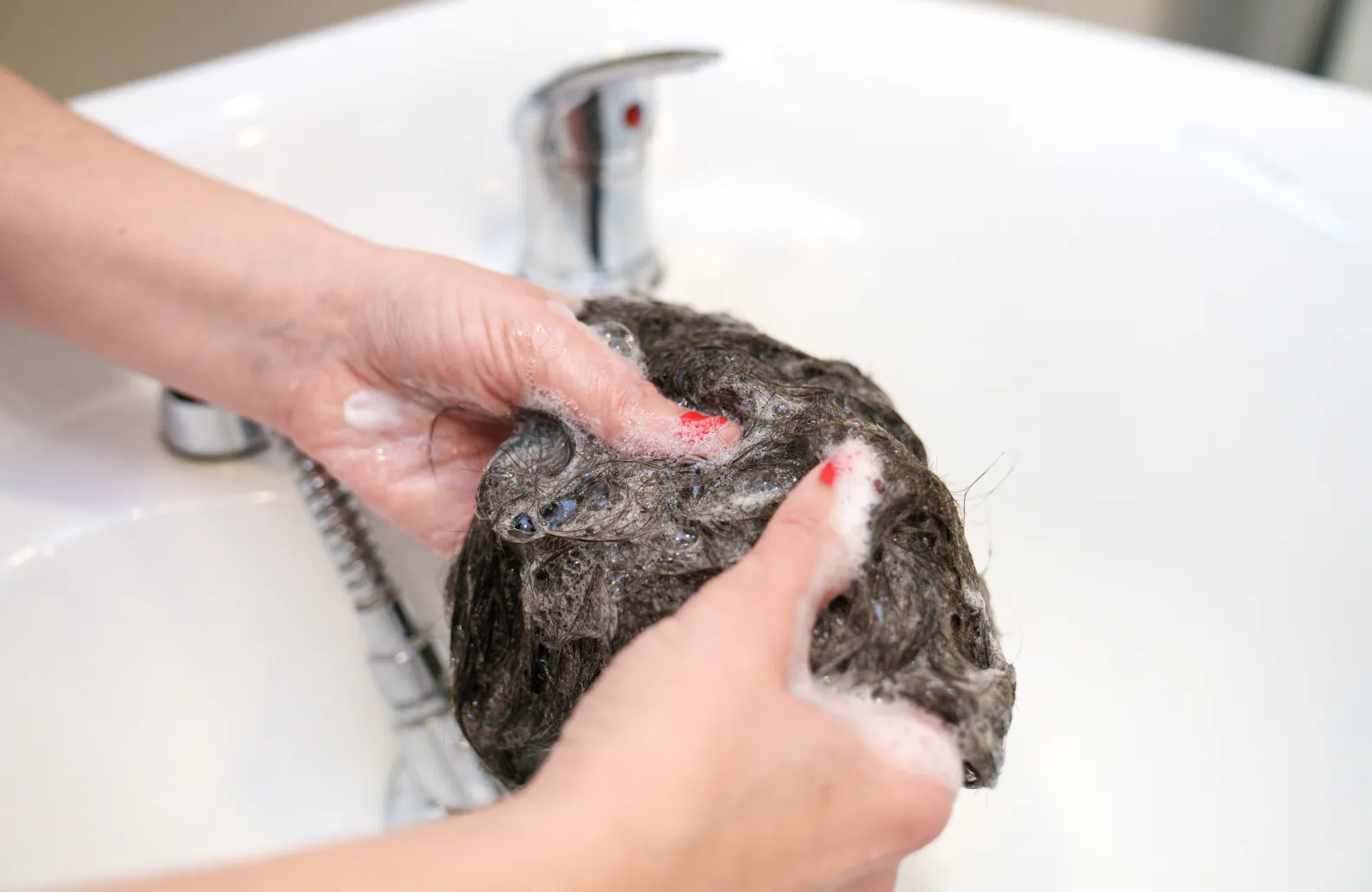
What You Need Before You Start
The product list is short, and two items on it are non-negotiable.
- Synthetic wig shampoo. Regular shampoo is formulated for biological hair and often contains sulfates that strip the fiber's finish, leaving it dull, frizzy, and prone to static. Wig shampoo cleans without stripping. This is the single most important product choice in the whole routine.
- Synthetic wig conditioner or detangling spray. Restores slip and reduces static without coating the fiber the way household softeners do. Fabric softener hacks circulate online, but softeners coat the fiber with residue, loosen knots over time, and shorten the wig's life.
- A wide-tooth comb or wig brush. Metal or widely spaced teeth only. Fine brushes grab and snap fiber.
- A wig stand. For drying and storage. A wig dried flat loses its shape; a wig dried on a stand keeps it.
- A clean towel. For blotting, not rubbing.
How to Wash a Synthetic Wig, Step by Step
The whole process takes about ten minutes of active time plus drying. The rules that matter most: cool water, no rubbing, no wringing.
- Detangle first, dry. Brush the wig gently from the ends upward before it touches water. Washing a tangled wig locks the tangles in.
- Fill a basin with cool water. Around 65-75°F (18-24°C). Hot water deforms synthetic fiber permanently, and even warm water can relax the style set.
- Add one capful of synthetic wig shampoo and swirl to dissolve.
- Submerge the wig and swish gently for one to two minutes, moving water through the fiber in one direction. Do not rub, scrub, or twist.
- Let it sit for up to five minutes so the shampoo can lift oils and residue. Avoid long soaks — extended soaking can loosen the knots on hand-tied and lace caps and lead to shedding. If the cap is delicate, skip the soak and wash under gently running water instead.
- Rinse under cool running water, cap to ends, until the water runs clear.
- Apply conditioner to the mid-lengths and ends only. Keep it off the cap and roots, where conditioner loosens knots. Rinse again.
- Blot with a towel. Press the water out gently. Wringing stretches the cap and kinks the fiber.
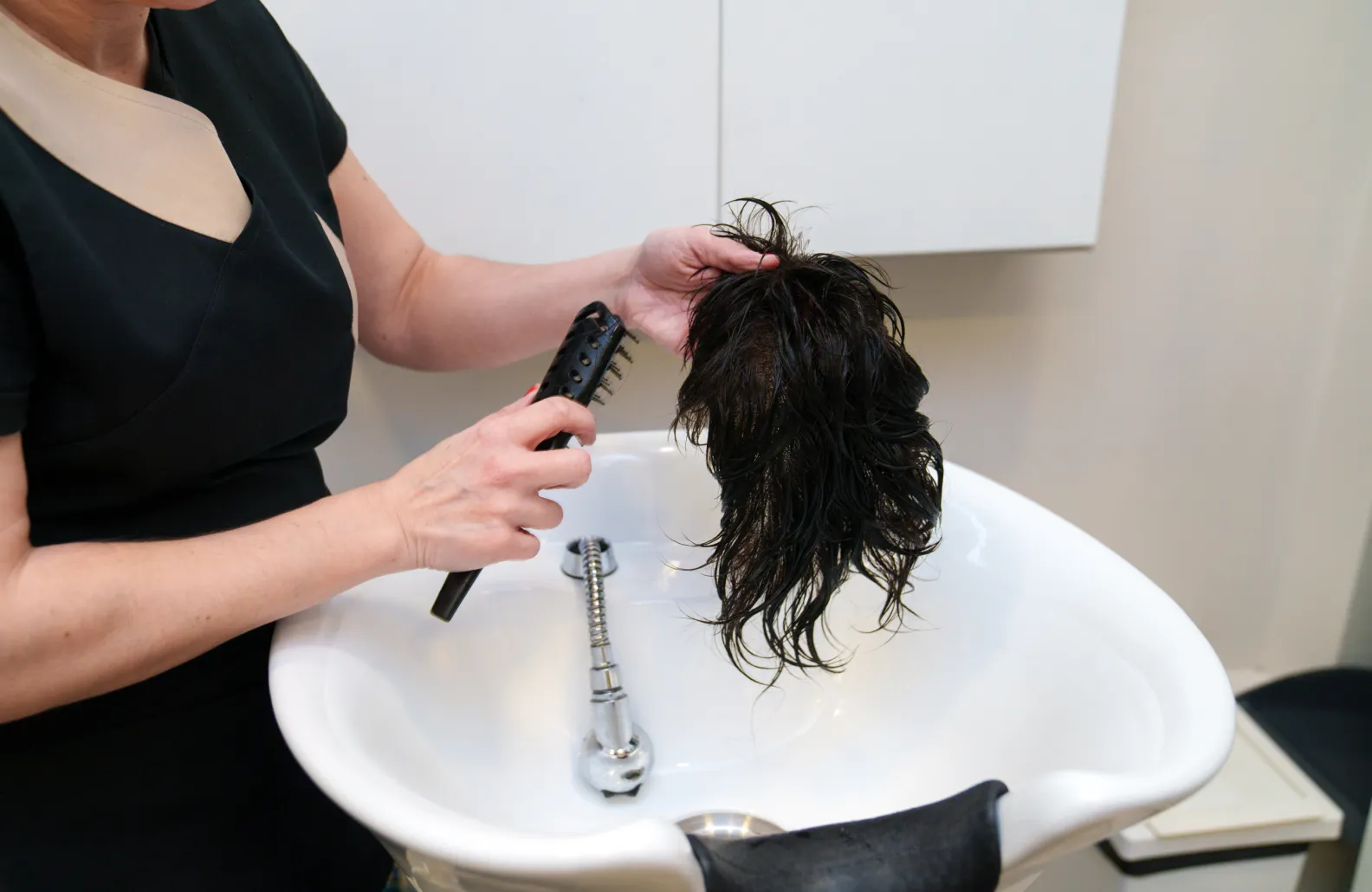
- Place the wig on a stand and air dry, four to eight hours, away from direct sun and heaters. Do not brush until fully dry — wet fiber snaps under tension.
Drying and Restyling
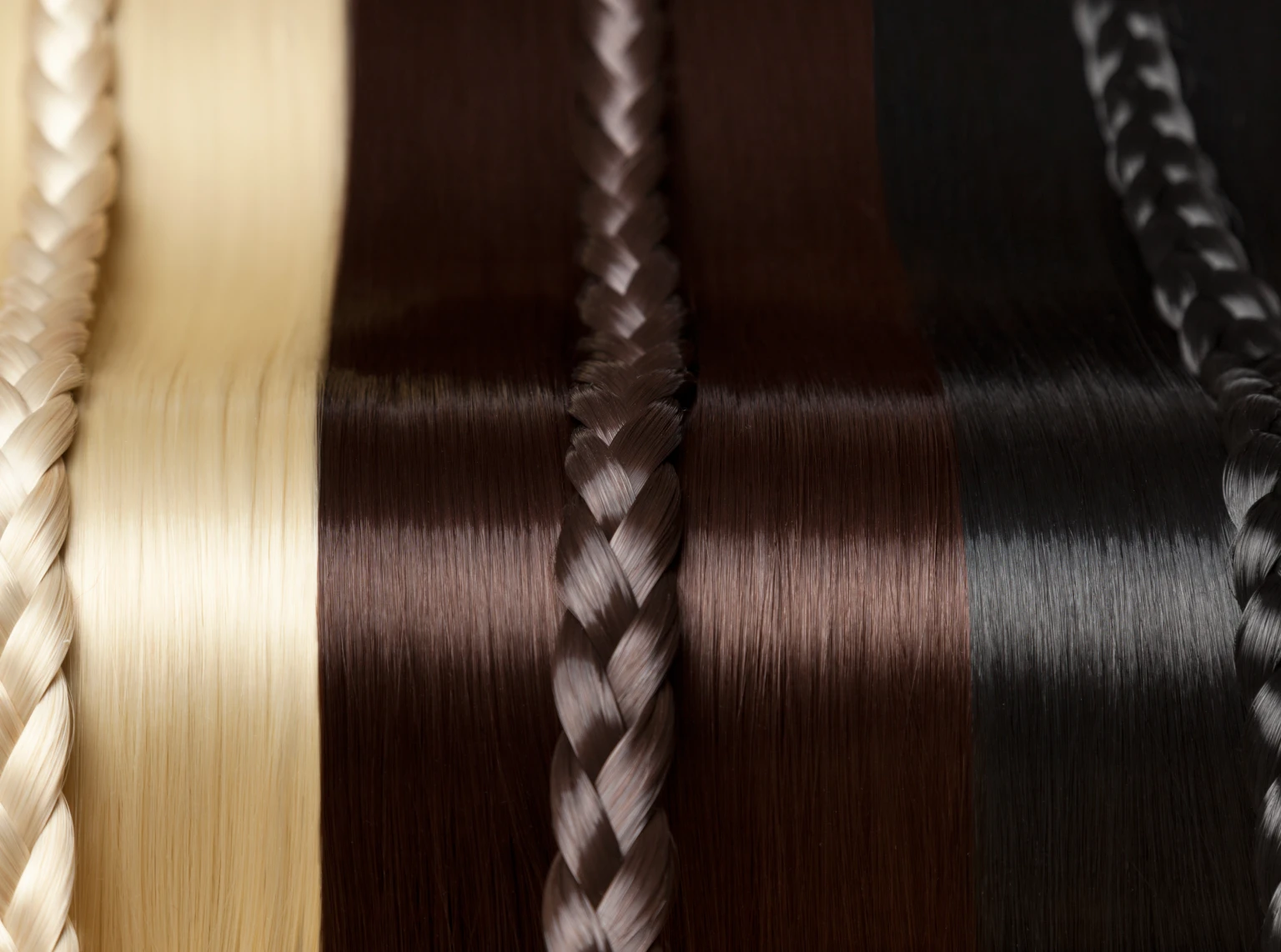
Air drying is the only safe method for standard synthetic fiber. A blow dryer on standard modacrylic will frizz or melt it, and the damage cannot be reversed. Once dry, the wig's factory-set style returns on its own — that style memory is the practical advantage of synthetic fiber, and it is why a properly washed synthetic wig needs almost no restyling. Shake it gently, place it on the stand, and let the set come back.
Heat-resistant fiber is the exception, within limits. These grades tolerate low-heat tools up to about 180°C (350°F), which allows a refresh of the curl or a smooth pass on straight styles. Check the fiber grade before applying any heat — our synthetic vs human hair guide explains how the grades differ — and stay well below the ceiling, because repeated heat at the limit still shortens service life.
Daily Habits That Make a Synthetic Wig Last Longer
Washing is one day in ten. What happens on the other nine decides the wig's lifespan.
- Brush before and after each wear, ends to roots, holding the fiber near the cap so tension stays off the knots.
- Manage friction. Collars, scarves, car seats, and pillows rub the nape into frizz. Friction, more than washing, is what makes a wig look old. Wear smooth fabrics against long styles and pin or braid them on high-friction days.
- Store on a stand or in a satin bag, away from sunlight and dust. Sun fades color; crumpling kills shape.
- Take it off to sleep. If that is not practical, a satin bonnet and pillowcase cut the friction damage sharply.
- Rotate two wigs if you wear one daily. Alternating halves the wear, halves the washes, and can nearly double each wig's calendar life.
- Keep styling products wig-safe. Alcohol-based sprays dry synthetic fiber out. Use sprays and mousses labeled for synthetic wigs.
Care Notes by Wig Type
The core routine holds for every synthetic wig, but four types need small adjustments.
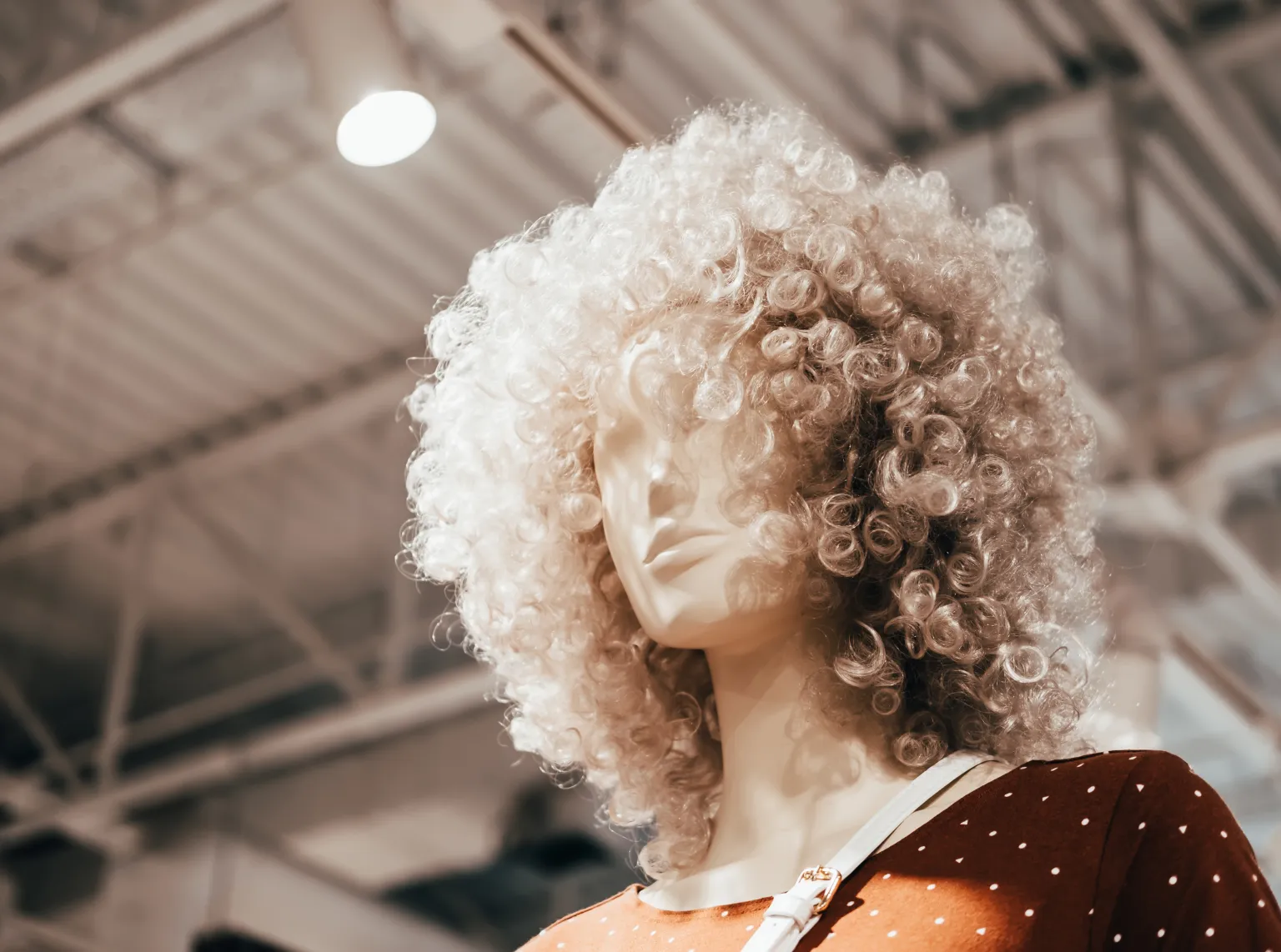
- Curly and textured styles. Finger-detangle or use the widest comb you own, and work in small sections. Brushing a dry curly wig straight through will frizz the curl pattern. Between washes, refresh with a mist of water and leave-in conditioner, then scrunch the curl back.
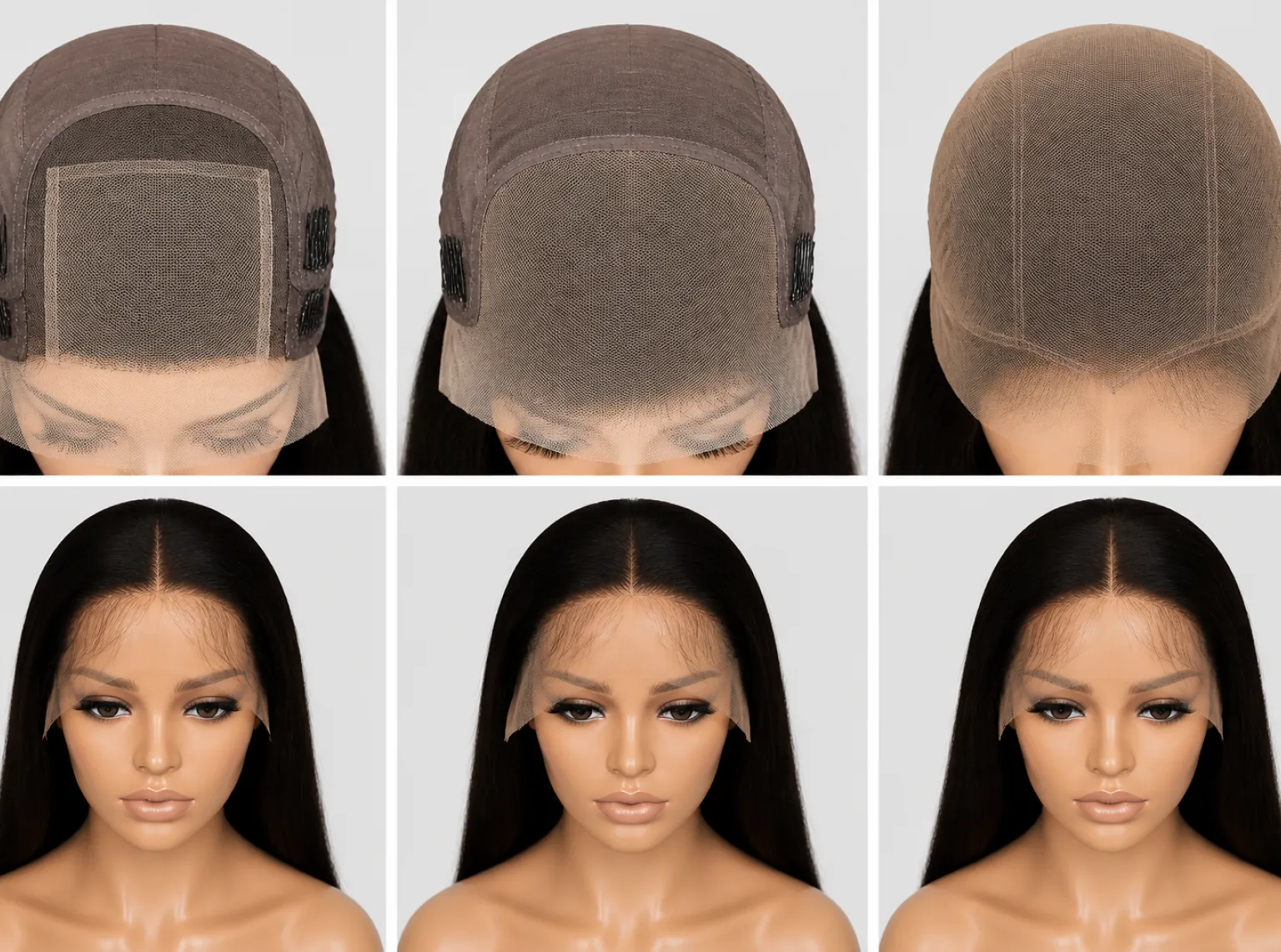
- Lace front wigs. The lace hairline takes adhesive, skin oil, and makeup, so it needs the most attention. Clean adhesive residue from the lace with remover after each wear, keep conditioner well away from the knots, and handle the lace by its edges when wet. A lace front treated this way keeps its invisible hairline far longer.
- Colored and pastel styles. Bright and light shades show dullness first. Cool water only, wig shampoo every wash, and no sun-drying, which fades fashion shades fastest. A well-kept colored wig holds its tone through dozens of washes.
- Heat-resistant styles. Wash as normal, then restyle on low heat once fully dry. Styling a damp heat-friendly wig traps steam in the fiber and weakens it from inside.
Mistakes That Ruin Synthetic Wigs
Most premature wig deaths trace back to one of these. All are avoidable.
- Hot water or blow drying. One session can permanently frizz standard fiber.
- Regular shampoo or household softener. Strips the finish or coats the fiber in residue; both end in dullness and frizz.
- Rubbing, scrubbing, or wringing. Stretches the cap and tangles the fiber beyond repair.
- Brushing wet. Wet synthetic fiber stretches and snaps. Detangle dry, always.
- Conditioner on the cap. Loosens knots and causes shedding.
- Washing after every wear. Over-washing wears fiber faster than wearing does.
- Flat storage or sun exposure. Kills shape and fades color between washes.
For Resellers: Care Guidance Is a Returns Policy
If you sell wigs rather than wear them, this guide has a second use. A large share of "defective" returns are care failures in disguise: heat-frizzed fiber blamed on quality, shedding from conditioner-soaked knots, dullness from the wrong shampoo. A one-page care card in every box — washing interval, cool water, wig shampoo, air dry, heat limits — prevents most of them, and it costs less than a single refunded order. We print custom care cards as part of our private label packaging, and buyers on our wholesale program can request this guide's checklist adapted to their brand. Feel free to link this article from your own care page as well; your customers get the right routine, and you get fewer avoidable returns.
FAQ
Can you wash a synthetic wig with regular shampoo?
No. Regular shampoo is made for biological hair and often contains sulfates that strip the synthetic fiber's finish, causing dullness, frizz, and static. Use a shampoo formulated for synthetic wigs. The same rule applies to conditioner — wig-specific products only, and household fabric softener is a short-term hack that coats and weakens the fiber over time.
How often should you wash a synthetic wig?
Every 6-8 wears for daily use, 8-10 wears for regular use, and 10-15 wears for occasional use. Wash immediately after heavy sweat, smoke exposure, or product buildup, regardless of the count. Over-washing wears the fiber down, so follow the wig's condition rather than a fixed calendar.
Can you use hot water on a synthetic wig?
Never. Water above lukewarm can deform synthetic fiber permanently and relax the factory-set style. Wash and rinse in cool water, roughly 65-75°F (18-24°C), and keep the wig away from heaters and direct sun while it dries.
Can you brush a synthetic wig when it is wet?
No. Wet synthetic fiber stretches and snaps under tension. Detangle the wig before washing, blot it gently afterward, and wait until it is fully dry before brushing. Use a wide-tooth comb or wig brush, working from the ends upward.
Can you use a hair dryer or straightener on a synthetic wig?
Only on heat-resistant fiber, and only on low heat up to about 180°C (350°F). Standard synthetic fiber frizzes or melts under heat tools, and the damage is permanent. Air drying on a wig stand is the safe default for every synthetic wig.
Why is my synthetic wig frizzy at the nape?
Friction. Collars, scarves, car seats, and pillows rub the nape fibers until they frizz and mat, and no washing routine fully reverses it. Prevent it by wearing smooth fabrics against long styles, securing the hair on high-friction days, and storing the wig on a stand. A detangling spray and gentle finger-combing manage early frizz.
How long does a synthetic wig last with proper care?
About 4-6 months with daily wear, and 9-12 months or more with occasional wear. Correct washing, wig-specific products, air drying, friction control, and rotation between two wigs are what move a wig from the short end of that range to the long end.
-

Raysman
Synthetic Wig Manufacturer
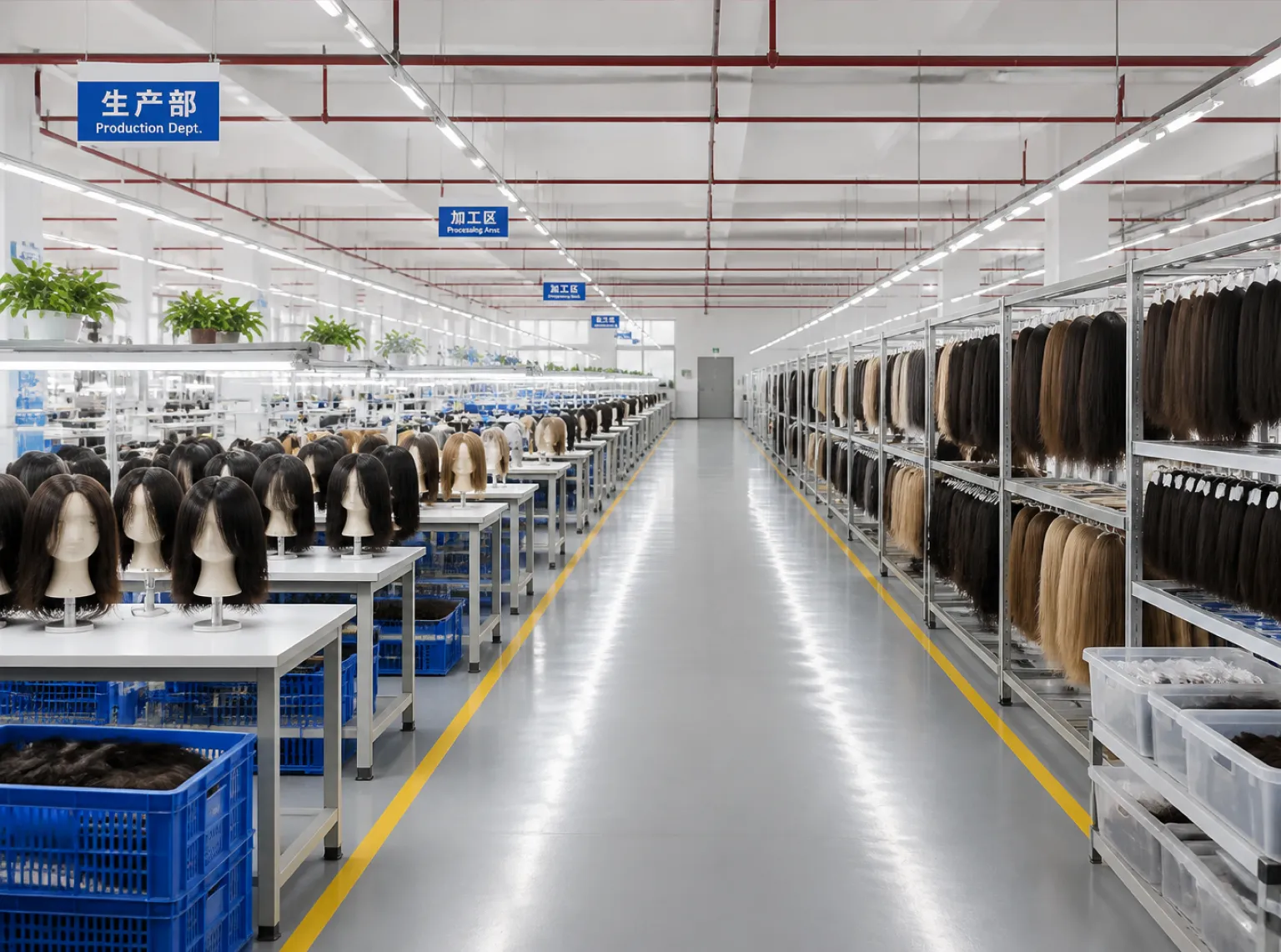
Raysman is a Zhejiang-based synthetic wig manufacturer specializing in party, costume, and fashion color wigs — producing over one million pieces a year from our 10,000 m² Longyou facility. We are BSCI, ISO 9001, and OEKO-TEX Standard 100 certified, and a designated supplier to Disney and Walmart.