
The commercial hair industry is currently experiencing a structural transition in cap manufacturing. For decades, the traditional lace front wig operated as the baseline standard for achieving realistic hairlines, relying fundamentally on liquid adhesives, double-sided tapes, or strong holding gels for security. Consumer behavior has now pivoted sharply toward glueless cap constructions. For B2B buyers, regional distributors, and salon procurement teams, this shift mandates an immediate recalibration of inventory strategy. Purchasing generic lace front units without specifying the internal tension system risks acquiring slow-moving inventory. This technical guide details the structural differences, material requirements, and wholesale sourcing metrics between traditional and glueless lace front wig constructions.
Engineering the Traditional Lace Front
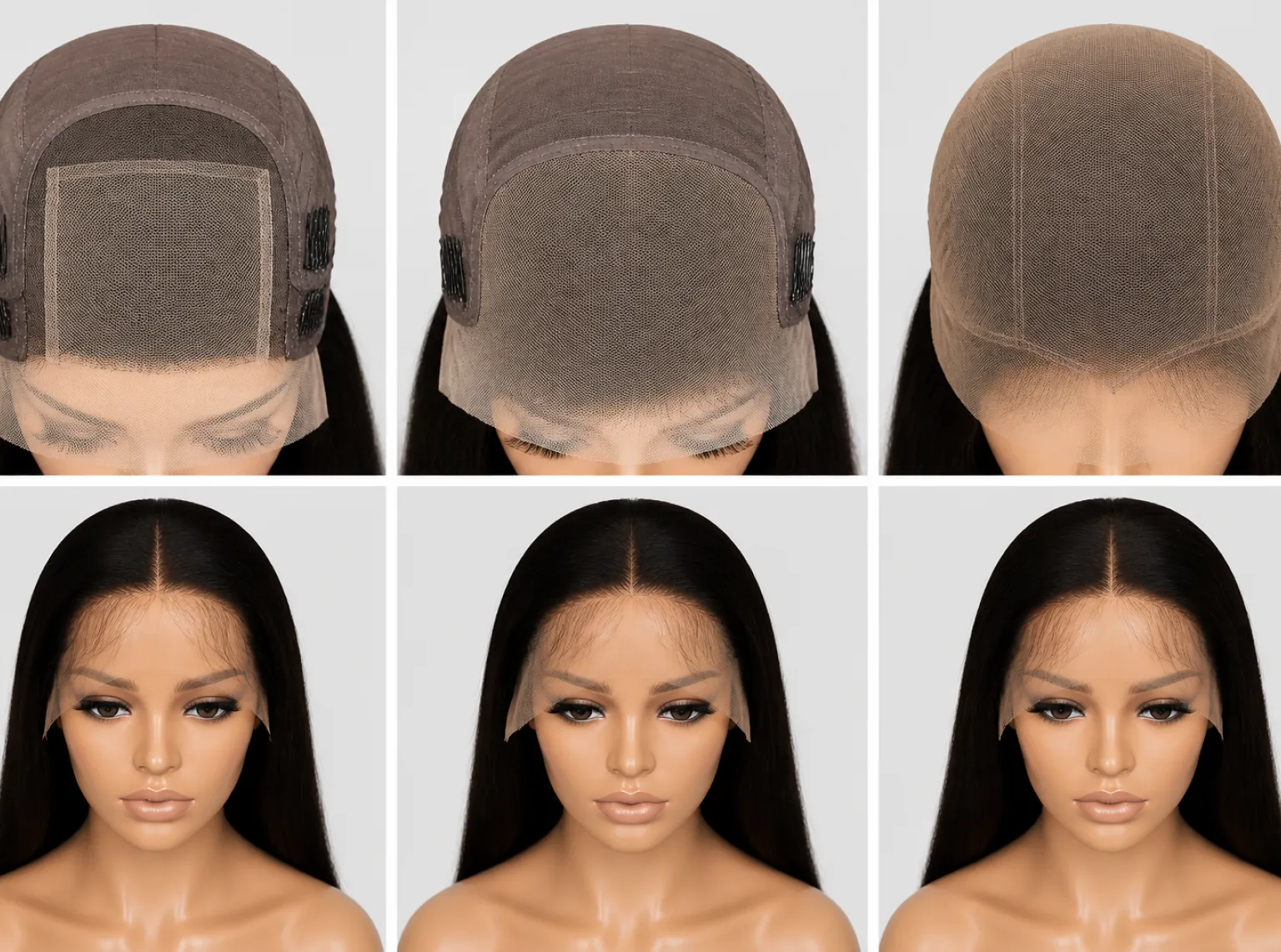
Traditional lace front wigs utilize a sheer lace matrix—typically measuring 13x4 or 13x6 inches—attached to the front of a machine-wefted cap. The primary engineering assumption behind this design is external adhesion. The factory leaves excess lace along the front edge. The end-user or stylist must cut this lace, apply a skin-safe adhesive along the forehead, and press the lace into the adhesive to create a seamless melt. Because the adhesive bears the mechanical load of securing the unit, the internal cap structure remains relatively simple. Standard adjustable straps at the nape provide baseline sizing, but they do not actively secure the frontal area.
The manufacturing cost for these units is lower due to this internal simplicity. However, the reliance on adhesives introduces high friction for the consumer. Adhesives require careful application, extended drying times, and specialized chemical removers. Prolonged use of these chemicals frequently damages the wearer's natural edges and can cause contact dermatitis, driving the market toward non-adhesive alternatives.
The Mechanics of Glueless Cap Construction
Glueless lace front wigs eliminate the requirement for chemical adhesives through advanced cap engineering and applied tension. The security of a glueless unit relies on internal mechanical grip rather than external glue. Manufacturers achieve this through several structural modifications.
First, a wide, adjustable elastic band—often referred to as a piano band—is anchored laterally across the interior of the cap, usually connecting ear tab to ear tab across the occipital bone. This band provides active tension, pulling the frontal lace flat against the forehead. Second, factories integrate silicone or polyurethane (PU) strips along the ear tabs and the nape of the neck. These materials create high friction against the scalp, preventing lateral shifting and backward slippage. Third, the construction demands pre-cut lace. Because the unit is designed for out-of-the-box wear, the factory must precision-cut the frontal lace to mimic a natural hairline contour. B2B buyers sourcing glueless wigs must specify these exact internal components. A standard wig marketed as "glueless" without the requisite elastic and friction bands will fail in retail distribution.
Ventilation and Gradient Density Engineering
The shift to glueless technology directly impacts the ventilation process on the factory floor. Ventilation refers to the manual tying of hair fibers to the lace matrix. In traditional adhesive-based units, end-users often customize the hairline themselves, plucking excess hairs and bleaching the knots to match their skin tone. Glueless units are marketed as "wear-and-go," transferring the burden of customization back to the factory.
Production lines must implement high-precision pre-plucking protocols to create transitional density hairlines. Standard wig density typically runs at 130%, 150%, or 180%. In traditional wigs, this density is often distributed uniformly. Glueless units demand gradient density engineering. The factory must ventilate the first half-inch of the hairline at 80% to 90% density, gradually scaling up to the target density behind the frontal area. This transitional density mimics natural human hair growth patterns and prevents the front edge from looking bulky. Heavy front density on a glueless wig forces the lace to lift away from the skin, defeating the purpose of the tension band.
Similarly, the factory must execute precise knot bleaching. Dark knots against unglued lace create an artificial grid pattern that ruins the illusion of a natural scalp. Procurement teams must audit factory samples specifically for transitional hairline density and knot integrity.
Lace Material Specifications: HD vs. Swiss
The physical properties of the lace matrix are critical in glueless applications. Traditional units often utilize standard Swiss lace or Korean lace, which possess high tensile strength to withstand the chemical degradation of adhesives and the mechanical stress of removal. Glueless units require materials optimized for visual disappearance without chemical assistance.
High Definition (HD) lace is the mandatory standard for premium glueless manufacturing. HD lace is extruded at a significantly lower denier, resulting in a thinner, more transparent matrix. When pulled taut by the internal elastic band, HD lace conforms precisely to the micro-contours of the forehead, effectively disappearing against any skin tone. However, HD lace is inherently more fragile. Factories must calibrate the density of the hand-tied area carefully; overloading thin HD lace with high-density hair bundles will cause premature tearing at the parting space. Buyers sourcing standard lace front wigs must balance the demand for invisible lace with the durability requirements of daily wear.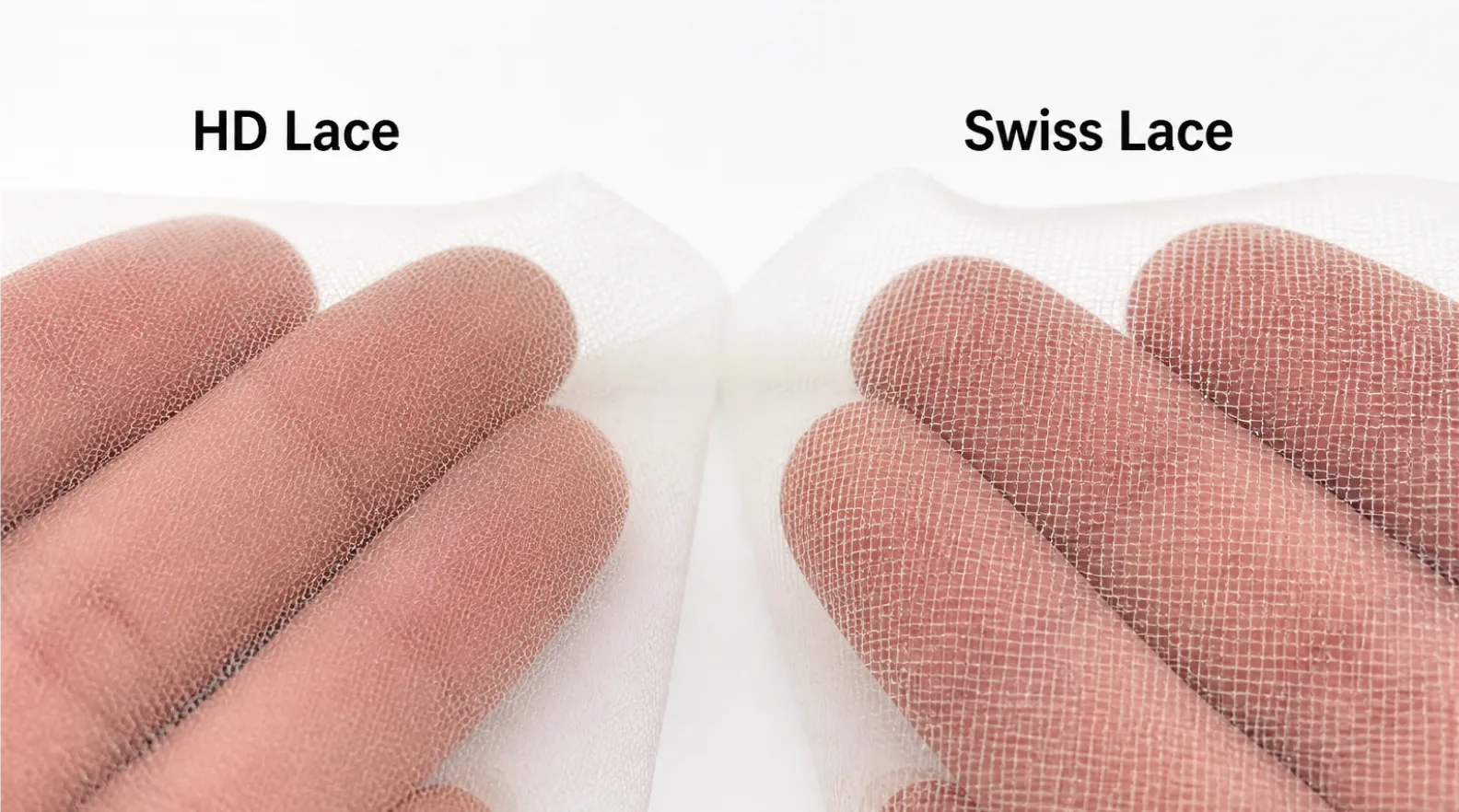
Synthetic Capabilities in Glueless Manufacturing
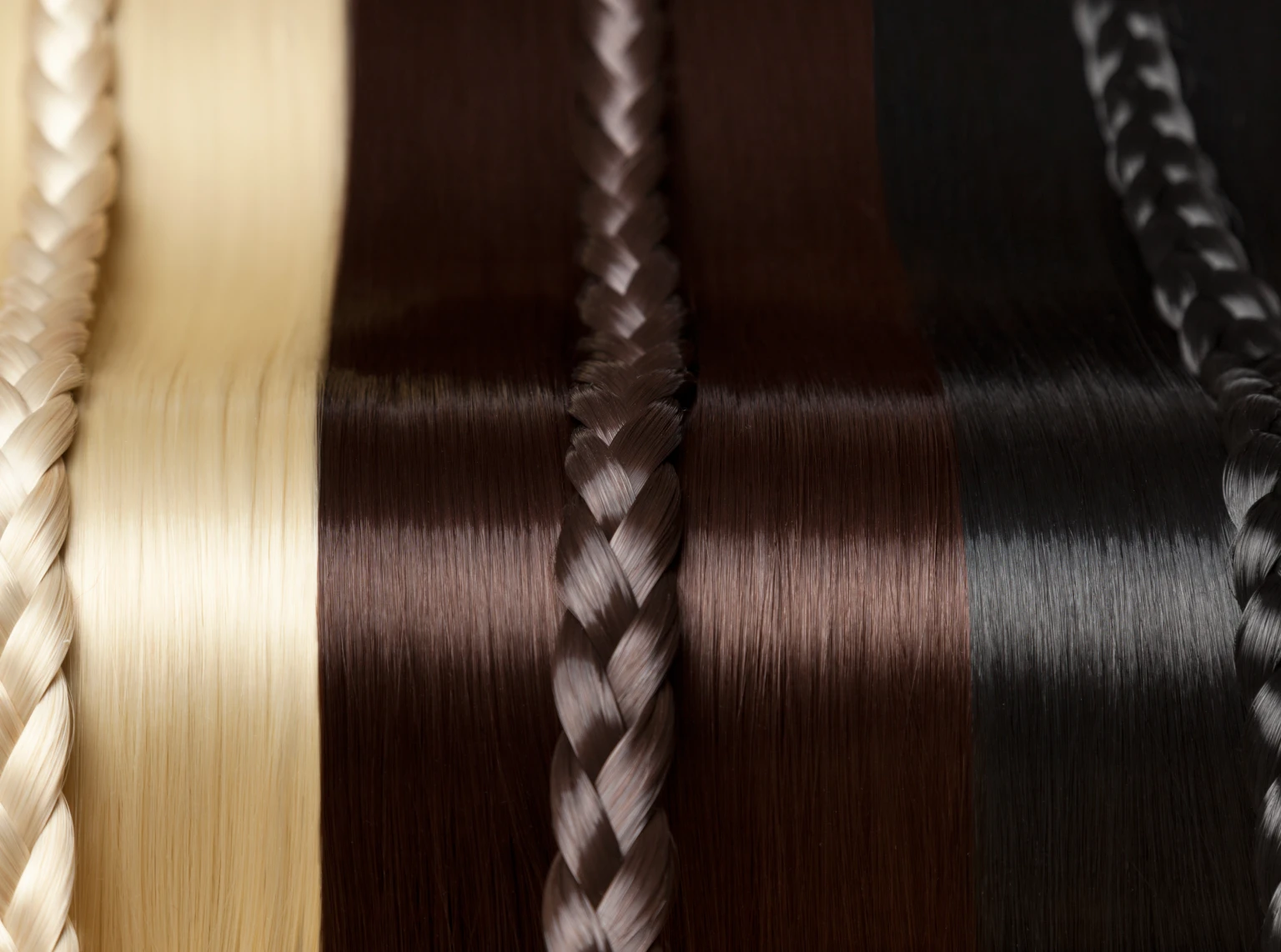
While human hair dominates the premium glueless market, advanced synthetic fibers are capturing significant volume in the mid-tier space. High-temperature PET fibers can be engineered onto glueless caps, provided the factory uses heat-resistant lace. The primary challenge in synthetic glueless manufacturing lies in the knotting process. Synthetic fibers do not absorb bleach, meaning the knots cannot be lightened chemically. To circumvent this, advanced factories utilize a technique called "hidden knotting" or ventilate with lighter, translucent fibers at the root. Wholesale buyers targeting the synthetic fashion market must specifically inquire about root ventilation techniques when ordering synthetic glueless units to ensure realism.
Retail Margins and B2B Cost Analysis
Analyzing the wholesale cost structure reveals distinct margin opportunities. Glueless units carry a higher factory-gate price. The addition of specialized hardware (silicone strips, heavy-duty adjustable bands), the requirement for premium HD lace, and the labor-intensive pre-plucking and pre-bleaching processes increase manufacturing costs by approximately 15% to 25% compared to traditional units.
Despite this higher initial procurement cost, glueless technology commands a disproportionately higher retail markup. Consumers prioritize convenience and scalp health, demonstrating a willingness to pay 30% to 50% premiums for genuine wear-and-go units. Distributors who educate their retail accounts on these structural differences can successfully push higher-margin inventory through their sales channels.
Quality Control Protocols for Sourcing
Quality control for glueless inventory requires specific factory-level audits. Procurement teams cannot rely solely on visual inspection of the hair quality. Testing must include tension assessments of the internal elastic band to ensure it maintains elasticity after repeated stretching. Ear tab alignment is another critical failure point. The ear tabs must feature a flexible inner wire or structured PU backing that allows the wearer to contour the tab flush against the temple. If the ear tab lacks structure, the side lace will lift and roll backward, immediately breaking the illusion. B2B buyers should request video documentation of the unit being applied to a standardized mannequin head without adhesive to verify the lace lays flat under its own tension.
Raysman Manufacturing Specifications
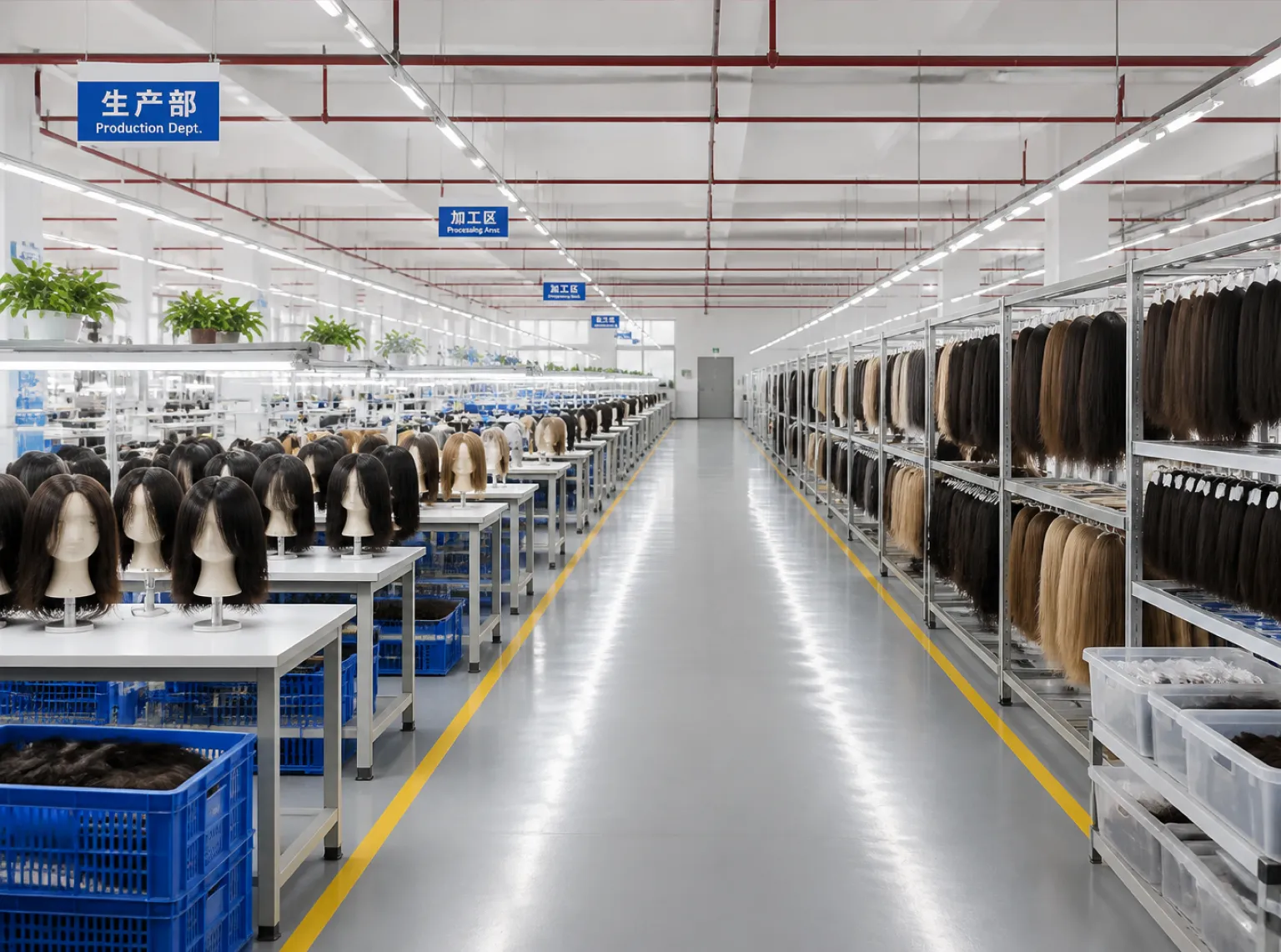
Raysman operates dedicated production lines for both traditional and advanced glueless cap constructions. We engineer our wear-and-go units with medical-grade silicone grips, reinforced tension bands, and genuine HD lace matrices. Our ventilation technicians are trained in transitional density plucking and precision knot bleaching, ensuring every unit meets the standard for immediate retail wear. B2B buyers looking to upgrade their inventory mix can review our technical specifications, access custom mold OEM options, and initiate sample requests through our wholesale program.
-

Raysman
Synthetic Wig Manufacturer
Raysman is a Zhejiang-based synthetic wig manufacturer specializing in party, costume, and fashion color wigs — producing over one million pieces a year from our 10,000 m² Longyou facility. We are BSCI, ISO 9001, and OEKO-TEX Standard 100 certified, and a designated supplier to Disney and Walmart.