

North American wig buyers are placing their Halloween and holiday orders into a supply chain that looks nothing like it did a year ago. The duty-free lane many small sellers relied on is closed, a flat import surcharge is set to expire on July 24, and Washington is already lining up its replacement. For anyone importing wigs, hair, and costume accessories from China, the cost of landing a shipment in the United States has been rewritten twice in six months. Here is where things stand in early July 2026, and what it means for the season ahead.
The state of play. A flat 10% Section 122 surcharge now applies to imports from almost every country, on top of the duties that were already there. For China, that 10% stacks on existing Section 301 duties, so most Chinese consumer goods land near 35% before freight. The $800 de minimis exemption that once let low-value parcels enter duty-free is gone for every country. The Section 122 surcharge is scheduled to lapse on July 24 unless Congress extends it, and the Office of the U.S. Trade Representative has proposed new Section 301 duties to take its place. For a wig buyer, duties are now a fixed line in landed cost, and they are unlikely to disappear.
The 2026 Tariff Reset
The rules changed fast. In February 2026 the Supreme Court struck down the emergency tariffs the administration had imposed in 2025 under the International Emergency Economic Powers Act, the same country-specific surcharges that had pushed the rate on Chinese goods to a peak of 145% early in the trade war. Within hours, the White House replaced them with a flat 10% surcharge under Section 122 of the Trade Act of 1974, effective February 24 for a 150-day term. The courts have since pushed back: the Court of International Trade ruled the Section 122 order unlawful in May, but limited relief to the companies that sued, and the Federal Circuit stayed that ruling in June, so Customs keeps collecting the surcharge from everyone.
| Date | What changed |
|---|---|
| Feb 20, 2026 | Supreme Court strikes down the 2025 emergency (IEEPA) tariffs; those surcharges become refundable |
| Feb 24, 2026 | A flat 10% Section 122 surcharge takes effect on imports from nearly all countries, for 150 days |
| May 7, 2026 | The Court of International Trade rules the Section 122 order unlawful, but only for the named plaintiffs |
| Jun 11, 2026 | The Federal Circuit stays that ruling; Customs keeps collecting the surcharge from all importers |
| Jul 1, 2026 | EU-origin goods move to a 15% all-inclusive ceiling under the EU-US deal |
| Jul 24, 2026 | The Section 122 surcharge is set to expire unless Congress acts |
The July 24 date is the one to watch. Section 122 authority runs only 150 days, so the surcharge lapses unless Congress steps in. Buyers hoping that means a return to cheaper imports should read the next move: the U.S. Trade Representative has opened Section 301 investigations tied to manufacturing overcapacity and forced labor, covering a large share of imports, with determinations expected in July. Trade trackers, including the Atlantic Council, describe the goal as holding tariff revenue roughly steady as one tool replaces another. The label on the duty may change; the duty is likely to stay.
How Duties Stack on a Chinese Wig Shipment
China is still the outlier. After the emergency tariffs fell, most trading partners settled at the flat 10% baseline, but China kept its Section 301 duties on top, so a shipment from China carries more layers than the same goods from elsewhere. The exact figure depends on the product's tariff code, and a buyer should confirm it with a customs broker before quoting a season. As a rough guide for a bulk, formal entry:
| Layer | Typical rate | Notes |
|---|---|---|
| Base MFN duty | Varies by HTS code | The standard rate for the wig's classification |
| Section 301 (China) | Commonly around 25% | Applies to most Chinese consumer goods; the rate is HTS-specific |
| Section 122 surcharge | 10% | Added where not excluded; scheduled to expire July 24 |
| De minimis relief | None | The $800 duty-free threshold no longer applies to any country |
For most Chinese consumer goods that read as a combined rate near 35% before freight, down sharply from the 145% peak of early 2025 but well above the near-zero many e-commerce sellers once paid on small parcels.
Why China Still Anchors Wig Supply
The tariff math matters because there is no easy way around the source. China is the world's largest producer and exporter of wigs, with roughly 80% of the global hair-accessories trade and wig exports of about $3 billion in 2022, according to figures from China's Xinhua News Agency, and the United States has long been the main destination. Domestic supply cannot fill the gap: research firm IBISWorld puts U.S. wig and hairpiece manufacturing at about $162 million across roughly 40 businesses, a segment that has been shrinking and leans heavily on imports. Buying American at scale is not a real option for most catalogs.
Alternative origins have grown more attractive on paper. Vietnam, Indonesia, and India now sit at the same 10% baseline, while China adds Section 301 on top, which creates a genuine China premium for the first time in this cycle. Even so, China holds the depth that fashion and costume lines depend on, from the widest color range to fast custom development on synthetic wigs. For a buyer running party, cosplay, and bright color ranges, that capability is hard to replace, so most are managing the duty rather than leaving the country.
The End of De Minimis Reshapes Wig E-commerce
The quieter change may matter more for how wigs are sold. The $800 de minimis exemption, which let low-value parcels enter the United States duty-free, ended for China in May 2025 and for every other country on August 29, 2025, and the suspension was continued into 2026. Low-value postal shipments now carry a flat duty running from roughly $80 to $200 per item, and Customs has signaled a separate per-parcel handling fee no later than November 1, 2026. The statutory basis for de minimis is set for permanent repeal on July 1, 2027.
For sellers, the model that leaned on shipping single wigs direct from overseas at no duty is finished. That lane gave dropshippers and cross-border platforms a price edge over domestic wholesalers, and it is gone. The flip side is that bulk importing now looks comparatively better: a container or pallet clears once, spreads freight and duty across many units, and keeps classification and labeling consistent. When every parcel pays duty regardless of size, ordering in volume from a factory usually wins on landed cost.
Halloween 2026 Sourcing Meets the New Rules
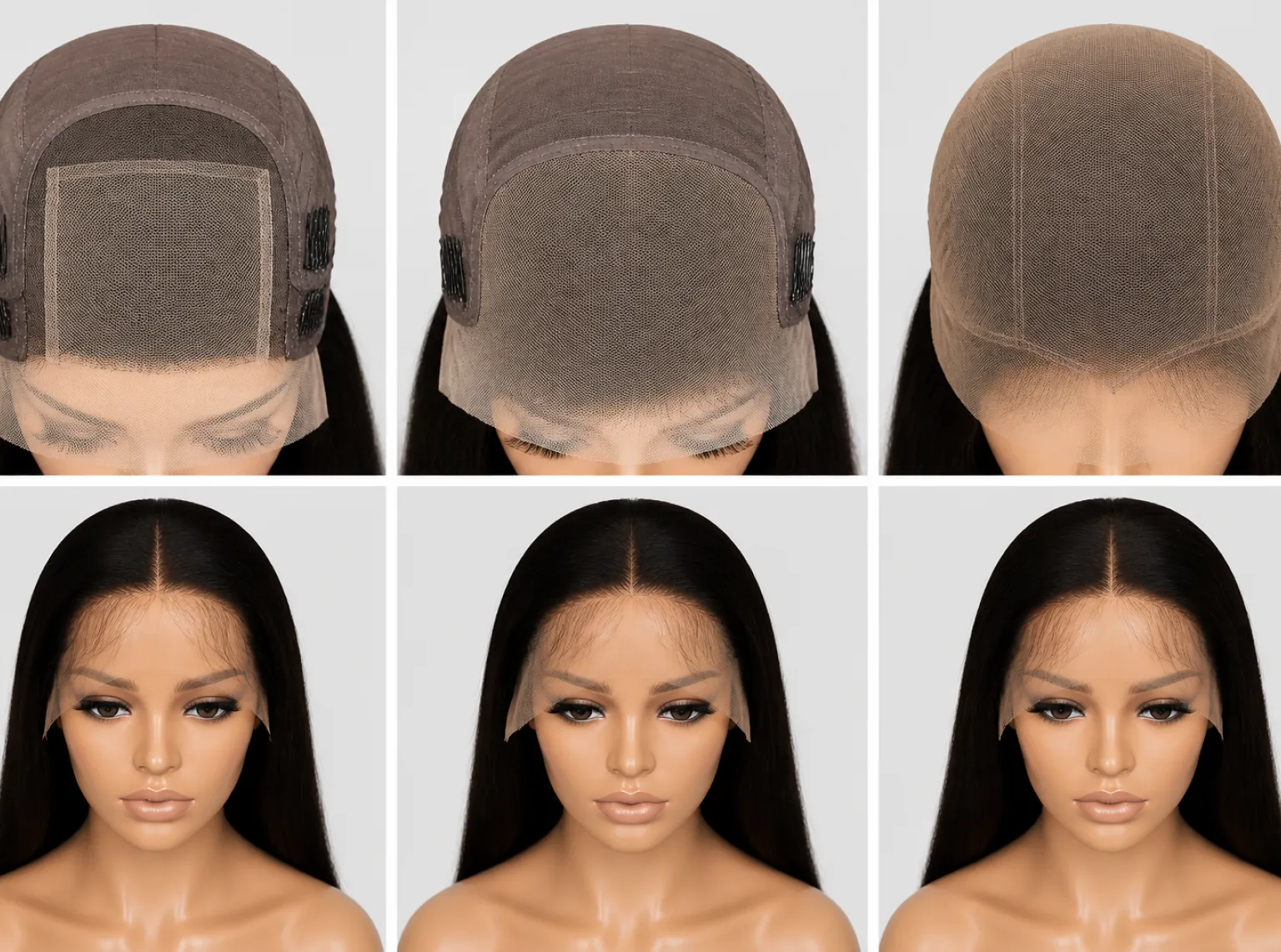
The timing is pointed. Halloween is the hard seasonal spike for costume and Halloween wigs, and the buying happens now, in summer, with the largest seasonal chains opening stores as early as July. Spirit Halloween, the biggest seasonal retailer in North America, has said more than 90% of its Halloween and holiday merchandise is imported from China, which puts the full weight of the new duties on exactly the categories that move in this window. Costume wigs, party looks, and fashion colors are almost entirely synthetic, often utilizing cost-effective machine-wefted cap constructions, and they are ordered months ahead of the shelf date.
That leaves buyers with a squeeze: the same season, higher landed cost, and slower customs processing than the old de minimis lane allowed. The ones handling it well booked early, built the duty into their retail price, and consolidated orders instead of chasing small shipments. Leaving it late risks both a customs hold and a thin margin.
What North American Wig Buyers Should Do Now
- Price with duties in. Build landed cost on the current stack, not the old duty-free assumption. A wig that looked like a 25% duty item last year may sit near 35% today.
- Get the tariff code right. Every import now needs an accurate 10-digit HTS code, and the wig's classification drives the Section 301 rate. Confirm it with your broker.
- Tighten your paperwork. With every parcel now dutiable and inspected, accurate fiber-content and country-of-origin labels and clean invoices prevent holds at the border.
- Order the season early. Formal customs processing takes longer than the de minimis lane did. Lock Halloween and party volume now, not in September.
- Consolidate into bulk. Small parcels no longer skip duty, so a single bulk entry usually beats a stack of shipments on unit cost and freight.
- Lean on your supplier. A real factory can support correct classification, supply compliant labels, and consolidate orders into one entry. To ensure your partner is fully capable, use our 12-point checklist to vet a B2B wig supplier.
Where a Factory Partner Fits
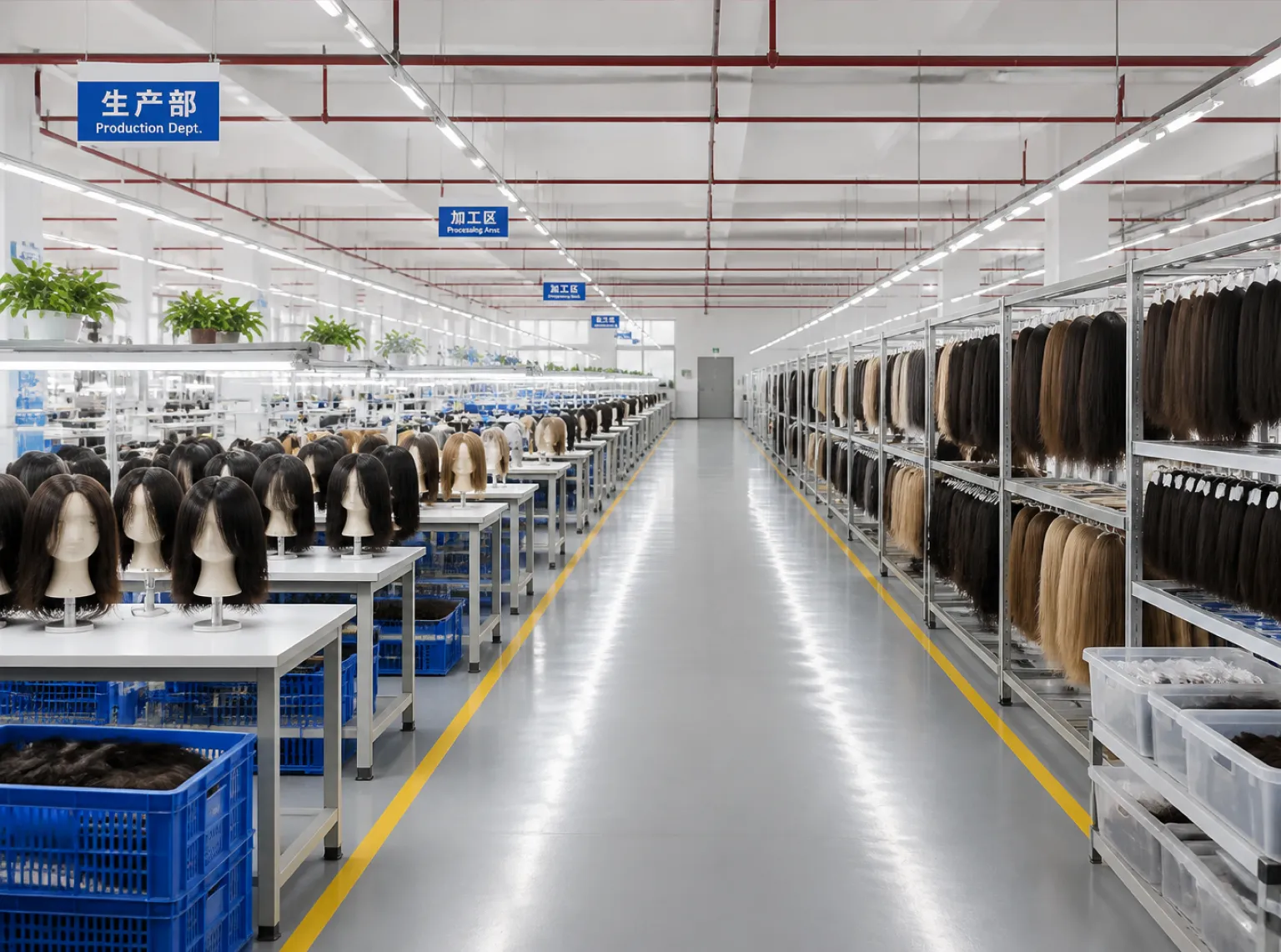
We ship synthetic party, Halloween, and color lines into North America every season, and the new rules have reshaped the sourcing math for 2026. Ordering factory-direct in bulk spreads freight and duty across more units than a run of small parcels ever could, and it keeps classification and labeling consistent from one order to the next. Raysman supplies correct fiber-content and country-of-origin labels, helps buyers match each style to its HTS code, and consolidates orders into a single clean customs entry. If you are locking Halloween 2026 volume, send your styles and quantities and we will quote factory-direct with the documentation your broker needs.
FAQ
Are wigs from China still subject to tariffs in 2026?
Yes. Most Chinese wig and hair imports carry Section 301 duties plus the 10% Section 122 surcharge, which lands near 35% before freight for typical consumer goods. The exact rate depends on the product's HTS code, so confirm it with a customs broker before you quote.
What happened to the $800 de minimis exemption?
It ended. Duty-free treatment for low-value parcels stopped for China in May 2025 and for all other countries on August 29, 2025, and the suspension continued into 2026. Low-value wig parcels are now dutiable and screened like any other import.
Does the July 24 deadline mean tariffs will drop?
Probably not. The Section 122 surcharge is set to expire July 24 unless Congress extends it, but the U.S. Trade Representative has proposed new Section 301 duties to replace the revenue. Plan for duties to continue rather than betting on relief.
Should I move wig sourcing from China to Vietnam or India?
It depends on your product. Those countries now sit at the flat 10% baseline while China adds Section 301 on top, so there is a real China premium. But China still supplies most of the world's wigs and leads on color range and synthetic customization, which is hard to match for fashion and costume lines.
Will Halloween 2026 costume wigs cost more?
Likely somewhat. Major seasonal retailers have said most Halloween goods come from China, and the new duties raise landed cost on exactly those items. Ordering early and buying in bulk is the main way to offset the duty and freight.
Can I avoid tariffs by buying American-made wigs?
Rarely at any scale. U.S. wig and hairpiece manufacturing is small and import-dependent, so most inventory still originates overseas. The practical lever is efficient importing and clean compliance, not domestic substitution.
Trade policy is moving quickly in 2026 and several measures are under appeal. Figures here reflect the picture in early July 2026; confirm current rates and your product's classification with a licensed customs broker before making purchasing decisions.
-

Raysman
Synthetic Wig Manufacturer
Raysman is a Zhejiang-based synthetic wig manufacturer specializing in party, costume, and fashion color wigs — producing over one million pieces a year from our 10,000 m² Longyou facility. We are BSCI, ISO 9001, and OEKO-TEX Standard 100 certified, and a designated supplier to Disney and Walmart.