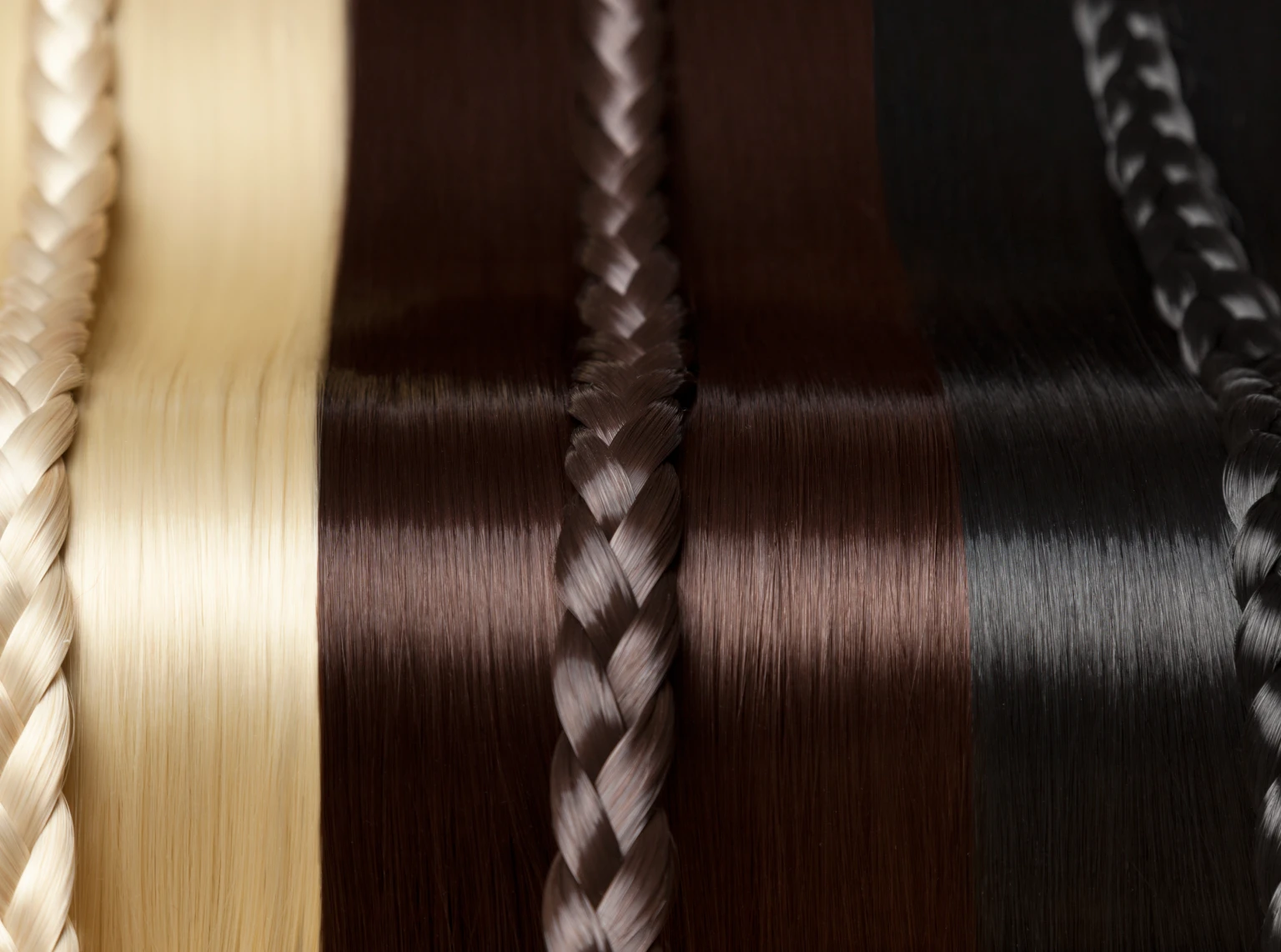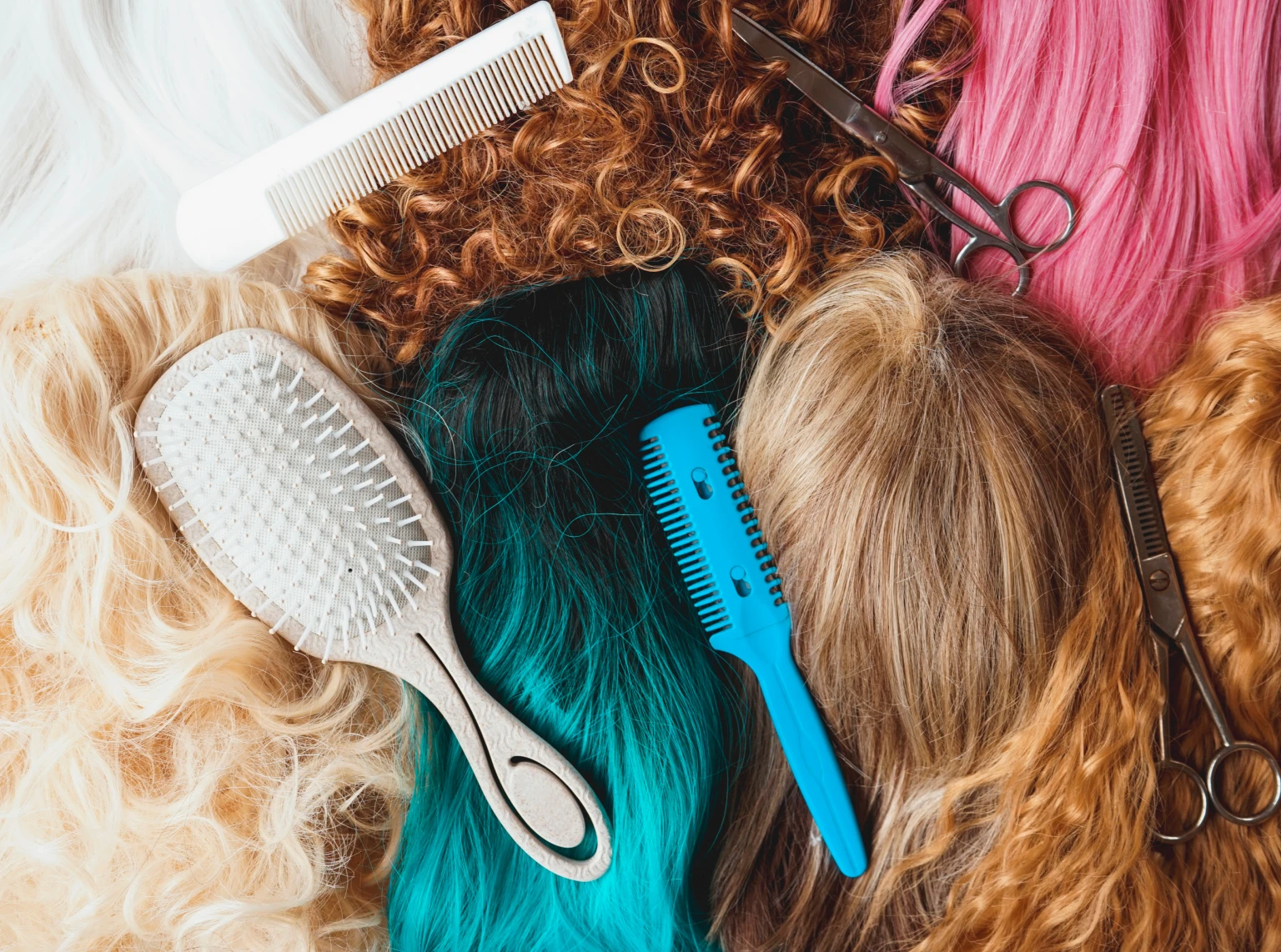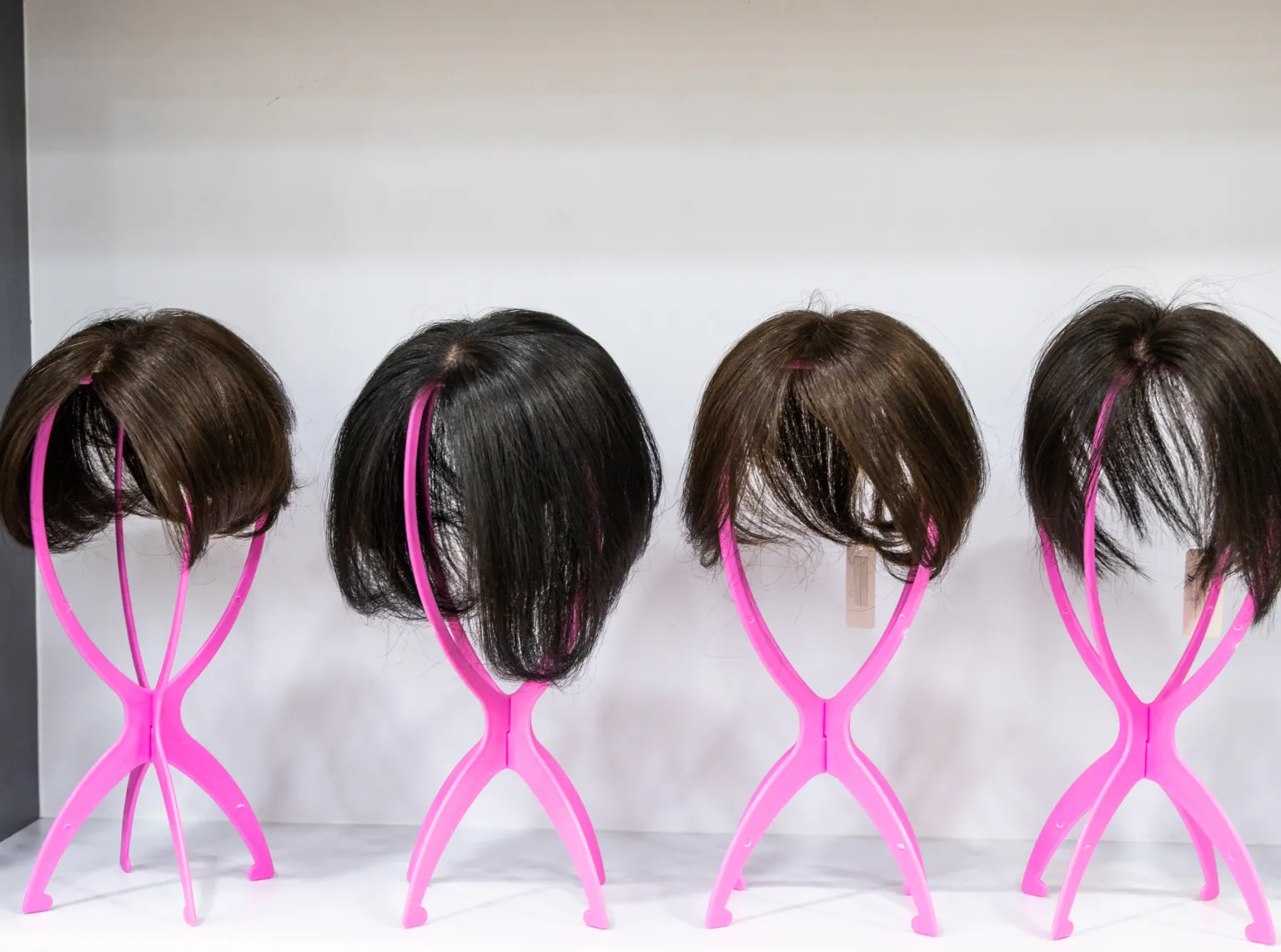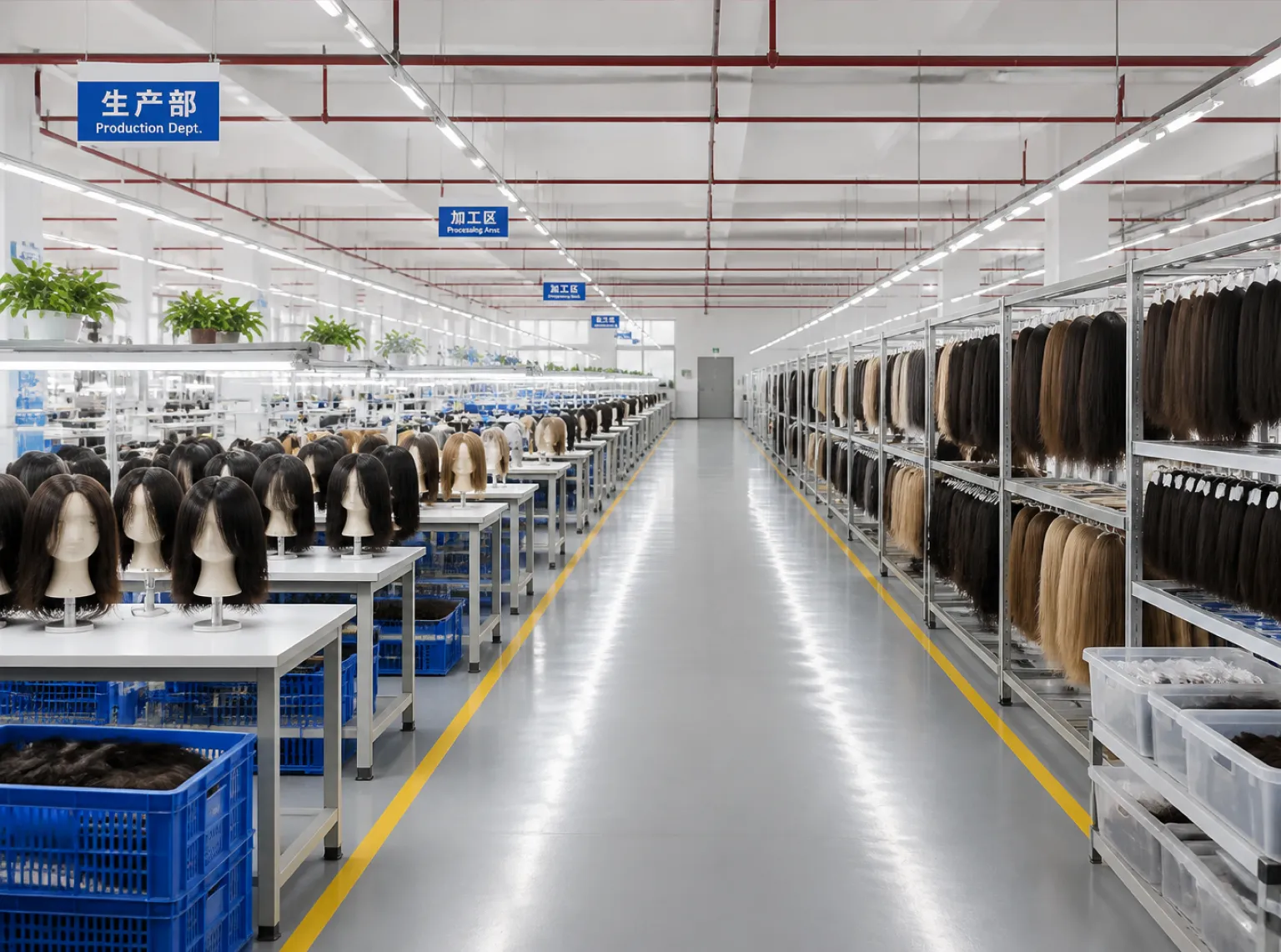

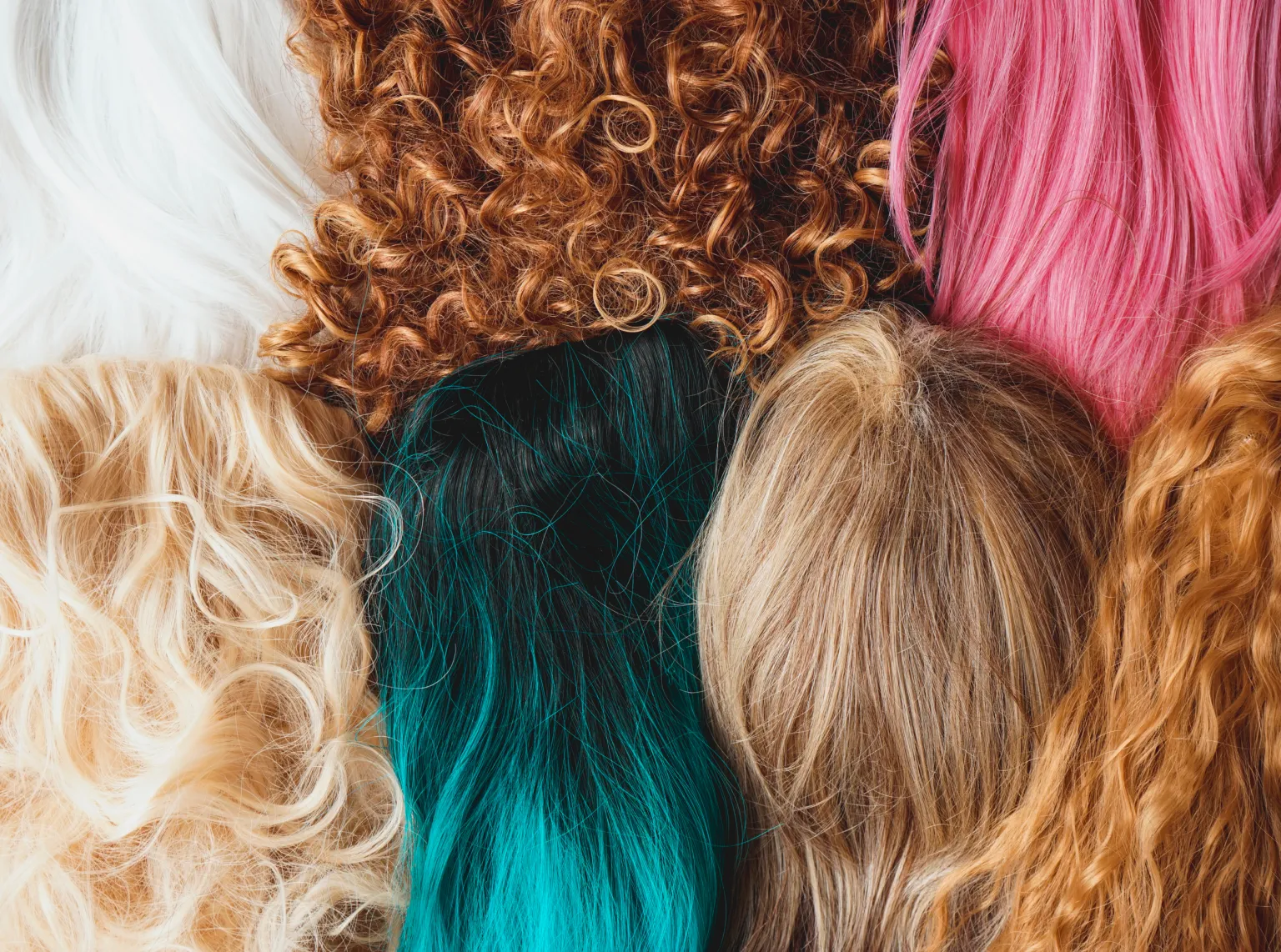
Color sells wigs. Ask any buyer which variable moves a fashion unit fastest and the answer is shade — ahead of cap, ahead of length, ahead of price. So the annual color conversation matters to anyone stocking wigs, and 2026 has a clear one. Industry market reports peg the colored wig segment at roughly $1.5 billion in 2024, growing around 9% a year toward $3.2 billion by 2033, and the direction of that growth has shifted. The flat, single-process shades and icy extremes that dominated a few years ago are giving way to warm tones, dimensional color, and fantasy shades toned down for daily wear. We watch these shifts from the production side, since our color lab develops what buyers will stock six months from now. Here is what 2026 actually looks like, and what it means for a buy plan.
The short answer. Three forces define wig color in 2026. Warmth replaced ice: butter blonde, honey, and copper shades outsell platinum and ash. Dimension replaced flat color: rooted shades, balayage, and face-framing highlights are now the baseline for a natural look. And fantasy color matured: rose gold, lavender, and soft pastels moved from costume territory into everyday fashion, while deep moody tones like cherry cola and burgundy carry the evening end. Buyers should stock a warm-toned core, add dimensional versions of every bestseller, and treat fantasy shades as seasonal drops.
The Big Shift: Warm Beats Icy
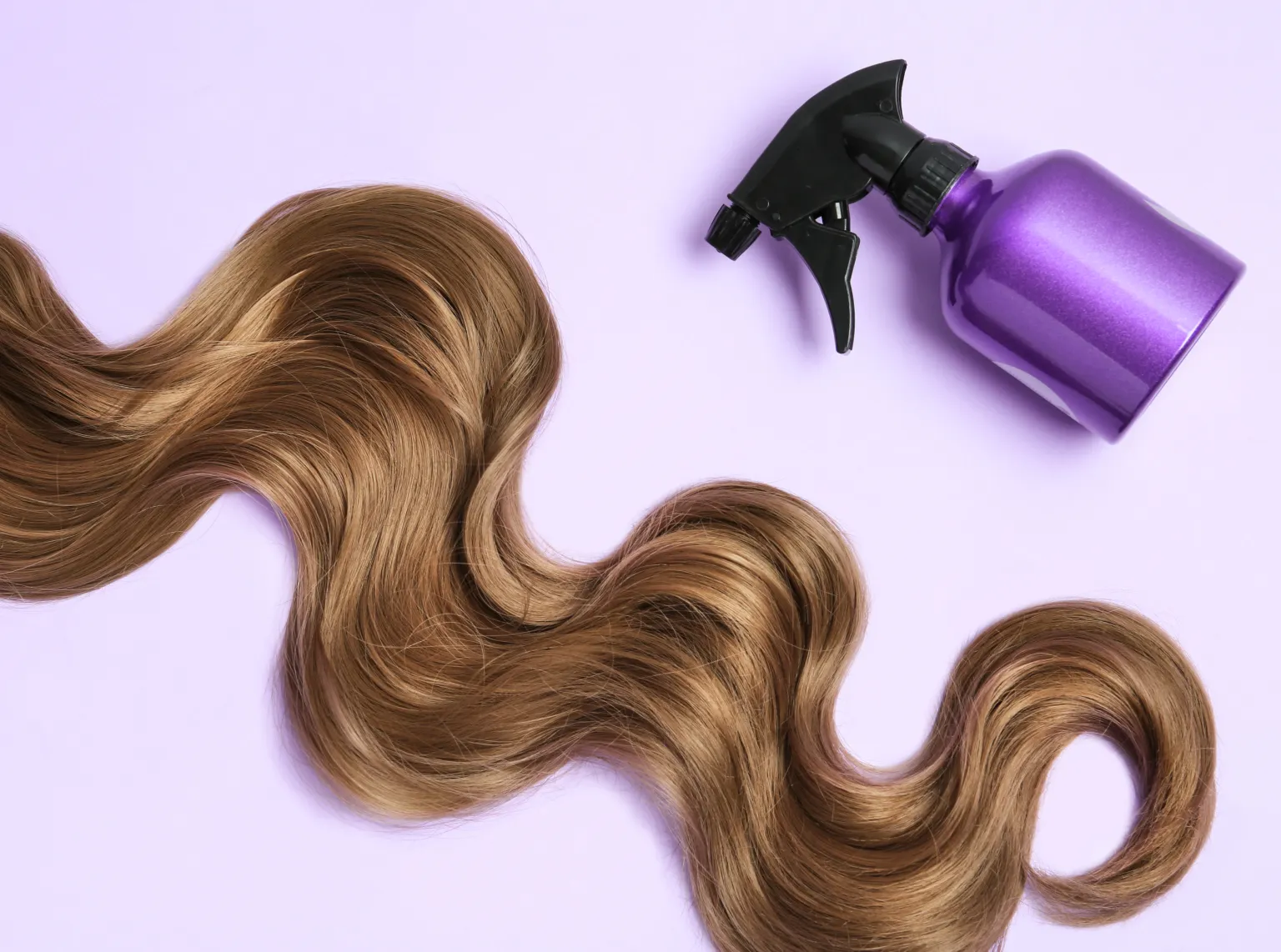
The clearest signal of 2026 is temperature. Salon trend reporting through the first half of the year confirms that warm coppers and butter blondes held as the most requested shades, while icy platinum continued its slide. For wigs, four warm families lead:
| Trend shade | What it is | Why it sells |
|---|---|---|
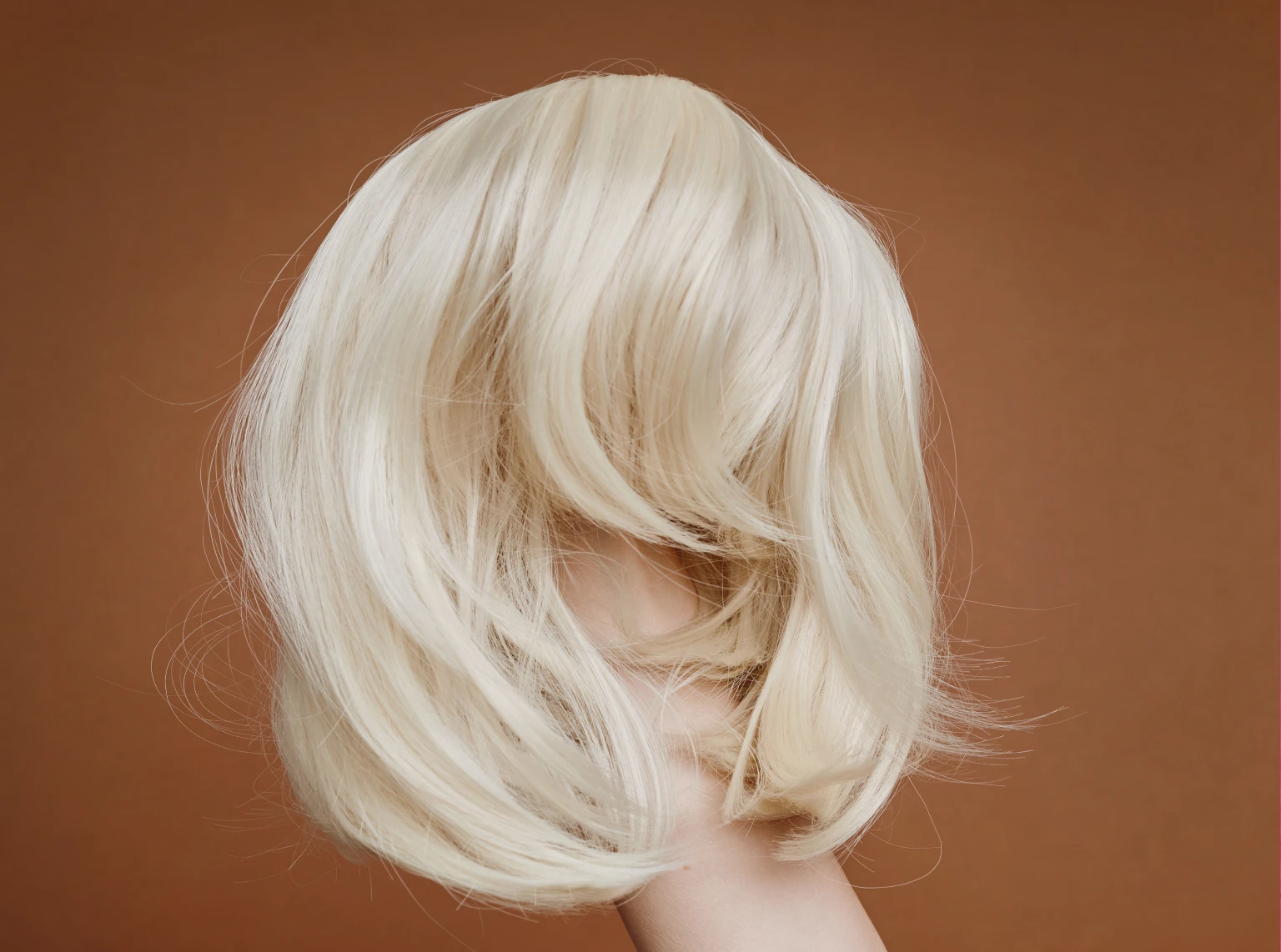
| Butter / vanilla blonde | Creamy, warm blonde with soft dimension | Bright without harshness; flatters more skin tones than icy shades. See our blonde wig range for the warm end of the spectrum |
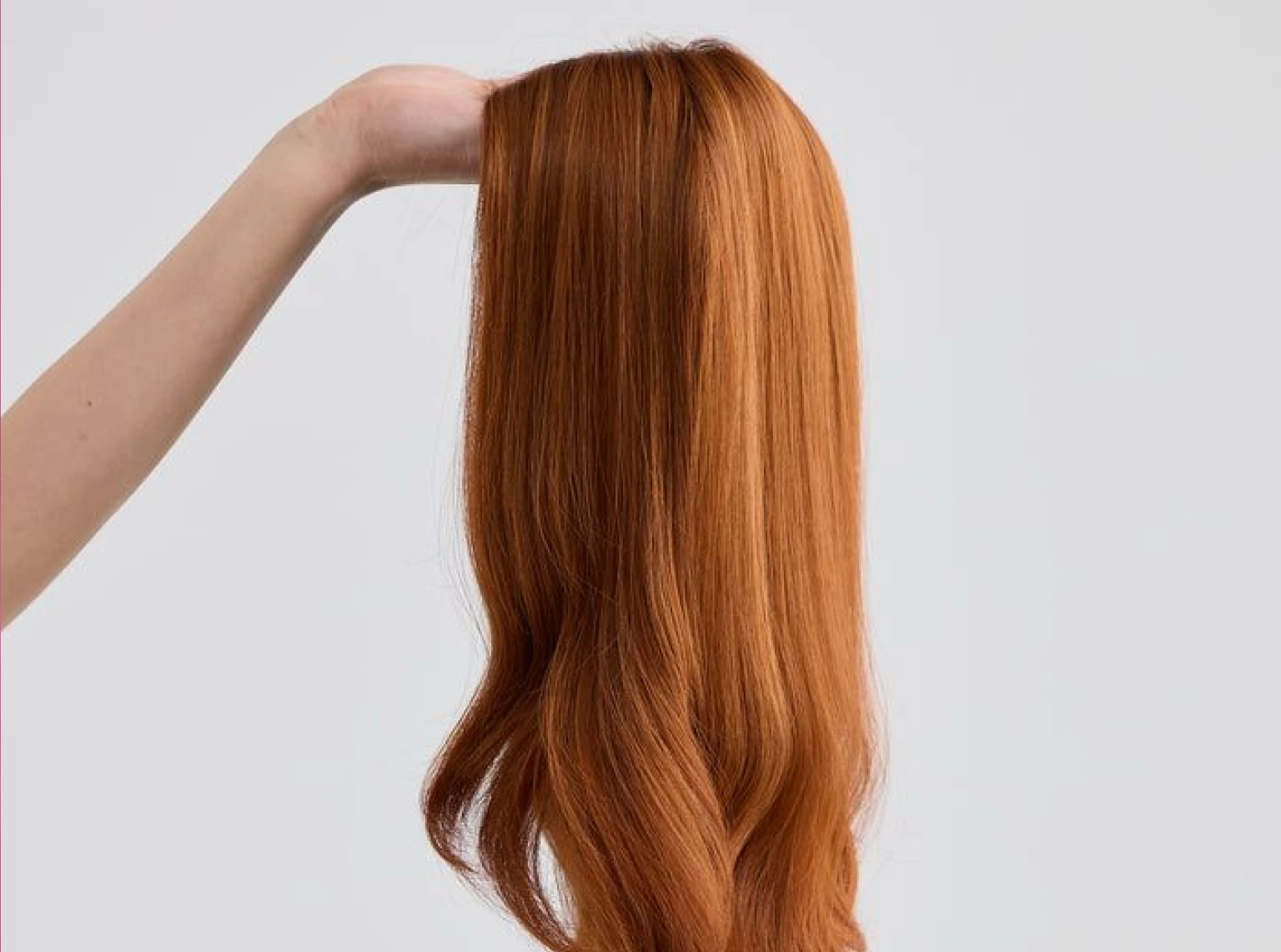
| Cowboy copper / spiced ginger | Muted leather-and-terracotta reds | Pinterest flagged copper before it broke mainstream, and search volume has stayed high through 2026 |
| Cherry cola brunette | Chocolate brown with red and burgundy undertones | The social media shade of summer 2026; drama without loudness, low commitment to wear |
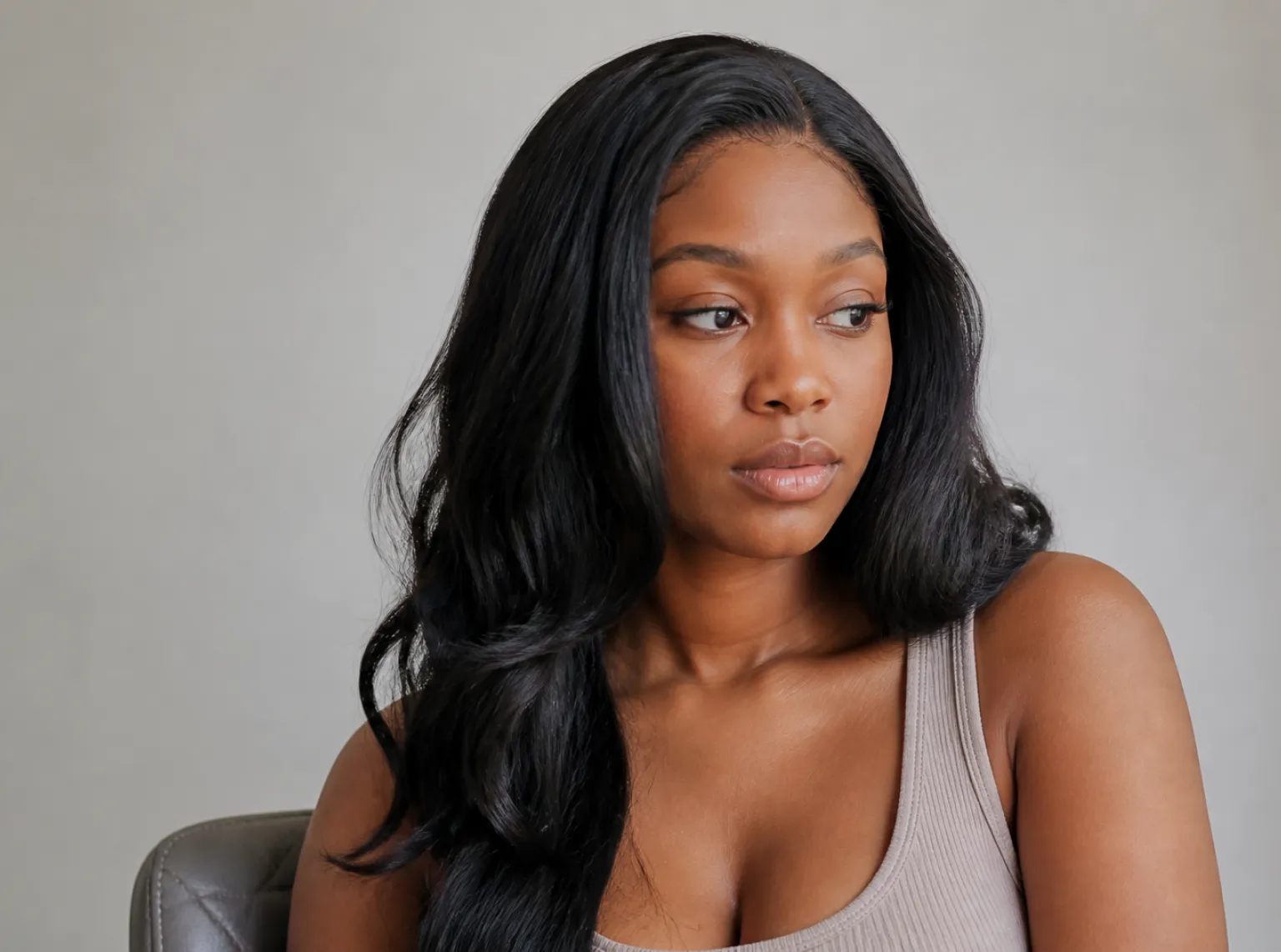
| Expensive brunette | Deep chocolate bases with mahogany or chestnut lowlights | Reads as healthy, glossy hair; works across markets and age groups. Stocked across our black and brown wigs |
The common thread is wearability. These shades photograph boldly but live quietly, which widens the buyer pool well beyond the fashion-risk crowd.
Fantasy Color Grows Up
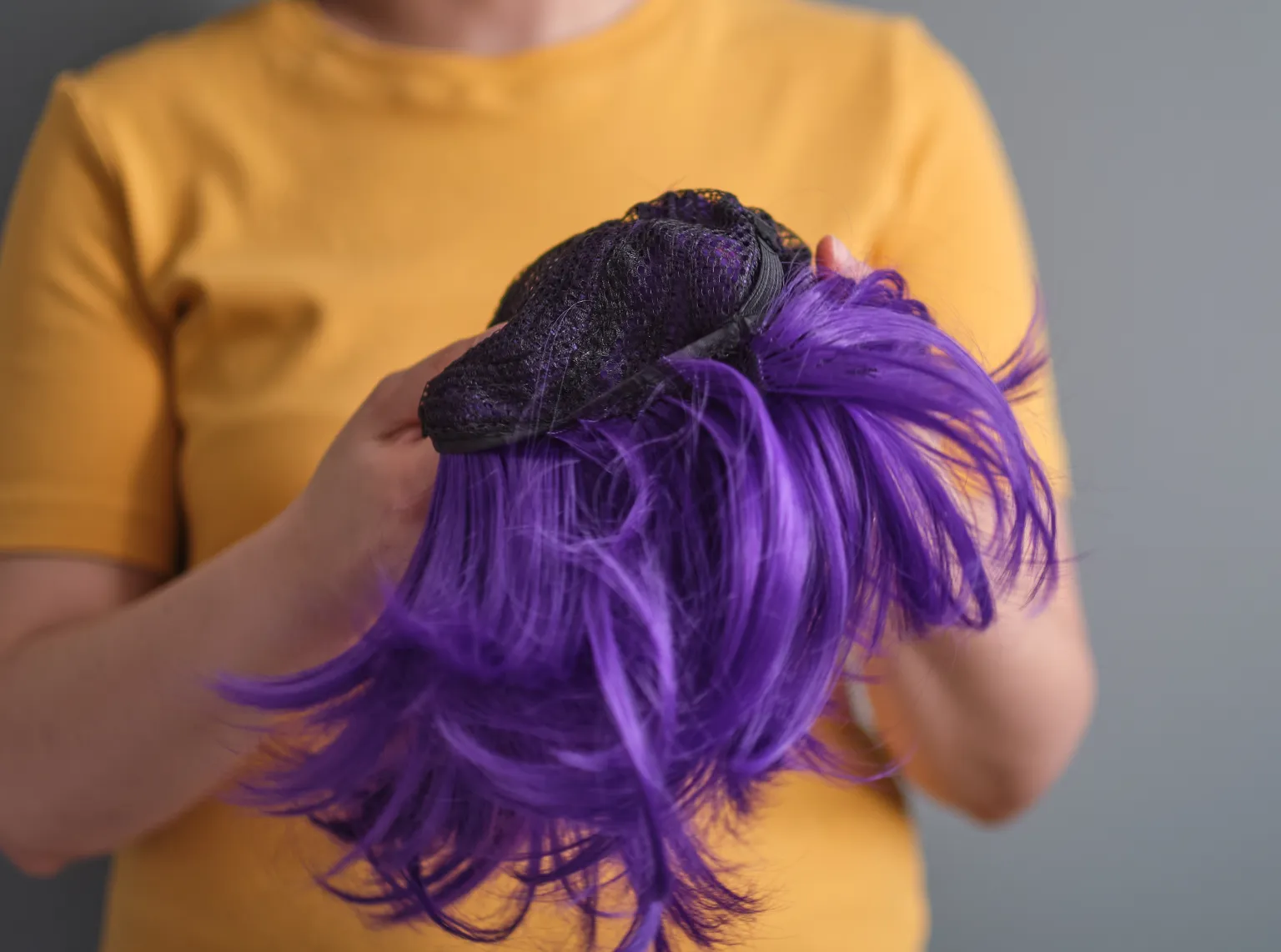
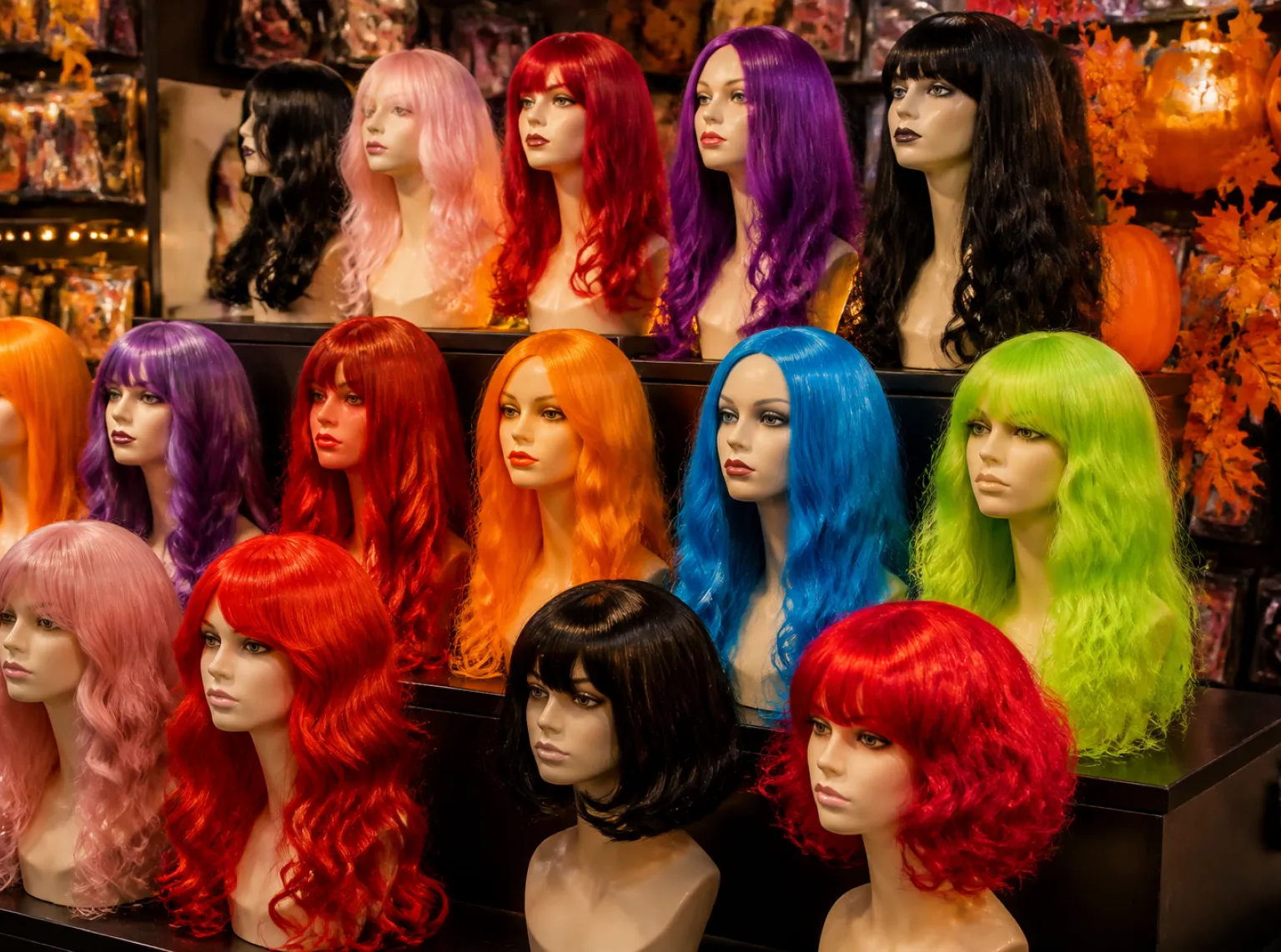
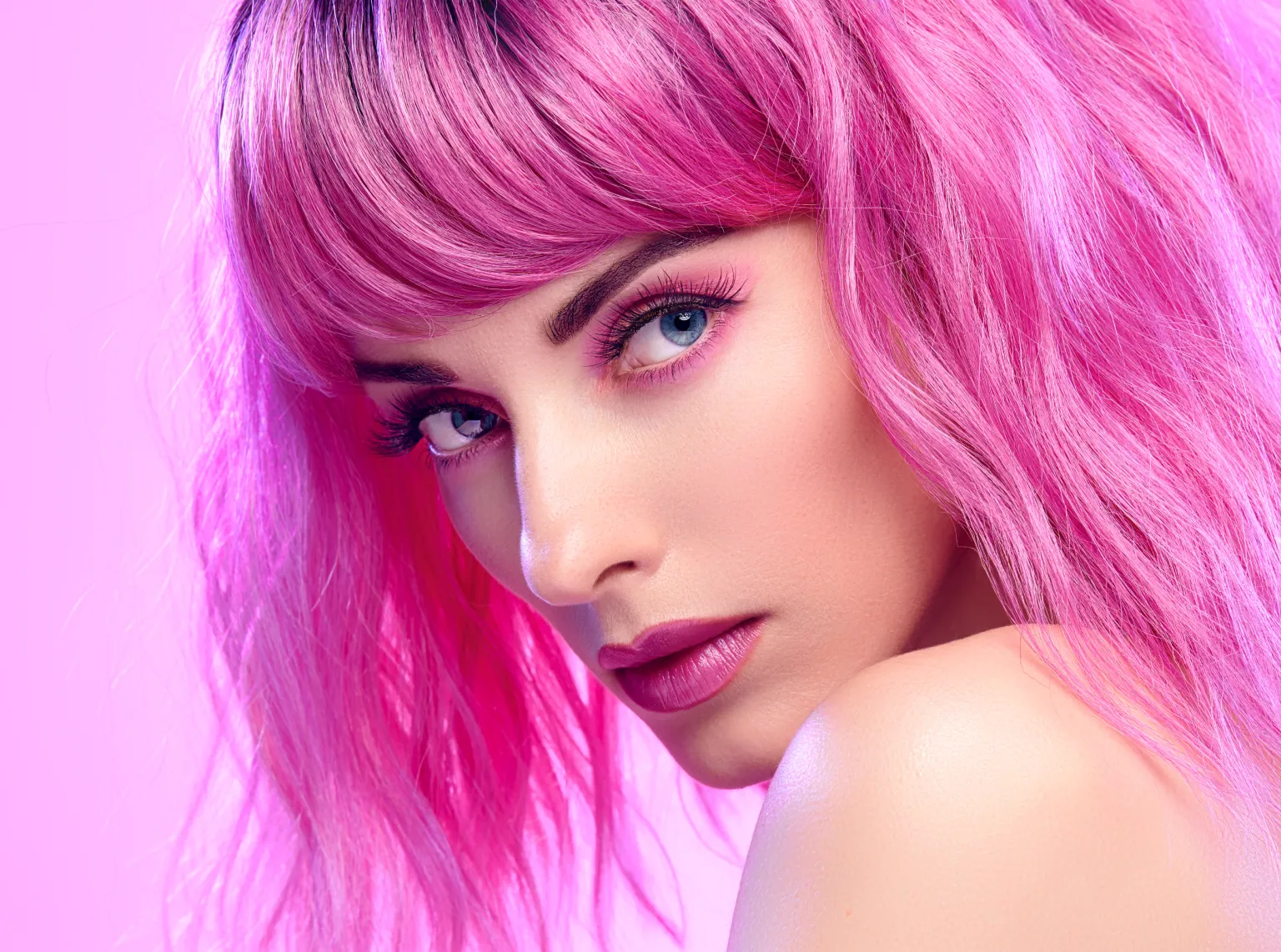
Colored wigs are the segment we know best, and the 2026 story there is maturity. Fantasy shades did not disappear — they calmed down. Rose gold replaced hot pink as the entry-level fashion shade. Lavender and dusty lilac carry the purple category into daily wear, sitting alongside the bolder tones in our purple wig range. Pastel pink stays a spring staple (see pink wigs), and mermaid blues and greens hold their summer and festival niche (blue wigs). Two placement techniques deserve shelf space alongside full-head color: split-dye and skunk-stripe styles for the Y2K-driven crowd, and peekaboo color — vivid underlayers that flash only in movement — for buyers who want the trend at half the commitment. Wholesale demand data points the same way: pink, blue, silver-grey, and lavender lead the colored category's growth into 2026-2027.
Dimension Is the New Default
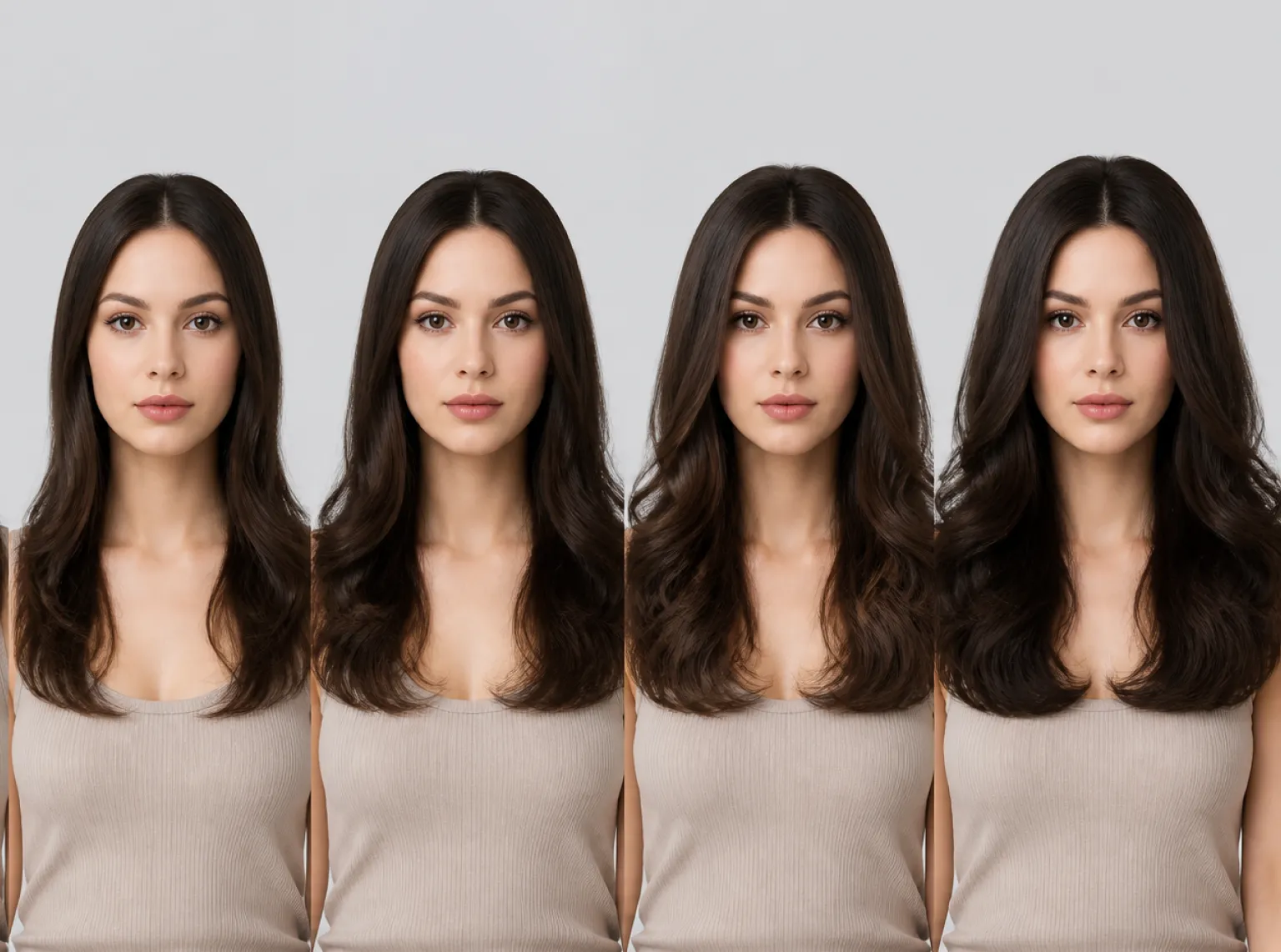
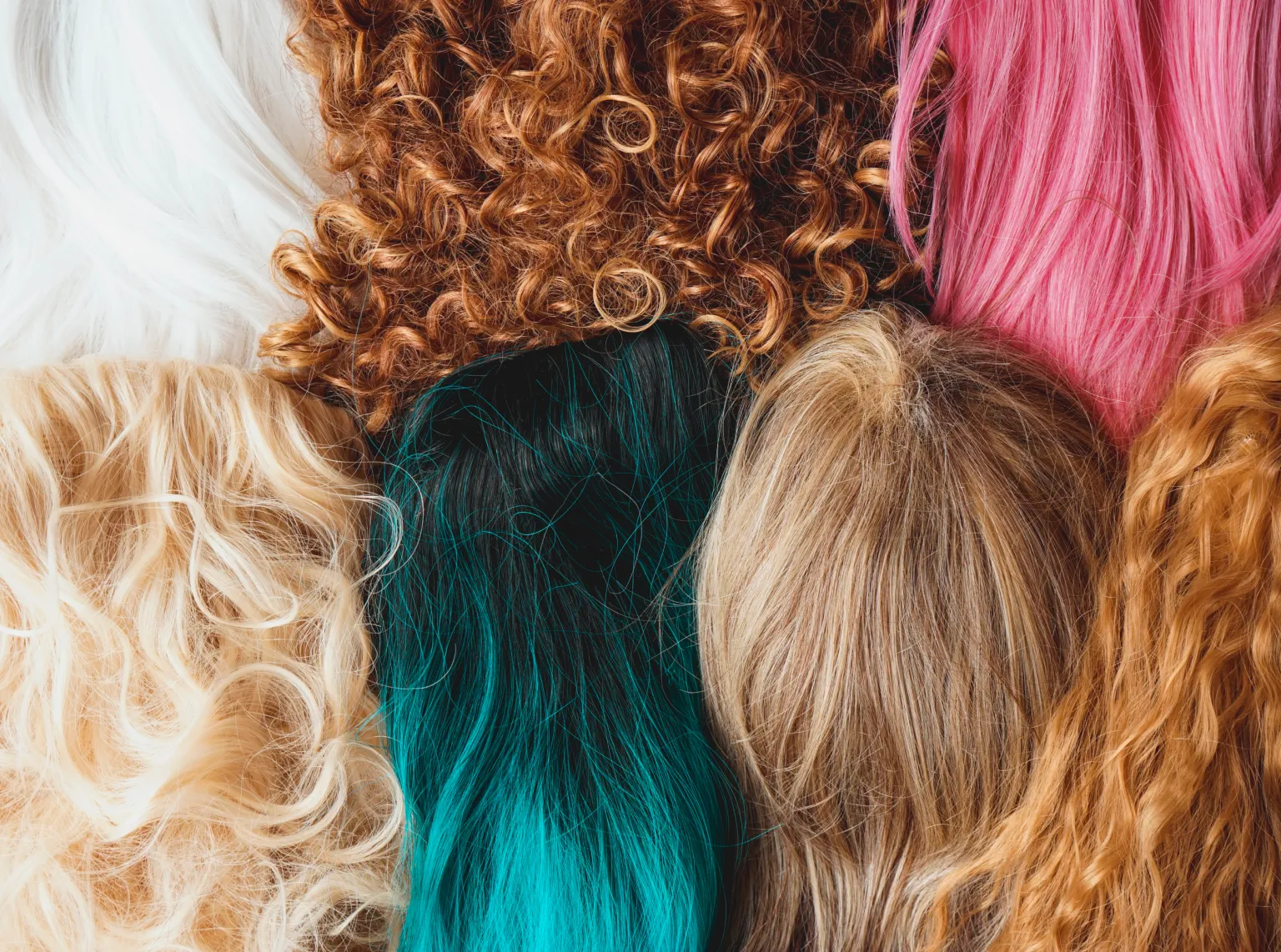
If one technical shift defines 2026, it is this: flat, single-tone color reads as a wig, and dimensional color reads as hair. Rooted shades — dark at the scalp, lighter through the lengths — mimic natural regrowth and remove the harsh line that gives blonde wigs away. Balayage and soft ombré transitions add the depth that solid color cannot. The money piece, two face-framing highlight strands, brightens the face without committing the whole unit. This is the same realism logic behind every fix in our guide to making a synthetic wig look natural: the eye reads variation as biological. For synthetic fiber specifically, dimension has a second benefit — tonal layering breaks up light reflection, which softens the shine issue entirely. When you review any colored wig catalog, the rooted and blended options are the ones with the longest sales life.
The Seasonal Color Calendar
Wig color demand rotates with the calendar, and buyers who stock to the rotation carry less dead inventory. The 2026 pattern:
| Season | Shades that move | Buying note |
|---|---|---|
| Spring | Pastel pink, lavender, rose gold | Fantasy shades peak around festivals and wedding season |
| Summer | Butter blonde, honey, beachy blonde, mermaid blues and greens | Warm blondes hit annual search peaks; brights follow event season |
| Fall | Cowboy copper, cherry cola, warm brown, auburn | Copper and red families dominate September through Halloween |
| Winter | Icy platinum, ash blends, burgundy, dark gothic tones | Cool blondes keep a winter niche; Pinterest's "vamp romantic" data keeps deep shades climbing |
Halloween deserves its own mention: costume color demand — neons, stark whites, split colors — spikes hard in September and October and follows character trends more than salon trends. Buyers serving that window should read our Halloween wig range as a separate calendar from fashion color entirely.
What This Means for Your Buy Plan
Trends only matter at the purchase order. Four rules translate 2026 color into stocking decisions:
- Build the core on warm dimension. Butter blonde, expensive brunette, cherry cola, and copper in rooted or blended versions cover the widest demand with the longest shelf life. This is the 60-70% of a color range that reorders itself.
- Treat fantasy shades as drops, not stock. Rose gold, lavender, and split-color styles sell fast and date fast. Buy them in season-sized quantities and let sell-through data set the reorder.
- Demand color consistency across reorders. A trend shade that drifts between batches creates returns and dead stock. Work from a physical reference — our color card exists for exactly this — and lock shade formulas in the purchase contract.
- Sample before the season, not in it. Color development adds one to two weeks per shade. Buyers who brief trend colors in August own them by Halloween; buyers who brief in October watch the season from the sidelines.
Our wholesale program stocks the 2026 core shades across party, fashion, and costume lines, and the custom team develops new shades from a swatch or reference photo. If your 2027 range planning is on the desk, this is the right month to send it over.
FAQ
What is the most popular wig color in 2026?
Warm blondes — butter, vanilla, and honey tones — lead 2026 demand, with cowboy copper and cherry cola brunette close behind. The common thread is warmth and dimension: multi-tonal shades that mimic natural hair outsell flat, single-process color across every major market.
Is cherry cola hair still trending in 2026?
Yes. Cherry cola brunette — a chocolate brown base with red and burgundy undertones — was the dominant social media shade of summer 2026 and continues into fall. It suits buyers who want a statement color that still reads as sophisticated, which gives it an unusually wide customer base.
Are fantasy-colored wigs still selling?
They are, but the shades have matured. Rose gold, lavender, dusty lilac, and soft pastels have replaced neon brights as the everyday fantasy palette, while bold colors concentrate in festival, cosplay, and Halloween seasons. Wholesale data shows pink, blue, silver-grey, and lavender leading colored-wig growth into 2027.
What wig color suits my skin tone?
Match the undertone. Warm skin tones glow with golds, honeys, coppers, and auburn; cool tones carry ash shades, cherry reds, and lavender-grey well; neutral tones can wear almost anything. When in doubt, a rooted dimensional shade in a mid-tone brown or blonde flatters the widest range of complexions.
What is a rooted wig color?
A rooted wig has darker fiber at the scalp that transitions to a lighter shade through the lengths, mimicking natural hair regrowth. Rooting removes the harsh color line at the hairline that makes wigs look artificial, and it is the single most effective realism upgrade for blonde and light shades.
Do colored synthetic wigs fade?
Quality synthetic fiber holds color through dozens of washes because the pigment is set during extrusion rather than applied afterward. Fading comes mainly from UV exposure and hot water, so store wigs away from sunlight, wash in cool water, and they will hold their shade for the wig's full lifespan.
How many colors should a wig retailer stock per style?
Start with three to five per style: two warm core shades, one rooted dimensional option, and one or two fashion shades matched to the current season. Depth in proven shades beats breadth across untested ones — reorder data will tell you where to expand.
-

Raysman
Synthetic Wig Manufacturer
Raysman is a Zhejiang-based synthetic wig manufacturer specializing in party, costume, and fashion color wigs — producing over one million pieces a year from our 10,000 m² Longyou facility. We are BSCI, ISO 9001, and OEKO-TEX Standard 100 certified, and a designated supplier to Disney and Walmart.