
Commercial wig inventory strategy relies fundamentally on cap construction. For B2B buyers, regional distributors, and brand procurement teams, selecting the correct lace architecture—closures, frontals, or full lace systems—dictates factory lead times, unit costs, and retail margins. Purchasing inventory without aligning the cap geometry to the target demographic results in stagnant stock. This technical guide outlines the engineering differences, manufacturing cost drivers, and sourcing metrics for commercial lace wig configurations.
The Geometry of Lace Closures (4x4 to 6x6)
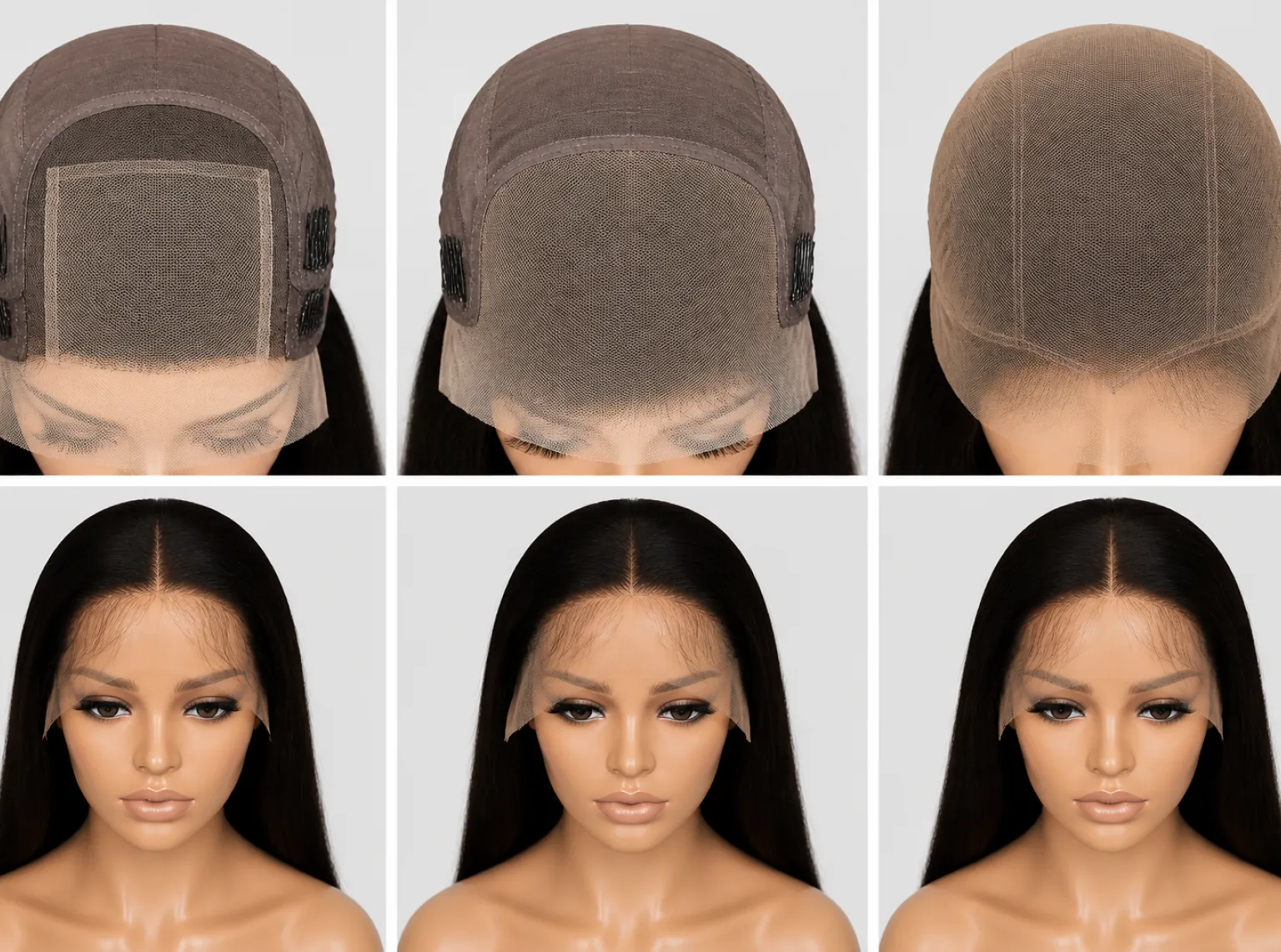
Closures utilize a highly localized lace matrix, typically measuring 4x4, 5x5, or 6x6 inches, anchored at the crown or apex of the unit. The remainder of the cap consists of machine-sewn wefts attached to a stretch-mesh base.
Engineering and Application: The limited lace surface area restricts parting to the specific dimensions of the matrix. The user cannot sweep the hair backward off the temples, as doing so exposes the machine wefts. However, this simplicity provides structural stability and ease of application.
Manufacturing and B2B Sourcing: Closures require the lowest volume of manual hand-tying (ventilation). Consequently, they offer the fastest production lead times and the lowest factory-gate costs among lace units. Brands targeting beginner wig wearers or budget-conscious demographics should heavily weight their inventory toward closure wigs. They provide a realistic primary parting line without the high maintenance or adhesive requirements of a full frontal.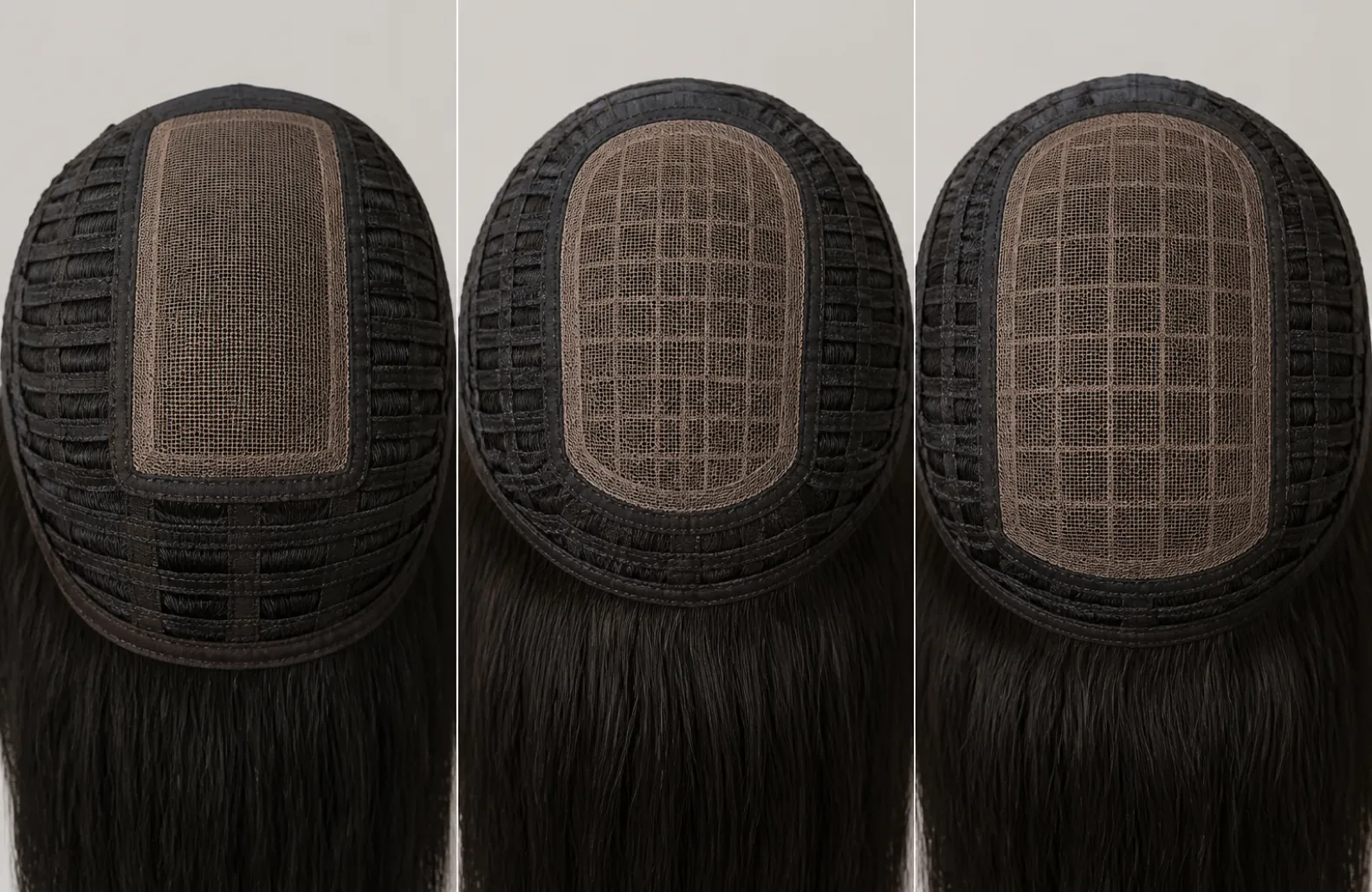
Ear-to-Ear Coverage with Lace Frontals (13x4 and 13x6)
Lace frontals extend the hand-tied matrix laterally from ear to ear across the anterior hairline. The standard dimensions are 13x4 or 13x6 inches, providing a deep parting space and a continuous, simulated hairline across the entire forehead.
Engineering and Application: This architecture requires precise gradient density plucking. To mimic human hair growth, factories must ventilate the extreme front edge at 80% to 90% density, gradually scaling to the target 150% or 180% density further back. The wide lace matrix allows the wearer to pull the hair back into half-up styles without exposing structural tracks.
Manufacturing and B2B Sourcing: Frontals demand significantly more manual labor than closures, making lace front wigs the dominant, high-demand SKU in the current retail market. Procurement teams must audit factory samples strictly for ear-tab alignment; if the lateral lace does not sit flush against the temples, the unit is structurally flawed. The financial outlay is higher, but frontals command the highest consumer search volume.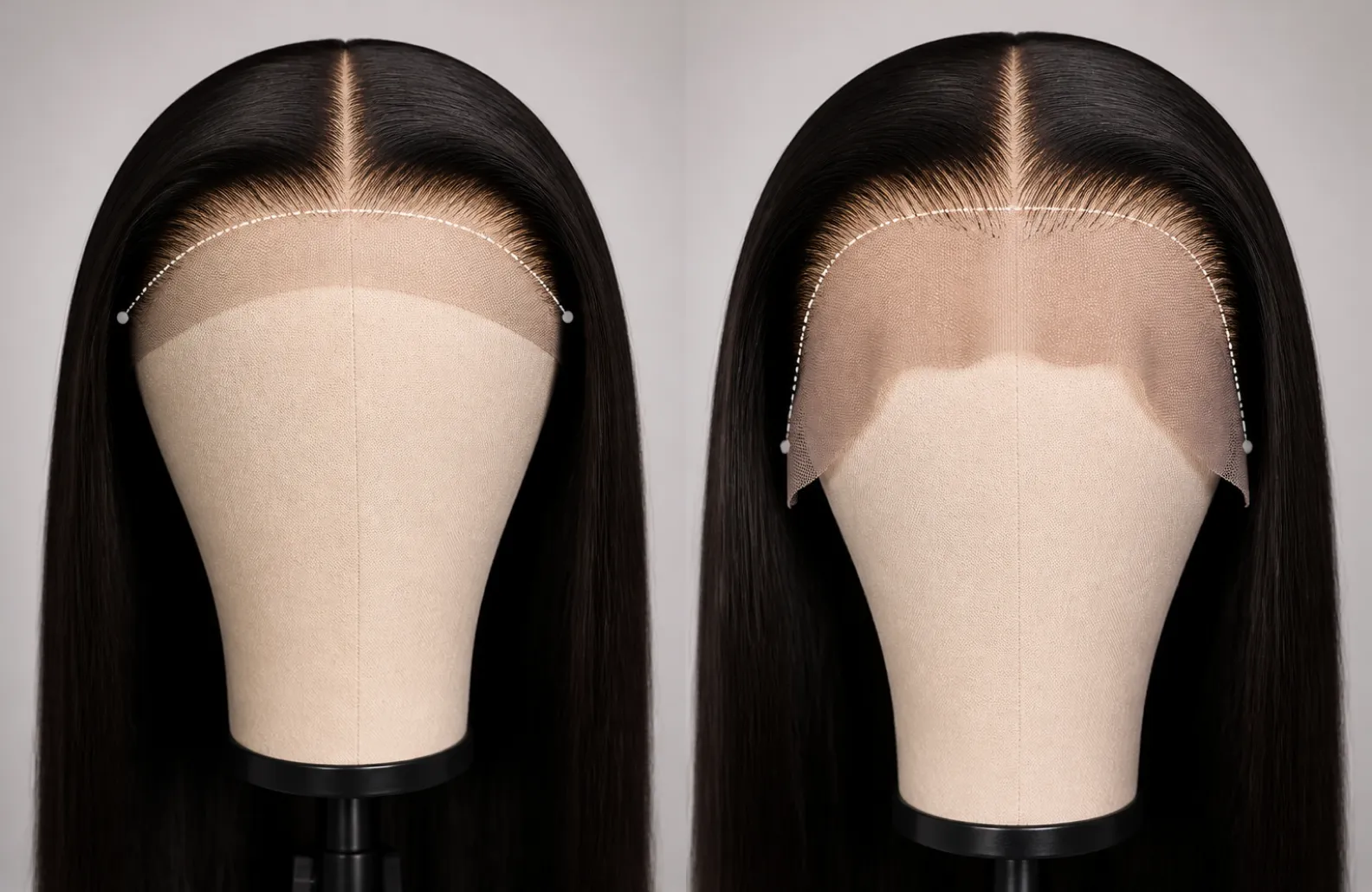
The Architecture of Full Lace Units
Full lace caps discard machine wefts entirely. The foundational structure is a continuous matrix of Swiss or HD lace spanning the entire scalp, combined with strategic stretch panels for sizing flexibility. Every single fiber is hand-tied.
Engineering and Application: Because there are no rigid tracks or wefts, the hair can be parted anywhere and styled omnidirectionally—including high, tight ponytails and complex braiding—without exposing the cap interior. This provides maximum styling versatility and superior scalp breathability.
Manufacturing and B2B Sourcing: Full lace wigs represent the premium tier of wig manufacturing. A single unit requires 30 to 40 hours of skilled ventilation labor. Consequently, these units carry the highest wholesale procurement costs and longest production lead times. Distributors must reserve these units for luxury retail segments, professional theatrical use, or specialized medical applications.
Ventilation Quality Control and Knot Dynamics
The structural integrity of any lace unit relies entirely on knot management. When auditing samples, procurement officers must invert the cap and examine the knot architecture under magnification.
- Single vs. Double Knots: Premium factories utilize single-split knots at the extreme front hairline (the first 0.5 to 1 inch) to ensure the knots remain microscopic and invisible against the skin. Behind the hairline, factories switch to double knots to provide the mechanical tensile strength necessary to withstand daily brushing and styling friction.
- Bleaching Protocols: Unbleached dark knots create an artificial grid pattern on the scalp. Factories must apply mild chemical bleach to the hand-tied roots to lighten the knots. Over-bleaching chemically degrades the lace matrix and breaks the hair shafts, resulting in immediate shedding during retail wear. Buyers must verify the bleach processing during QC audits.
Wholesale Cost Matrix and Retail Margins
The factory-gate price of a wig scales non-linearly with the area of the lace matrix. The pricing formula is driven heavily by manual labor rather than raw material. A 13x6 frontal requires exponentially more ventilation hours than a 4x4 closure. However, retail pricing strategies offset this cost disparity.
Consumers demonstrate a willingness to pay steep premiums for styling versatility. A well-constructed 13x6 frontal unit often yields a higher gross profit margin percentage for the retailer than a basic 4x4 closure, despite the higher initial B2B acquisition cost. Buyers must balance their container loads with a mix of fast-turning closures for cash flow and high-margin frontals for profitability.
Bonecraft Manufacturing Specifications
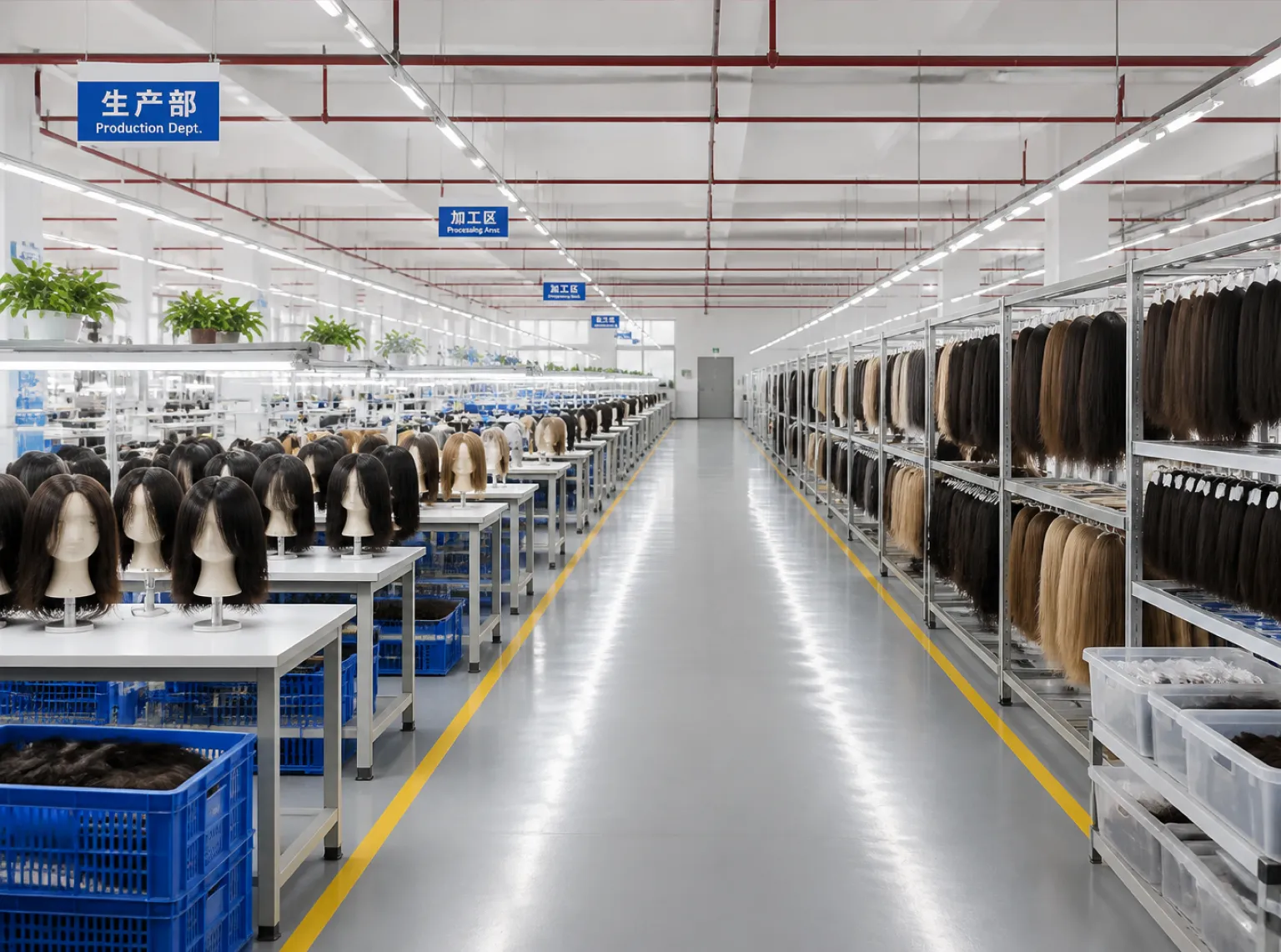
Operating under the Bonecraft manufacturing umbrella, the Raysman facility engineers precise cap architectures tailored for global B2B distribution. Our production lines segregate machine-wefting and hand-ventilation workflows to ensure strict quality control. We utilize genuine HD and Swiss lace matrices, enforcing transitional density parameters and precise knot bleaching across our closure, frontal, and full lace collections. Procurement teams seeking reliable OEM execution or private label ODM scaling can evaluate our structural specifications and initiate sample requests through our direct wholesale program.
-

Raysman
Synthetic Wig Manufacturer
Raysman is a Zhejiang-based synthetic wig manufacturer specializing in party, costume, and fashion color wigs — producing over one million pieces a year from our 10,000 m² Longyou facility. We are BSCI, ISO 9001, and OEKO-TEX Standard 100 certified, and a designated supplier to Disney and Walmart.