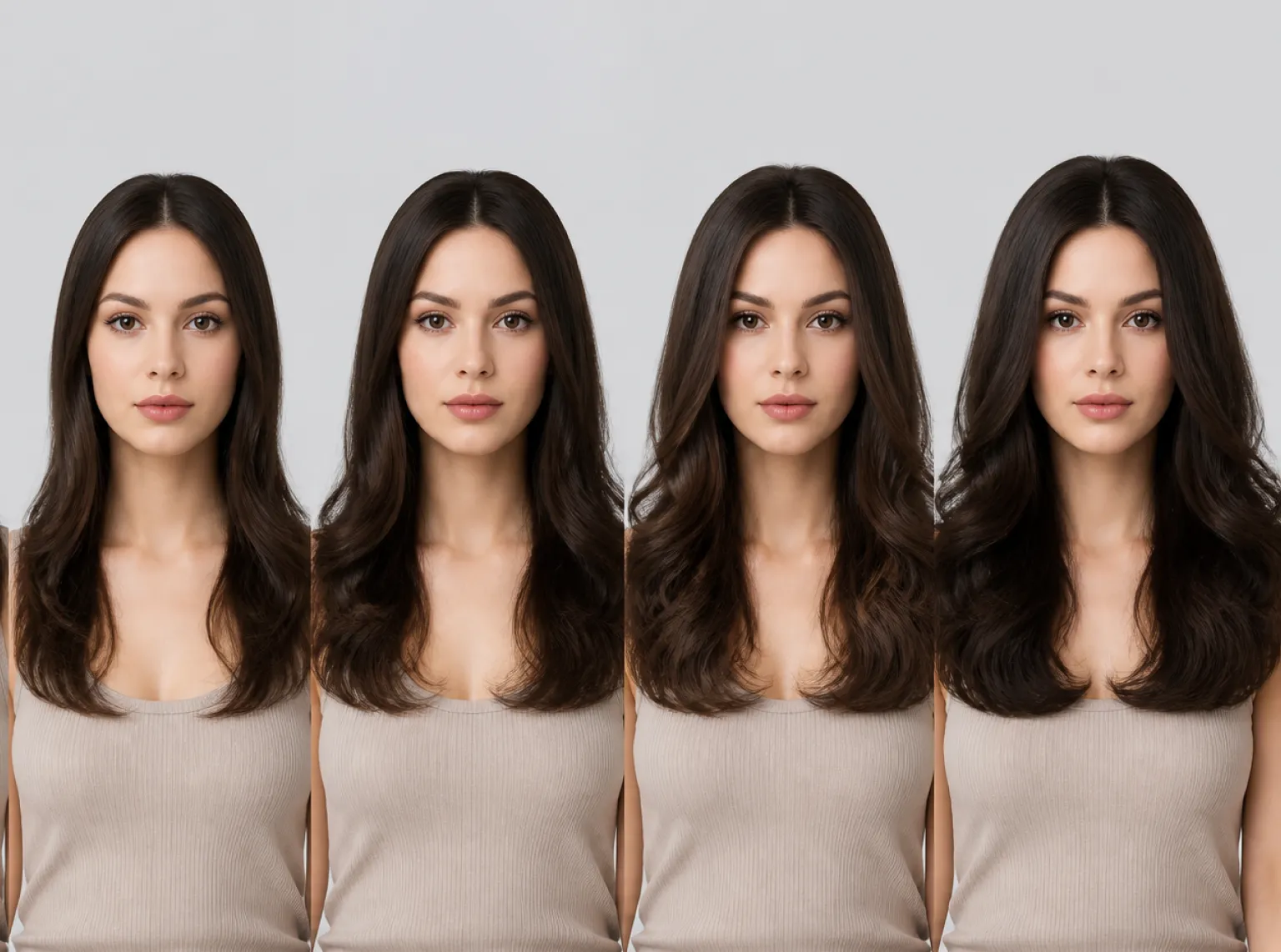

In commercial wig manufacturing, subjective descriptors such as "thick" or "voluminous" are invalid metrics for procurement. The global supply chain standardizes hair volume through a strict percentage scale, representing the total mass of hair fiber ventilated and wefted onto the cap matrix relative to a baseline human scalp. For B2B buyers, regional distributors, and salon procurement teams, specifying exact density parameters (typically ranging from 130% to 250%) is mandatory. Incorrect density specifications lead to cap distortion, accelerated lace tearing, structural failures, and misaligned retail pricing. This technical guide details the mechanical engineering of cap loads, the physics of fiber specific gravity, and the cost implications associated with varying wig density percentages.
The Standardized Density Scale: 130% to 250%
Wig density is a volumetric measurement, not a measurement of individual fiber thickness (denier). A factory can utilize highly fine denier fibers packed tightly to achieve high density, or thick denier fibers spaced further apart. The percentage scale standardizes the final target volume.
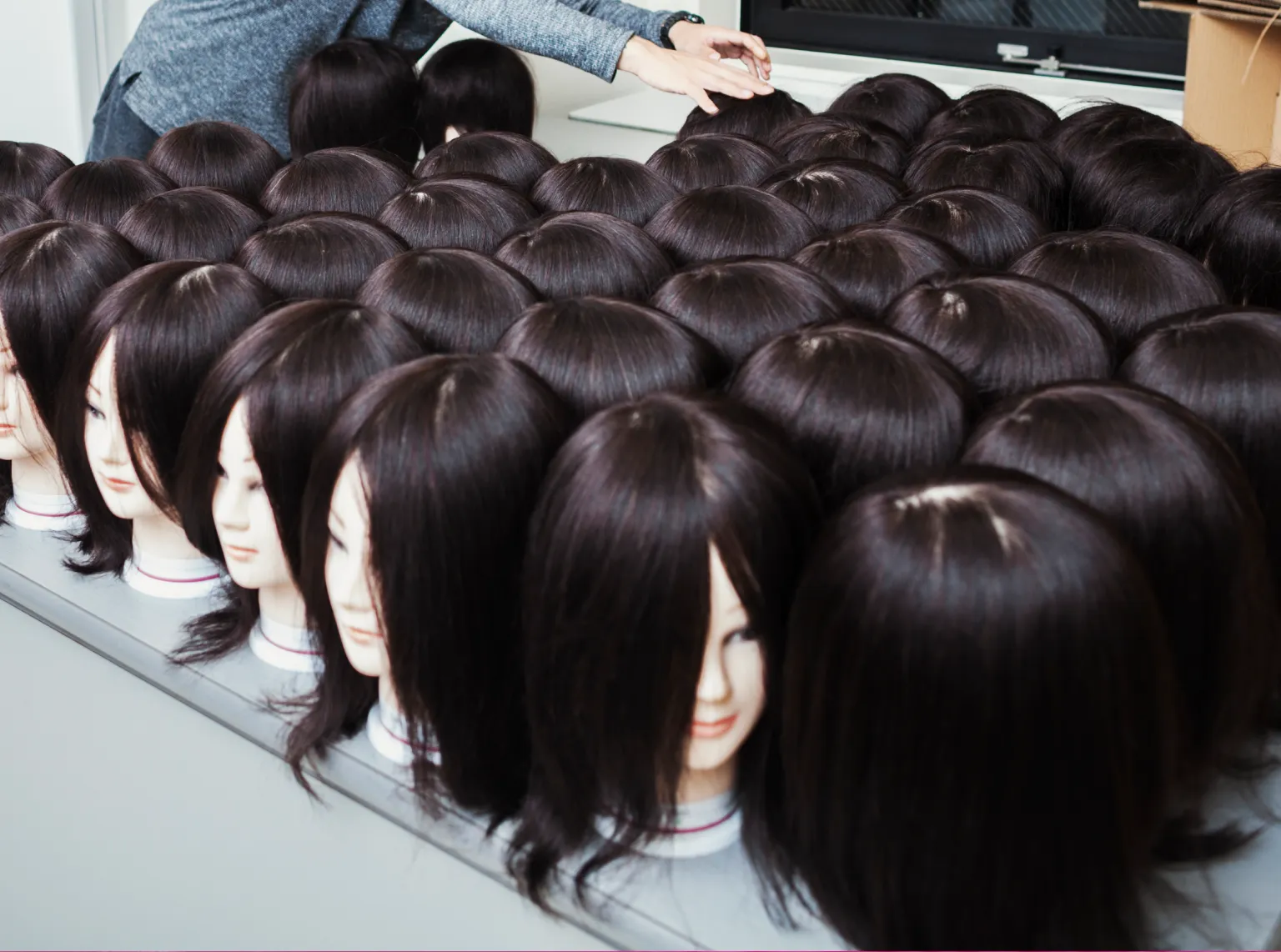
130% Density (Light to Standard): This metric replicates the average density of a natural human scalp. It provides a highly realistic, flat-laying silhouette. At the factory level, 130% density requires the least raw material (typically 120 to 140 grams for a 14-inch unit) and minimal hand-tying labor. This density is the mandatory standard for medical cranial prosthetics, daily-wear bob wigs, and units designed for older demographics where extreme volume appears artificial.
150% Density (Medium-Heavy): The 150% metric serves as the baseline standard for the contemporary retail and fashion wig market. It offers a fuller appearance than natural human growth without exerting excessive mechanical stress on the cap matrix. It is the optimal specification for long, straight synthetic units or gentle body waves, balancing realistic movement with sufficient volume to conceal the internal weft tracks effectively.
180% Density (Heavy): Units calibrated to 180% density are engineered for maximum visual impact. This volume requires significant raw material (often exceeding 220 grams depending on length) and dense machine wefting. Procurement teams should specify 180% density when ordering highly textured units, long curly wigs, or specialized fashion units where the retail consumer expects a dramatic, high-glamour aesthetic. However, this density increases the thermal retention of the cap, reducing scalp breathability.
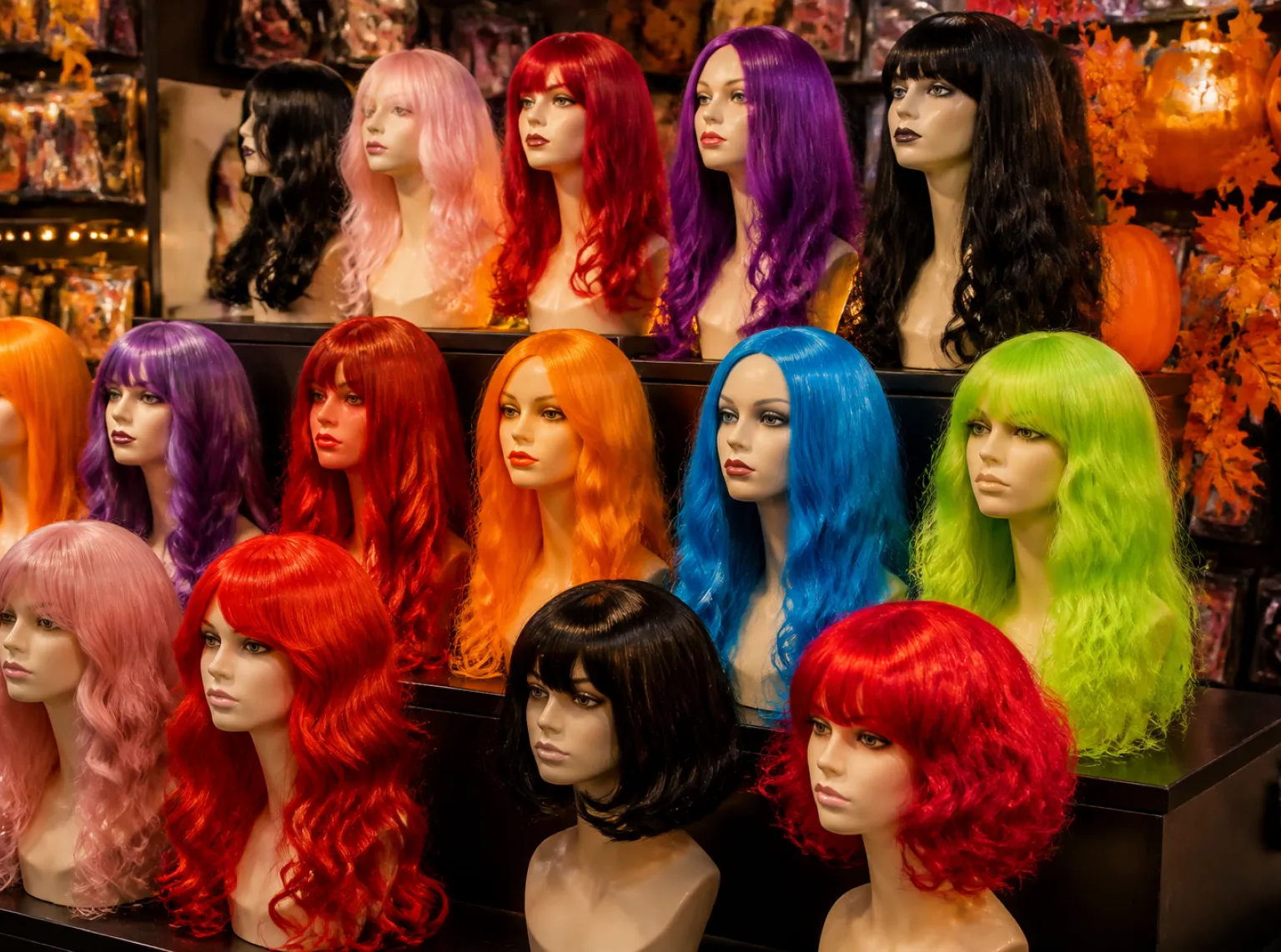
200% to 250% Density (Theatrical/Maximum Load): These extreme densities push the mechanical limits of the cap architecture. A 250% density unit is exceptionally heavy, often requiring specialized reinforced mesh bases and heavy-duty adjustable tension bands to prevent the wig from shifting under its own weight. This specification is strictly reserved for professional theatrical applications, cosplay, and specialized drag queen wigs where exaggerated volume is the primary requirement.
Cap Architecture and Structural Load Limits
Density is not an independent variable; it must be precisely calibrated against the structural integrity of the cap matrix. A severe failure point in B2B procurement occurs when buyers order maximum density on highly delicate cap materials.
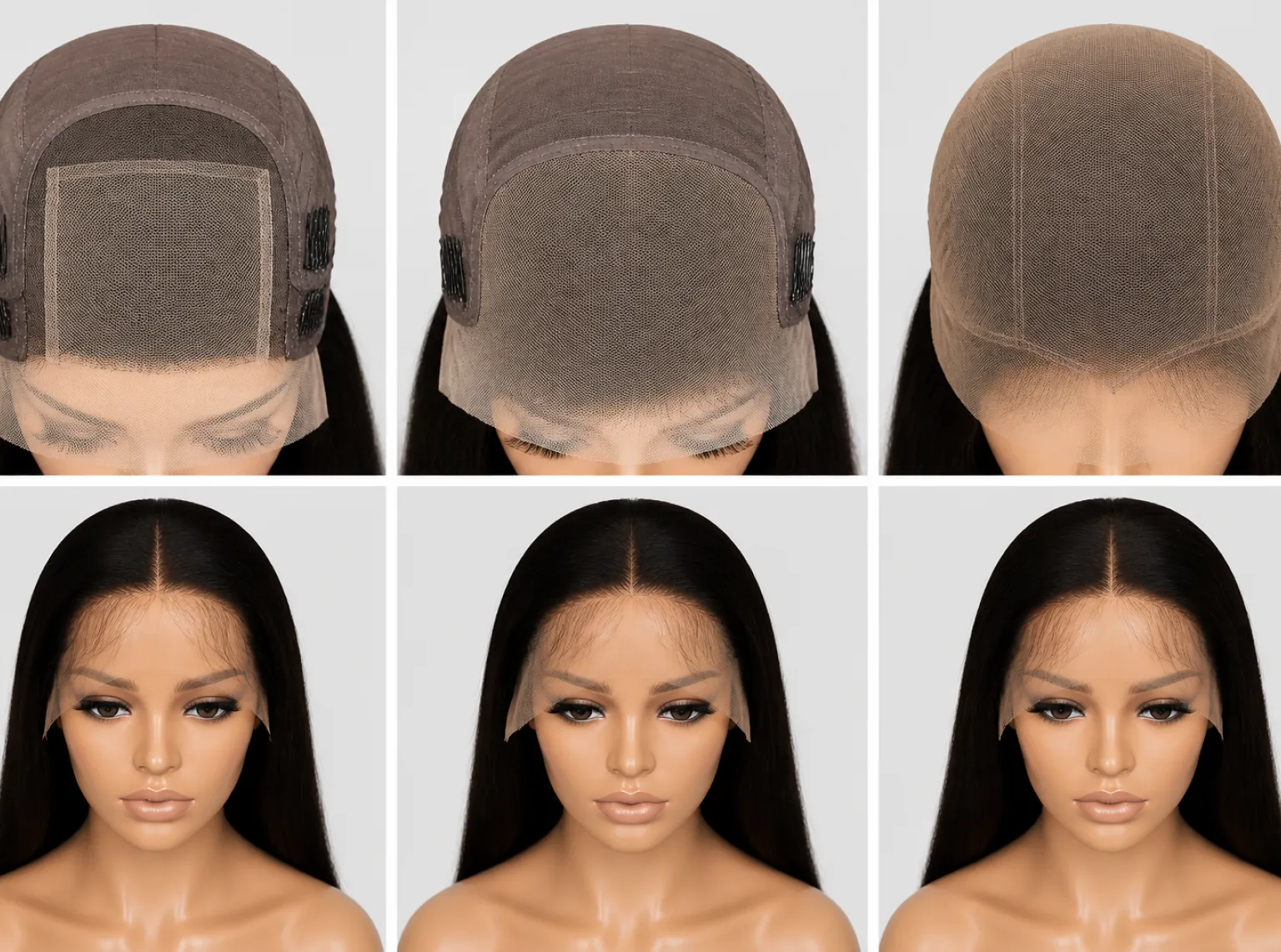
High Definition (HD) lace is extruded at an extremely fine denier to ensure invisibility against the skin. Consequently, HD lace possesses low tensile strength. If a factory attempts to ventilate a 180% or 200% density load directly into a large HD lace frontal matrix, the physical weight and mechanical friction of the hair bundles will cause the lace to stretch, warp, and tear prematurely at the parting space. Premium manufacturing protocols dictate that extreme densities must be supported primarily by the machine-wefted tracks at the rear of the cap. The delicate hand-tied lace matrix at the front must be kept at a manageable density to preserve its structural lifespan.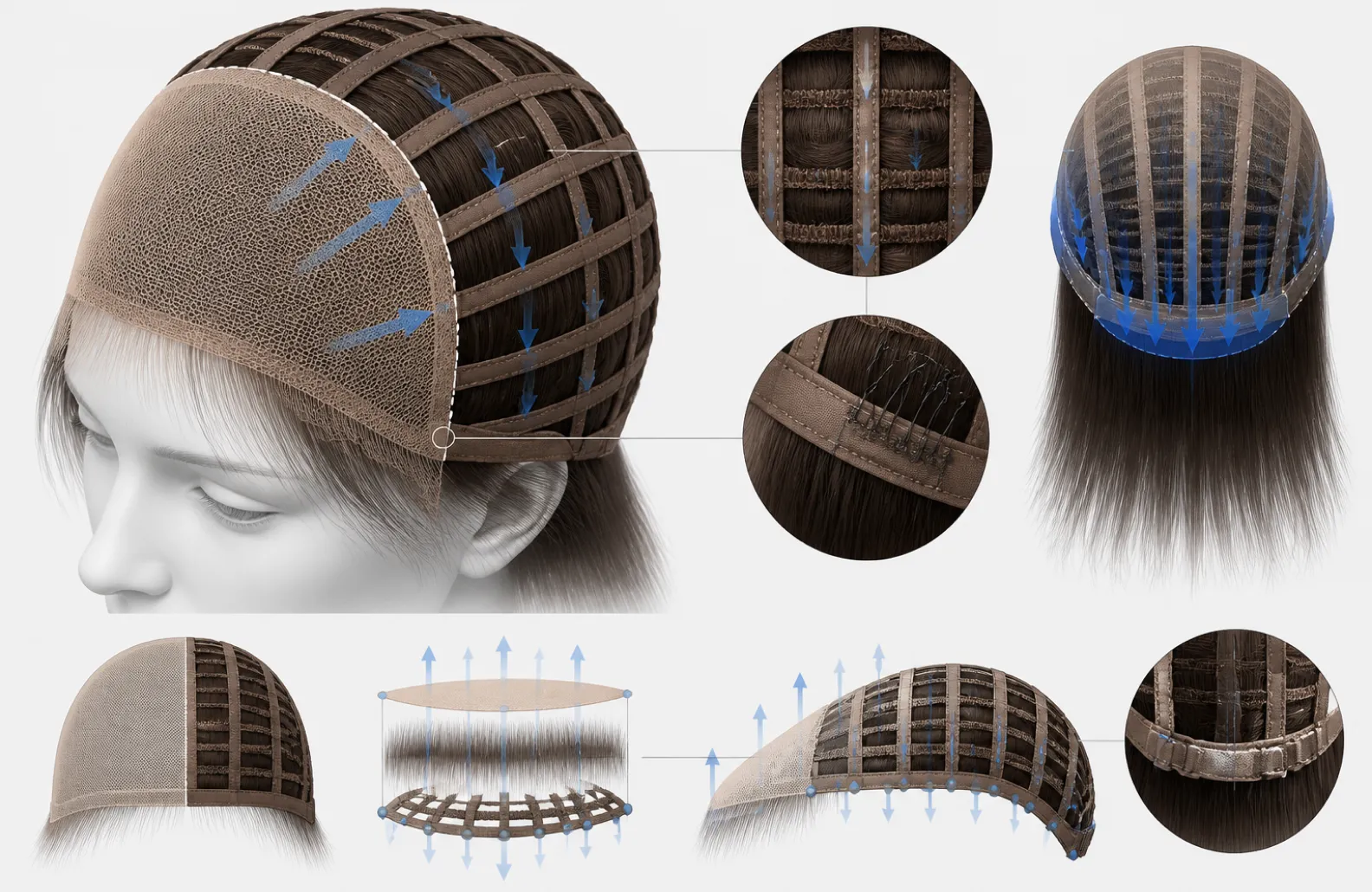
Gradient Density Engineering at the Hairline
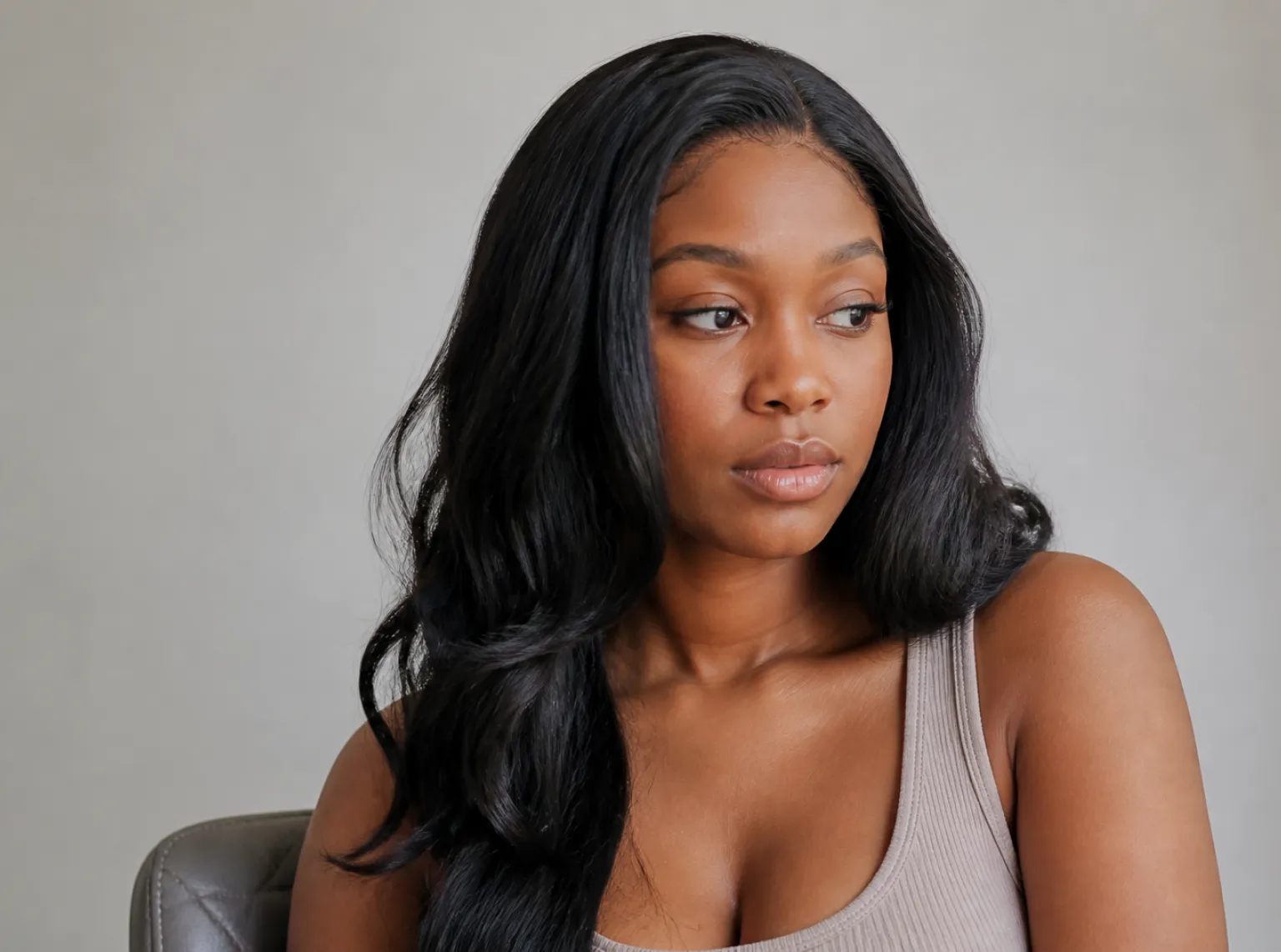
The most critical engineering component of a high-density lace wig is the hairline transition. A common manufacturing defect in low-tier factories is uniform density distribution. If a 180% density unit maintains that exact density to the extreme front edge of the lace, the hair forms a solid, wall-like barrier against the forehead. This is colloquially known in the industry as a "helmet hairline," rendering the unit unsellable in the premium retail market.
To solve this, advanced production lines implement gradient density engineering. Regardless of the target overall density (e.g., 180%), the factory must ventilate the first 0.5 to 1 inch of the anterior hairline at a sparse 80% to 90% density. Behind this transitional zone, the density scales up gradually—moving to 110%, then 130%, and finally integrating into the 180% target density at the crown. This gradient plucking mimics the natural fragility of human baby hairs and temple growth patterns, allowing the high-density unit to look entirely natural at the point of adhesion.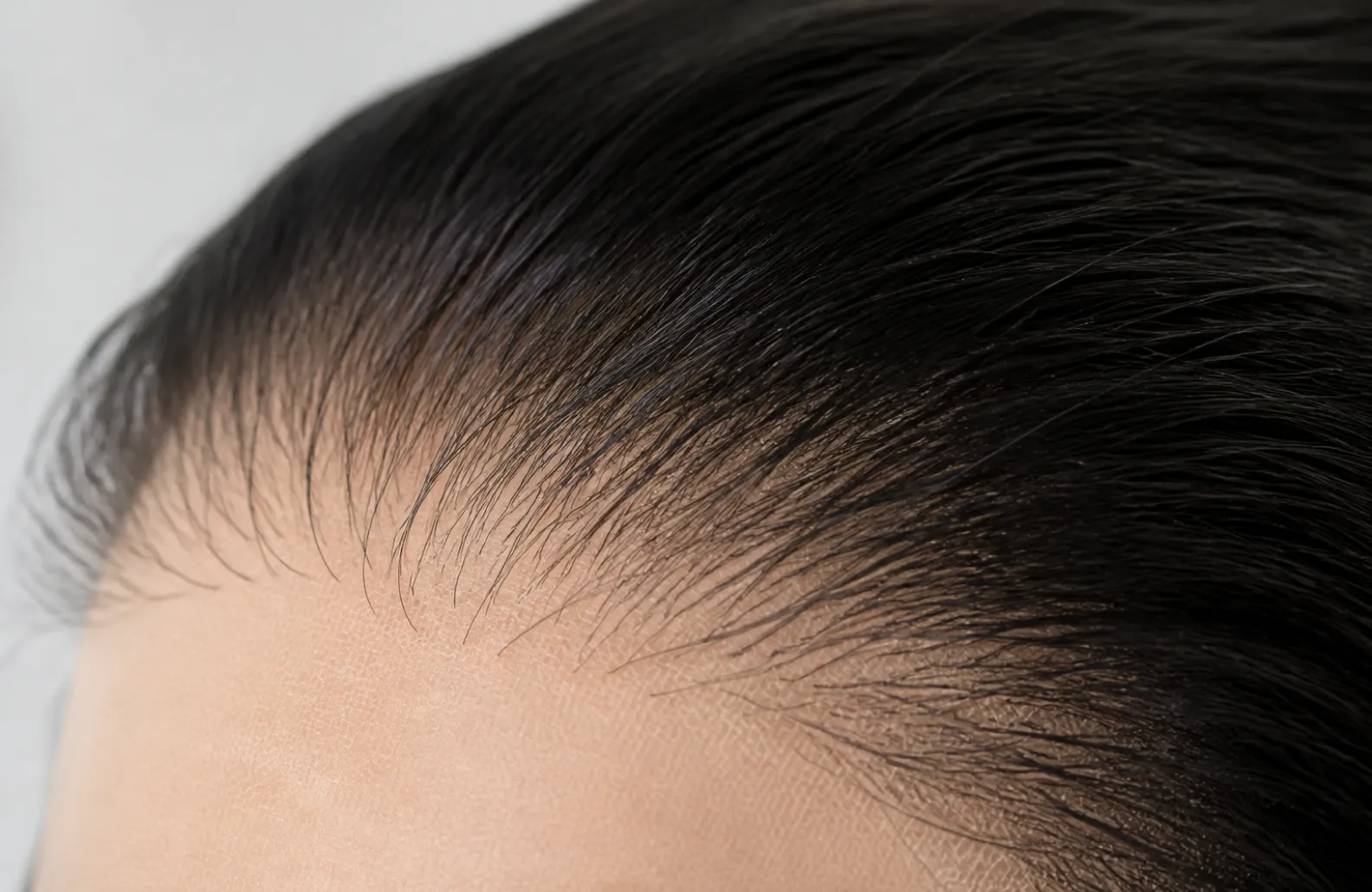
Fiber Specific Gravity and Visual Volume
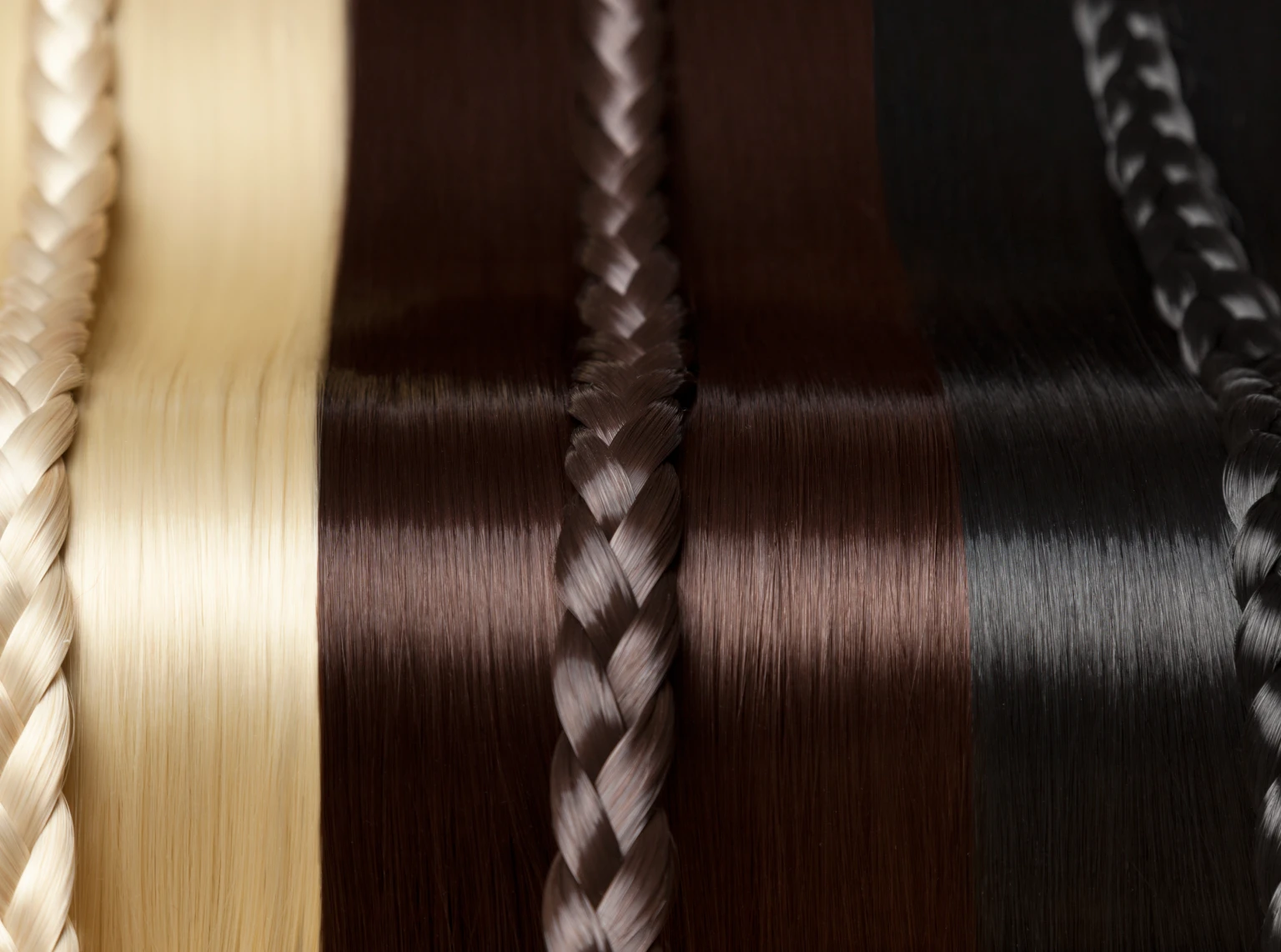
When sourcing synthetic inventory, B2B buyers must understand the relationship between polymer chemistry and density specifications. Different synthetic polymers possess different specific gravities (weight per cubic centimeter).
Modacrylic fibers (such as Kanekalon) have a low specific gravity, making them highly voluminous and lightweight. Polyethylene Terephthalate (PET) high-temperature fibers have a higher specific gravity; they are physically heavier and lay flatter. Therefore, if a factory uses exactly 200 grams of Kanekalon on one cap and 200 grams of PET on another, the Kanekalon wig will appear significantly thicker and exhibit more visual density. Buyers switching a product line from modacrylic to high-temperature PET must often increase the density specification (e.g., moving from 130% to 150%) to maintain the same visual volume they previously achieved, thereby increasing the total physical weight of the unit.
Wholesale Cost Implications and Margin Analysis
Density directly dictates factory-gate pricing through two vectors: raw material consumption and ventilation labor hours.
In machine-wefted sections, cost scales almost linearly with material weight. Upgrading a baseline unit from 130% to 150% density involves sewing an additional 30 to 40 grams of fiber onto the tracks, representing a minor increase in unit cost. However, in hand-tied lace areas, density upgrades scale costs exponentially due to manual labor. Ventilating a frontal matrix to 180% requires thousands of additional microscopic hand-knots, extending production time by several hours per unit. Furthermore, heavy densities increase the volumetric weight of the final packaging, directly impacting dimensional shipping costs (DIM weight) for international air freight.
Despite the higher acquisition and shipping costs, high-density units generally support disproportionately higher retail markups. The modern consumer equates high hair density with premium quality. Distributors can effectively leverage 180% density models as their top-tier, high-margin anchor products, while utilizing 130% and 150% models to capture price-sensitive market segments.
Bonecraft OEM Density and Tension Standards
Precision cap load engineering is the foundation of the Bonecraft manufacturing process. We reject the standard industry practice of uniform density plotting. Every lace unit processed on our floors—whether it is a standard 130% daily wear piece or a 250% theatrical custom order—undergoes strict gradient density ventilation at the hairline to ensure retail readiness. We calculate specific gravity differentials when transitioning clients between modacrylic and PET fibers, ensuring consistent visual volume across all polymer types. Our engineering team designs custom structural reinforcements for extreme density orders, utilizing double-lined Swiss lace and heavy-duty occipital tension bands to prevent cap distortion. B2B buyers seeking precision density calibration for their private label collections can submit technical blueprints and initiate TOP sampling through our wholesale program.
-

Raysman
Synthetic Wig Manufacturer
Raysman is a Zhejiang-based synthetic wig manufacturer specializing in party, costume, and fashion color wigs — producing over one million pieces a year from our 10,000 m² Longyou facility. We are BSCI, ISO 9001, and OEKO-TEX Standard 100 certified, and a designated supplier to Disney and Walmart.