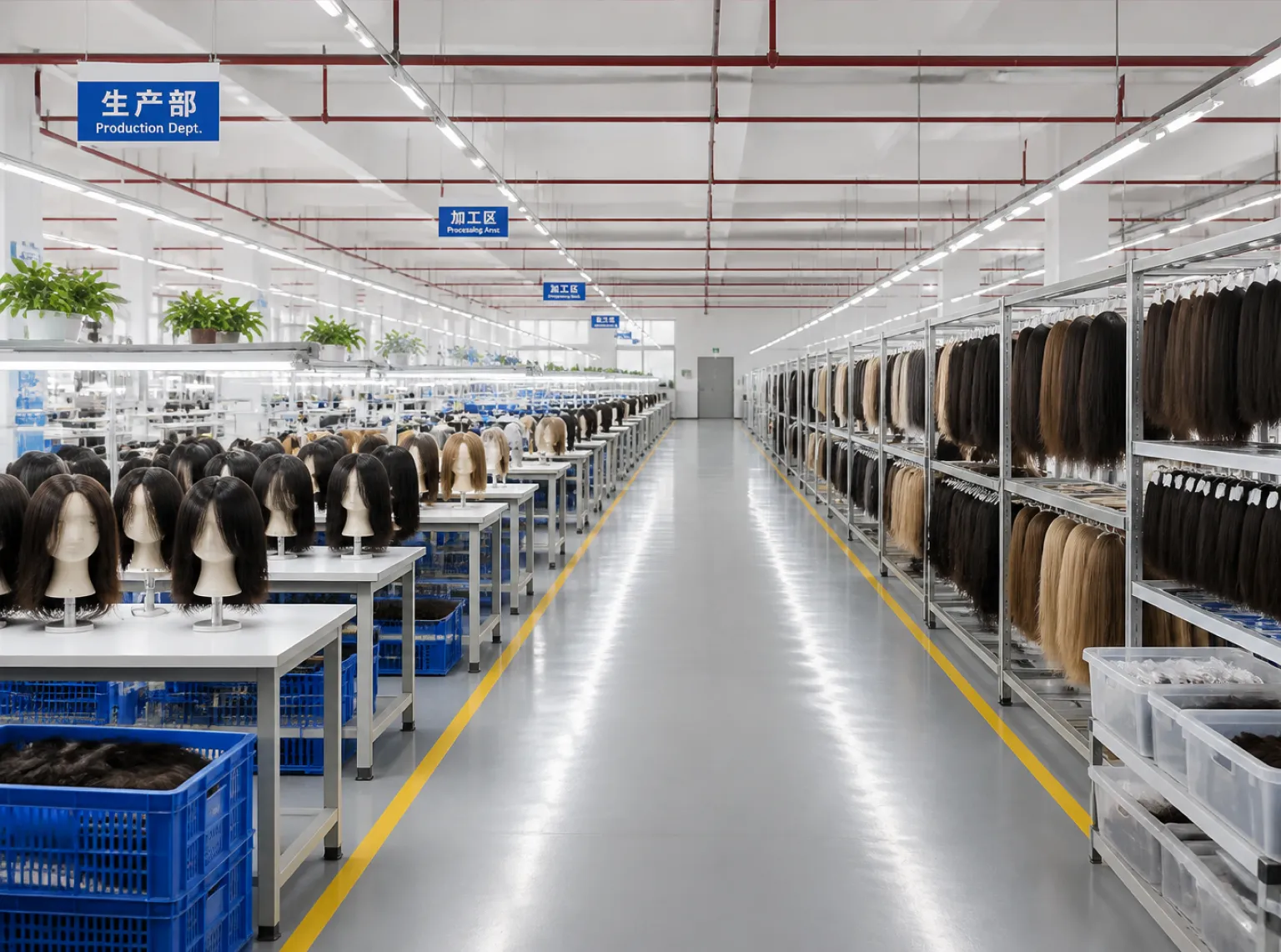

Most of the wig brands you see on Amazon, TikTok Shop, and salon shelves do not own a factory. They run on private label manufacturing: a factory makes the wig, the brand owns the label, the packaging, and the customer. The model is proven, but the projects that fail usually fail the same way — the buyer signed up for "OEM" without knowing what it commits them to, ordered too much of an unproven style, or skipped the spec work that keeps reorders consistent. We run private label and OEM/ODM wig programs for brands in the US, EU, and Japan. This guide is how those projects actually work.
The short version. Private label means selling a factory-made wig under your own brand. OEM means the factory builds to your design; ODM means you brand and adjust the factory's existing design. New brands do best starting with ODM or light private label on proven styles, keeping the first run small, and locking a gold sample before bulk. Expect about 3 days for a standard sample, roughly 30 days for mass production, and a bulk MOQ near 300 pieces per style at a real factory. The sections below walk through definitions, realistic numbers, and the mistakes that cost new wig brands money.
What Private Label, OEM, and ODM Actually Mean
Private label wigs are wigs produced by a third-party manufacturer and sold under the buyer's own brand name, with the buyer's logo, packaging, tags, and care cards. The factory stays invisible; the brand owns the customer relationship. OEM and ODM describe two ways to run that arrangement, and the difference comes down to one question: who designed the product.
OEM (original equipment manufacturer) means the buyer brings the design — the style, cap spec, color formula, density target — and the factory produces to that specification. You own the concept and the spec sheet. ODM (original design manufacturer) means the factory brings the design, and you select from its existing styles, then brand them, change colors, or adjust details. The factory owns the base design.
| Factor | OEM | ODM | Stock private label |
|---|---|---|---|
| Who owns the design | You | Factory | Factory |
| Customization depth | Full: style, cap, color, fiber | Moderate: color, length, density, packaging | Packaging and labeling only |
| Speed to market | Slowest: development + sampling rounds | Fast: sample in days | Fastest: ship from stock |
| Development cost | Higher: tooling, new patterns | Low | Lowest |
| Typical MOQ | Higher | Moderate | Lowest |
| Best for | Established brands, differentiated hero products | New brands, seasonal lines, trend testing | Resellers, salons, first-time buyers |
One caution from the factory side: wig suppliers use these terms loosely. Many programs sold as "OEM" are really modified ODM — a stock style with your colorway and lace choice. That is fine for most launches. For most launches that is fine. The real test is whether the final spec sheet is written down, agreed, and owned by you.
Which Model Fits Your Business
The right model follows where your business is today. Here is how the choice usually falls for the buyers we work with.
- New brand, first launch. ODM or stock private label. Pick proven styles in your niche, put your budget into packaging and content, and validate demand before you pay for custom development. A first launch of 2-4 styles beats a catalog of twelve unproven ones.
- Established brand with sales data. OEM for your hero products. Once you know what your customers reorder, a proprietary style or cap spec is worth the development cost, and a factory cannot sell your owned design to a competitor under a standard agreement.
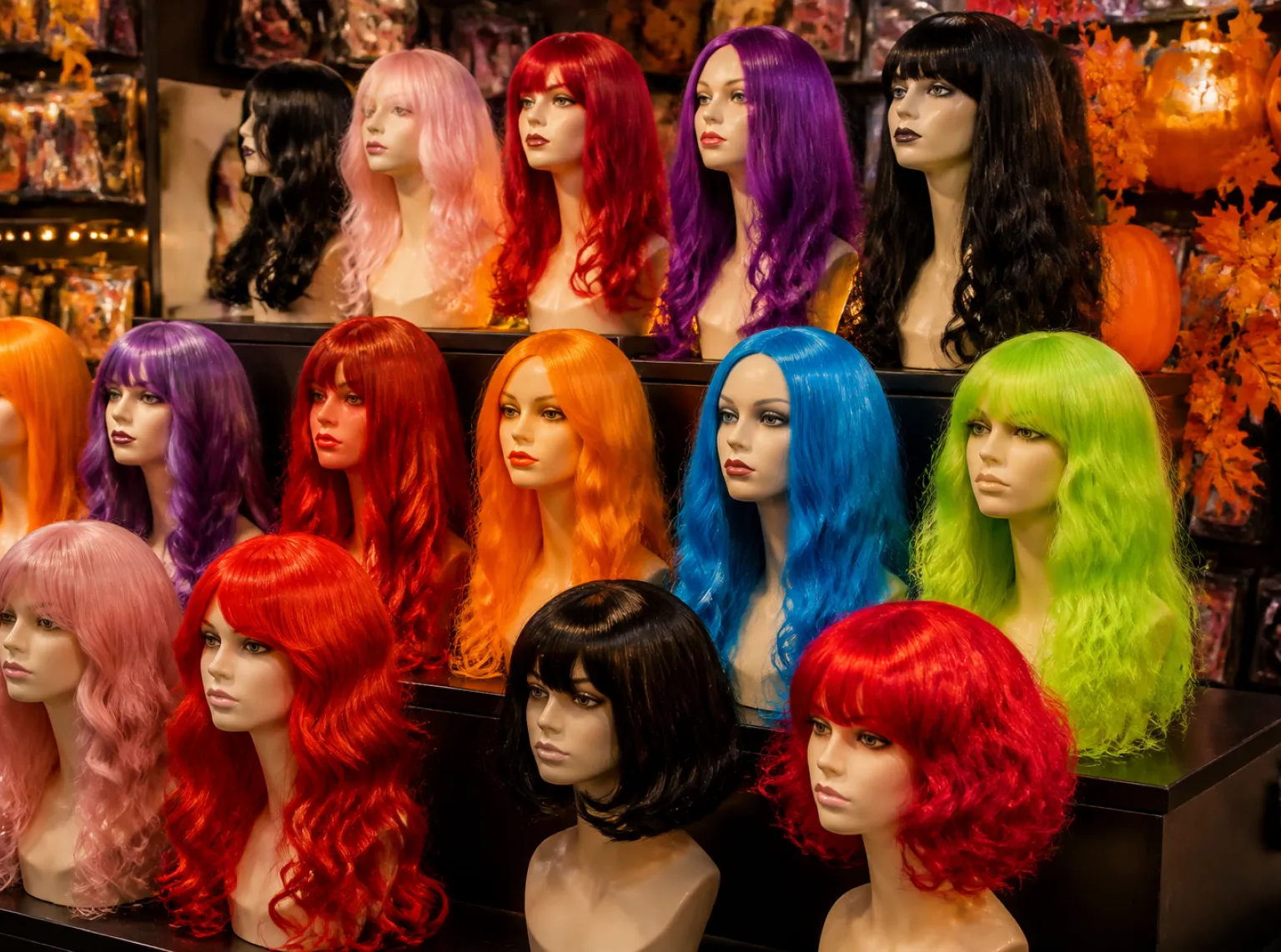
- Retailer with a seasonal line. ODM with custom colorways. Halloween and party ranges run on shade and theme, and a factory's existing constructions with your colors get you to market inside the season.
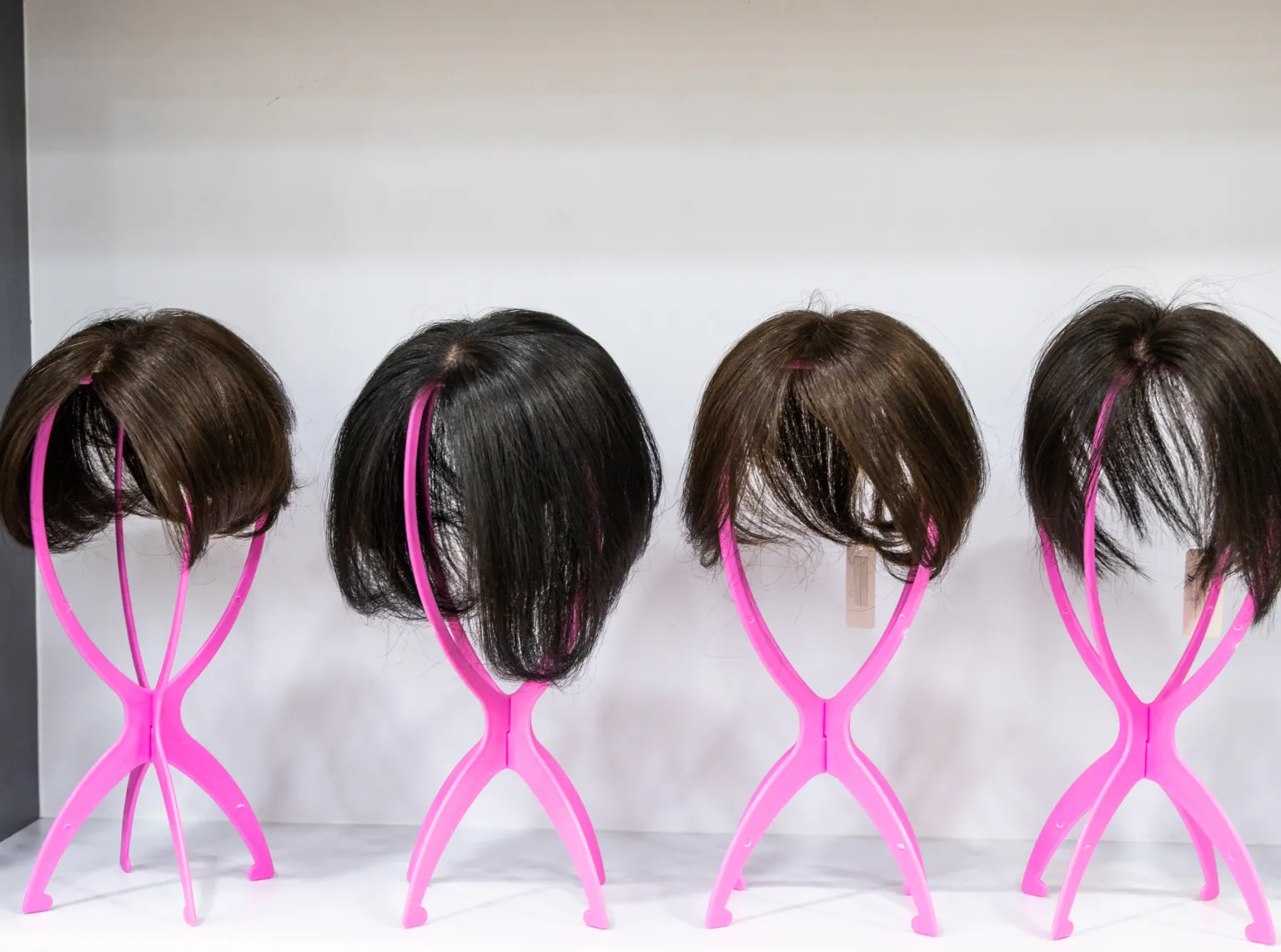
- Salon or boutique. Stock private label. Volume is modest, so keep customization to labels, boxes, and care cards, and choose constructions your clients already ask for, such as a lace front with a natural hairline.
- Online seller (Amazon, TikTok Shop). ODM with packaging differentiation. Listing photos and unboxing carry the conversion, so spend there rather than on custom tooling.
What You Can Customize in a Wig Program
Five levers cover nearly every wig customization brief. Knowing them before you request a quote keeps the conversation short and the sample right.
- Fiber and grade. Standard modacrylic for pre-styled fashion and costume pieces, heat-resistant fiber where the end customer will restyle, flame-retardant fiber for costume and children's lines. The grade sets the price floor and the marketing claims you can make. See the range on our synthetic wigs page.
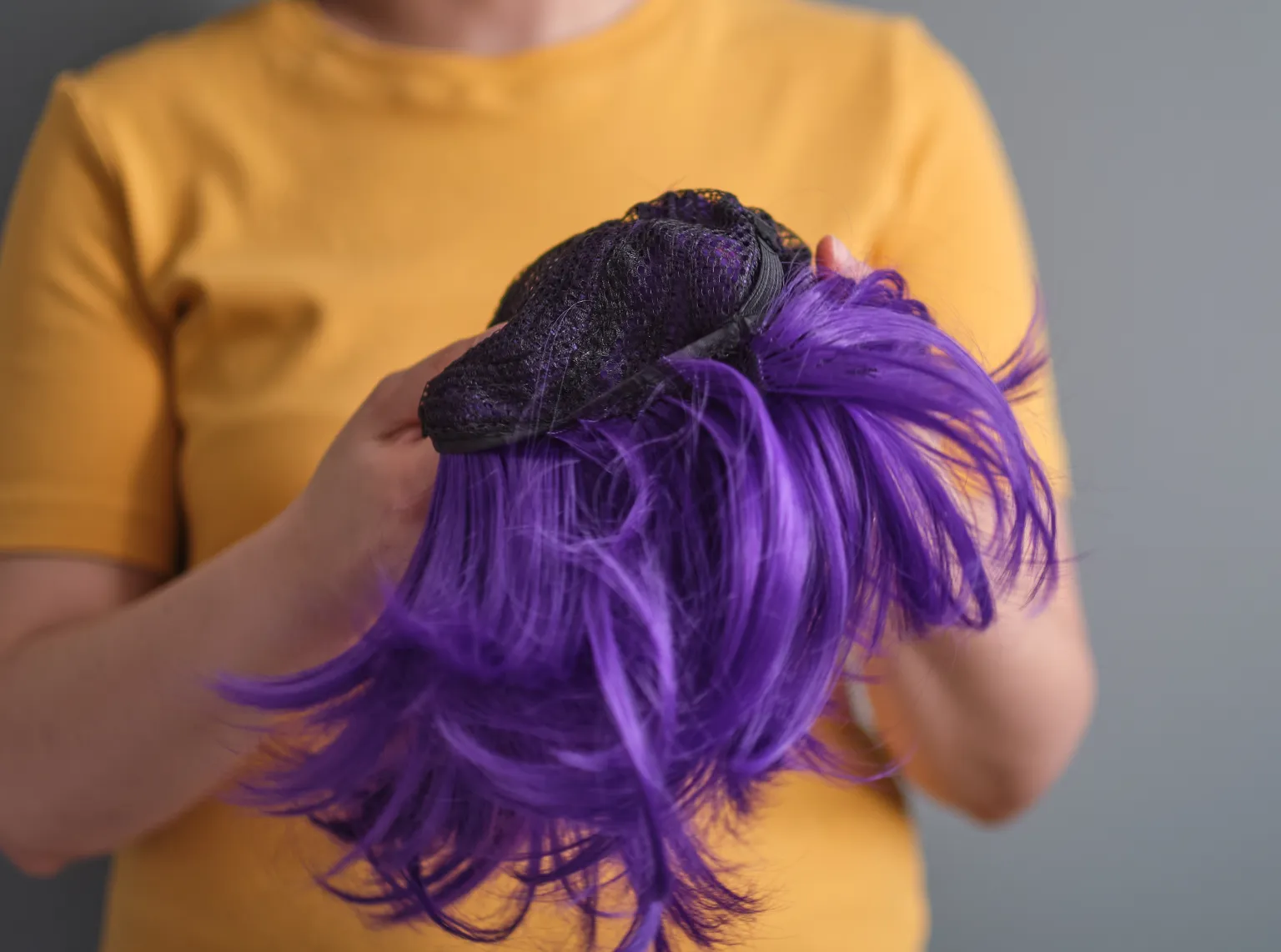
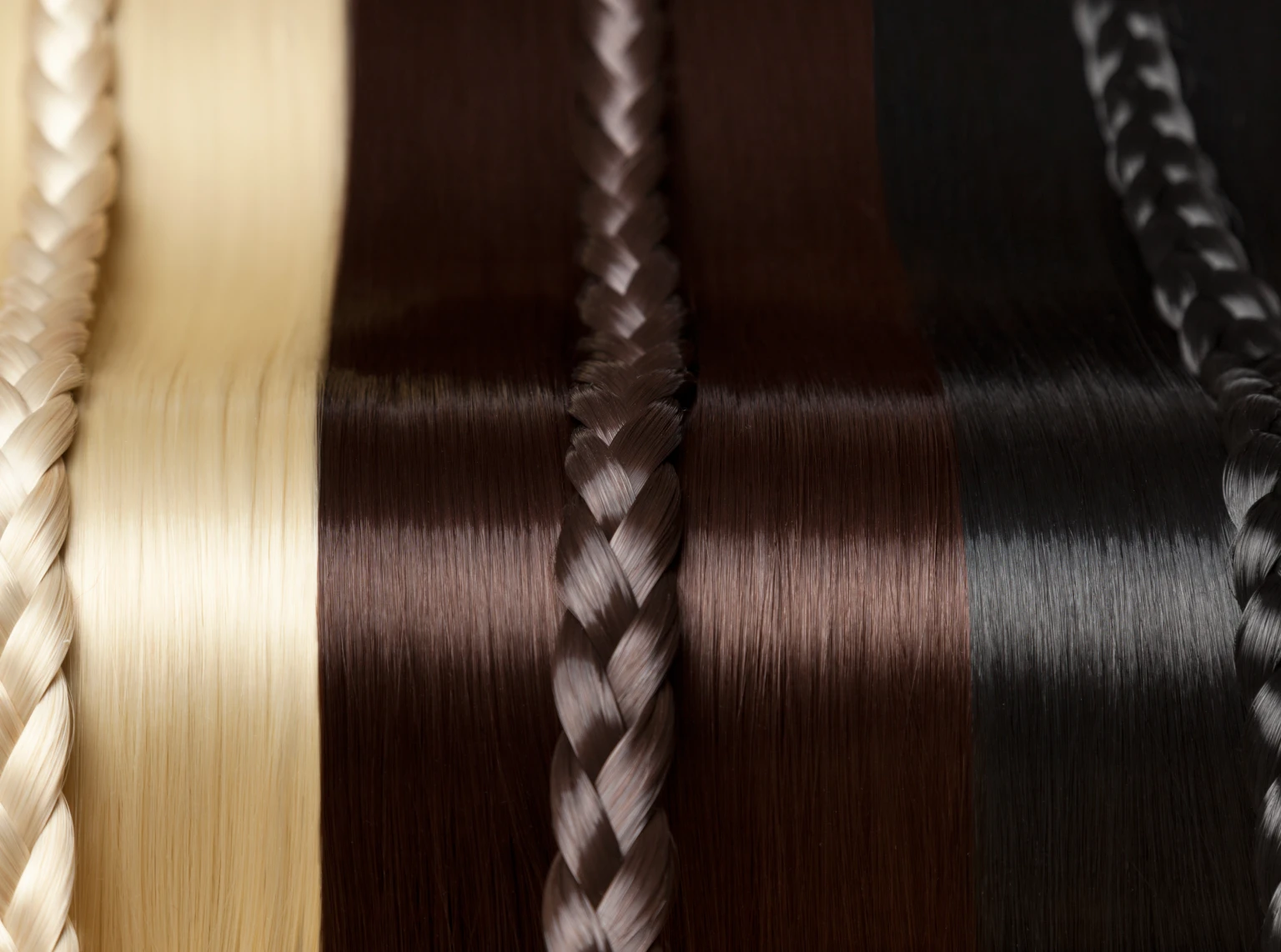
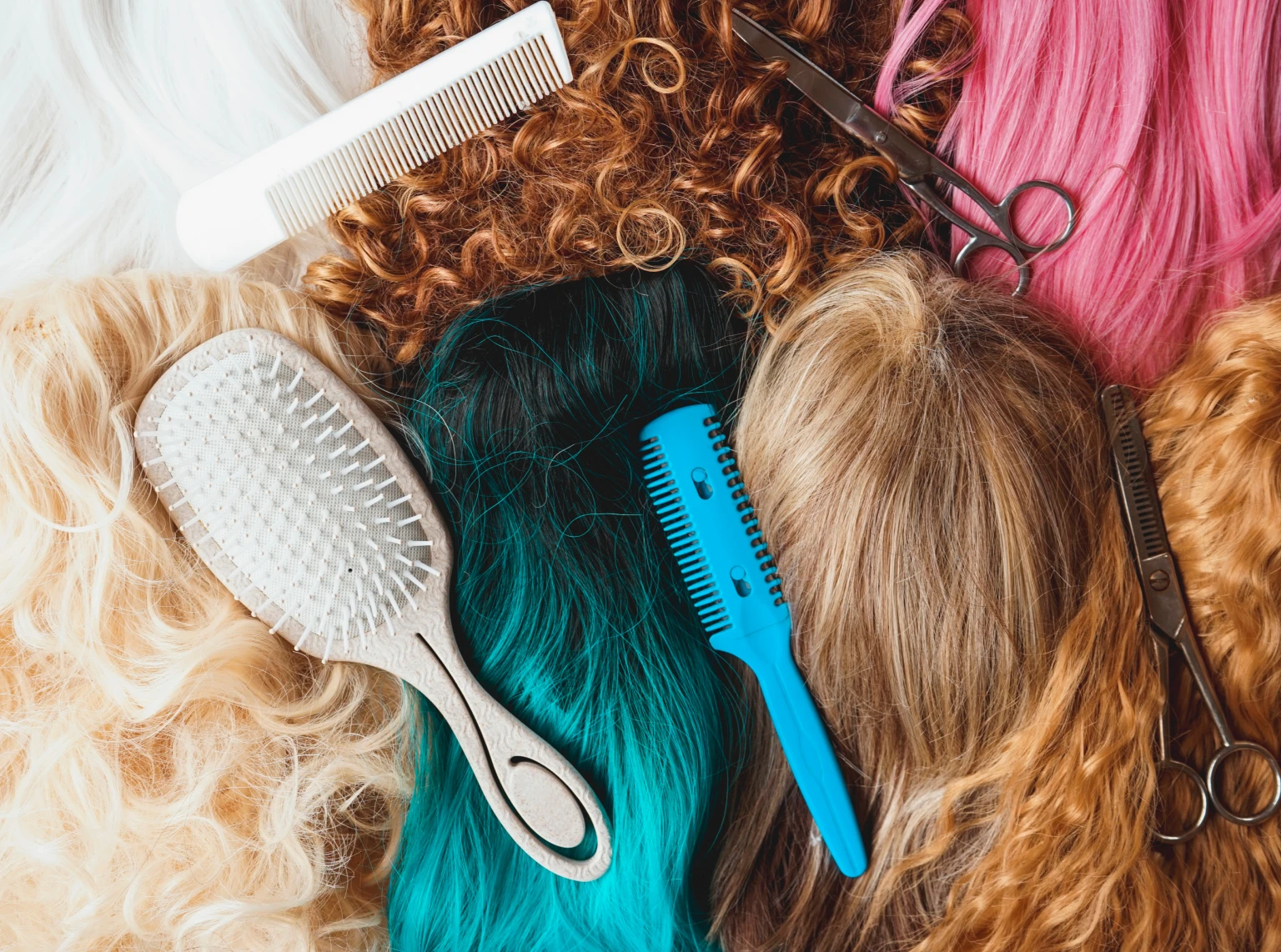
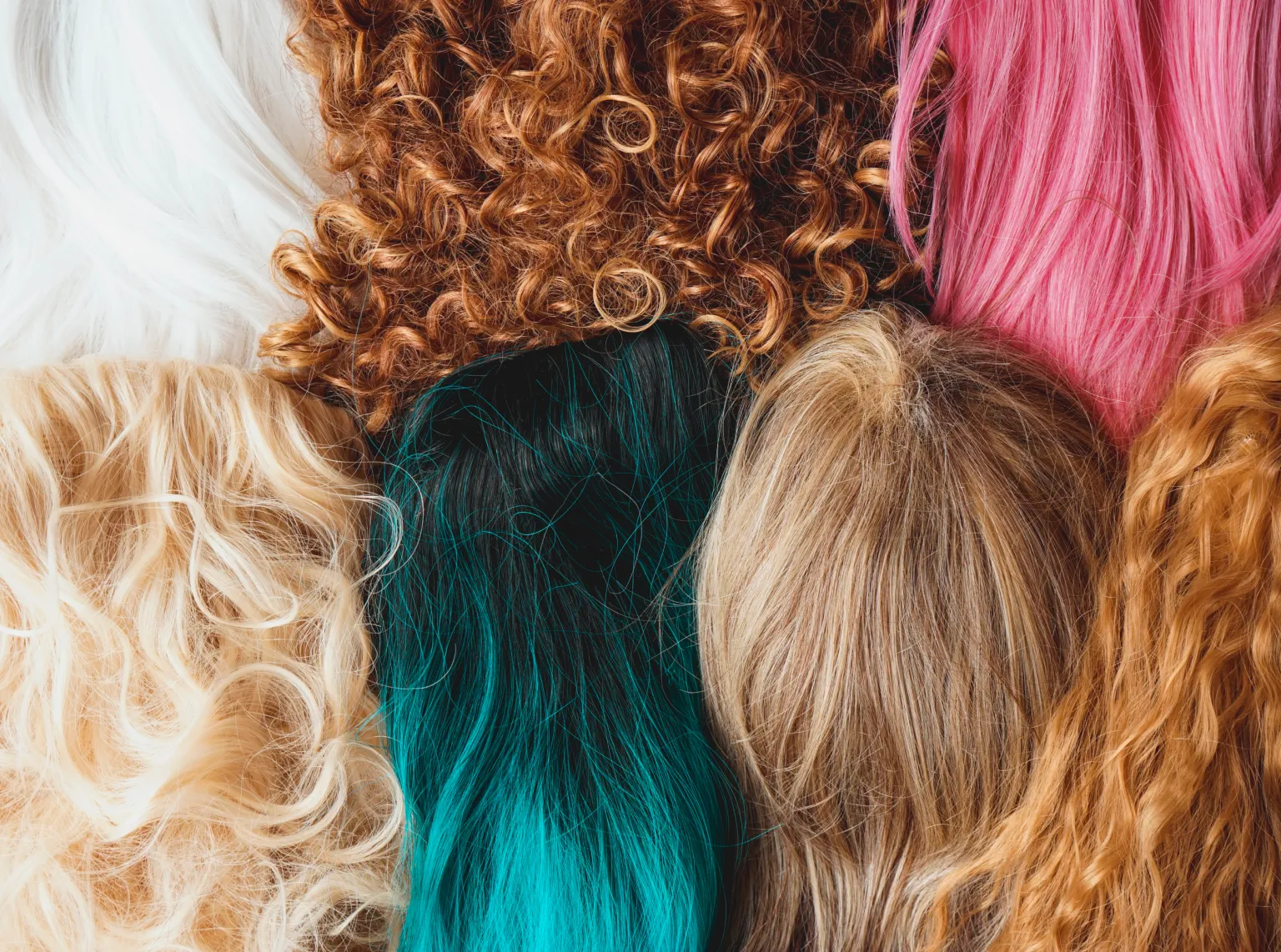
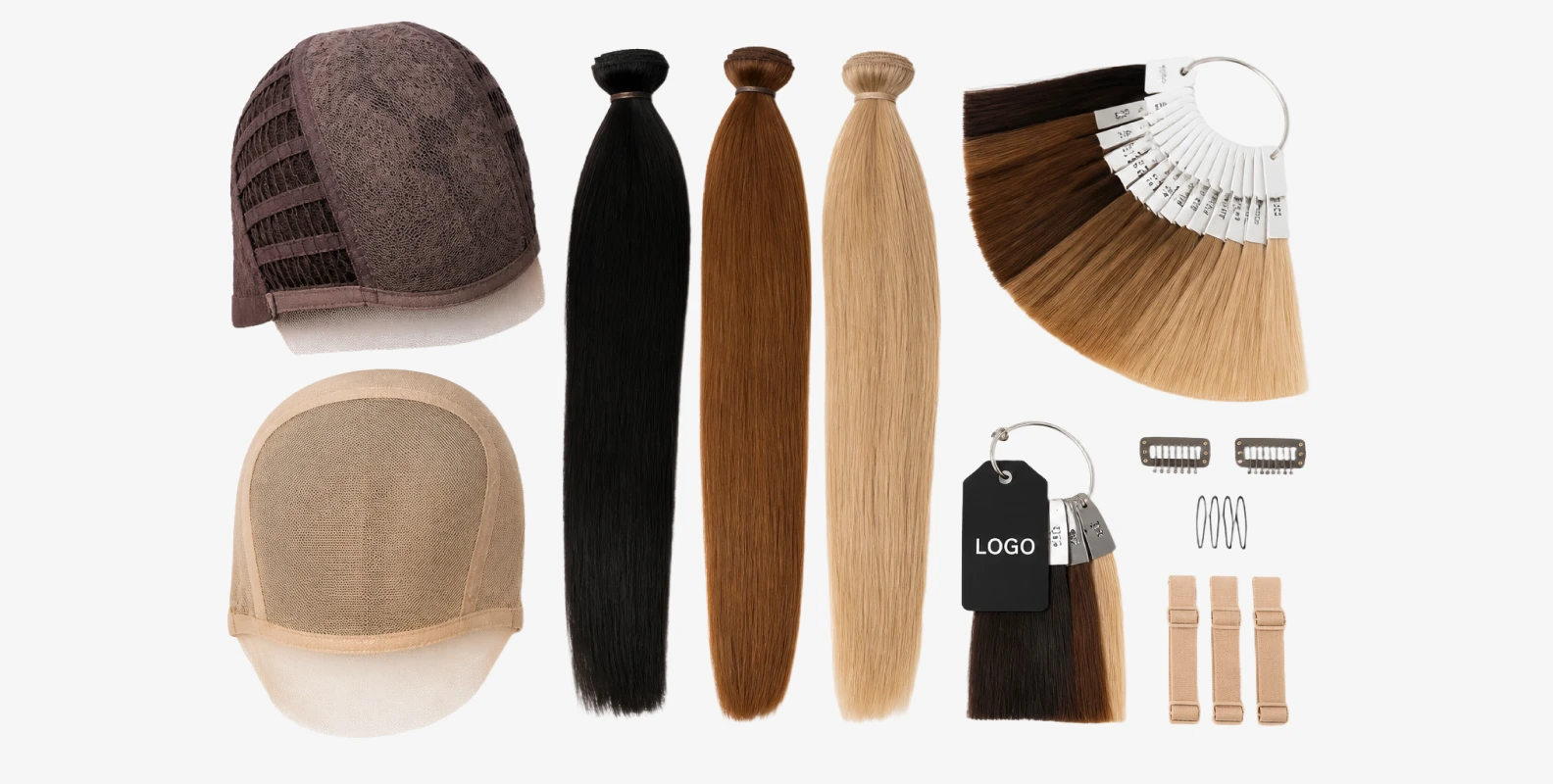
- Color. Custom shades, ombre and balayage blends, rooted colors, and split-color looks, matched to a swatch or a reference photo. In fashion synthetic, color is the highest-value customization you can buy: a factory's colored wig range shows what is already proven and what needs development time.
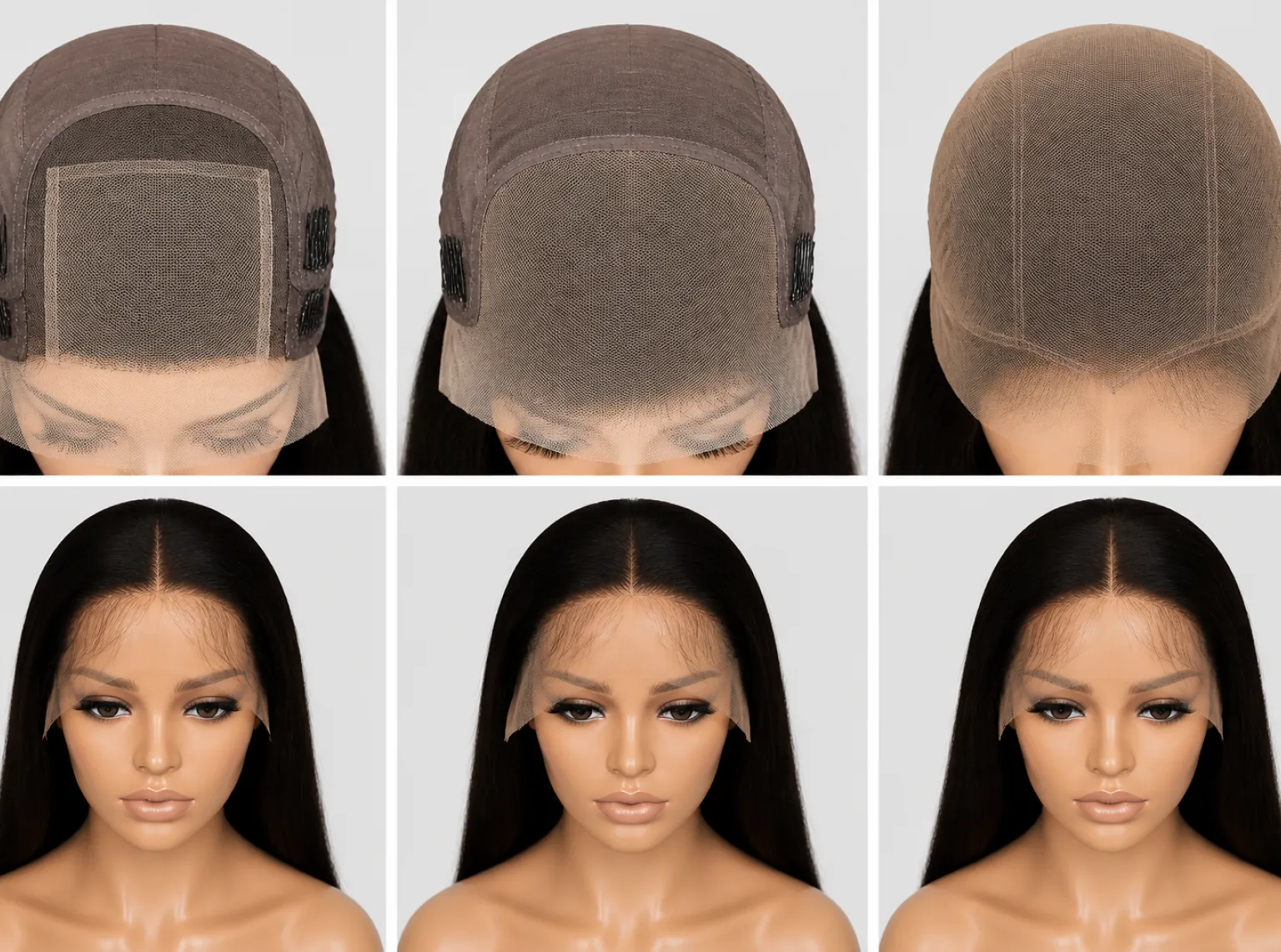
- Cap construction. Lace front, full machine weft, glueless, headband, or closure caps, plus lace type and lace color. Our wig cap construction guide covers the trade-offs by channel.
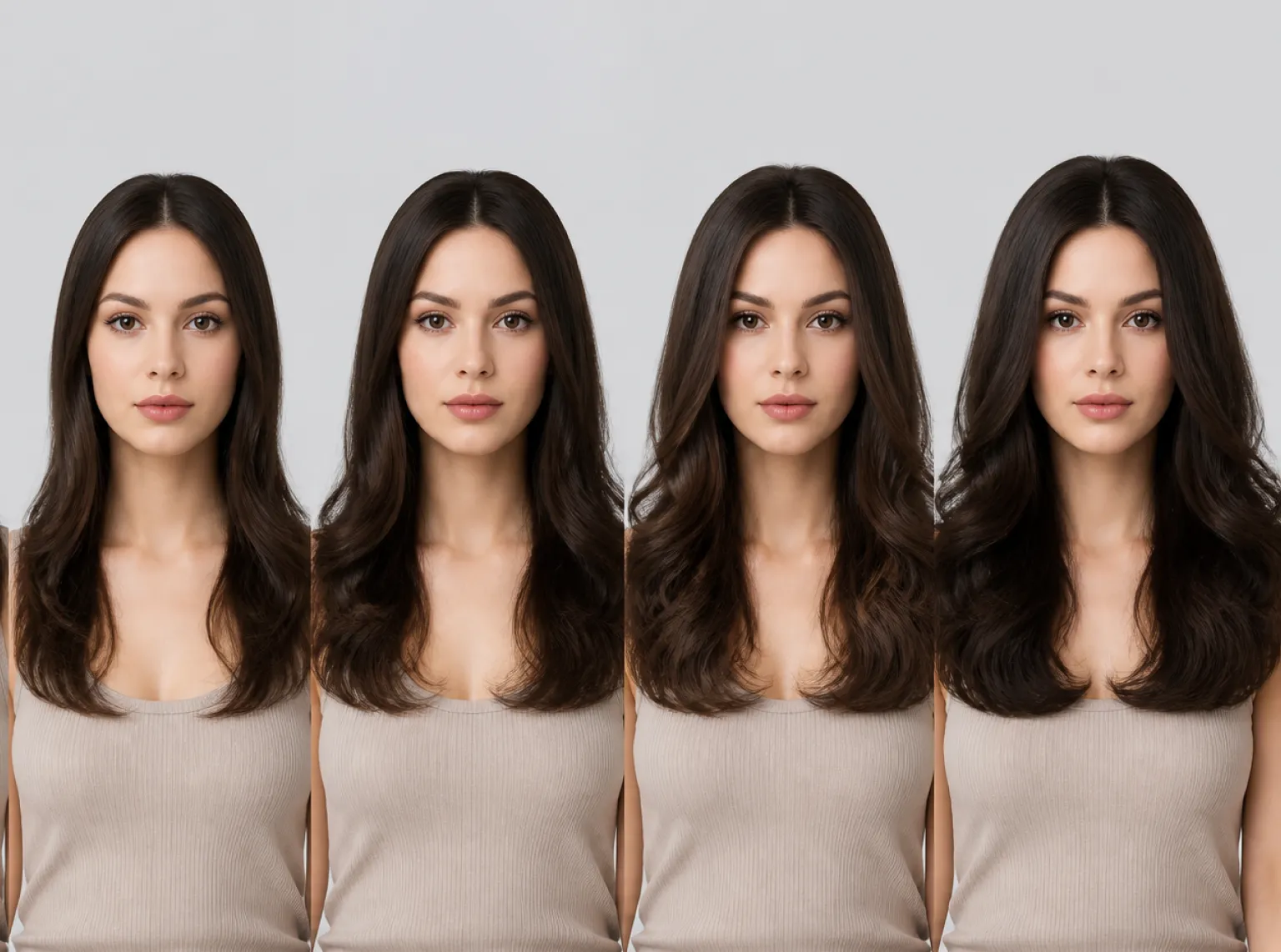
- Density, length, and texture. Target density by market, a length range with tolerance, and the texture set — straight, body wave, curly, braided, afro — that the style ships with.
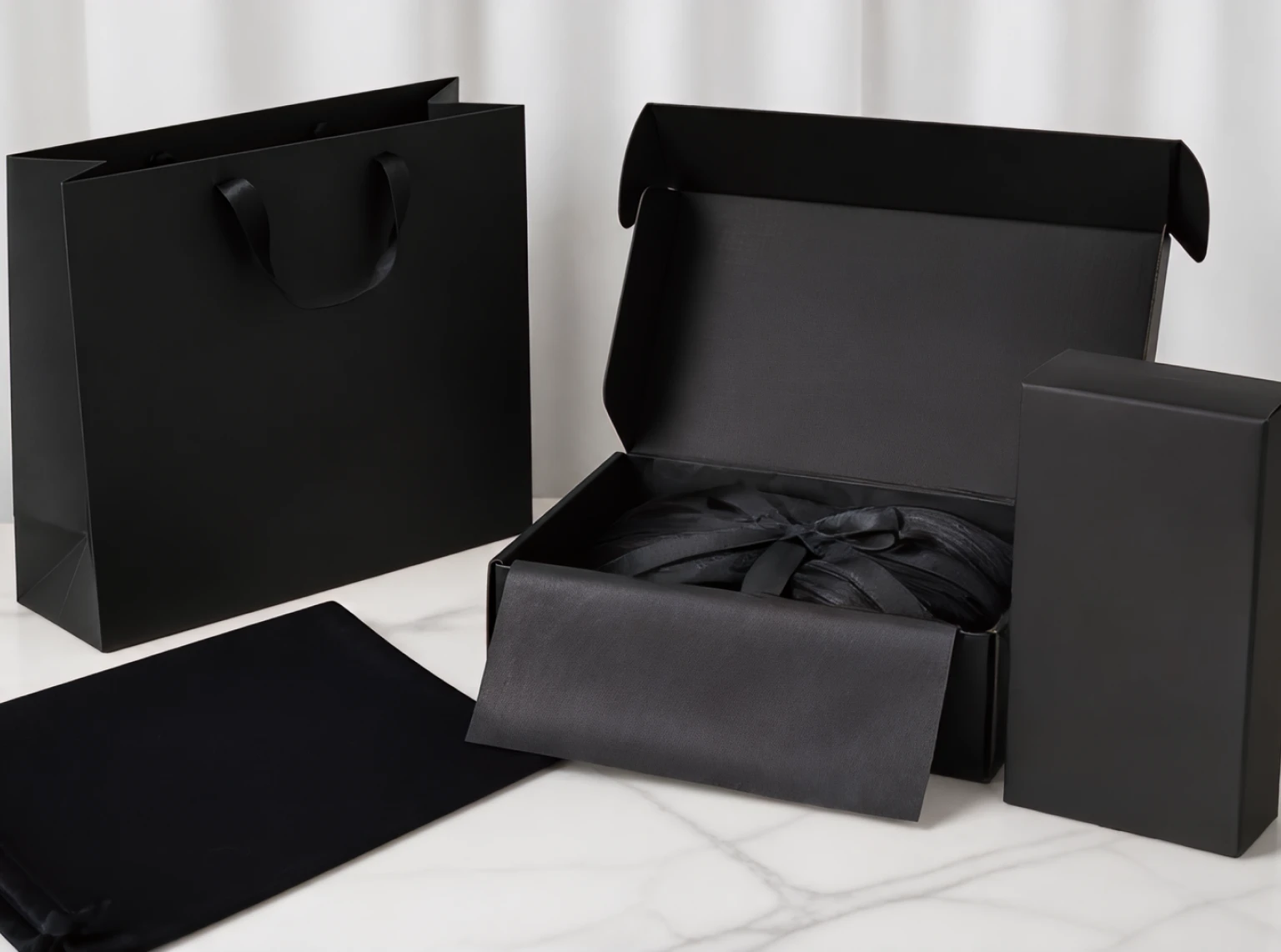
- Branding and packaging. Logo tags, printed boxes, care cards, dust bags, barcodes, and Amazon-compliant labeling. This is the layer that turns a factory product into your product.
The Private Label Wig Process, Step by Step
A well-run program moves through seven stages. Skipping one usually means paying for it later.
- Brief and specification. Send the factory style references, target colors, cap preference, target retail price, and sales channel. A mood board and a competitor link communicate more than a paragraph of adjectives.
- Quotation. The factory prices against the spec: fiber grade, construction, quantity per style and per color. Quotes that come back in hours, with questions, indicate a factory that makes the product.
- Sampling. A standard style based on an existing construction samples in about 3 days; a genuinely new design takes one to two weeks per round. Expect one or two rounds before approval.
- Gold sample approval. Approve a photographed, lot-numbered master sample. Every production run is checked against it. This single step prevents most bulk disputes.
- Contract and deposit. The contract locks specifications, quantity, unit price, delivery date, and payment terms — commonly 30% deposit, 70% before shipment.
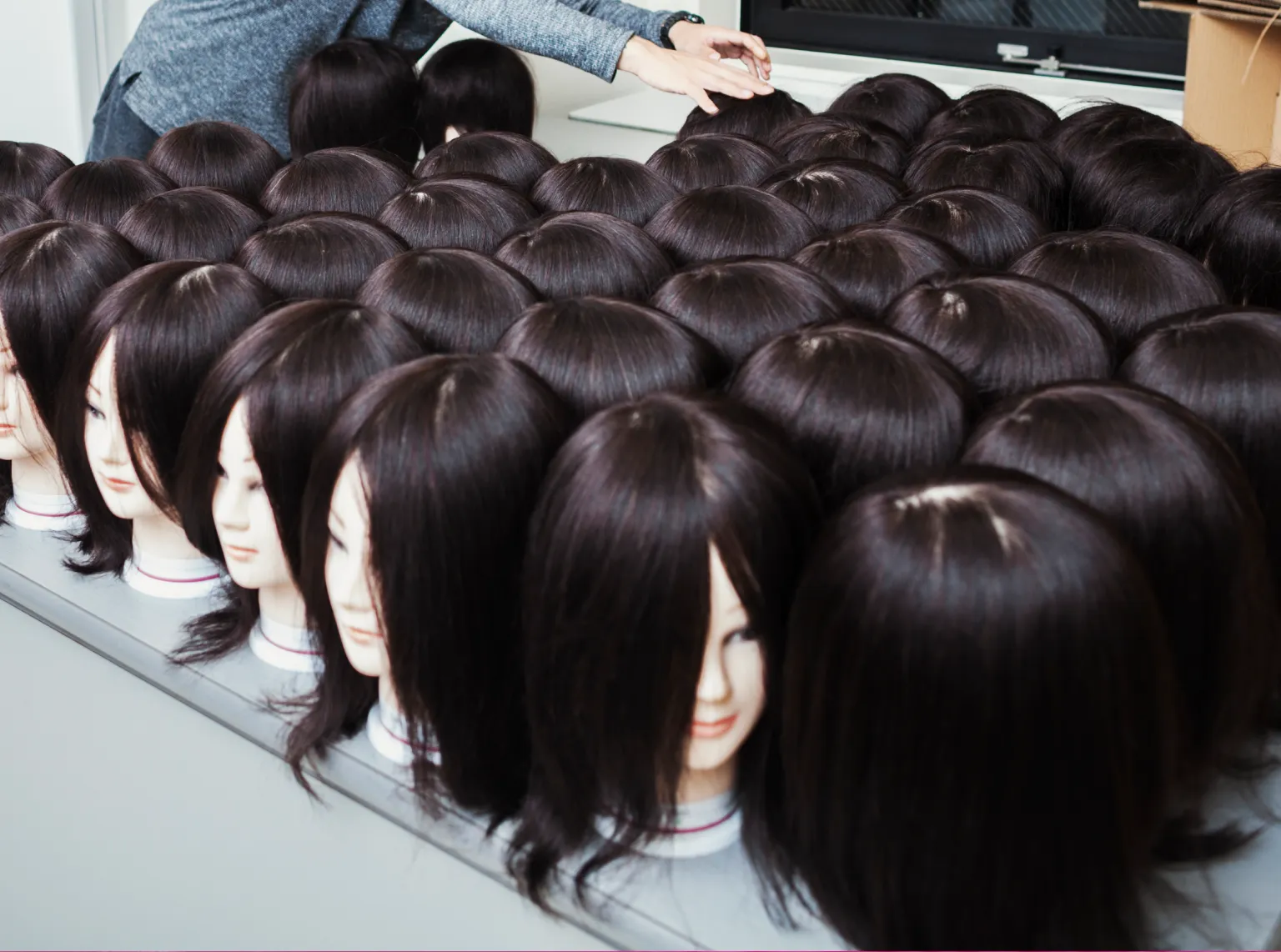
- Mass production. Roughly 30 days for a typical order, with in-line QC at each stage. Ask for progress photos at the halfway point.
- Inspection and shipment. Pre-shipment inspection, your own or third-party, against the gold sample. Balance payment, then freight by your chosen method.
MOQ, Cost, and Lead Time: Realistic Numbers
Online advice on minimums ranges from "no MOQ" to thousands of pieces, because it mixes traders with factories. Here is what a factory program actually looks like for fashion synthetic wigs.
| Item | Typical figure | Notes |
|---|---|---|
| Sample MOQ | From 30 pieces | Enough to test sell-through before bulk |
| Bulk MOQ | Around 300 pieces per style | Stock styles can run lower; custom colors may run higher |
| Sampling time | 3 days standard | 1-2 weeks for new development |
| Mass production | About 30 days | After sample approval and deposit |
| Custom color development | Adds 1-2 weeks | Per new shade formula |
| Branding setup | One-time fee | Covers packaging plates, tags, label setup |
Unit cost is driven by four things: fiber grade, lace type, density, and hand-work. A heat-resistant lace front at higher density costs more than a standard machine-weft style, and hand-tied sections add labor. When two quotes differ widely, the difference is almost always in those four variables, so compare specs before comparing prices. A workable first-order budget for a small brand is 2-3 styles at bulk MOQ plus branding setup; the exact figure depends on your spec, and any factory should price it line by line.
Mistakes That Cost New Wig Brands Money
These show up in almost every failed first program we have been asked to rescue.
- Over-customizing the first run. A brand-new cap spec on an unproven style doubles development time and risk. Customize color and packaging first; customize construction once the style sells.
- No gold sample. Without a signed-off master sample, "the bulk doesn't match the sample" becomes an argument you cannot win. Lock it, photograph it, lot-number it.
- Vague specifications. "Long, natural-looking, good quality" is not a spec. Fiber grade, density, length with tolerance, cap type, and shade reference are. Vague orders get the factory's default, not your vision.
- Buying on unit price alone. A dollar saved on fiber grade shows up as shine, tangling, and returns. Compare spec for spec.
- Over-ordering. A lower unit price at 1,000 pieces is expensive if 600 sit in a warehouse. Start at MOQ, reorder fast on winners — a 30-day production cycle makes small, frequent orders practical.
- Skipping compliance labels. Fiber-content and country-of-origin labels are required in most retail markets, and costume lines add flammability expectations. Sorting labels at the factory costs little; sorting them at customs costs a shipment.
Compliance and Brand Protection
Two paperwork items deserve a place in your agreement from day one. First, labeling: synthetic hair is declared by its generic fiber name, such as modacrylic, plus country of origin, and children's or costume SKUs should carry the flammability documentation for their destination market — EN 71-2 for the EU, CPSC expectations for the US. Certificates such as OEKO-TEX Standard 100 cover skin-contact safety and are worth requesting with any quote. Second, exclusivity: in an OEM program, put in writing that the factory will not sell your owned design or color formulas to third parties. Factories that run brand programs treat this as standard; resistance to it tells you something useful early.
Working With Raysman
We wrote this from the production side, and it describes our own process. Raysman manufactures synthetic wigs in Zhejiang — 16 years of production behind a 10,000 m2 facility, ISO 9001, BSCI, and OEKO-TEX Standard 100 in scope, and flame-retardant fiber for costume lines. Our custom and OEM/ODM program samples standard styles in 3 days, starts sample orders at 30 pieces and bulk at 300, and handles color development, cap customization, and full private label packaging in-house. For stock-based programs, our wholesale catalog covers party, Halloween, and fashion color ranges ready for your label. Send your styles, target colors, and volume, and you will get a line-by-line quote and a sample plan within days.
FAQ
What is a private label wig?
A private label wig is a wig made by a third-party manufacturer and sold under your own brand name. The factory produces the wig; you control the logo, packaging, tags, pricing, and customer relationship. It is the standard model behind most wig brands sold online and in salons.
What is the difference between OEM and ODM wigs?
OEM means the factory manufactures to your design and specification — you own the concept. ODM means the factory supplies the design and you brand it, change colors, or adjust details. OEM suits established brands building differentiated products; ODM suits new brands that want speed and lower development cost.
What is a typical MOQ for private label wigs?
At a factory, sample orders typically start around 30 pieces and bulk orders around 300 pieces per style, with stock styles sometimes running lower and custom colors higher. Traders may sell smaller quantities, but without factory pricing or spec control. Start at MOQ and reorder on proven styles.
How much does it cost to start a private label wig line?
A lean launch is 2-3 styles at bulk MOQ plus a one-time branding setup fee for packaging and labels. The exact total depends on fiber grade, lace type, density, and hand-work, so ask for a line-by-line quote. Starting small and reordering fast is cheaper than over-ordering a single large run.
How long does private label wig production take?
Plan on about 3 days for a standard sample, one to two weeks if the design is new, and roughly 30 days for mass production after sample approval and deposit. Custom color development adds one to two weeks per shade. End to end, a first order typically lands in six to eight weeks.
Can I customize wig colors for my brand?
Yes. Color is the most common customization in fashion synthetic wigs: custom shades, ombre blends, rooted colors, and split-color looks can all be matched to a swatch or reference photo. New shade formulas add development time, so confirm the timeline before planning a launch date.
Do I own the design in an OEM wig program?
You should. In a standard OEM agreement, the buyer owns the design and specifications, and the factory agrees not to sell the branded product or its color formulas to third parties. Put exclusivity in writing before the first order — any factory running brand programs will treat it as routine.
-

Raysman
Synthetic Wig Manufacturer
Raysman is a Zhejiang-based synthetic wig manufacturer specializing in party, costume, and fashion color wigs — producing over one million pieces a year from our 10,000 m² Longyou facility. We are BSCI, ISO 9001, and OEKO-TEX Standard 100 certified, and a designated supplier to Disney and Walmart.