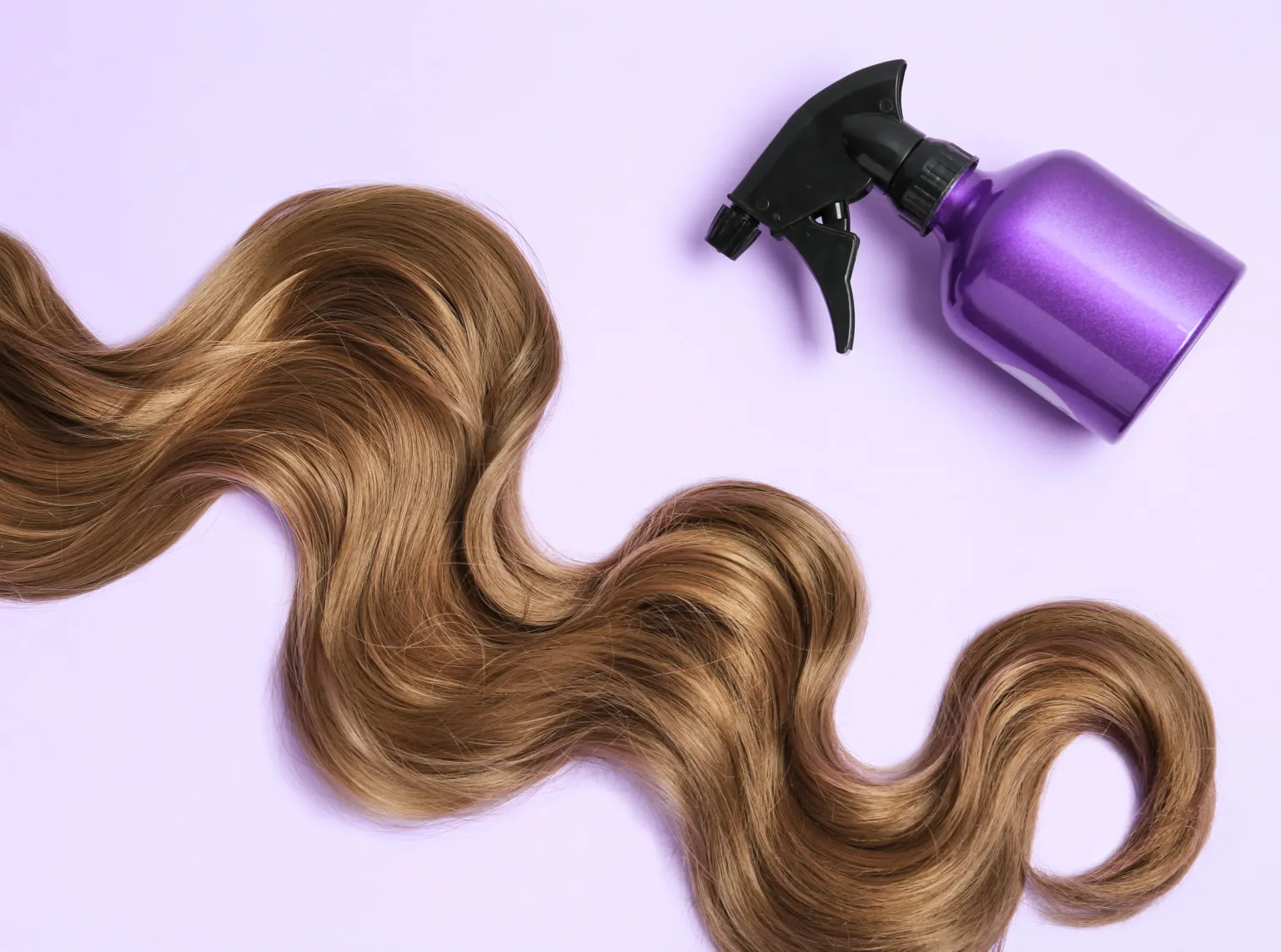

The commercial viability of a synthetic wig brand depends directly on the structural integrity of the raw materials and the consistency of the assembly process. Wholesale buyers must navigate a complex matrix of fiber types, cap architectures, and finishing protocols to specify products that meet their target demographic's exact expectations. Inconsistent material specifications lead directly to high return rates and diminished brand equity. This technical guide examines the specific polymer classifications, construction methodologies, regulatory standards, and inspection frameworks required for reliable bulk sourcing in the synthetic hair sector.
Polymer Classifications in Synthetic Hair Production
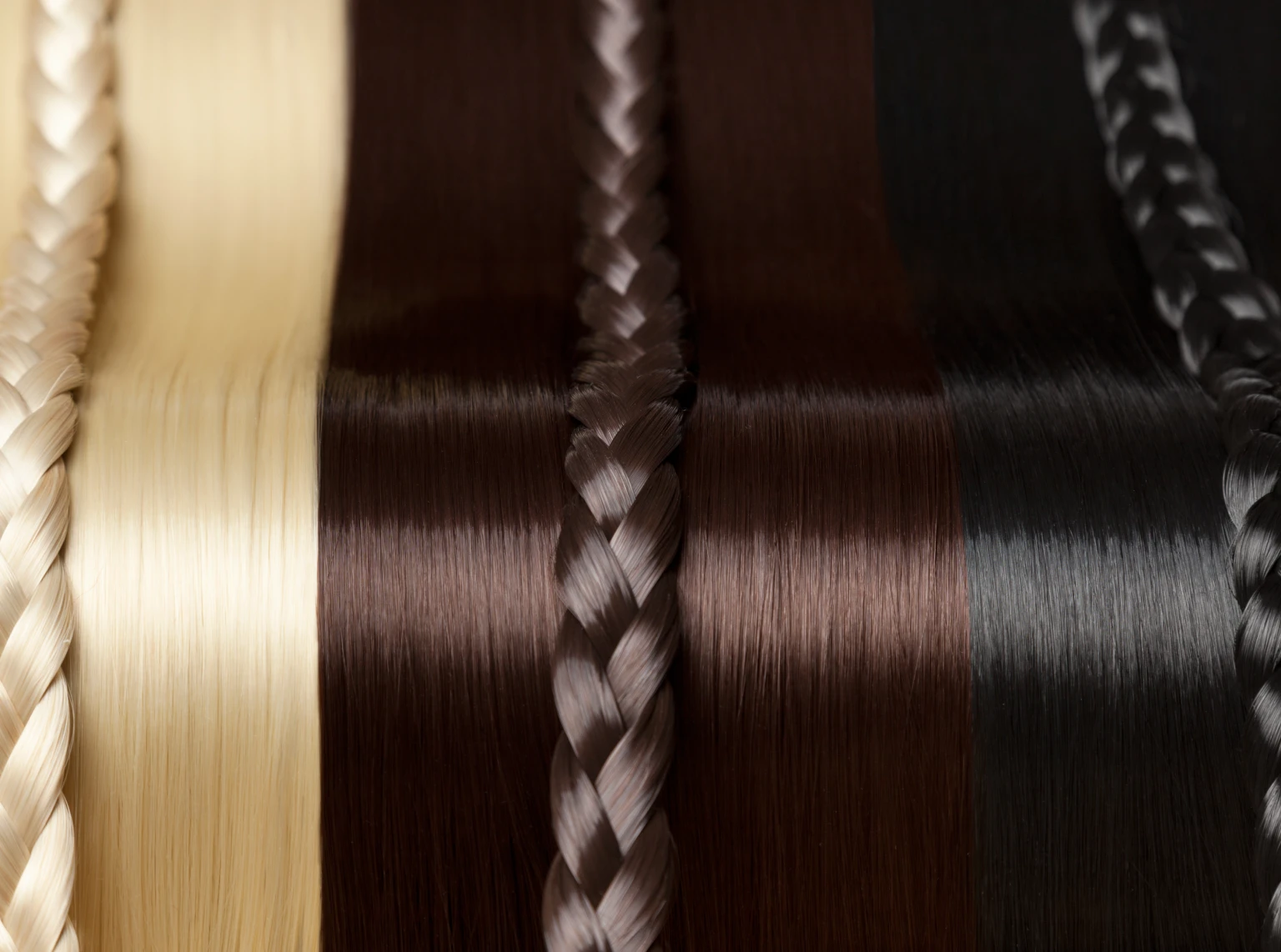
Synthetic wig fibers are extruded polymers, primarily relying on acrylic, polyvinyl chloride (PVC), or polyester derivatives. The chemical composition dictates the fiber's heat resistance, denier (thickness), light reflection index, and structural memory. Sourcing teams must align the polymer choice with the intended retail application to control costs without sacrificing required performance.
Modacrylic Fibers (The Kanekalon Standard)
Modacrylic fibers remain the baseline for premium synthetic daily wear. Formulated from a copolymer of acrylonitrile and vinyl chloride, these fibers offer a highly realistic texture and a low surface sheen that closely mimics human keratin. The material holds its structural memory exceptionally well, meaning pre-set curls or straight styles bounce back automatically after washing and air drying. However, traditional modacrylic fibers have a lower heat deflection point, typically degrading when exposed to temperatures above 80°C. Buyers targeting the premium daily wear market specify modacrylics for their natural drape, tactile softness, and styling permanence without the need for active heat intervention.
PVC-Based Fibers (The Toyokalon Standard)
Polyvinyl chloride (PVC) fibers prioritize volume, structural hold, and intense color saturation. This specific polymer structure reflects light differently than modacrylics, resulting in a distinct sheen that suits specific fashion applications and elaborate theatrical styling. PVC fibers feel very soft initially but can tangle more readily than modacrylics during extended mechanical friction. Wholesale orders for voluminous afro wigs or highly textured vintage styles frequently utilize PVC blends because the robust fiber structure supports aggressive crimping and holds dramatic structural shapes efficiently across long supply chains.
Heat-Resistant Polyester (PET) Fibers
High-temperature fibers utilize modified polyethylene terephthalate (PET) compounds engineered specifically to withstand thermal styling tools. These advanced fibers maintain structural stability at temperatures up to 180°C (350°F). The extrusion process often includes micro-treatments to dull the surface texture, reducing synthetic glare and improving realism. This makes PET fibers highly versatile for the fashion sector and cosplay wigs markets, where end-users expect to customize the styling with flat irons and curling wands. Specifying high-grade PET fibers increases the baseline manufacturing cost per unit but significantly reduces consumer friction and return rates among styling-conscious demographic segments.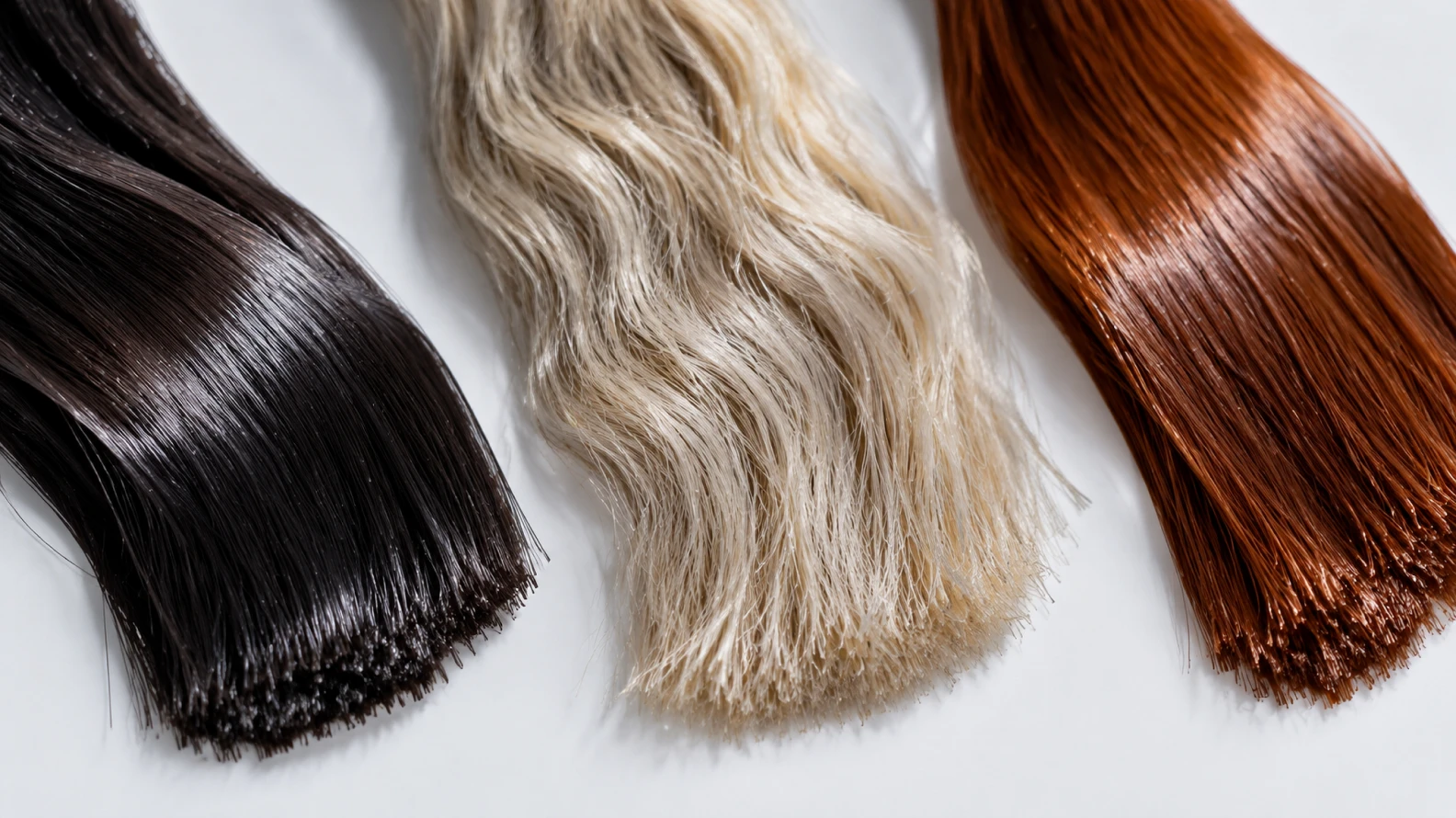
Cap Construction Architecture and Assembly Mechanics
The cap foundation determines the unit's breathability, total weight, and manufacturing complexity. B2B sourcing teams must match the cap structural design with the intended retail price point, as manual ventilation exponentially increases production lead times.
Traditional Machine-Wefted Foundations
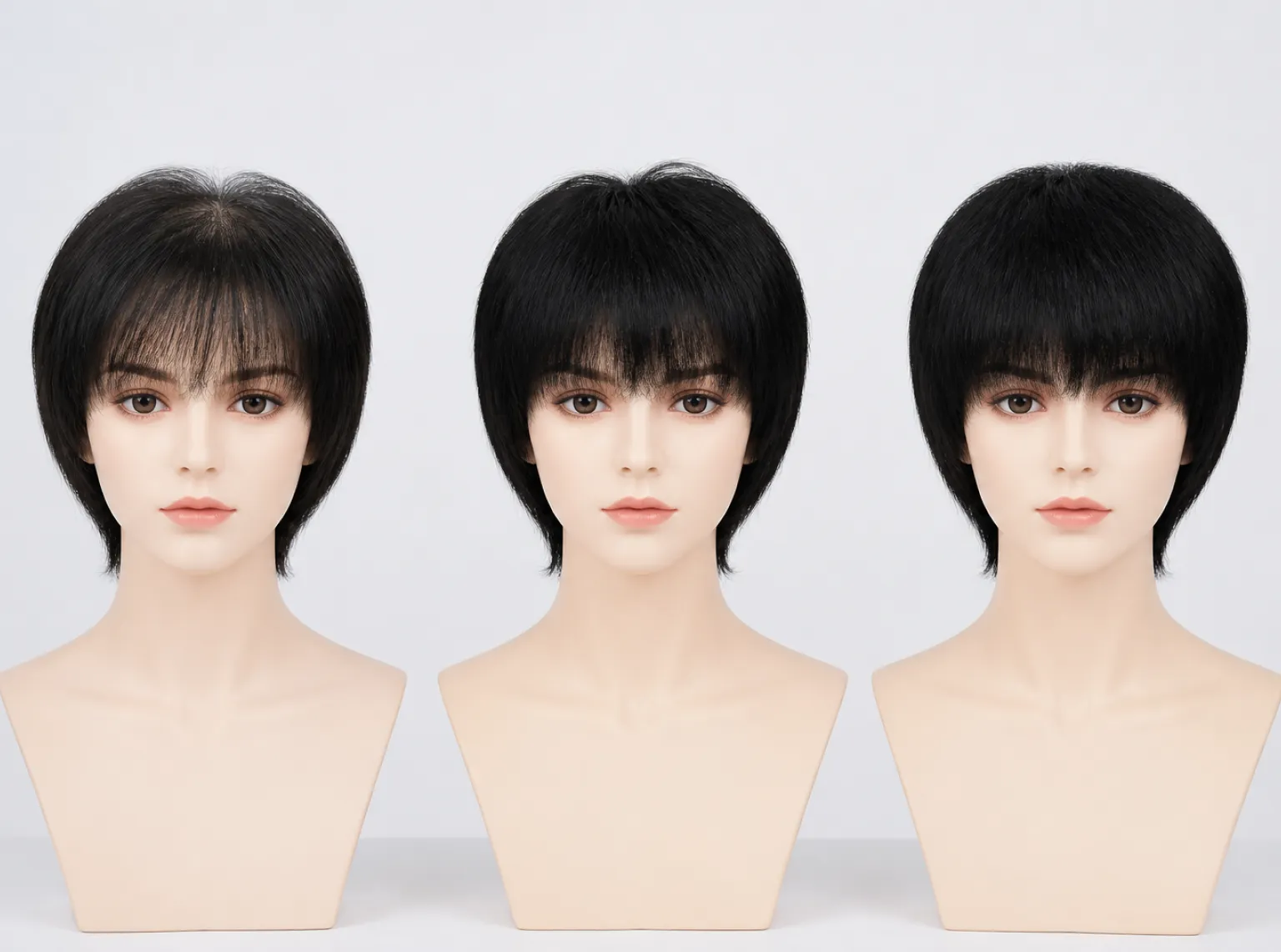
The vast majority of commercial volume relies on machine-wefted caps. High-speed industrial sewing machines attach pre-sewn fiber wefts to a structural ribbon or stretch lace base network. "Capless" or open-weft variants leave intentional spatial gaps between the horizontal wefts, maximizing air circulation against the scalp and minimizing the total material weight. This efficient construction method dominates the party wigs and budget fashion categories due to its rapid production cycle and highly scalable unit economics.
Lace Integration and Frontal Systems
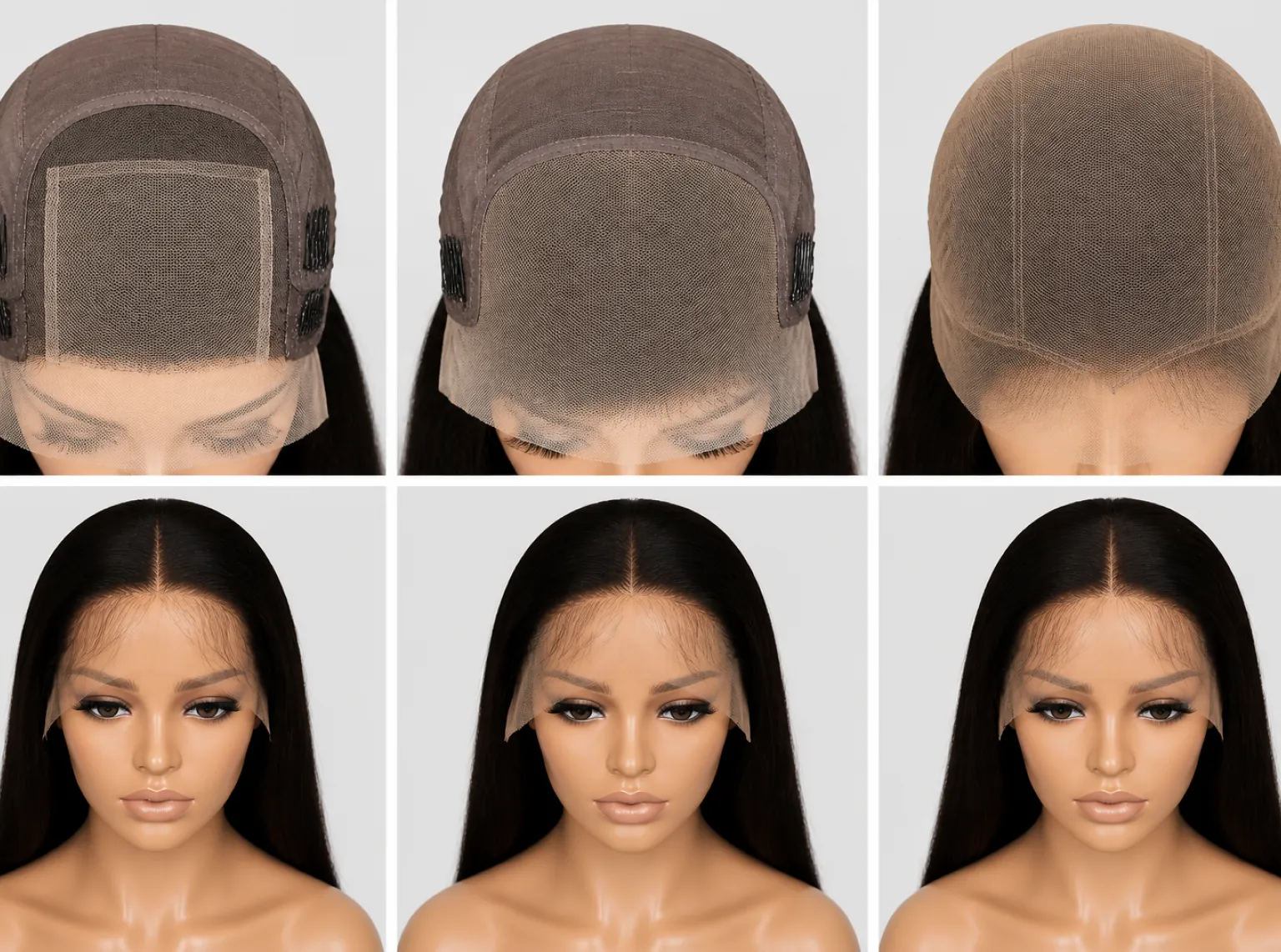
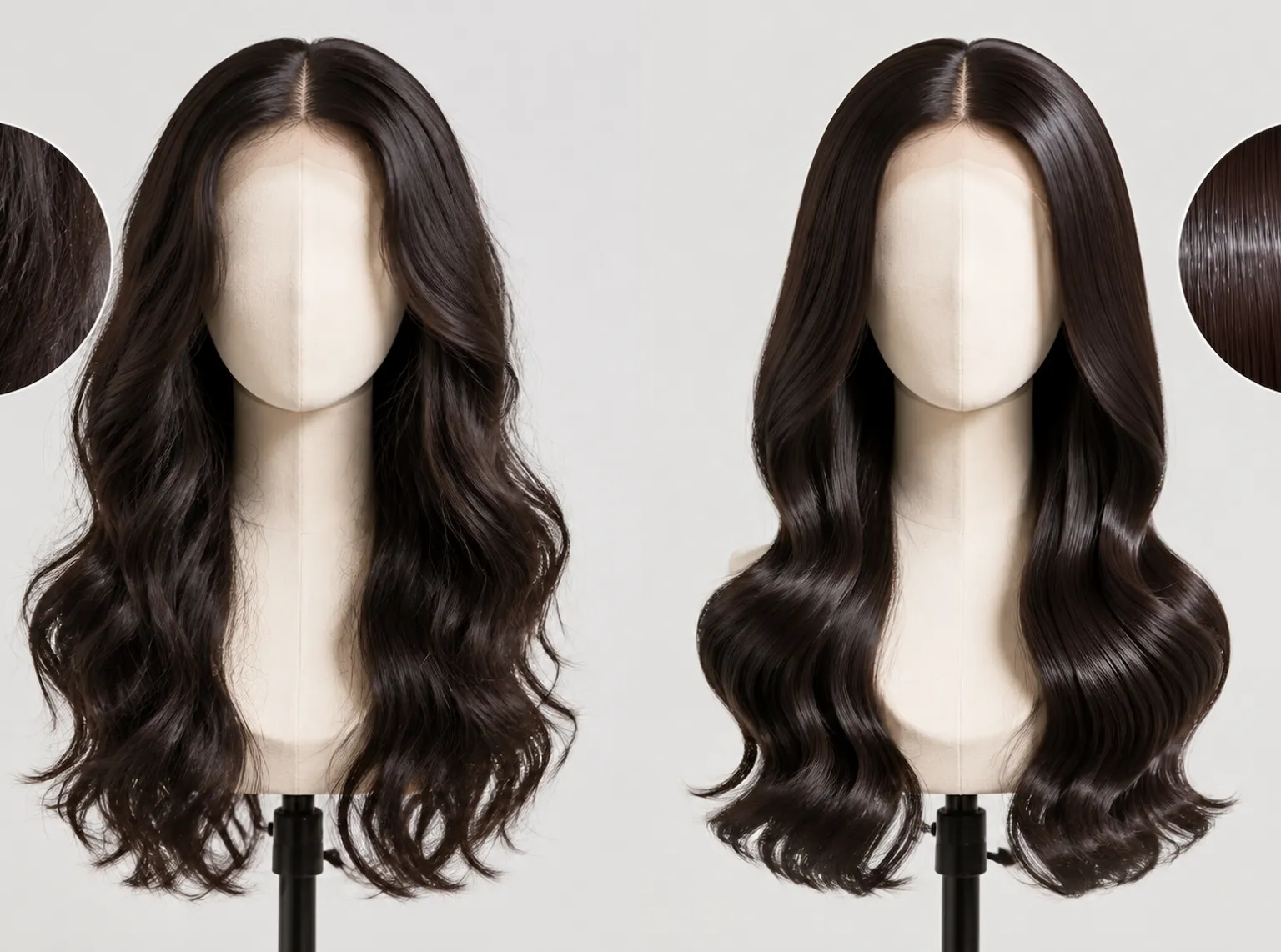
Incorporating hand-tied lace sections dramatically increases the realism of the hairline, shifting the product into a higher retail tier. Lace front wigs utilize a sheer, durable mesh panel at the anterior hairline where technicians individually knot fibers one to three strands at a time. This manual process requires precise ventilation techniques to ensure the knots remain secure without creating visible bulk at the root. The depth of the lace panel—typically ranging from 1 to 4 inches deep—directly correlates with the production lead time and the final wholesale cost. Buyers must specify the exact lace material, such as Swiss lace or HD lace, based on the target market's skin-matching requirements.
Monofilament and Closure Panels
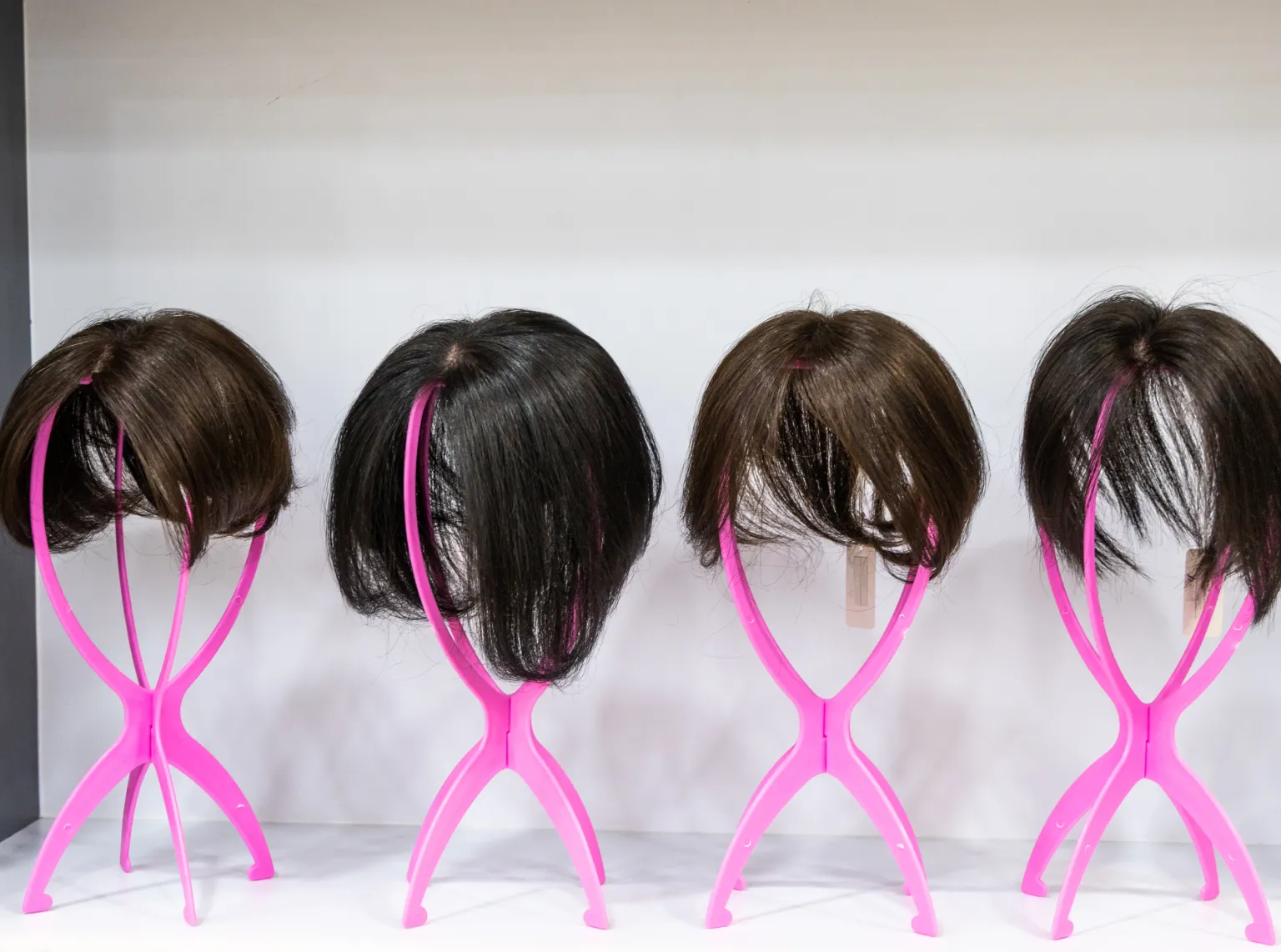
Monofilament tops utilize a fine, transparent micro-mesh that simulates natural scalp appearance directly at the parting line. Unlike standard lace, which is primarily deployed at the perimeter, monofilament materials are structurally designed for the crown or part. Closure wigs often combine automated machine-wefted tracks in the posterior and lateral sections with a dedicated, hand-tied lace or monofilament closure at the apex. This hybrid approach balances realistic parting options with efficient assembly timelines, offering an optimal mid-tier pricing structure.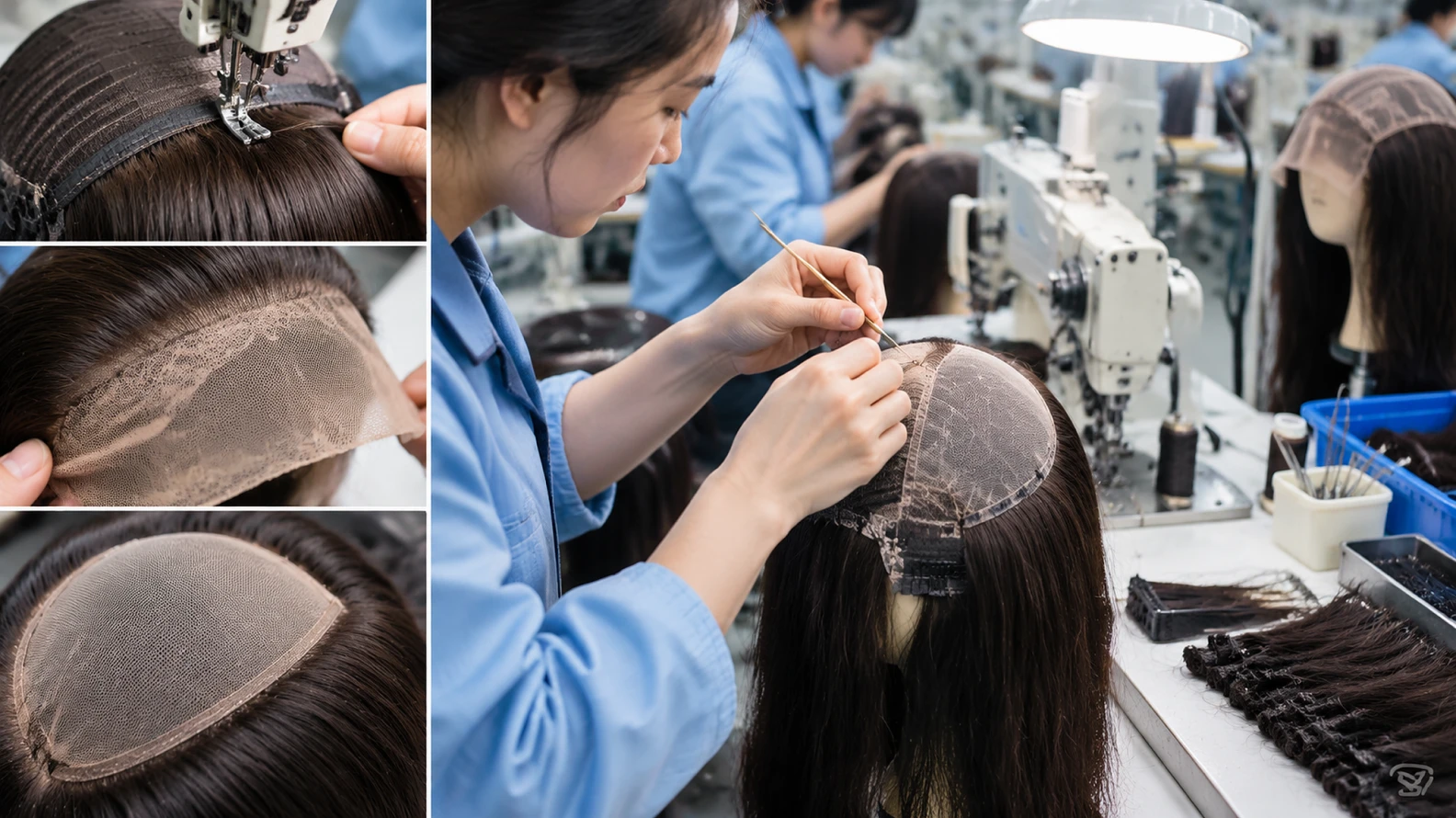
Defining Quality Control Tolerances in Bulk Production
Variability in mass production destroys retail brand equity. Commercial purchase orders must define specific, measurable tolerances for all critical product attributes before manufacturing begins. Standardized inspection frameworks protect the buyer's capital.
Density Specification and Weight Variances
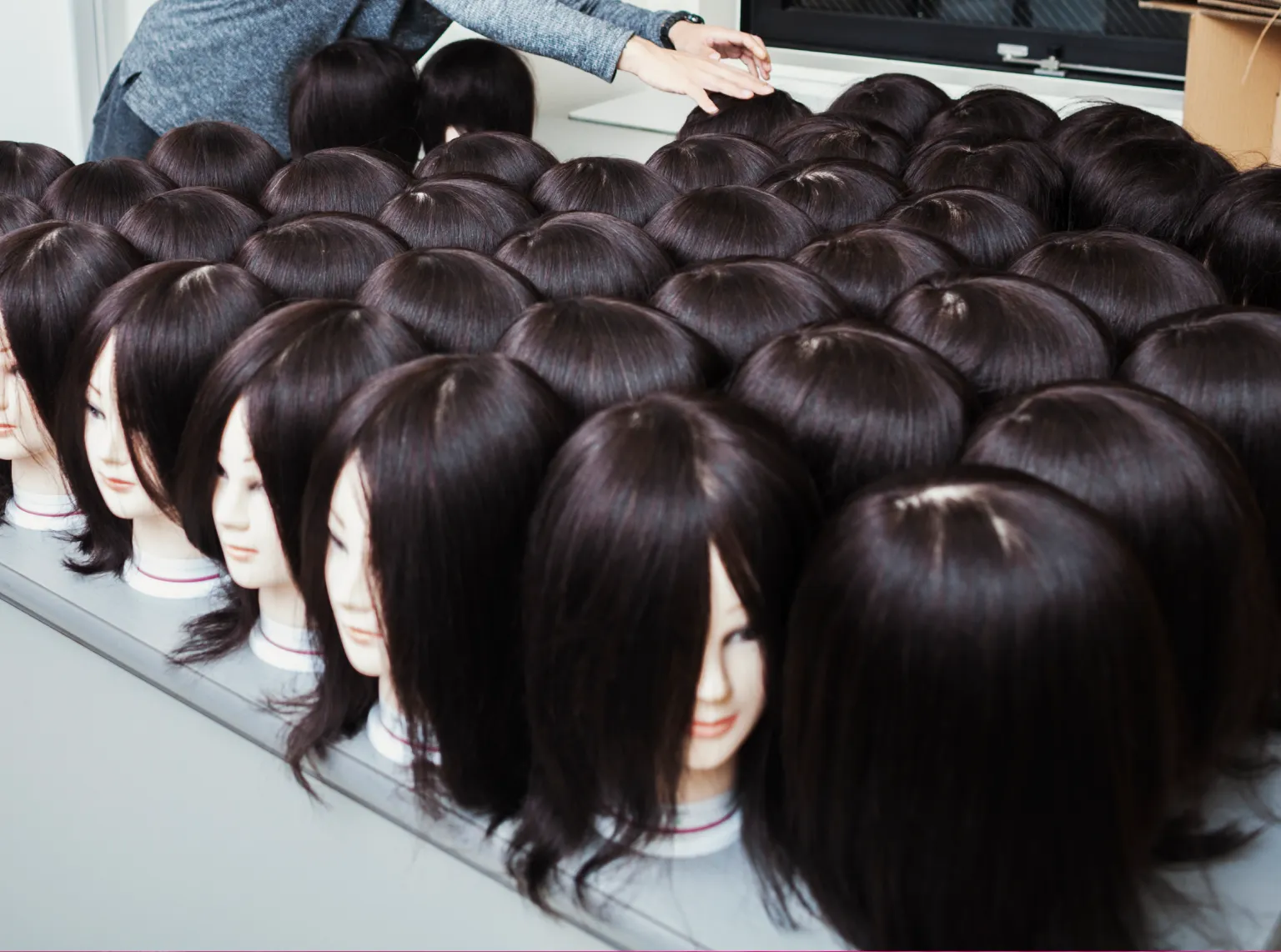
Wig density dictates the total volume of fiber attached to the cap, usually expressed in the trade as a percentage ranging from 130% to over 200%. However, wholesale buyers must translate this percentage into a specific target weight in grams for each individual SKU to enforce strict quality control. A standard QA protocol rejects units that deviate more than 5% from the specified target weight. Inadequate density leads to exposed cap tracks and consumer complaints, while excessive density causes unnatural bulk and needlessly inflates international shipping freight costs.
Colorimetric Standards and Batch Dyeing Protocols
Synthetic fibers achieve color through mass coloration (pigment added directly to the liquid polymer before extrusion) or subsequent batch dyeing processes. Maintaining strict consistency across different production runs requires standardized colorimetric testing environments. Sourcing agreements must rely on physical master swatches evaluated under standardized D65 lighting rather than digital images. Buyers ordering highly specific colored wigs must verify that the factory's dyeing facility maintains stable chemical formulations to prevent lot-to-lot shade variations that disrupt inventory continuity.
Tensile Strength, Thread Integrity and Shedding Evaluation
Excessive shedding indicates weak weft construction, poor thread tension, or improper manual knotting. Factory inspection routines must mandate mechanical brushing tests using standardized force to measure fiber retention. The stitching securing the wefts must utilize high-tensile synthetic thread, and all track ends must be securely back-stitched, glued, or heat-sealed. Professional sourcing agents request AQL (Acceptable Quality Limit) reports detailing shedding thresholds—typically enforcing an AQL 2.5 standard for major defects—before authorizing any international shipment.
Aligning Technical Specifications with Vertical Markets
Product specifications must strictly match the technical requirements of the intended retail channel. Over-engineering a basic unit wastes margin, while under-engineering a premium unit generates expensive returns.
The Fashion and Daily Wear Channel
Daily wear consumers demand matte finishes, highly breathable caps, and durable tension resistance for all-day comfort. Specifications here lean heavily toward heat-resistant PET fibers and glueless wigs engineered with adjustable nape straps, secure comb placements, and elasticized bands. The cap infrastructure must withstand daily friction, perspiration exposure, and regular washing protocols without structural distortion or material degradation.
The Theatrical and Cosplay Sector
Cosplay consumers prioritize exact color accuracy, extreme styling versatility, and significant base volume. Heat resistance is absolutely mandatory, as these users frequently apply flat irons, crimpers, and hot water setting techniques to manipulate the fiber structure. Base construction often utilizes slightly firmer lace networks to support heavy, architectural styling manipulation. Buyers in this sector frequently specify custom color blends and gradient dyeing to match specific intellectual property character designs with pinpoint accuracy.
High-Volume Seasonal Novelty
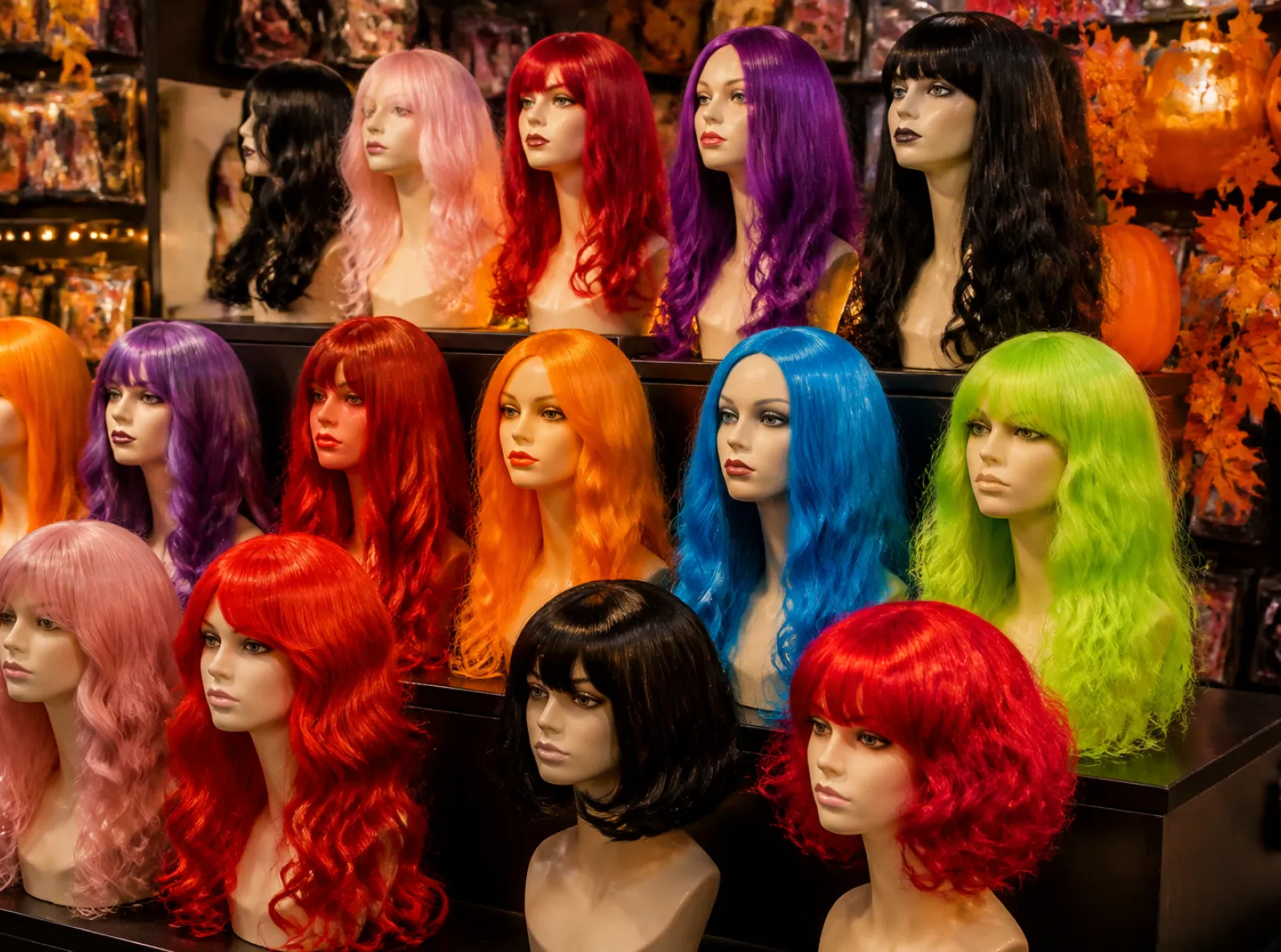
The Halloween and seasonal novelty market demands rapid production scalability and aggressive cost control. Fiber choice shifts heavily toward standard PVC or basic acrylics. Cap construction simplifies strictly to open-wefted designs without manual ventilation. Quality control in this specific sector focuses less on multi-year longevity and entirely on immediate visual impact, color brightness, and strict adherence to unforgiving seasonal delivery windows.
Regulatory Compliance and Flame Retardancy Standards
A critical yet often overlooked aspect of bulk synthetic wig sourcing is strict adherence to international safety standards. Unlike human hair, synthetic polymers can present significant flammability risks if not properly engineered.
Chemical Retardant Processing
During the extrusion phase or post-production finishing operations, specific chemical retardants are embedded or applied to the fibers. This vital process modifies the burning behavior of the polymer, causing it to melt and immediately self-extinguish rather than sustain an active flame. Buyers importing into regions regulated by strict consumer product safety commissions must verify that the factory integrates these treatments continuously, without compromising the fiber's tactile softness or color vibrancy.
Certifications and Market Access Auditing
B2B buyers supplying major retail chains, government contracts, or institutional clients must maintain rigorous documentation proving ongoing compliance. Standard certifications ensure the absence of harmful substances in the dyes, adhesives, and finishing chemicals. Relying on a manufacturing partner that automatically implements standard flame-retardant protocols and maintains up-to-date compliance testing protects the buying organization from legal liability and catastrophic customs detention risks.
Packaging Logistics and Volumetric Freight Optimization
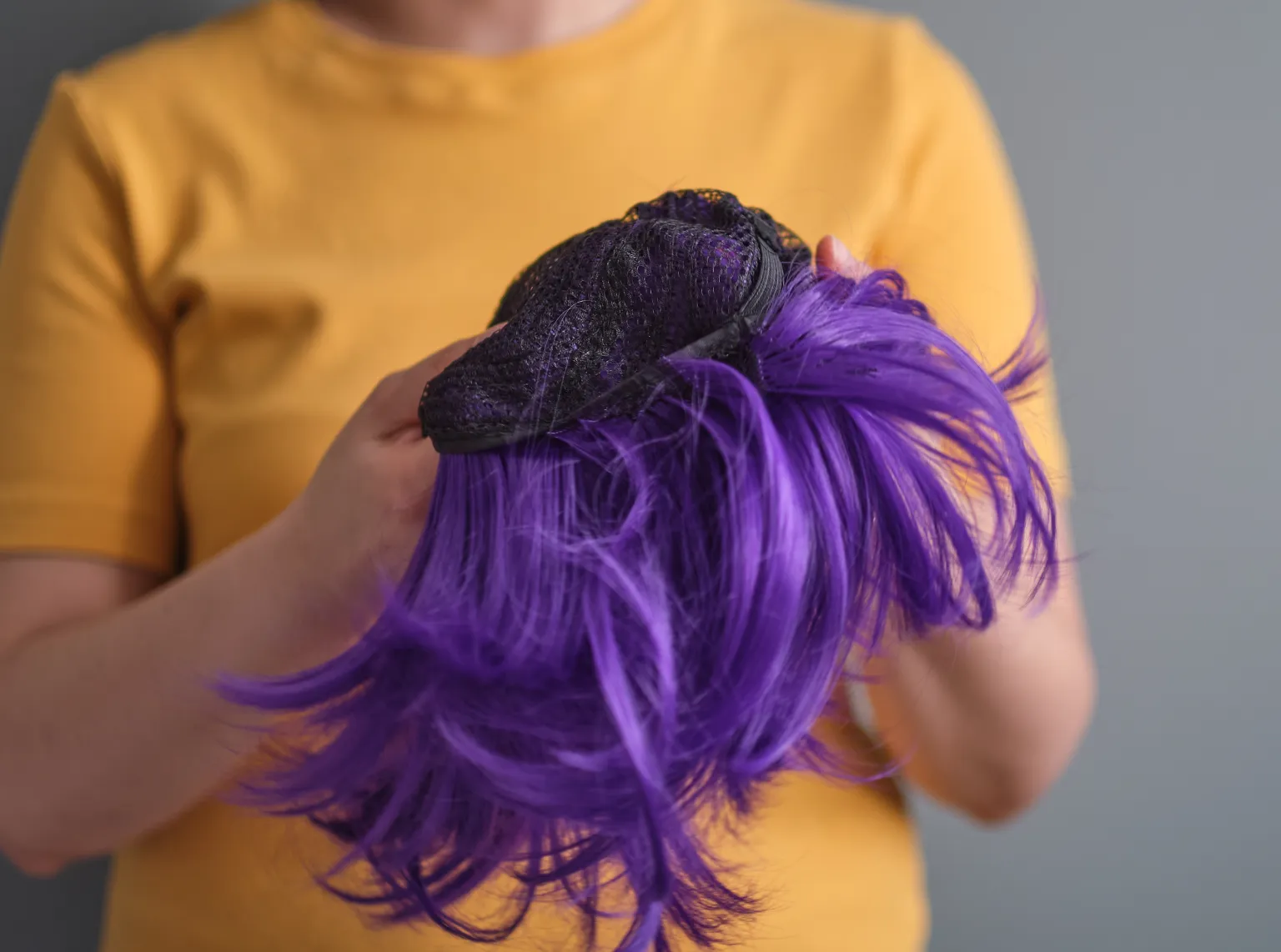
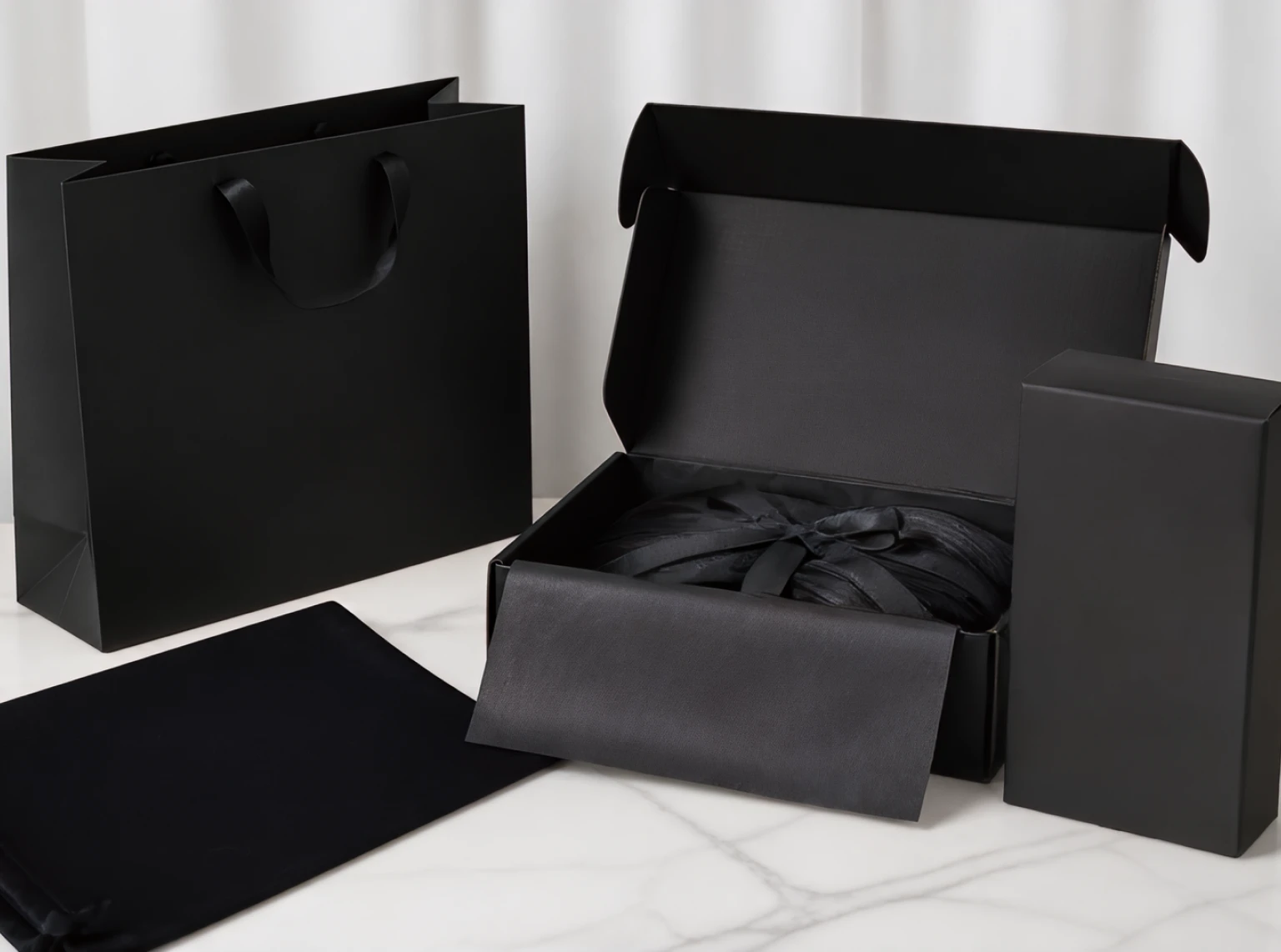
The volumetric weight of wig shipments almost always exceeds their actual dead weight, making packaging design a critical operational cost factor. Standard bulk packaging utilizes a protective hairnet and a rigid structural paper collar to prevent tangling, placed within a standard polybag or branded retail carton. Rigid display cartons protect delicate styling but significantly increase shipping volume. Savvy wholesale buyers specify vacuum-sealed or tightly compressed packaging for unstyled, straight synthetic wigs to maximize ocean container density, strategically reserving protective cartons only for pre-styled, intricate curl patterns or premium lace-front SKUs.
Manufacturing Execution and Supply Chain Integration
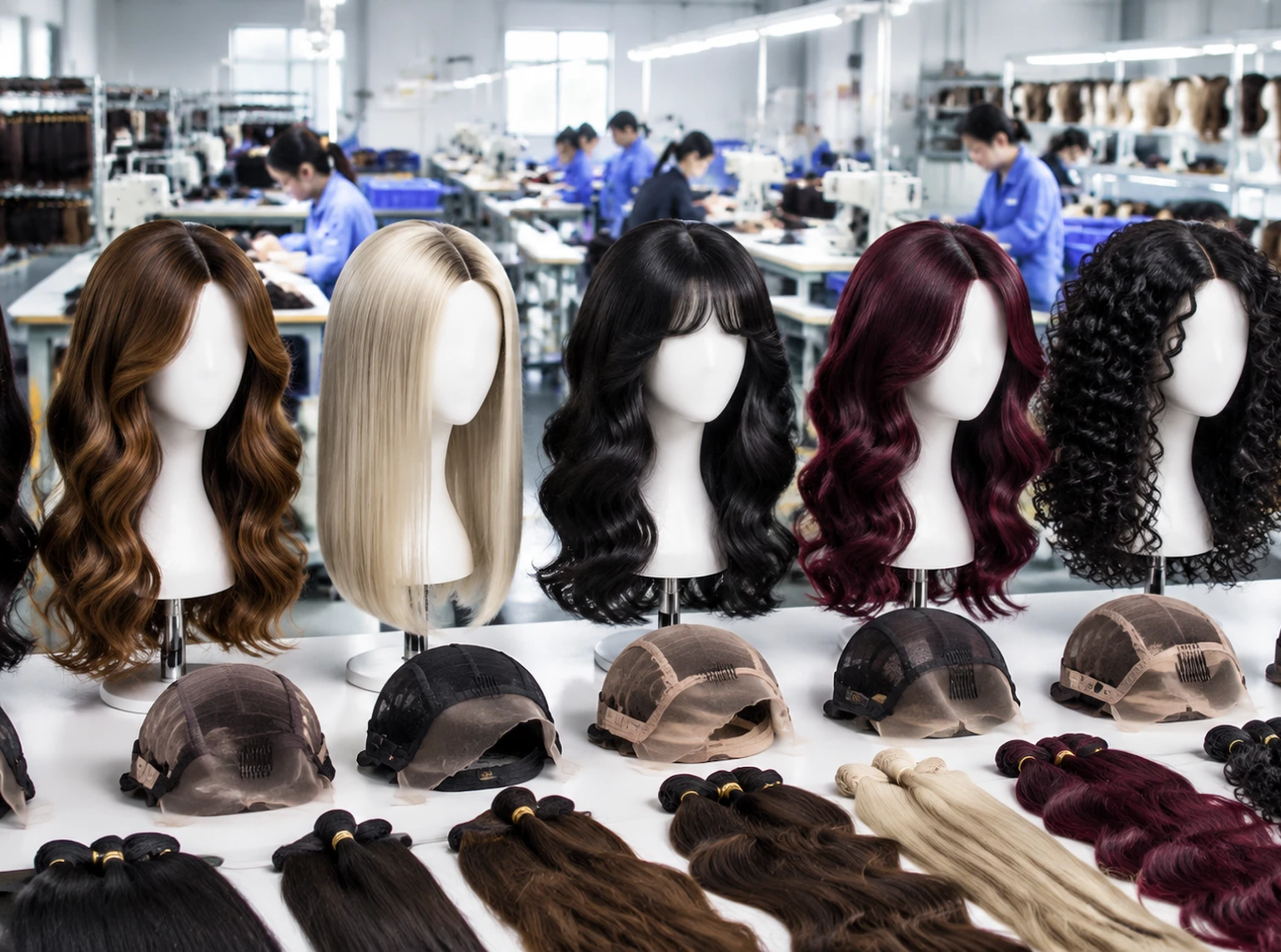
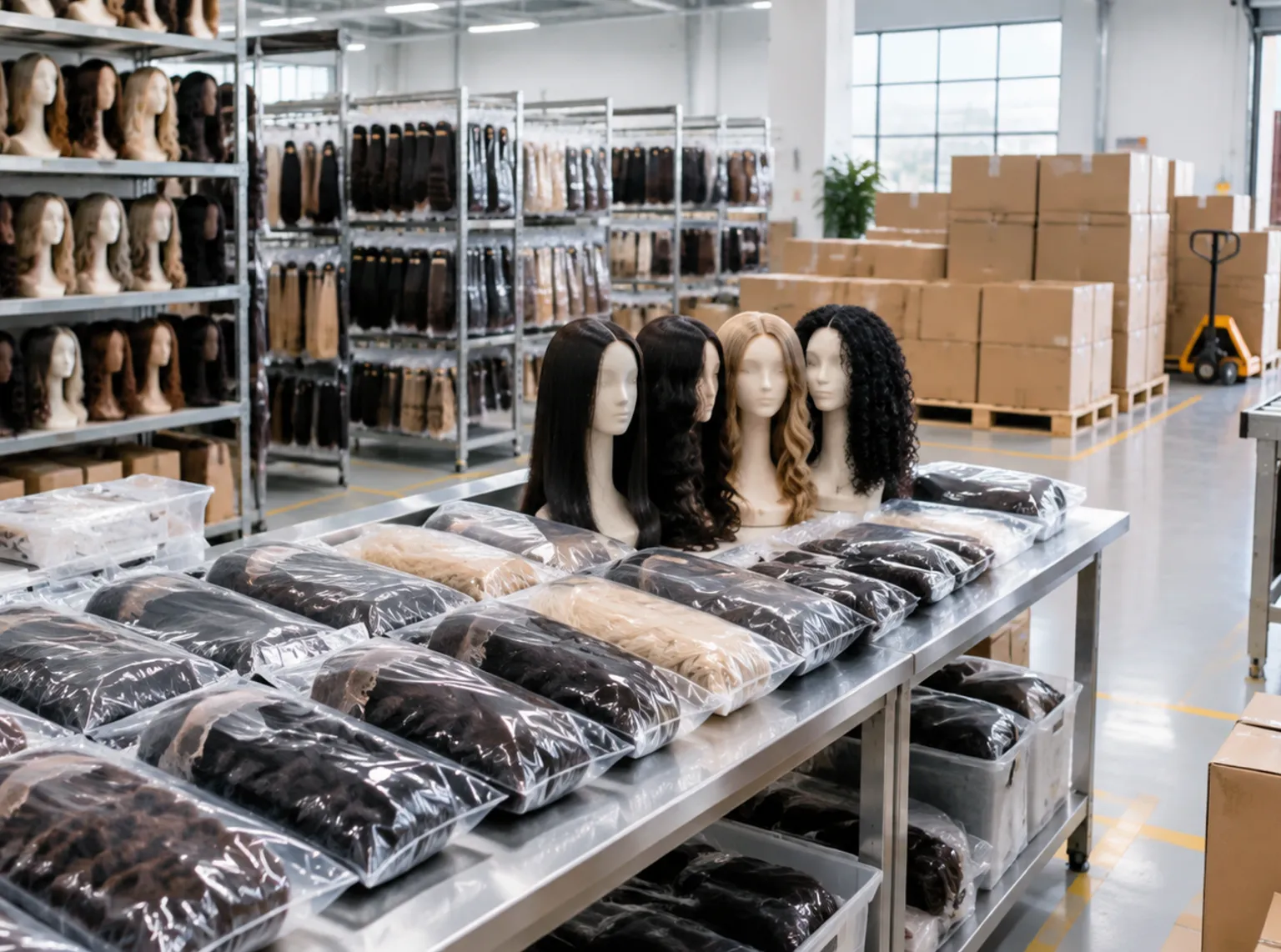
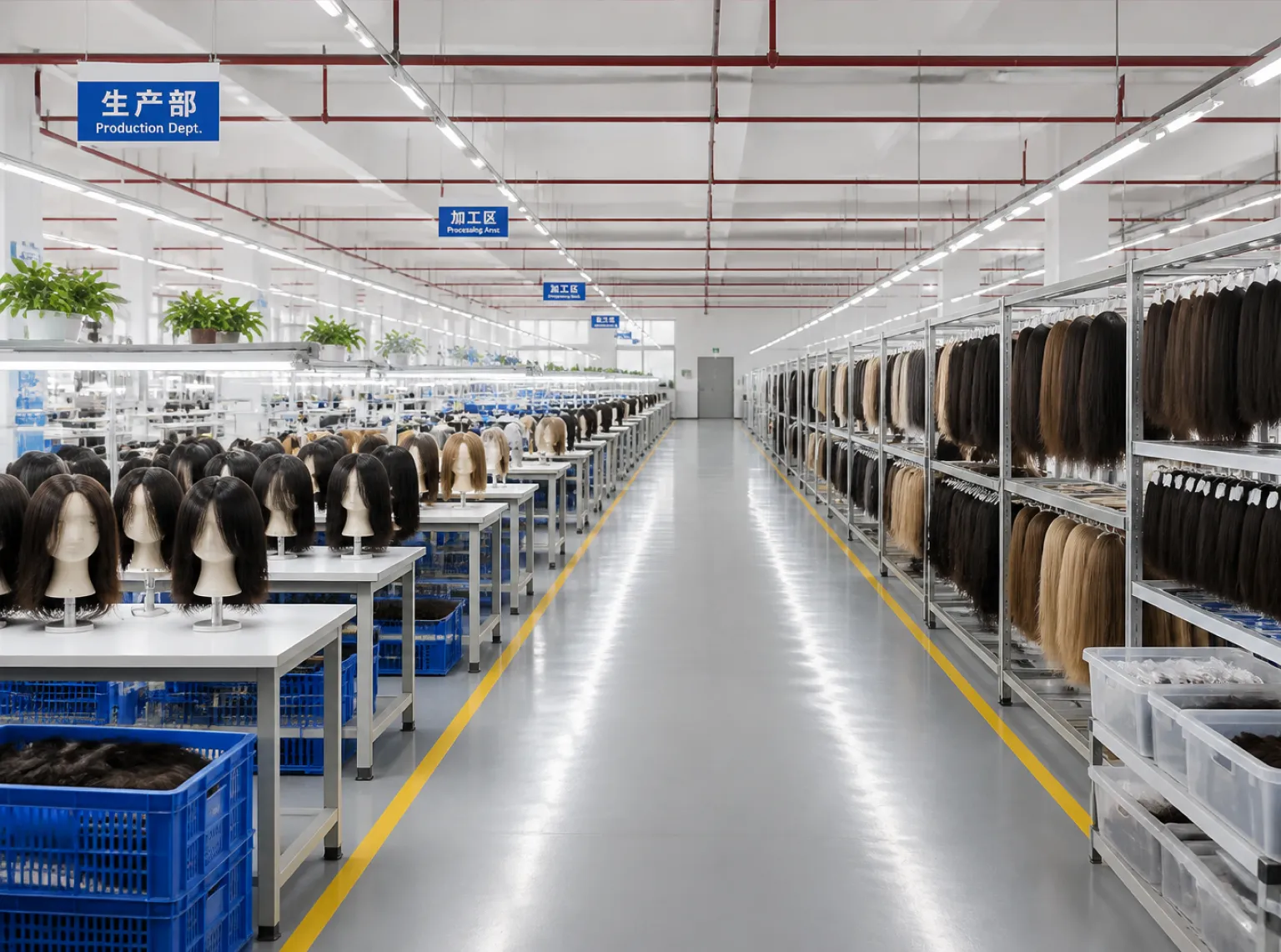
Raysman operates a specialized 10,000-square-meter production facility in Zhejiang, engineered specifically for commercial buyers and brand operators worldwide. The manufacturing infrastructure supports complex synthetic hair programs, utilizing advanced PET and modacrylic fiber blends governed by strict quality control frameworks. The facility maintains adherence to ISO 9001 quality management principles, ensuring exact density matching, rigorous colorimetric consistency, and highly durable cap assembly across all bulk runs.
Production lines are configured to accommodate high-volume generic outputs alongside highly technical custom development projects requiring manual ventilation. Standard commercial processing ensures reliable lead times, with baseline catalog samples dispatched within 72 hours for evaluation. Organizations prepared to structure a disciplined, scalable supply chain can initiate detailed project specifications directly through the wholesale division for accurate production capacity forecasting, material sampling, and tiered volume pricing schedules.
-

Raysman
Synthetic Wig Manufacturer
Raysman is a Zhejiang-based synthetic wig manufacturer specializing in party, costume, and fashion color wigs — producing over one million pieces a year from our 10,000 m² Longyou facility. We are BSCI, ISO 9001, and OEKO-TEX Standard 100 certified, and a designated supplier to Disney and Walmart.