
The commercial viability of a synthetic wig inventory depends fundamentally on the polymer chemistry of the hair fiber. For wholesale buyers, distributors, and brand procurement teams, specifying "synthetic hair" on a purchase order is insufficient. The synthetic fiber market is divided into distinct chemical categories, primarily modacrylics and polyethylene terephthalate (PET), each engineered for specific thermal thresholds, optical properties, and lifespans. Fiber selection directly dictates the product's retail positioning, safety compliance, and styling parameters. This technical guide outlines the exact specifications, chemical differences, and sourcing metrics for commercial synthetic wig production.
Core Polymer Chemistries in Commercial Production
The fast answer for B2B sourcing: The synthetic wig manufacturing industry utilizes three primary fiber grades. Modacrylic fibers (like Kanekalon and Toyokalon) are the standard for daily wear due to their matte, human-like appearance and self-extinguishing safety profile. Polyethylene Terephthalate (PET) fibers, commonly known as high-temperature or Futura fibers, are utilized when thermal styling up to 180°C (350°F) is required, making them standard for cosplay and styling-heavy applications. Polyvinyl Chloride (PVC) is a budget-tier fiber restricted to low-cost party wigs due to its high luster and poor heat resistance.
Understanding the molecular behavior of these materials allows buyers to align factory orders with precise demographic requirements.
Modacrylic Fibers: Kanekalon and Toyokalon
Modacrylics are copolymers formed from acrylonitrile and vinyl chloride. They dominate the mid-to-high-end synthetic wigs market due to their specific gravity and optical characteristics, which closely mimic human hair.
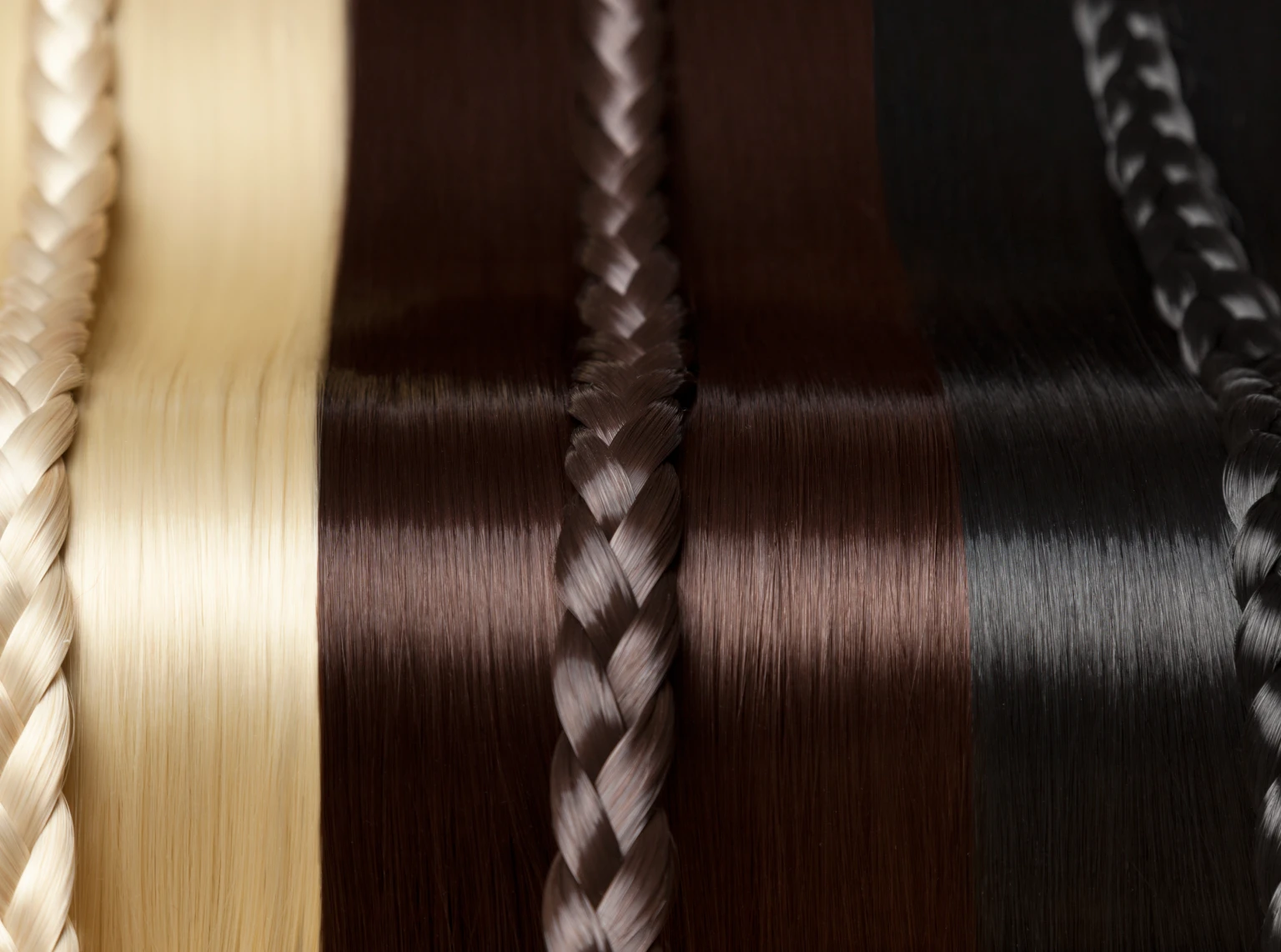
Kanekalon: Developed by the Kaneka Corporation in Japan, Kanekalon remains the industry benchmark for natural texture. The fiber is engineered with an irregular cross-sectional shape, often described as a "kidney bean" or "dog bone" profile. This irregularity scatters light rather than reflecting it directly, eliminating the unnatural, glassy shine associated with cheap synthetics. Kanekalon fibers are lightweight, respond well to hot water setting, and inherently possess flame-retardant properties. When exposed to an open flame, the fiber shrinks and melts, but self-extinguishes immediately upon removal from the heat source.
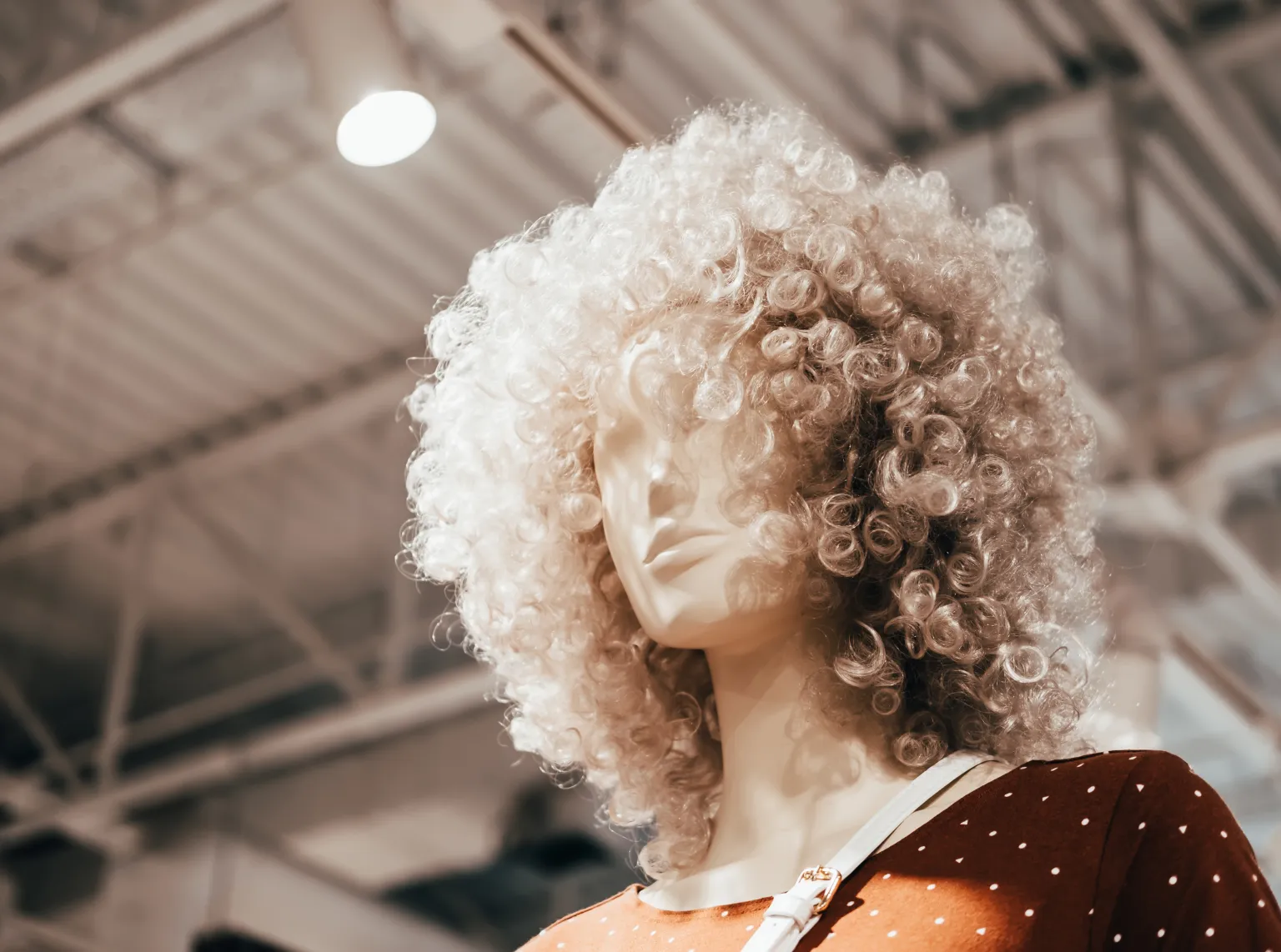
Toyokalon: Another premium modacrylic variant, Toyokalon is structurally optimized for curl retention and volume. It holds deep waves and tight curls significantly better than Kanekalon, making it the preferred fiber for highly textured styles, afro-textured extensions, and voluminous curly units. The trade-off is a slightly higher denier (thickness) and a marginally higher natural luster. Factories frequently blend Kanekalon and Toyokalon in a single unit to achieve a balance of matte realism and structural volume.
Polyethylene Terephthalate (PET): High-Temperature Fibers
As the demand for heat-stylable synthetic hair expanded, the industry shifted toward advanced PET formulations, universally referred to in the trade as "High-Temperature" or "Futura" fibers. Standard modacrylics degrade or melt when exposed to flat irons or curling wands exceeding 100°C (212°F). Advanced PET fibers alter this limitation.
High-temperature fibers maintain structural integrity at temperatures up to 180°C (350°F). This thermal resilience makes PET the mandatory material for cosplay wigs and versatile fashion pieces where the end-user expects to alter the style post-purchase. However, PET fibers generally have a heavier specific gravity than modacrylics, meaning a PET wig will weigh more than a Kanekalon wig of identical density. Furthermore, PET fibers can exhibit tangling if the denier is drawn too fine during extrusion, necessitating careful factory-level quality control regarding fiber thickness.
Technical Comparison Matrix
| Fiber Specification | Modacrylic (Kanekalon) | Modacrylic (Toyokalon) | PET (High-Temperature) |
|---|---|---|---|
| Maximum Heat Resistance | 80°C - 100°C (176°F - 212°F) | 80°C - 100°C (176°F - 212°F) | 160°C - 180°C (320°F - 350°F) |
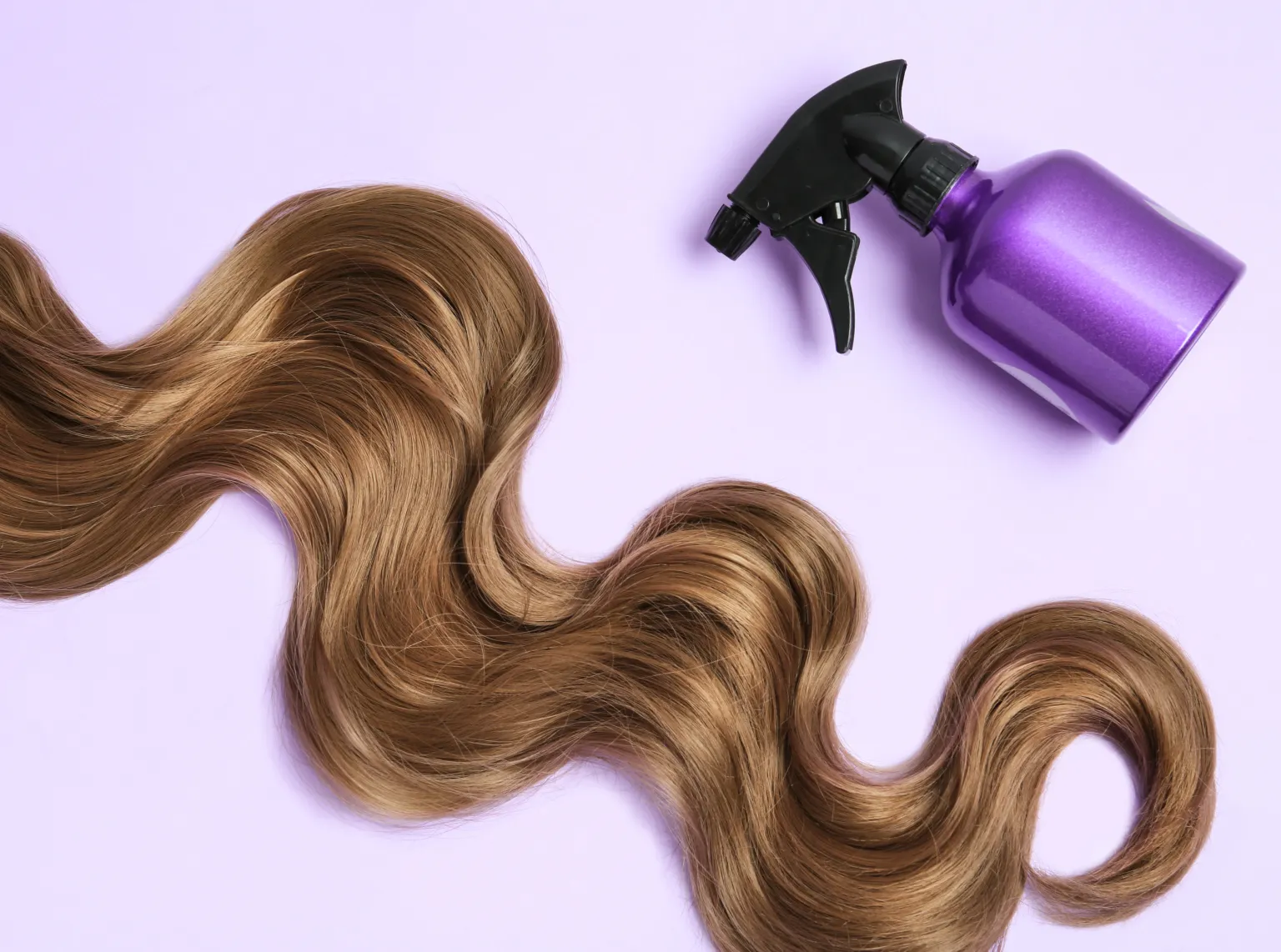
| Optimal Setting Method | Hot water submersion / Steam | Hot water submersion / Steam | Dry thermal styling tools (Irons) |
| Light Reflection (Luster) | Low (Matte, highly realistic) | Medium | Medium to Low (Depends on processing) |
| Flammability Profile | Self-extinguishing (EN 71-2 compliant) | Self-extinguishing | Melts, requires retardant additives |
| Primary Application | Daily wear, medical wigs, natural styles | Volume styles, curly units, afro textures | Cosplay, theatrical, heat-styled units |
Cross-Sectional Engineering and Optical Physics
The realism of a synthetic wig is governed by optical physics. Human hair shafts are rarely perfectly cylindrical; they are typically elliptical or irregular. When a factory extrudes synthetic polymers through perfectly circular spinnerets, the resulting fiber acts as a microscopic cylindrical mirror. It reflects ambient light uniformly, creating a high-gloss, artificial "plastic" appearance.
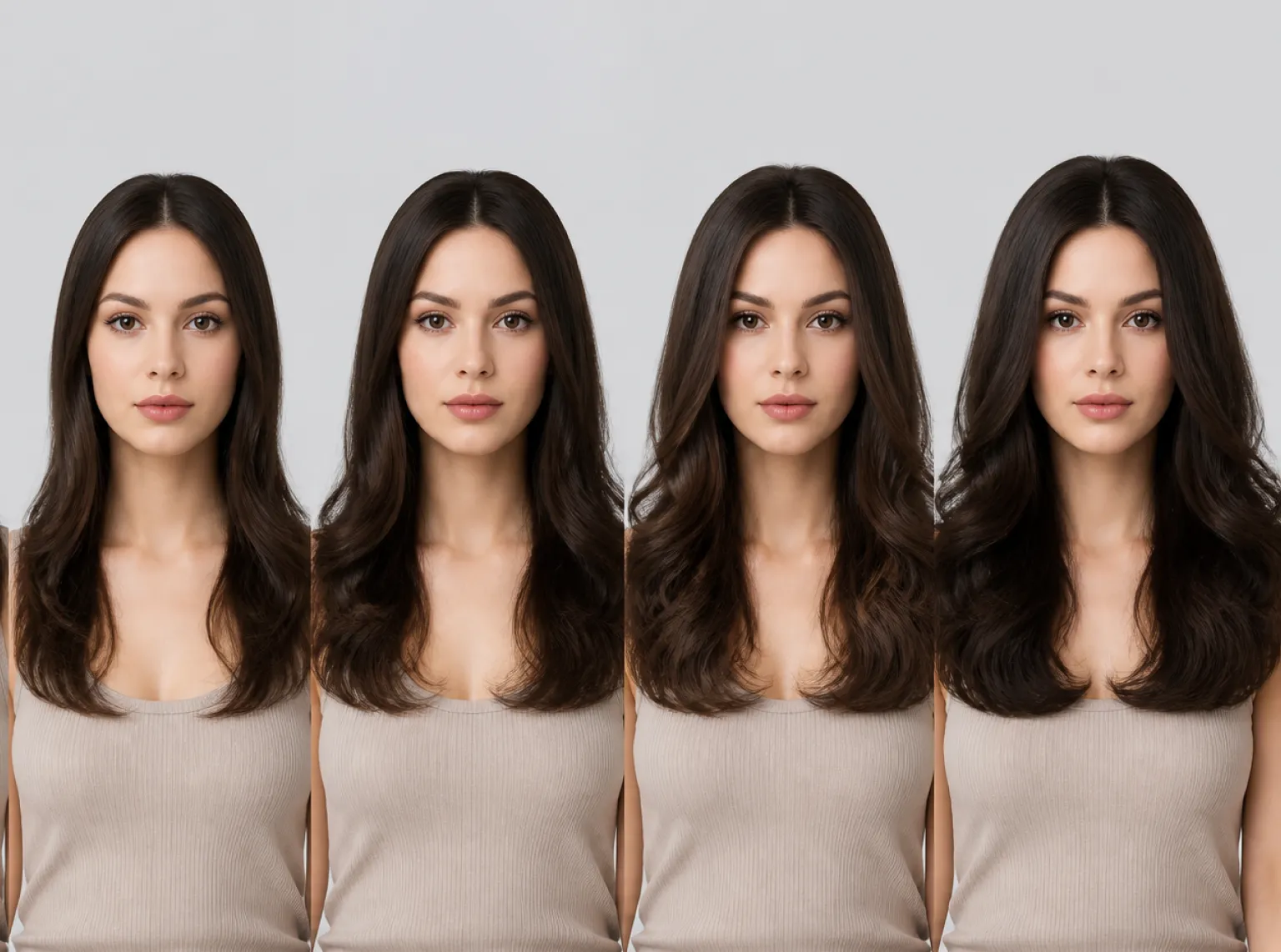
Premium fiber manufacturers modify the extrusion process to create non-circular cross-sections. By utilizing star-shaped, kidney-shaped, or multi-lobal spinnerets, the extruded fiber possesses longitudinal microscopic grooves. These grooves disrupt uniform light reflection, scattering photons and simulating the natural, semi-matte appearance of keratin. When specifying orders for realistic lace front wigs, procurement officers must mandate non-circular extruded fibers to ensure retail viability in the daily-wear market.
Weight, Cap Load, and Wefting Strategies
Fiber density and weight dictate cap construction. PET fibers possess a higher specific gravity than modacrylics. If a factory uses the identical weight in grams for a PET wig as a Kanekalon wig, the PET wig will have less physical volume. To achieve the same visual density, more PET fiber must be wefted into the cap, increasing the total weight of the unit.
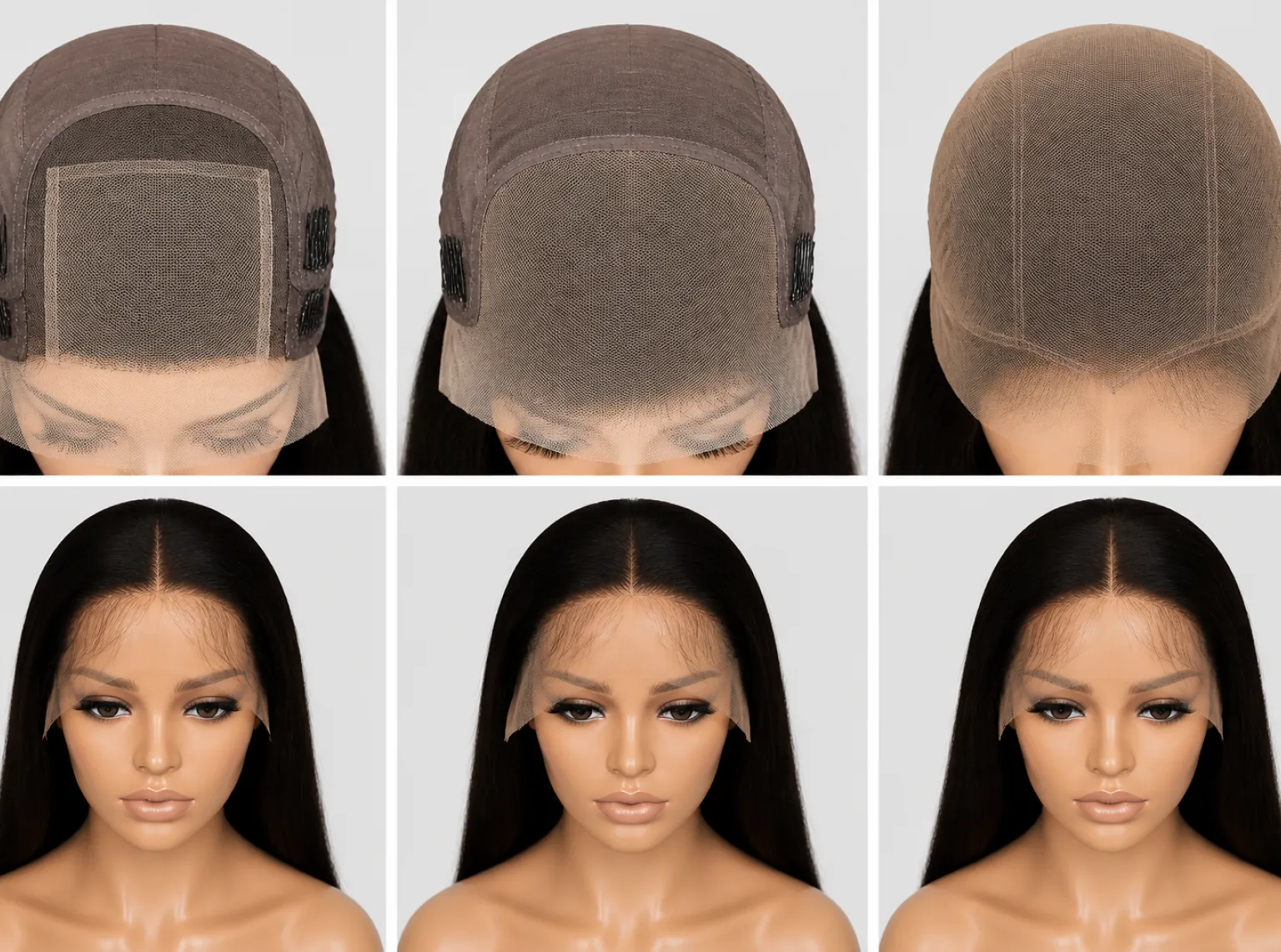
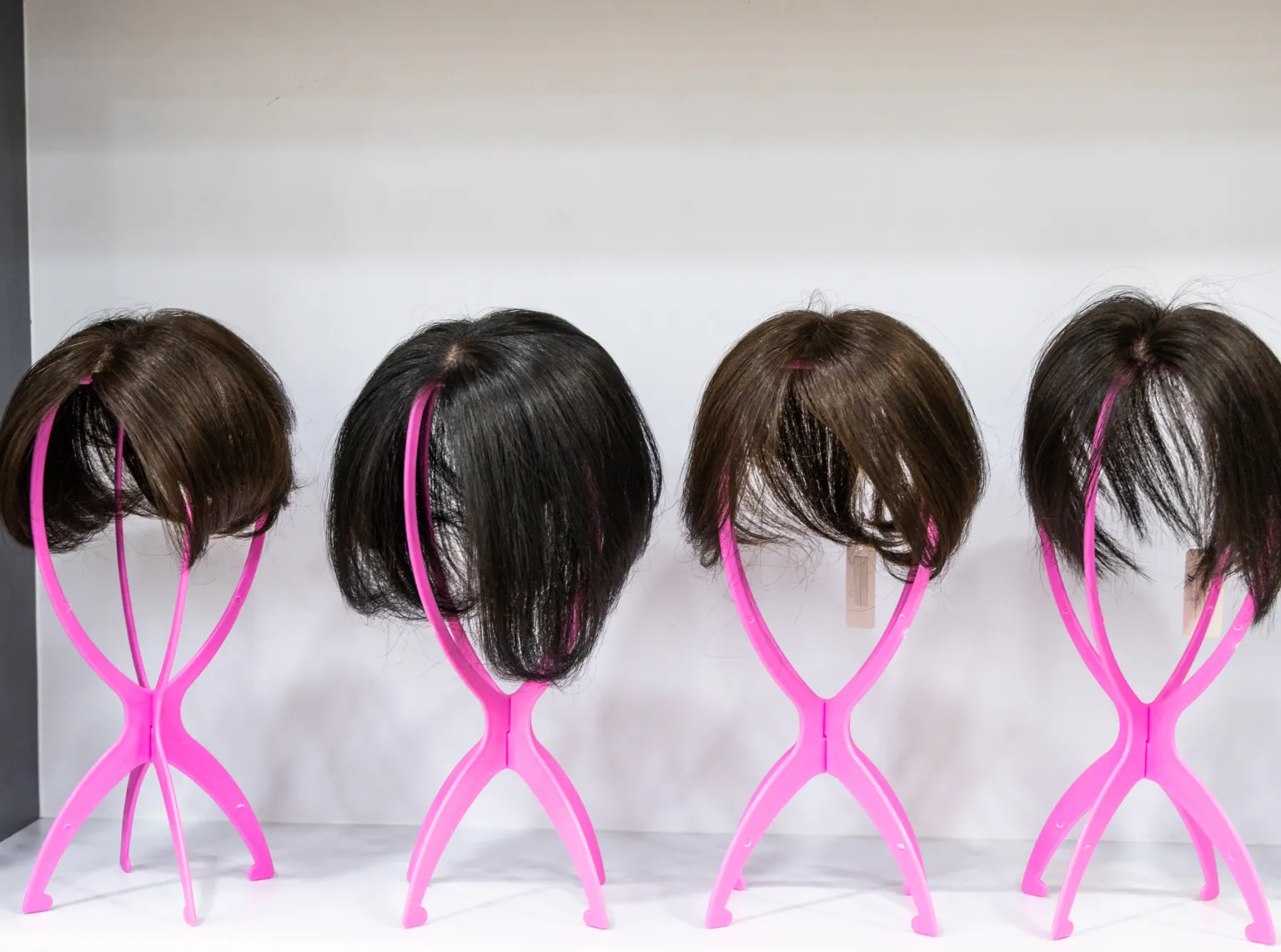
This weight increase requires strategic wefting. Heavy PET bundles require reinforced lace matrices and tension-distributed weft sewing to prevent cap distortion. Conversely, the lightweight nature of modacrylics allows for high-volume, low-weight units, which are critical for medical applications or prolonged daily wear where scalp fatigue is a factor.
Strategic Fiber Selection by Retail Category
Proper inventory management requires aligning fiber specifications with target demographics:
- Cosplay and Theatrical Markets: This demographic demands structural modification. Buyers must specify high-temperature PET fibers. Modacrylics will fail immediately under the thermal load of cosplay styling tools.
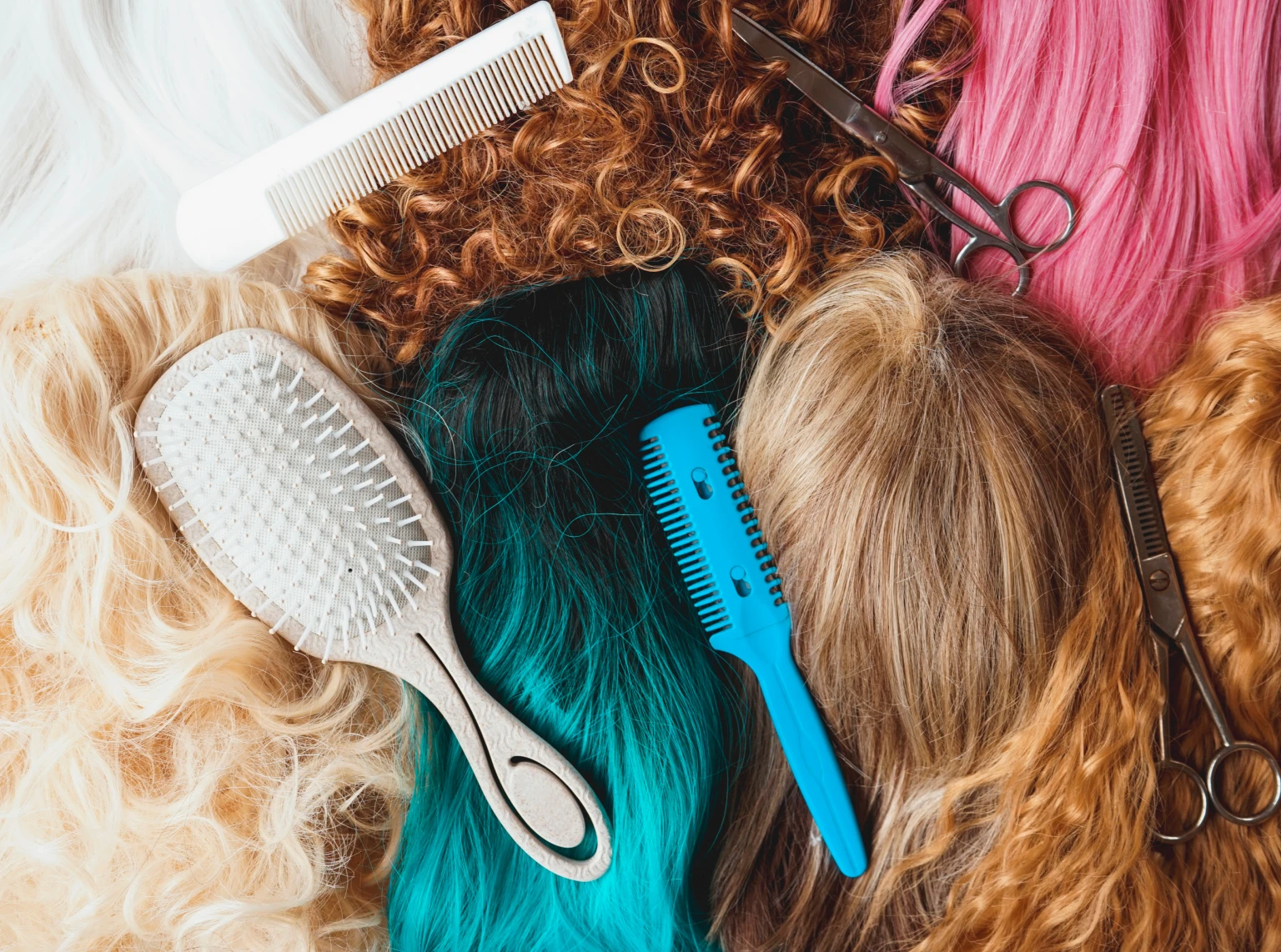
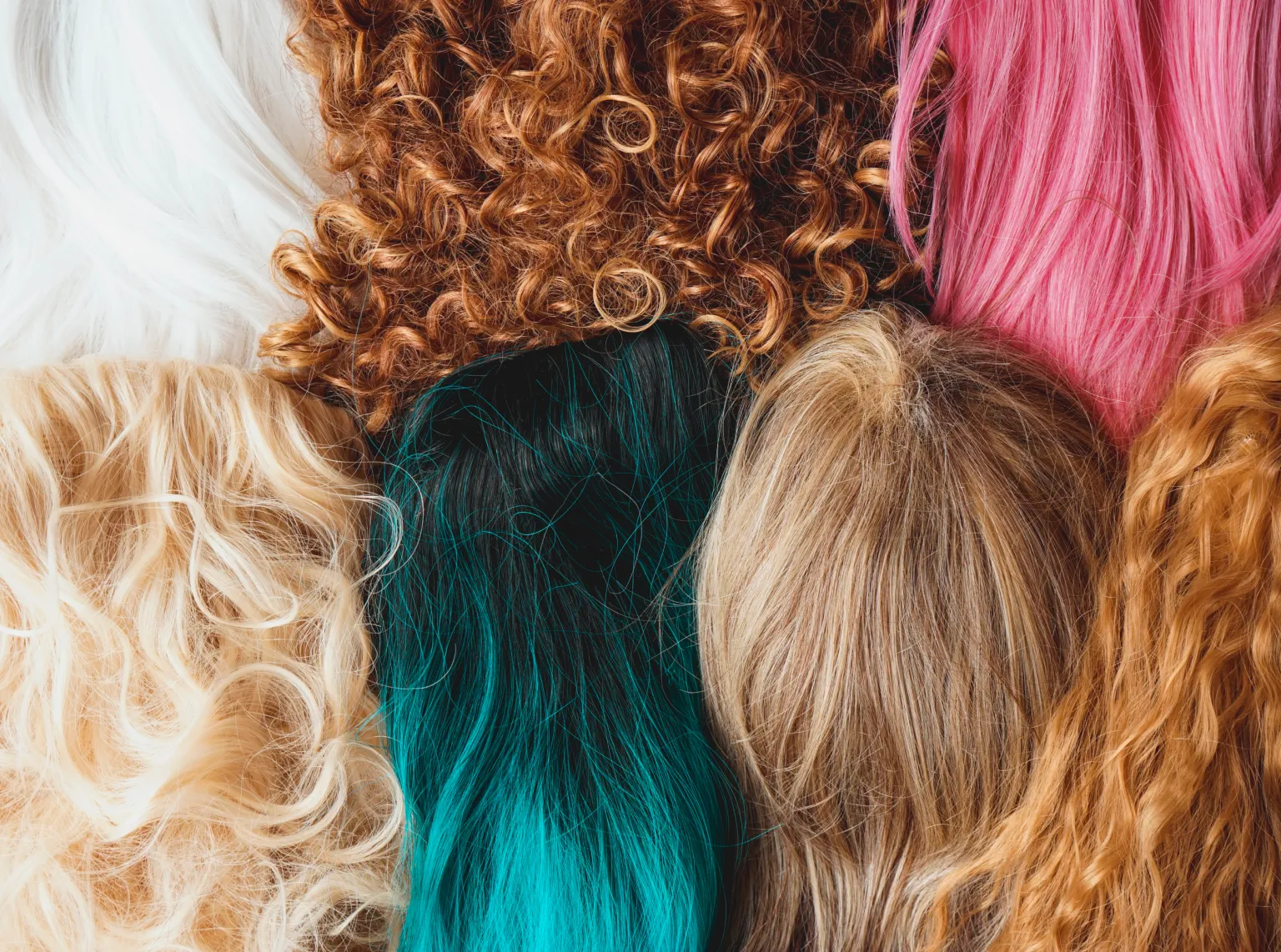
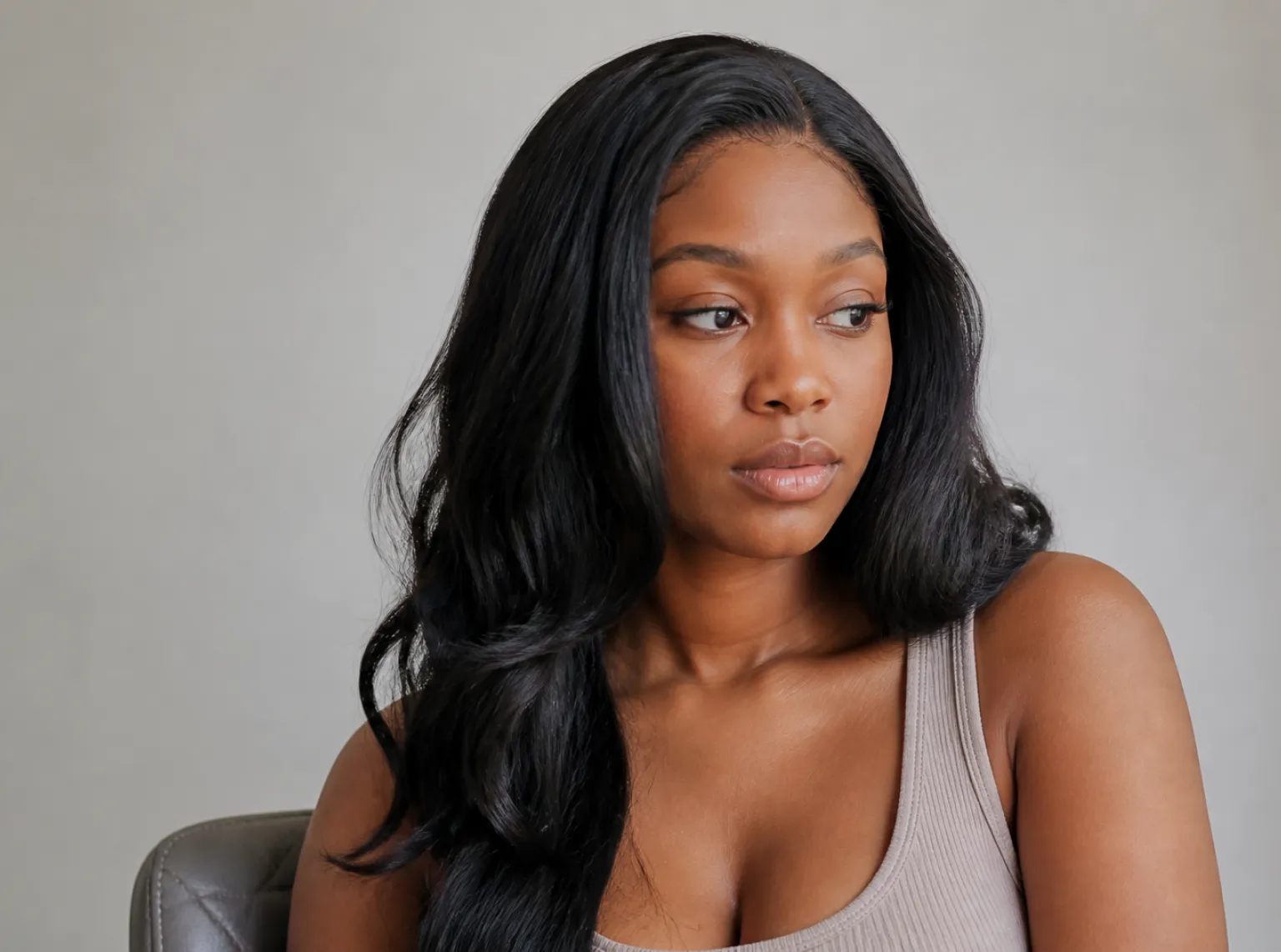
- Daily Wear and Fashion: Realism is the primary metric. Kanekalon or Kanekalon/PET blends provide the required matte finish and structural longevity. Colored wigs targeting fashion consumers should leverage Kanekalon's superior color dye absorption rates for vibrant, fade-resistant shades.
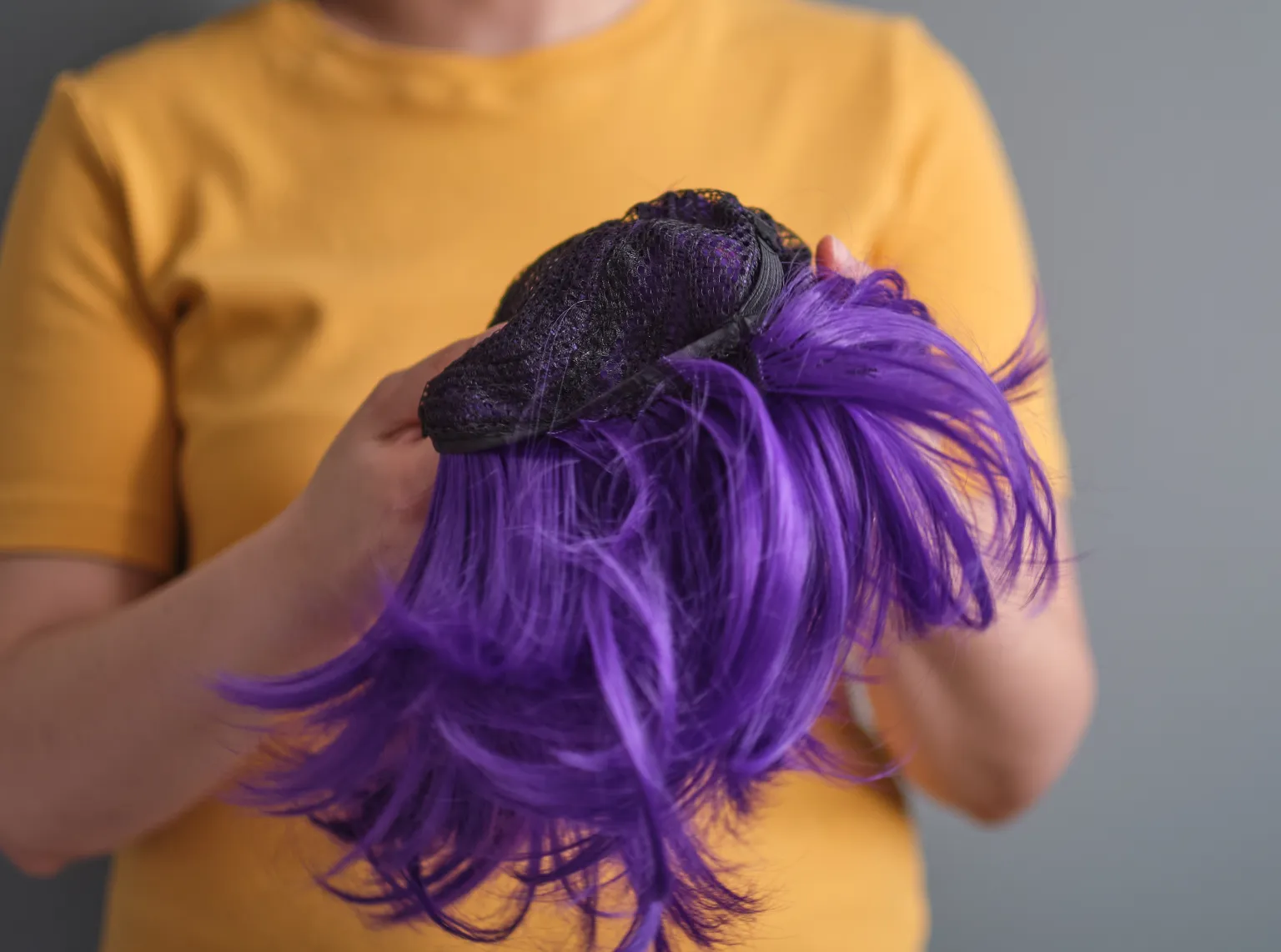
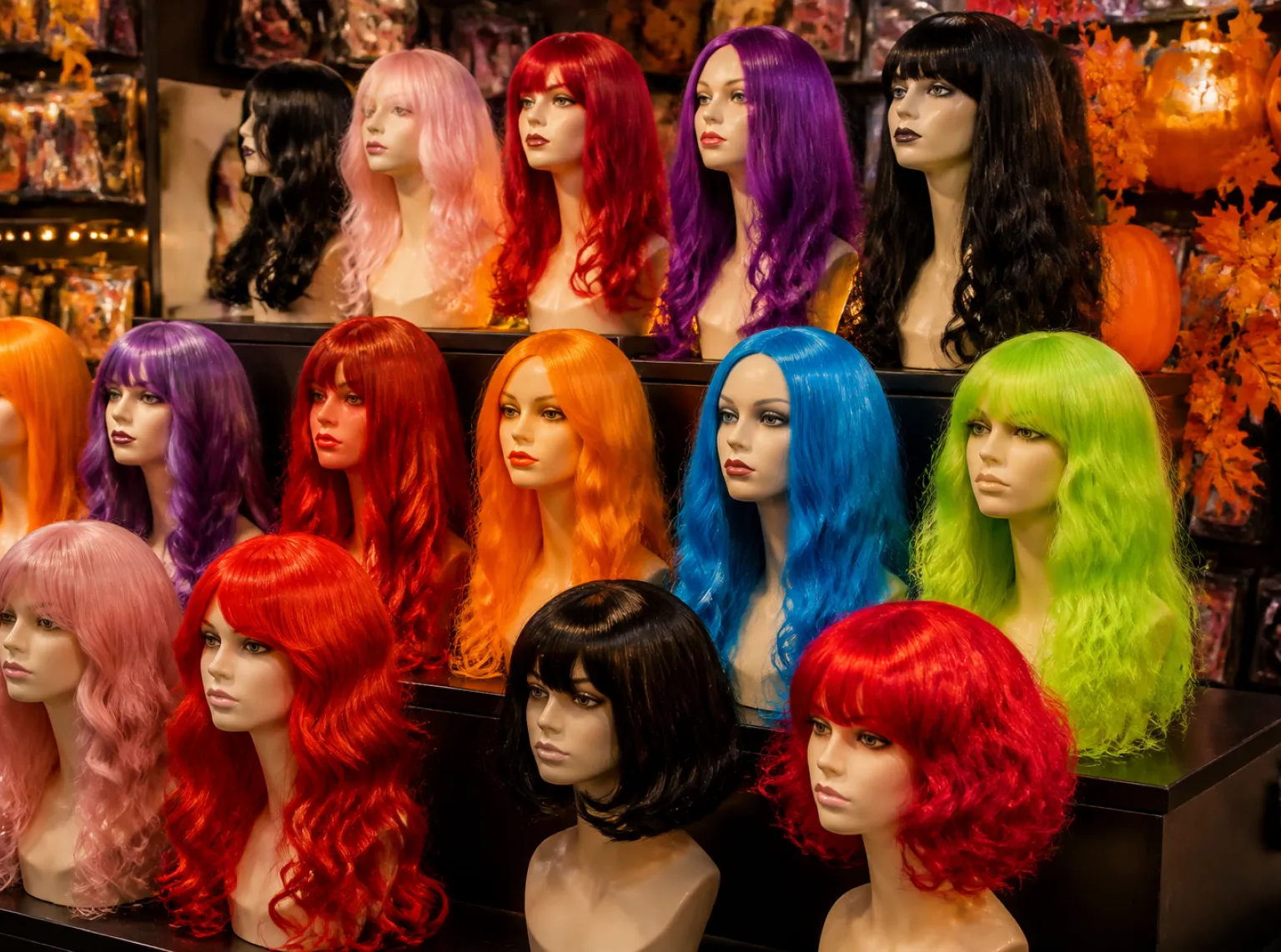
- Seasonal and Event Markets: Halloween and festival units prioritize vibrant color and volume over extreme realism or heat styling. Party wigs often utilize Toyokalon for robust curl retention or budget-tier PET, ensuring cost-effectiveness for single-use or short-term wear.
Quality Control: Factory-Level Fiber Verification
B2B buyers must implement strict Quality Control (QC) verification upon receiving sample batches or bulk shipments. Visual inspection is inadequate. Procurement teams should execute the following physical tests:
1. The Thermal Test: Isolate a small bundle of fibers. Apply a standard flat iron set to 150°C (300°F). High-temperature PET will remain structurally sound and retain the iron's shape upon cooling. Standard modacrylics will immediately shrivel, crimp, or melt onto the plates.
2. The Combustion Test (Flame Test): Expose a fiber strand to an open lighter flame, then remove the flame. Modacrylic (Kanekalon/Toyokalon) will ignite, emit a distinct odor reminiscent of burning acrylic, shrink, and self-extinguish the moment the heat source is removed, leaving a hard, black, crushable bead. PET will melt, drip, and potentially continue to burn briefly, smelling of sweet burning plastic.
3. The Tensile and Tangling Assessment: Vigorously rub a section of the hair against itself to generate static friction, simulating wear against clothing collars. Inferior thin-denier PET will immediately form micro-knots. Premium modacrylics and properly calibrated PET will separate cleanly with a wide-tooth comb.
Raysman Production Specifications
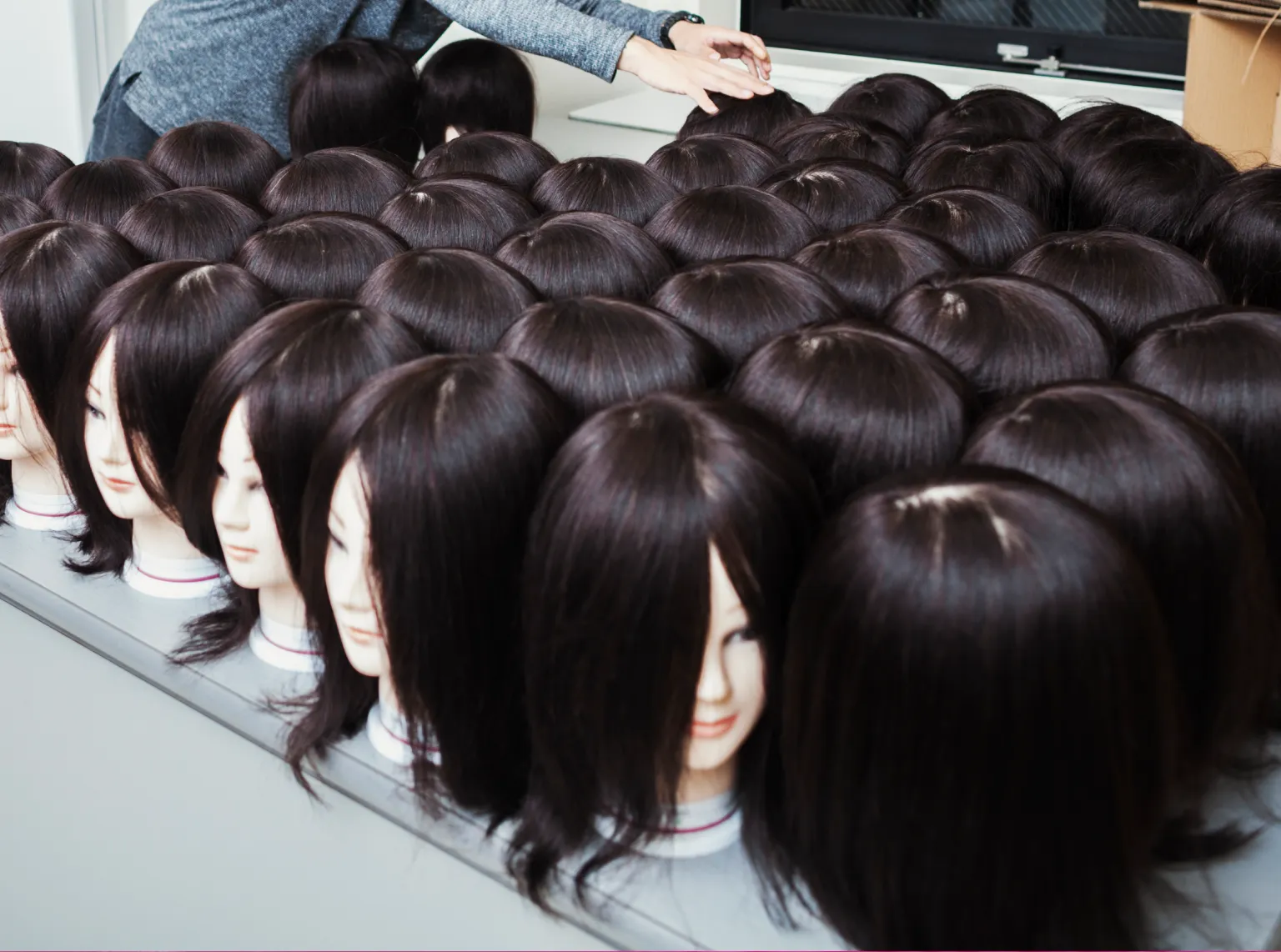
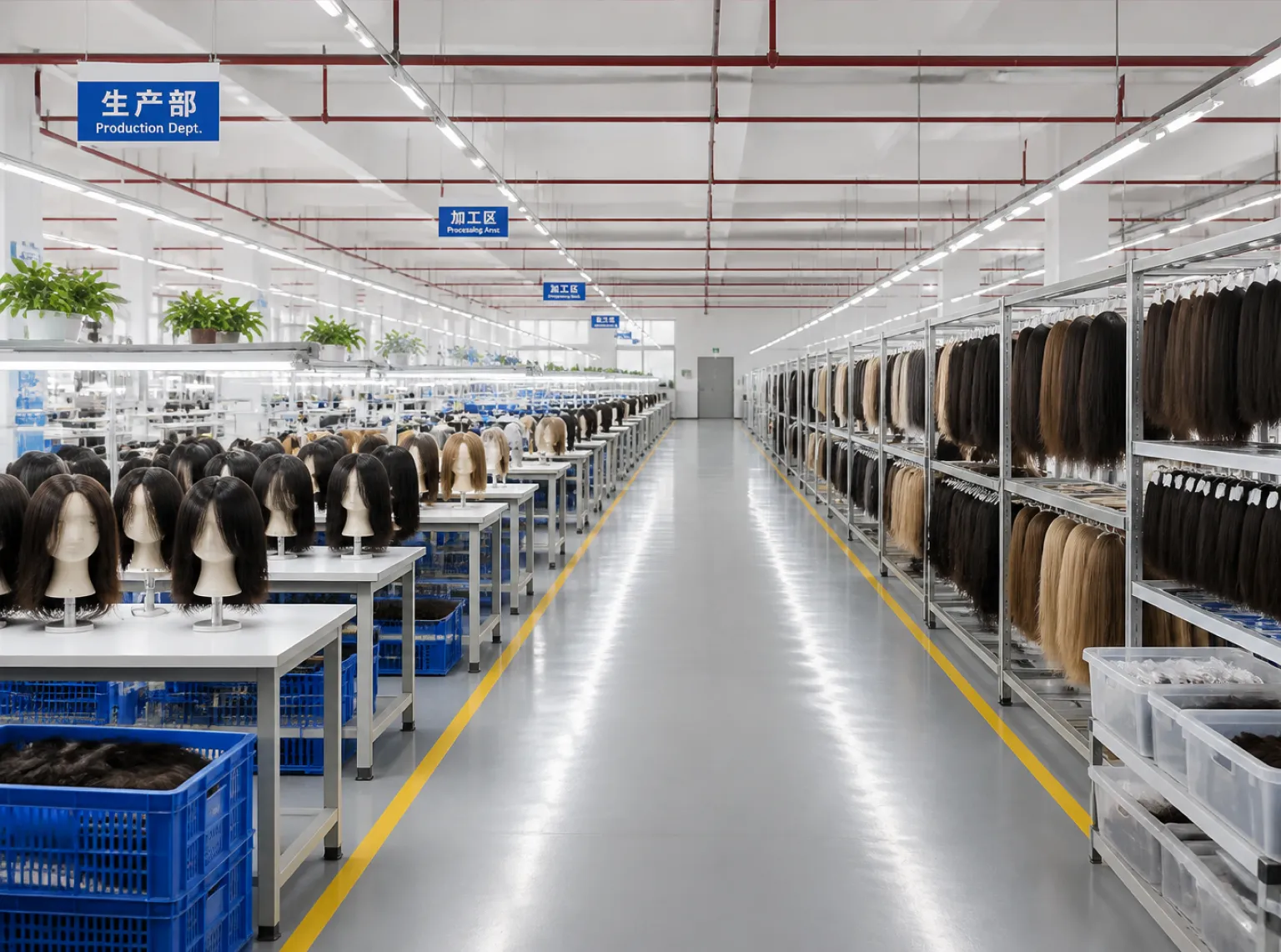
Material specification is the foundation of reliable manufacturing. Raysman operates strictly defined production lines segregated by fiber chemistry. Our procurement network sources verified Kanekalon modacrylics and industrial-grade high-temperature PET directly from validated polymer extrusion facilities. Whether your demographic requires the thermal resilience of PET for cosplay distribution or the lightweight, matte realism of modacrylics for daily-wear collections, our engineering teams calibrate denier, cross-sectional profiles, and cap load limits to exact technical requirements. Buyers finalizing their seasonal inventory can review our full capability parameters through our wholesale program documentation.
-

Raysman
Synthetic Wig Manufacturer
Raysman is a Zhejiang-based synthetic wig manufacturer specializing in party, costume, and fashion color wigs — producing over one million pieces a year from our 10,000 m² Longyou facility. We are BSCI, ISO 9001, and OEKO-TEX Standard 100 certified, and a designated supplier to Disney and Walmart.