
Every wholesale wig order ends with the same question: do you release the balance payment and let the cartons ship? The tool the industry built to answer that question without inspecting every unit is AQL sampling, codified in ISO 2859-1 and its American equivalent ANSI/ASQ Z1.4. Buyers who understand how the system works negotiate quality from a position of strength. Buyers who do not often misread the acronym as a promise that 2.5 percent of their order may arrive defective, which is not what the standard says at all. This guide walks through the mechanics of AQL inspection as they apply to wig shipments: the defect classes, the sampling table, the inspection stages, and the contract language that makes the numbers enforceable.
The short answer for buyers. AQL stands for Acceptance Quality Limit, the worst process-average defect rate a sampling plan is designed to tolerate. The standard configuration for consumer goods is AQL 0 for critical defects, 2.5 for major defects, and 4.0 for minor defects, applied at General Inspection Level II. A 1,500-unit wig order inspected under that configuration pulls a random sample of 125 units: the lot passes with up to 7 major defects and fails at 8. One critical defect fails the lot regardless of any other number.
What AQL Actually Means, and What It Does Not
ISO 2859-1 defines AQL as the worst tolerable process average across a continuing series of lots. Two practical consequences follow. First, AQL 2.5 is not a defect allowance written into your shipment; a passing lot can contain more or fewer than 2.5 percent defective units, because sampling trades certainty for cost. Second, the system is built for ongoing supplier relationships, where switching rules tighten or relax scrutiny based on the inspection history of recent lots. If two out of five consecutive lots fail normal inspection, the standard escalates the next lot to tightened inspection, where the sample size stays the same but the acceptance number drops. Five consecutive passes return the relationship to normal.
One update matters for contracts written this year. ISO 2859-1:2026 replaced the 1999 edition, formalizing skip-lot sampling procedures and removing the printed operating characteristic tables. A purchase order clause that says "inspection per ISO 2859-1" without a year now points at a moving target. Write the edition you mean.
The Three Defect Classes, Translated for Wig Orders
AQL sampling only works when both parties classify defects the same way. The generic garment definitions need translation into wig terminology before they appear on an inspection checklist.
| Class | AQL | Definition | Wig-Specific Examples |
|---|---|---|---|
| Critical | 0 | Unsafe, illegal, or non-compliant | Metal or needle fragments in the cap; flammability failure on costume units; restricted-substance test failure; missing mandatory labeling |
| Major | 2.5 | Likely to trigger a return or make the unit unsellable | Cap circumference outside tolerance; unit weight deviating more than 5% from spec; lace tears or open wefts; color mismatch against the approved swatch; heavy shedding or matting out of the box |
| Minor | 4.0 | Cosmetic departures a customer would not reject | Untrimmed thread ends; slight packaging creasing; minor label misalignment within readability |
The major-defect examples connect directly to specifications covered elsewhere in this series. Unit weight tolerance is the enforcement mechanism behind the density percentages detailed in our wig density guide, and cap circumference tolerance operationalizes the sizing standards from the cap measurement guide. A specification without a defect class and an AQL attached is a wish, not a requirement.
Reading the Sampling Table: From Lot Size to Verdict
The system runs as a two-table lookup. Table I converts lot size and inspection level into a code letter. Table II-A converts the code letter and AQL into a sample size with acceptance and rejection numbers. At General Inspection Level II, the default for consumer goods, the common wig order sizes resolve as follows:
| Lot Size | Code Letter | Sample Size | Major (AQL 2.5) Ac / Re | Minor (AQL 4.0) Ac / Re |
|---|---|---|---|---|
| 501 - 1,200 units | J | 80 | 5 / 6 | 7 / 8 |
| 1,201 - 3,200 units | K | 125 | 7 / 8 | 10 / 11 |
| 3,201 - 10,000 units | L | 200 | 10 / 11 | 14 / 15 |
| 10,001 - 35,000 units | M | 315 | 14 / 15 | 21 / 22 |
Worked example: a 1,500-unit order of synthetic wigs at Level II draws code letter K and a sample of 125 units pulled at random from packed cartons. The inspector finds 6 major defects and 9 minor defects. Both counts sit below the acceptance numbers of 7 and 10, so the lot passes. Had the major count reached 8, the entire 1,500-unit lot would fail and return to the factory for sorting and rework before re-inspection. One critical defect at any point fails the lot outright.
Two operational notes. First, a lot is normally one style in one color in one delivery; a 1,500-unit order split across three colorways is three lots of 500, and the sample plan applies to each. Second, the switching rules reward track record: ten consecutive passing lots can qualify a supplier for reduced inspection, cutting inspection cost on repeat orders without changing the underlying standard.
The Four Inspection Stages of a Wig Order
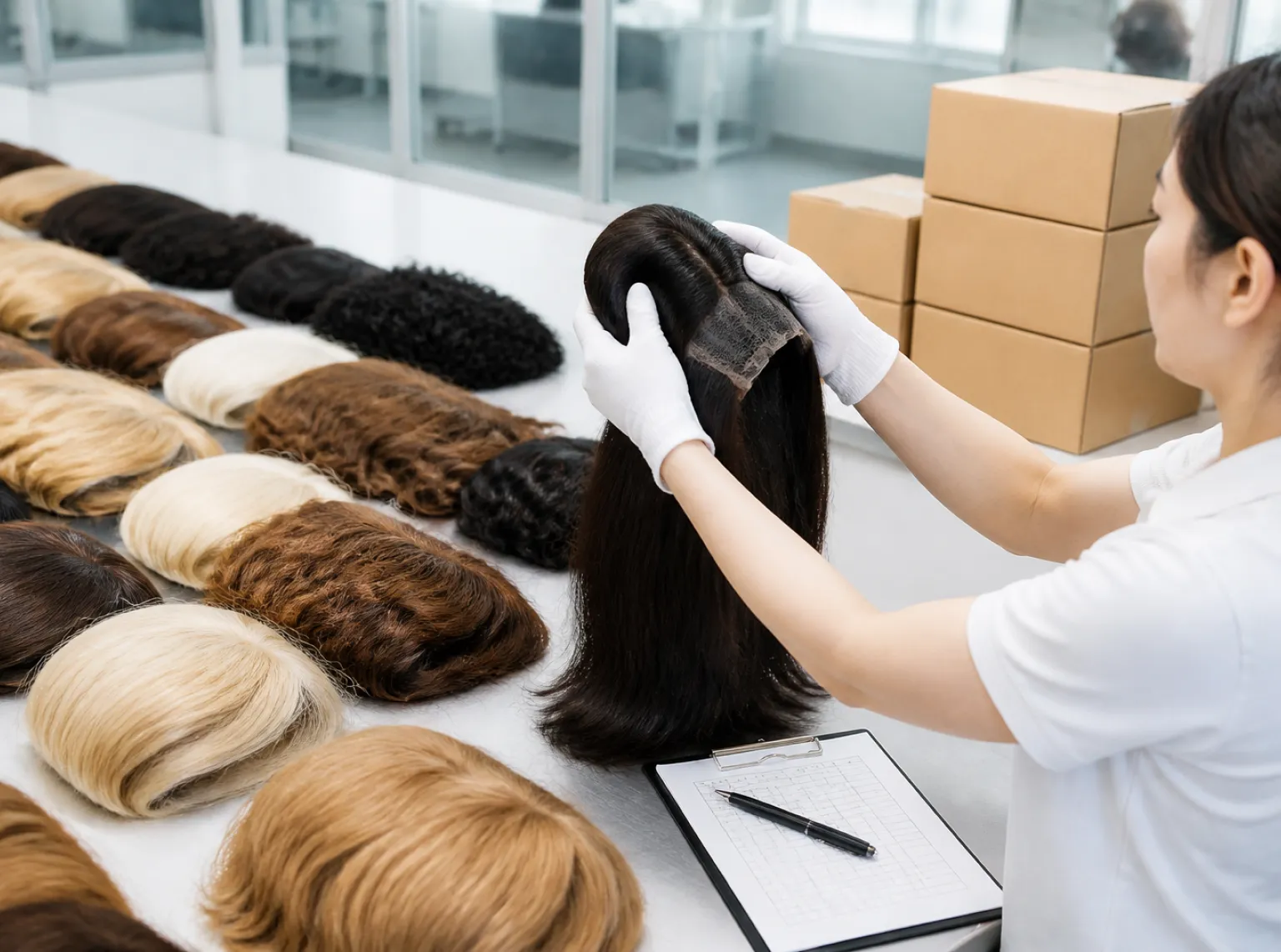
AQL sampling governs the final decision, but a serious quality program checks the order four times. Pre-production inspection verifies fiber lots, cap materials, and dye references before ventilation begins, catching substitution when correction is still cheap. During-production inspection (DUPRO) opens the line when 10 to 50 percent of units are complete, exposing systematic errors while most of the order is still correctable. Pre-shipment inspection (PSI), the stage where AQL sampling applies, runs when at least 80 percent of the order is produced and packed. Container loading supervision confirms the cartons that passed inspection are the cartons that ship, in the quantities on the packing list. Skipping the first two stages concentrates all risk into the PSI, which is the most expensive place to find a problem.
Factory QC and Third-Party Inspection Are Different Layers
A manufacturer's internal QC and a third-party inspection answer different questions. Internal QC controls the process; third-party inspection verifies the outcome for a buyer who is not on the floor. The major inspection firms operating in China, including SGS, Intertek, Bureau Veritas, and QIMA, typically charge a few hundred dollars per man-day, and a standard wig PSI fits inside one man-day for most order sizes. Buyers should commission third-party PSI on the first two or three orders with any new factory, on any order above a value threshold they cannot afford to lose, and after any failed internal inspection. The vetting framework in our supplier evaluation guide covers how to read a factory's willingness to host outside inspectors as a quality signal in itself.
Writing QC Terms Into the Purchase Order
The inspection clause that works names the standard, the edition, the level, the AQL set, and the reference sample in one sentence: "Inspection per ISO 2859-1:2026, General Inspection Level II, AQL 0 critical / 2.5 major / 4.0 minor, against the sealed golden sample." Every term in that sentence is defined in a document both parties can read. Add three supporting clauses: the tolerance table for weight and measurements, the defect classification list from the section above, and the failure protocol covering who pays for rework and re-inspection and on what deadline. Buyers running custom OEM programs should extend the clause to cover private-label packaging, barcodes, and label content, which fail as majors when wrong.
How Raysman Runs Quality Control
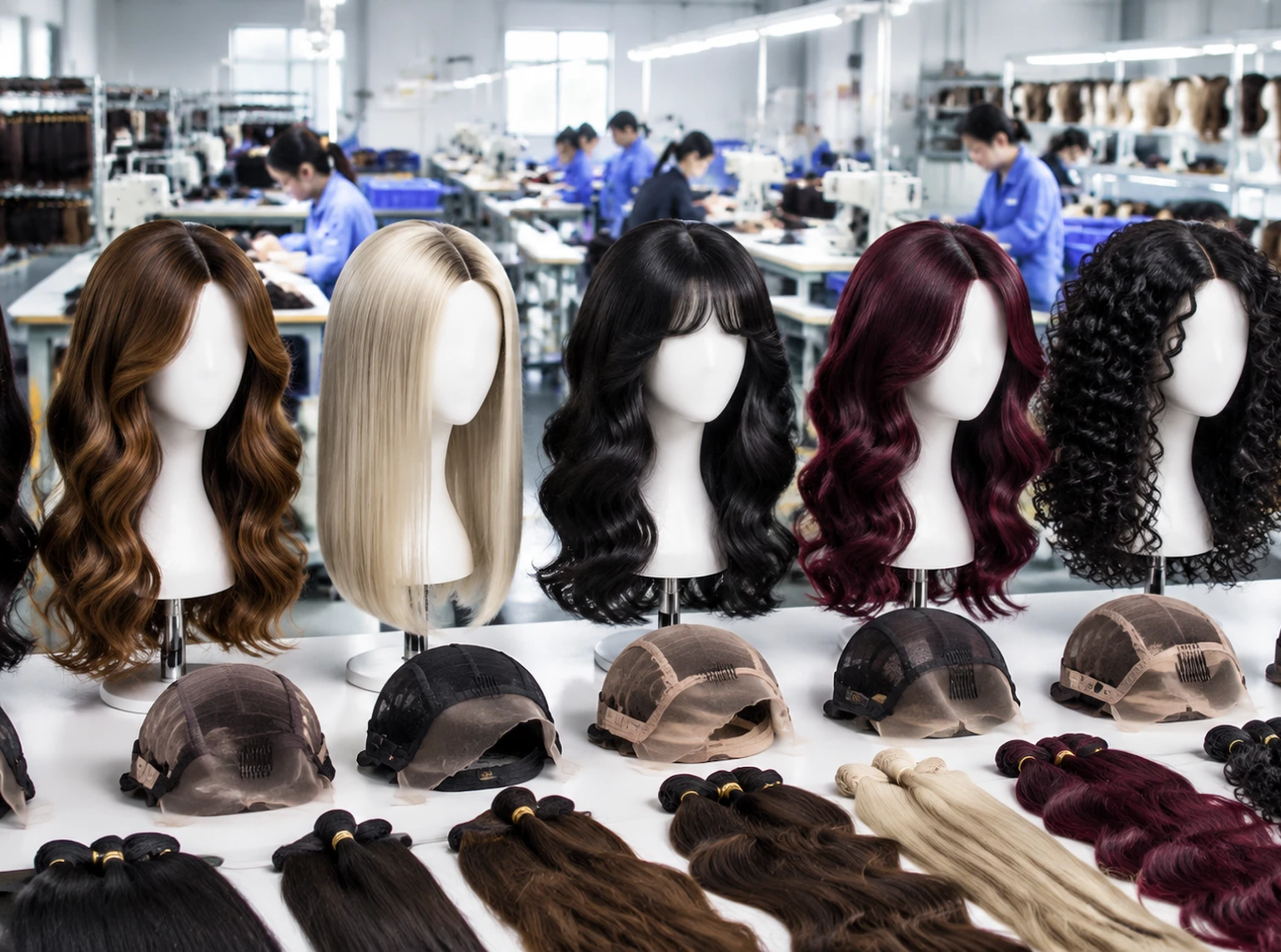
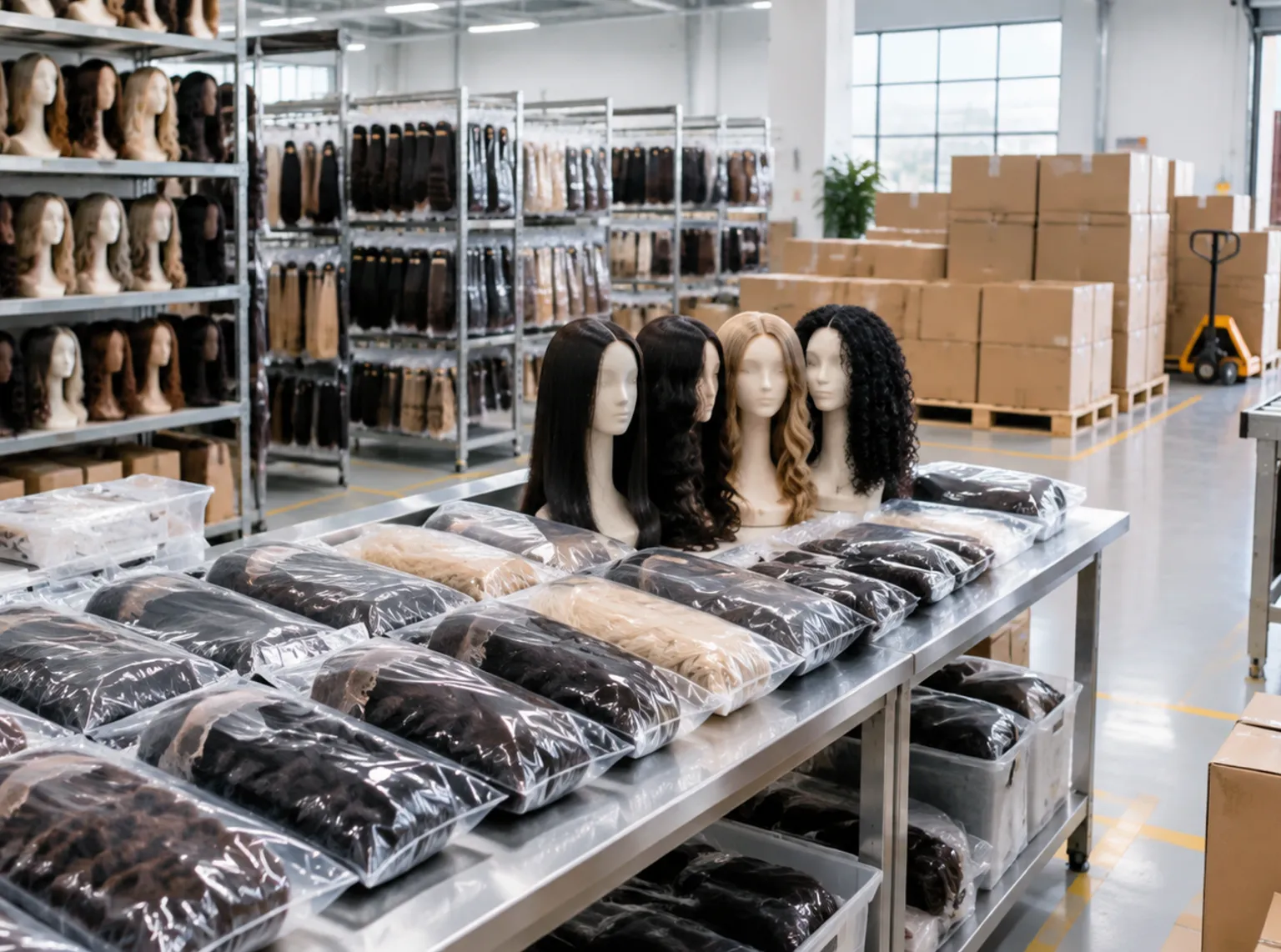
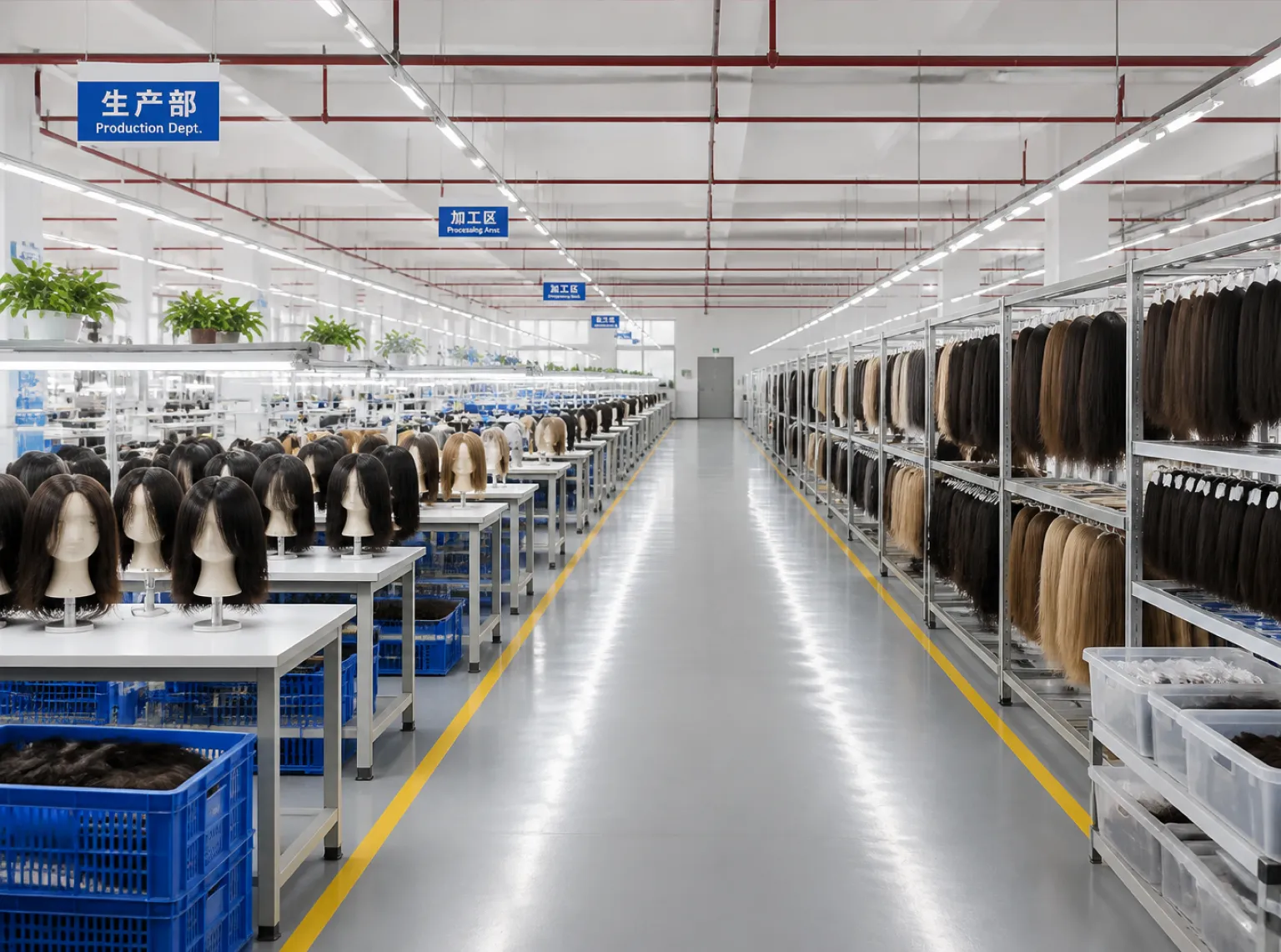
Our production floor runs a 7-stage inline inspection sequence from fiber intake through final packing, and every wholesale order closes with a final audit at AQL 2.5 before release. Buyers are welcome to commission third-party inspection at any stage, and our export desk coordinates directly with the inspector of your choice. To review the production environment behind these numbers, see the factory overview, or send your SKU list through the wholesale program for a quote that includes the inspection clause above as standard language.
-

Raysman
Synthetic Wig Manufacturer
Raysman is a Zhejiang-based synthetic wig manufacturer specializing in party, costume, and fashion color wigs — producing over one million pieces a year from our 10,000 m² Longyou facility. We are BSCI, ISO 9001, and OEKO-TEX Standard 100 certified, and a designated supplier to Disney and Walmart.