
The commercial success of a synthetic wig inventory depends directly on the polymer chemistry of the raw fiber. For wholesale buyers, regional distributors, and brand procurement teams, specifying generic "synthetic hair" on a purchase order introduces unacceptable quality risks. The synthetic fiber market is divided into distinct polymer categories—primarily modacrylics and polyethylene terephthalate (PET)—each engineered for specific thermal thresholds, optical gloss levels, and tensile lifespans. Understanding these chemical distinctions allows procurement officers to align factory production specifications with exact retail demographic requirements.
Modacrylic Polymers: The Industry Benchmark
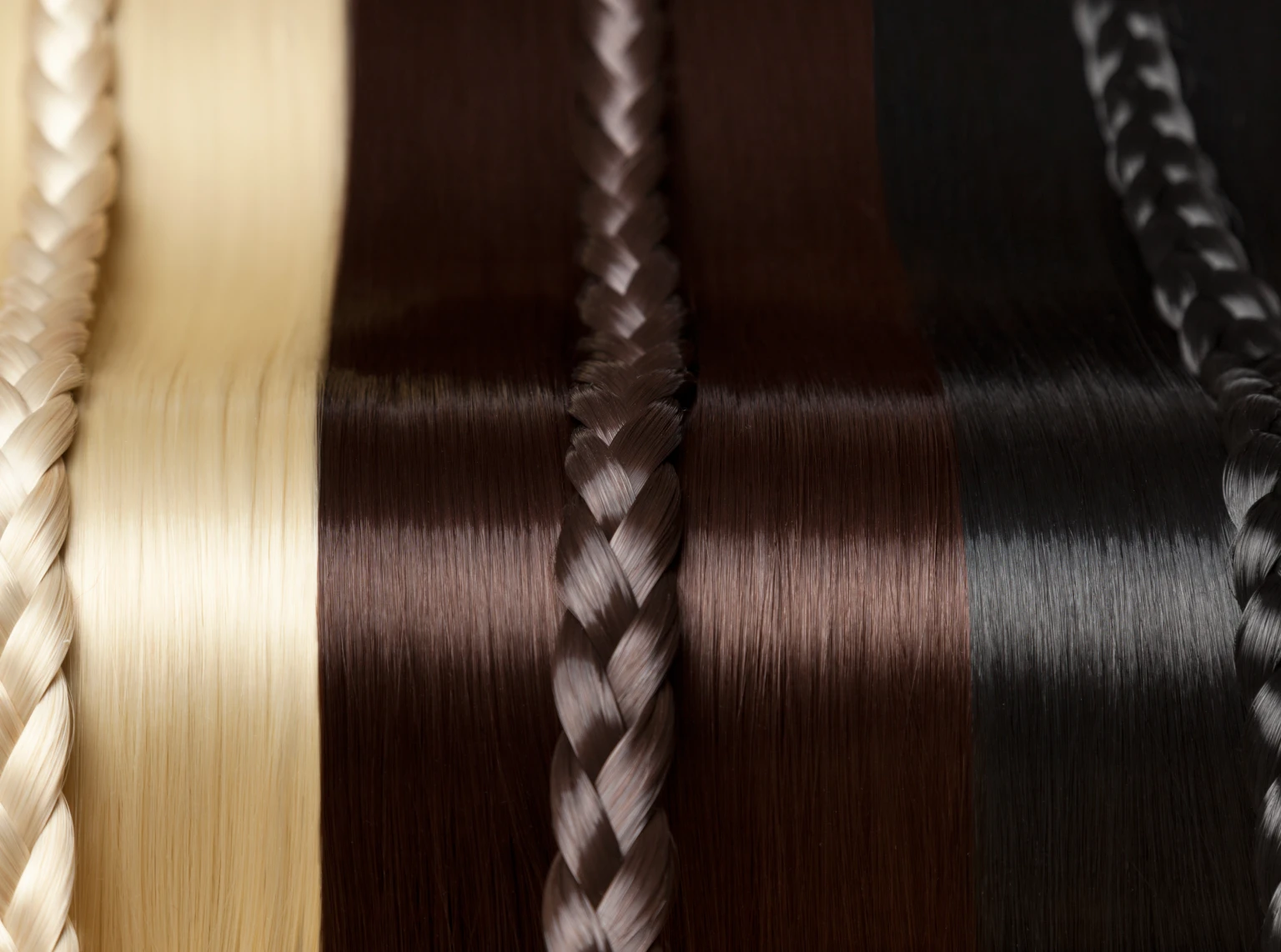
Modacrylic fibers form the foundational standard for daily-wear and medical wig collections. These copolymers, derived from acrylonitrile and vinyl chloride, possess inherent flame-retardant properties and a specific gravity that closely mirrors human keratin.
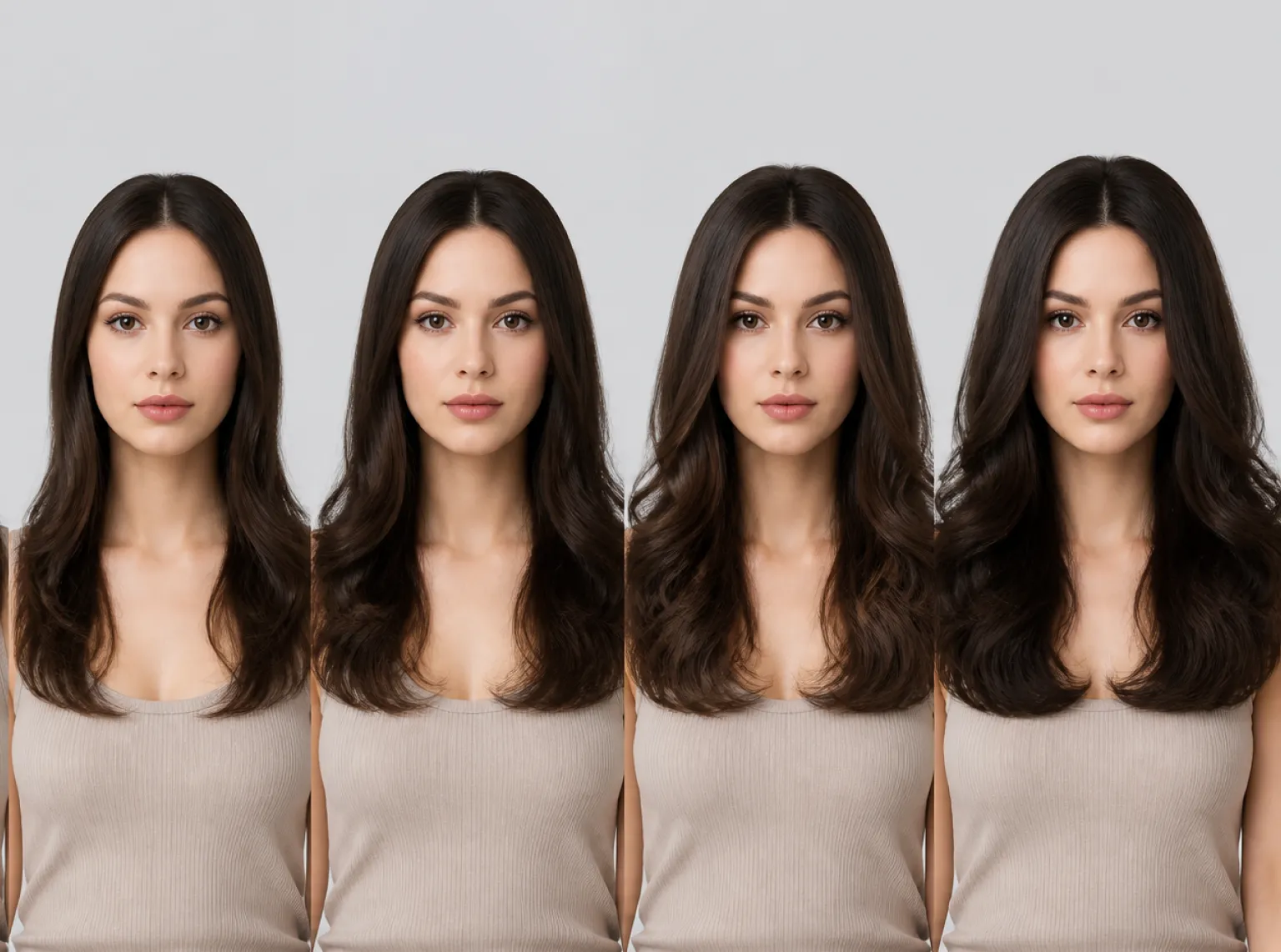
Kanekalon: Developed in Japan, Kanekalon remains the gold standard for natural appearance. Extruded through specialized multi-lobal spinnerets, the fiber features an irregular cross-sectional profile. This microscopic irregularity scatters ambient light rather than reflecting it uniformly, eliminating the artificial plastic shine associated with low-cost synthetic materials. Furthermore, Kanekalon is self-extinguishing; when exposed to flame, the fiber shrinks and melts without propagating fire, satisfying international safety standards like EN 71-2.
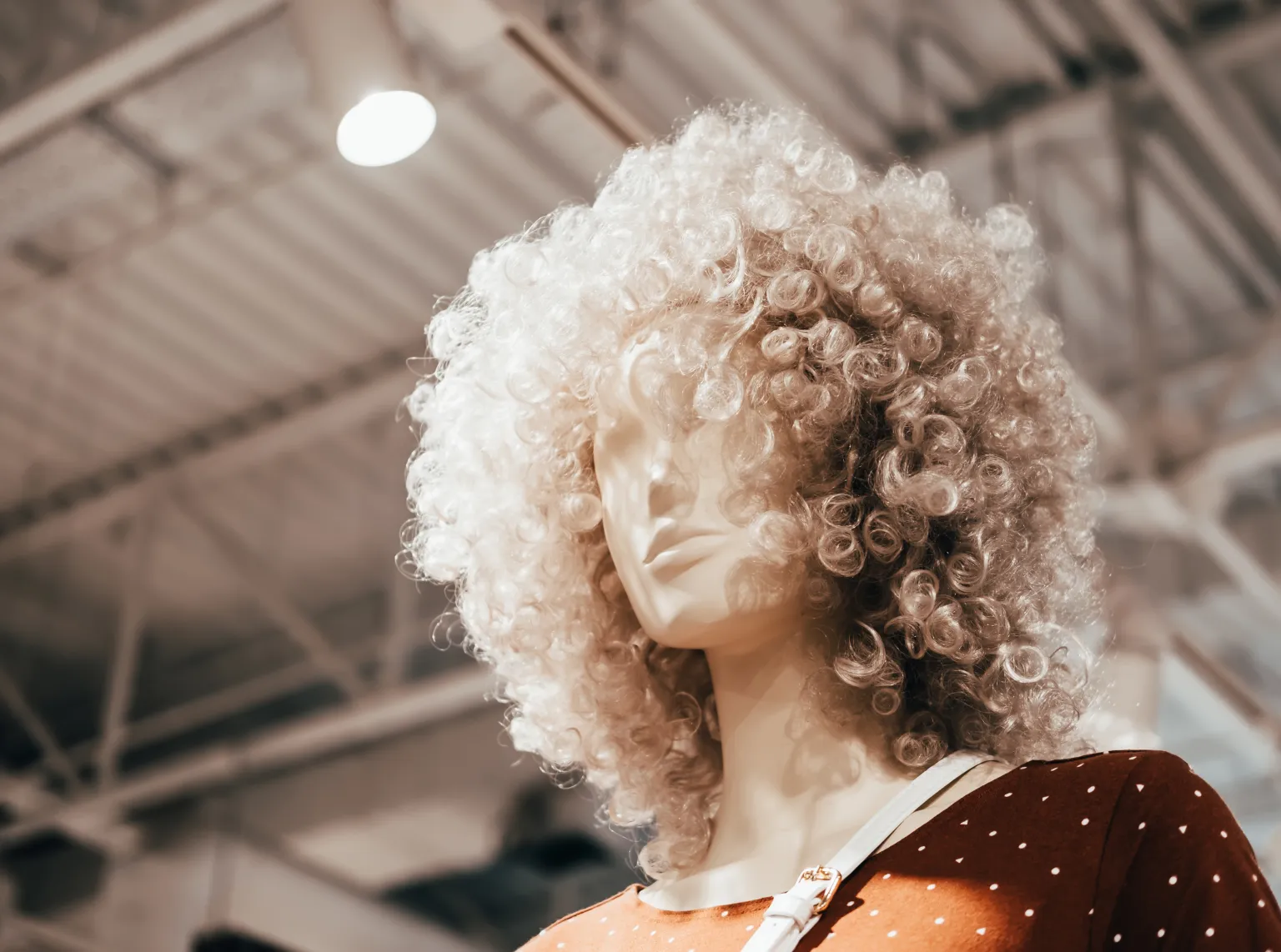
Toyokalon: Another premier modacrylic variant, Toyokalon is structurally optimized for enhanced volume retention and deep wave memory. It holds curls significantly longer than standard Kanekalon, making it the preferred fiber choice for heavily textured units, voluminous curly wigs, and afro-textured fashion lines. Factories frequently blend Kanekalon and Toyokalon to balance matte realism with structural bounce.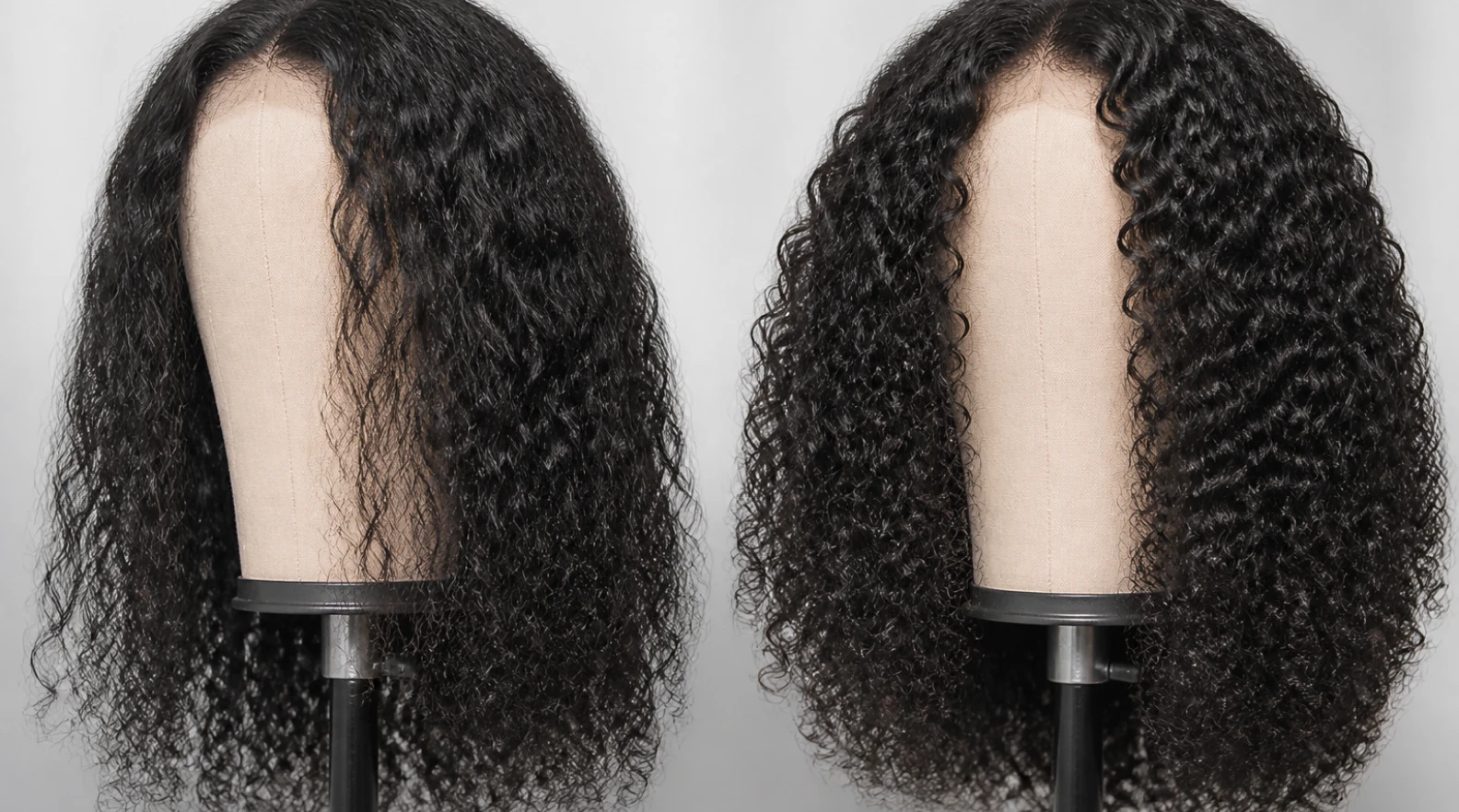
Polyethylene Terephthalate (PET): High-Temperature Sourcing
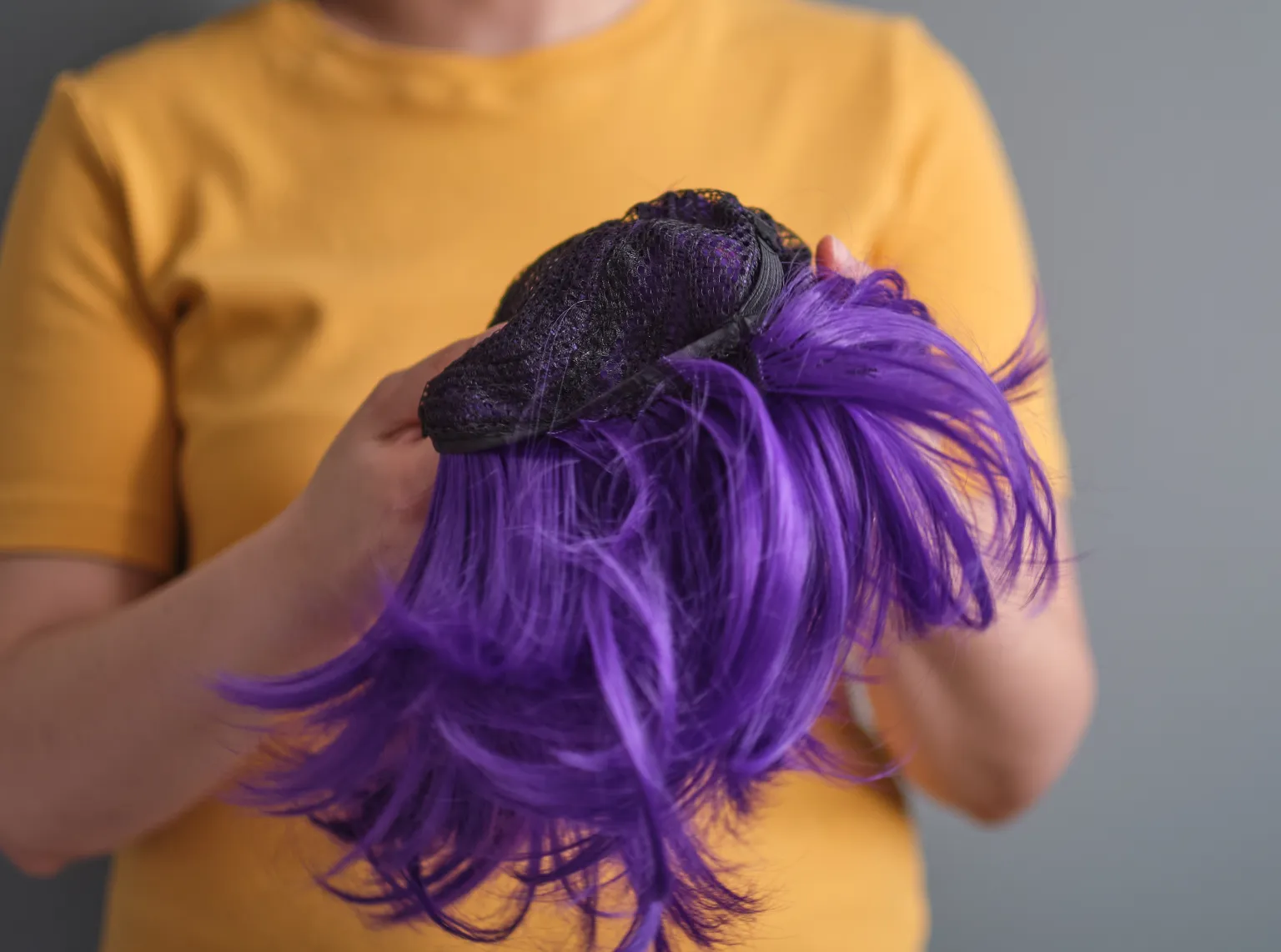
As consumer demand shifted toward versatile styling, the industry adopted advanced Polyethylene Terephthalate (PET) formulations, universally traded as "High-Temperature" or "Futura" fibers. Standard modacrylics soften and distort when exposed to thermal tools exceeding 100°C (212°F).
Advanced PET fibers alter this thermal limitation, maintaining structural integrity up to 180°C (350°F). This heat resistance makes PET the mandatory fiber choice for cosplay wigs and heat-styled fashion pieces. However, PET polymers possess a higher specific gravity, meaning a PET wig weighs slightly more than a modacrylic unit of identical density. Procurement teams sourcing PET inventory must mandate strict denier controls during extrusion to prevent micro-tangling.
Comparative Polymer Specifications
| Polymer Parameter | Kanekalon (Modacrylic) | Toyokalon (Modacrylic) | High-Temp PET (Futura) |
|---|---|---|---|
| Maximum Heat Threshold | 80°C - 100°C (176°F - 212°F) | 80°C - 100°C (176°F - 212°F) | 160°C - 180°C (320°F - 350°F) |
| Light Reflection Profile | Matte, highly realistic human look | Medium natural luster | Low to medium gloss |
| Flammability Behavior | Inherent self-extinguishing | Inherent self-extinguishing | Requires chemical retardants |
| Primary Commercial Use | Daily fashion, medical wigs | Voluminous, textured, curly units | Cosplay, theatrical, heat-styled lines |
Factory-Level Quality Control Protocols
Verifying fiber grade during sample audits prevents bulk inventory failures. Procurement teams should implement two mandatory physical tests before signing bulk purchase contracts:
1. The Thermal Stress Test: Apply a heated iron calibrated to 160°C to a strand sample. Modacrylic fibers will immediately distort, shrivel, or melt onto the plates. High-temperature PET fibers will remain stable and retain their shape upon cooling.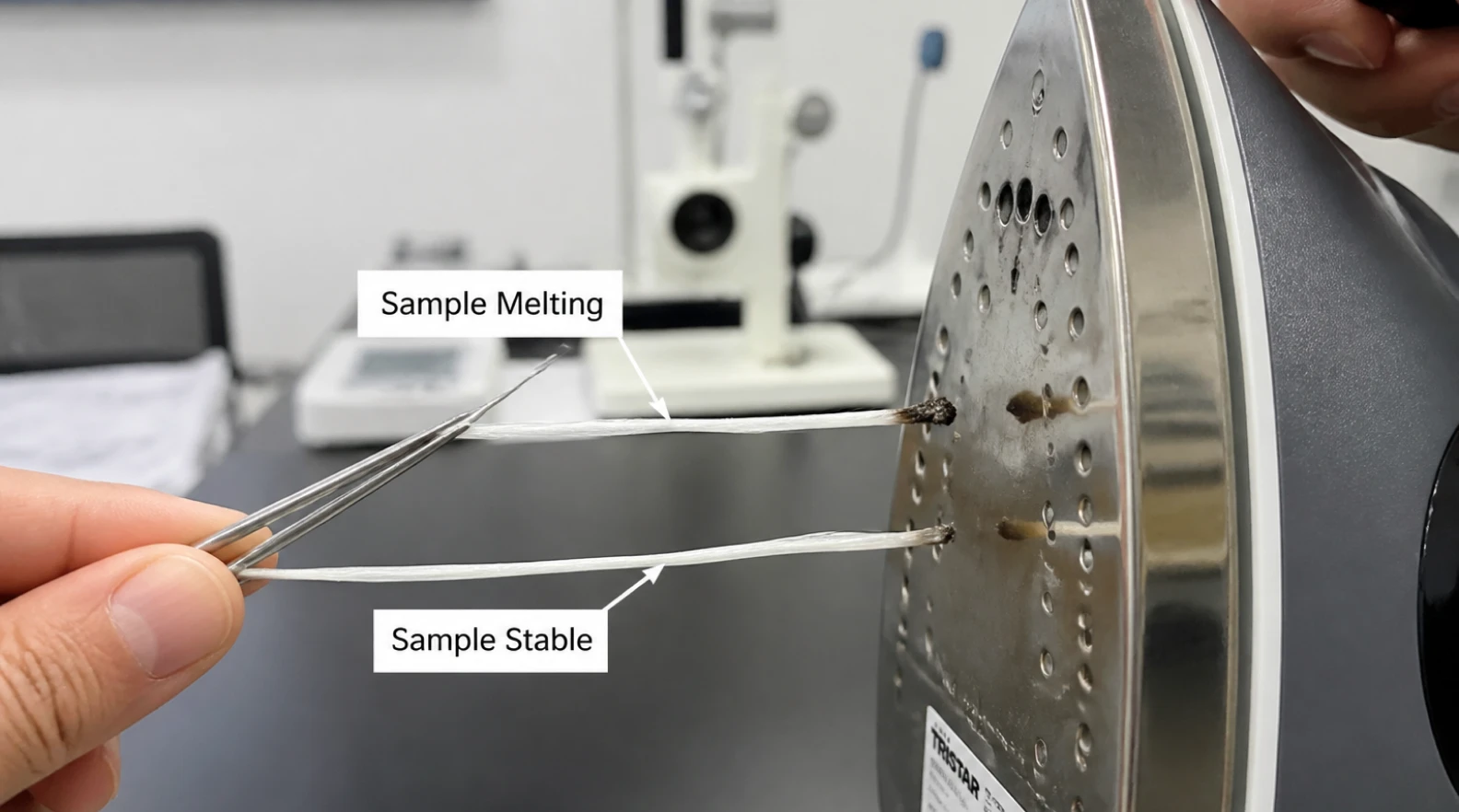
2. The Combustion Verification: Expose a fiber end to an open flame. Genuine modacrylics will ignite, emit an acrylic odor, shrink, and self-extinguish instantly upon flame removal, leaving a crushable black bead. PET polymers will burn with a sweet plastic scent and melt into a hard drop.
By pairing rigorous chemical verification with reliable manufacturing partners, brands can secure premium synthetic wigs that satisfy consumer expectations. Wholesale buyers looking to evaluate material batches can request sample kits through our direct wholesale program.
-

Raysman
Synthetic Wig Manufacturer
Raysman is a Zhejiang-based synthetic wig manufacturer specializing in party, costume, and fashion color wigs — producing over one million pieces a year from our 10,000 m² Longyou facility. We are BSCI, ISO 9001, and OEKO-TEX Standard 100 certified, and a designated supplier to Disney and Walmart.