
If you sell hair, the synthetic-versus-human-hair question lands differently than it does for a shopper. A shopper picks for their own head. You pick for a whole customer base, a price point, and a reorder cycle. Fiber choice sets your unit cost, your return rate, and your margin, so it deserves more than a pros-and-cons list lifted from a consumer blog. We have run synthetic wig production in Zhejiang for 16 years and field this question from wholesalers, brand owners, and beauty-supply buyers most weeks. Here is the framework we give them.
The short version. Stock synthetic when your business runs on fashion, color, costume, volume, and price: party looks, seasonal ranges, bright shades, fast-moving retail. Stock human hair when you sell premium daily wear, salon custom work, or medical clients who want heat styling and multi-year life. Most catalogs carry both, weighted toward whatever the customer base actually buys. The rest of this guide shows how to make that call for your channel, and how to write a synthetic wig order so every reorder matches the first one.
What Actually Differs for a Reseller
Six factors decide whether a wig sells through and stays sold. Read the table by your channel, not by which column looks nicer. A shine that reads as cheap on a salon shelf reads as fun on a costume rack.
| Factor | Synthetic | Human hair |
|---|---|---|
| Wholesale cost per piece | Roughly $10-40 in volume | $60-200+, usually 3-5x synthetic |
| Typical retail band | $20-150 fashion; premium lines higher | $150-3,000+ depending on grade |
| Lifespan, daily wear | 4-6 months standard; 6-12 months if worn occasionally | 1-3 years with care |
| Heat styling | Only heat-resistant fiber, low heat to about 180C/350F | Yes, like natural hair |
| Color and dye | Pre-set color, holds through washes, cannot be dyed | Can be toned and dyed |
| Batch consistency | Near-identical unit to unit and reorder to reorder | Varies by donor lot and processing |
| Care and returns | Wash-and-wear; risk is heat mistakes and shine | Needs conditioning; risk is tangling on non-Remy and color mismatch |
| Where it fits | Fashion, party, costume, color, high volume | Premium daily wear, salon, medical |
Synthetic Wig Fiber Grades a Buyer Should Know
"Synthetic" is not one material. The grade you order changes what the wig can do and how you can market it, so this is the first thing to pin down on a quote. Three grades cover most of the market.
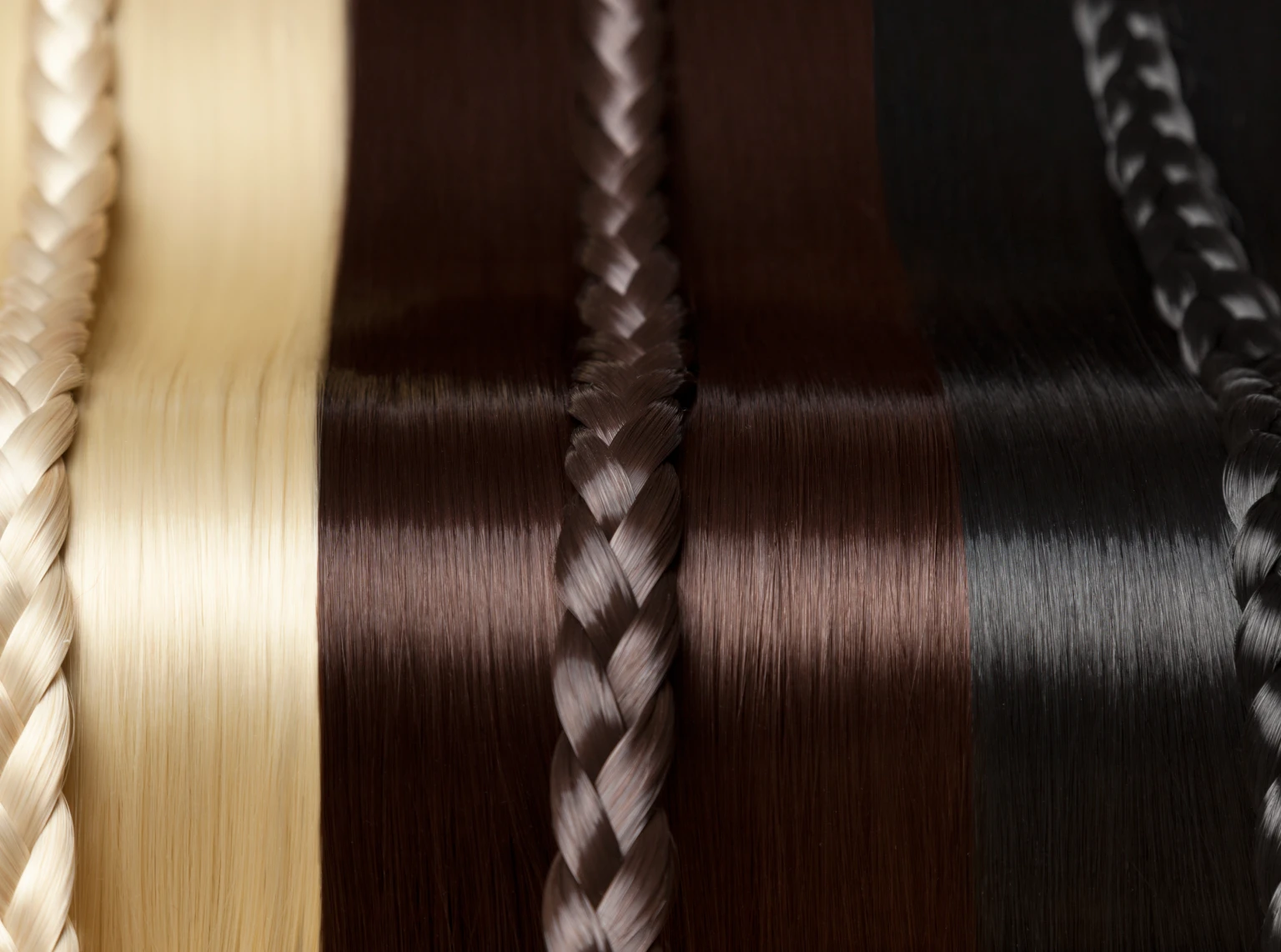
Standard modacrylic. This is the everyday synthetic fiber, sold under trade names such as Kanekalon and Toyokalon. It holds a set curl or wave through washing, comes in the widest color range, and sits at the lowest cost. It does not take a flat iron or curling wand. For pre-styled fashion and costume pieces that ship ready to wear, this is the workhorse.
Heat-resistant fiber. Often called high-temperature or heat-friendly fiber, this grade tolerates low-heat tools, generally up to around 180C (350F). It lets the end customer restyle, and the style resets after a wash. The trade-off is a shorter service life than standard fiber under repeated heat, and a slightly higher cost. Market it as heat-friendly only if the fiber is genuinely rated for it, and print the temperature ceiling on your care card.
Flame-retardant modacrylic. Modacrylic is inherently flame-resistant, which is why it is the standard fiber for braiding hair and for costume wigs sold into regulated markets. If you sell Halloween wigs, children's costume looks, or theatrical pieces, ask for the fiber's flammability rating and match it to your destination market's rules before you commit.
| Fiber grade | Heat styling | Best use | Relative cost |
|---|---|---|---|
| Standard modacrylic (Kanekalon type) | No | Pre-styled fashion, party, color | Lowest |
| Heat-resistant / high-temp | Low heat, ~180C | Styleable fashion and daily wear | Mid |
| Flame-retardant modacrylic | No | Costume and children's lines | Mid |
The Economics: Why Synthetic Margin Works
Human hair carries a bigger sticker, but a reseller's profit comes from margin multiplied by turns, not from unit price alone. A synthetic piece landing at $15-30 in volume and retailing at $40-90 is a clean 2.5-3x markup, the standard band for wholesale wigs. Because the cost is low, you can hold more colors and styles, test a trend without a large commitment, and absorb the odd markdown at season's end. That range is what lets a shop run a full color wall instead of two or three cautious SKUs.
Human hair earns its keep at the top of the range, where a customer will pay for a multi-year piece and accept the care that comes with it. The catch for inventory is cash: high-ticket units tie up working capital and lose value if they sit. The practical read for most buyers is to run synthetic as the volume base and add a tight set of human-hair hero pieces once you know what your customers reorder.
Match the Fiber to Your Business Model
The right mix follows your channel. Here is how the decision usually falls.
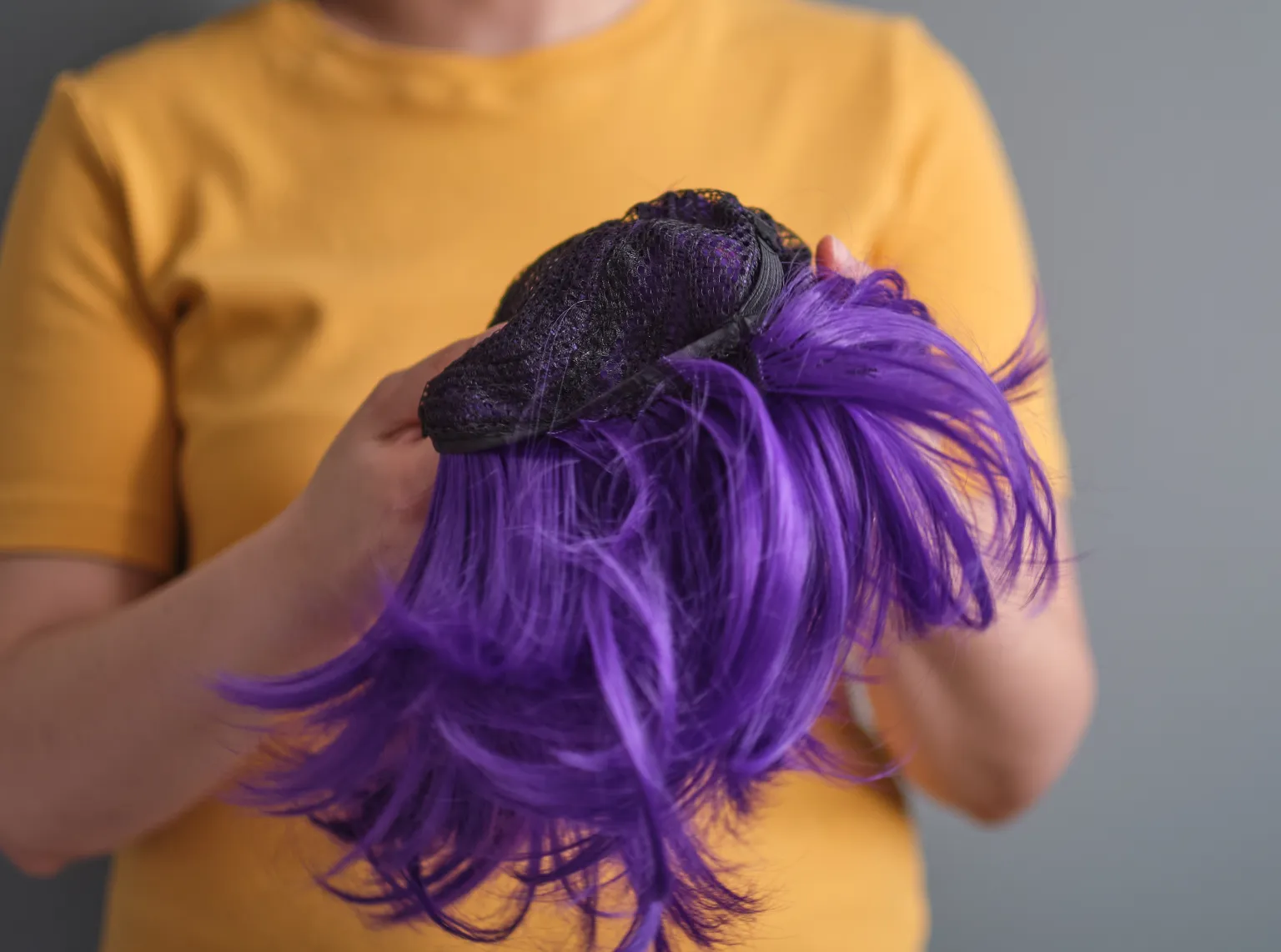
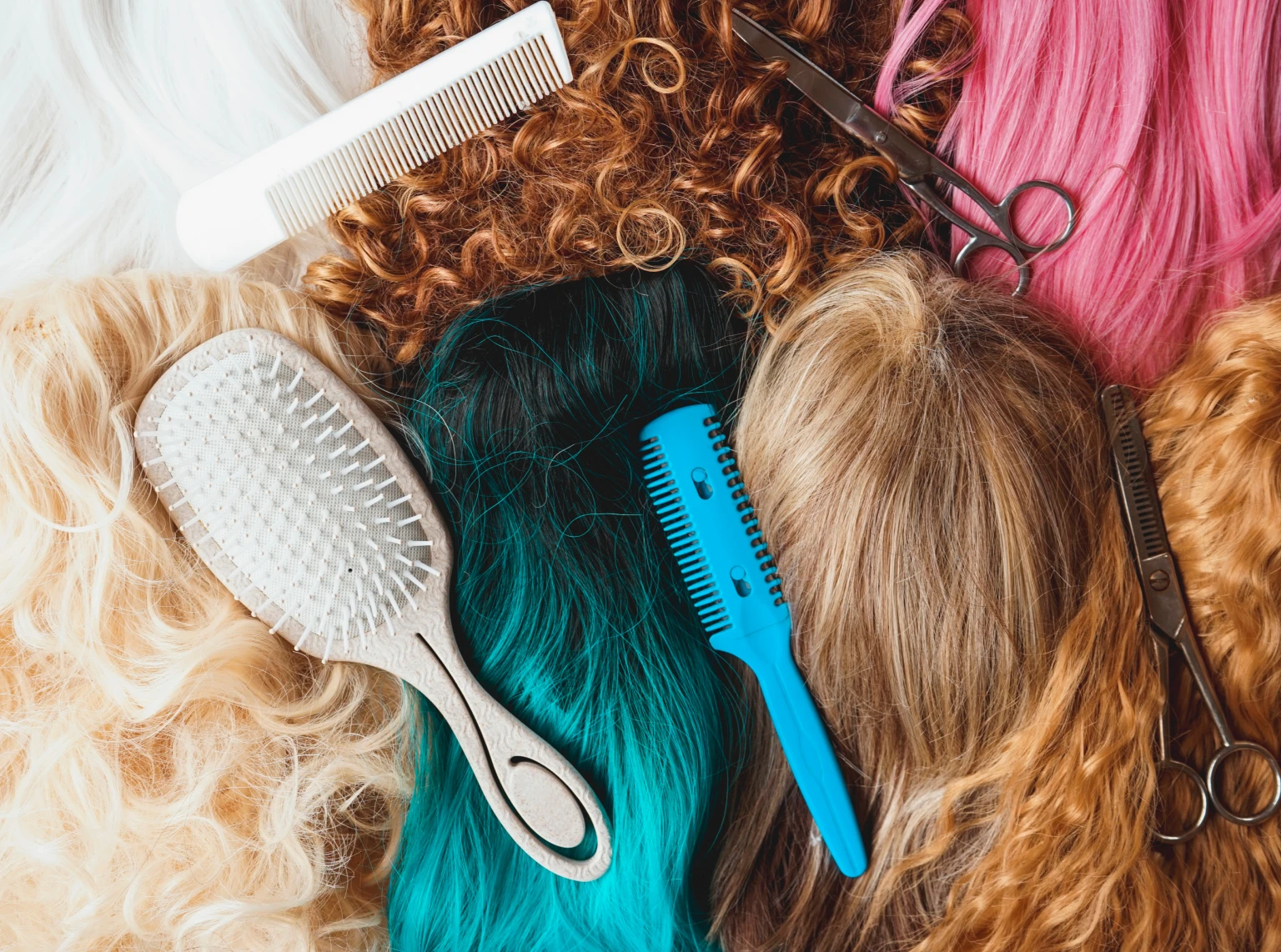
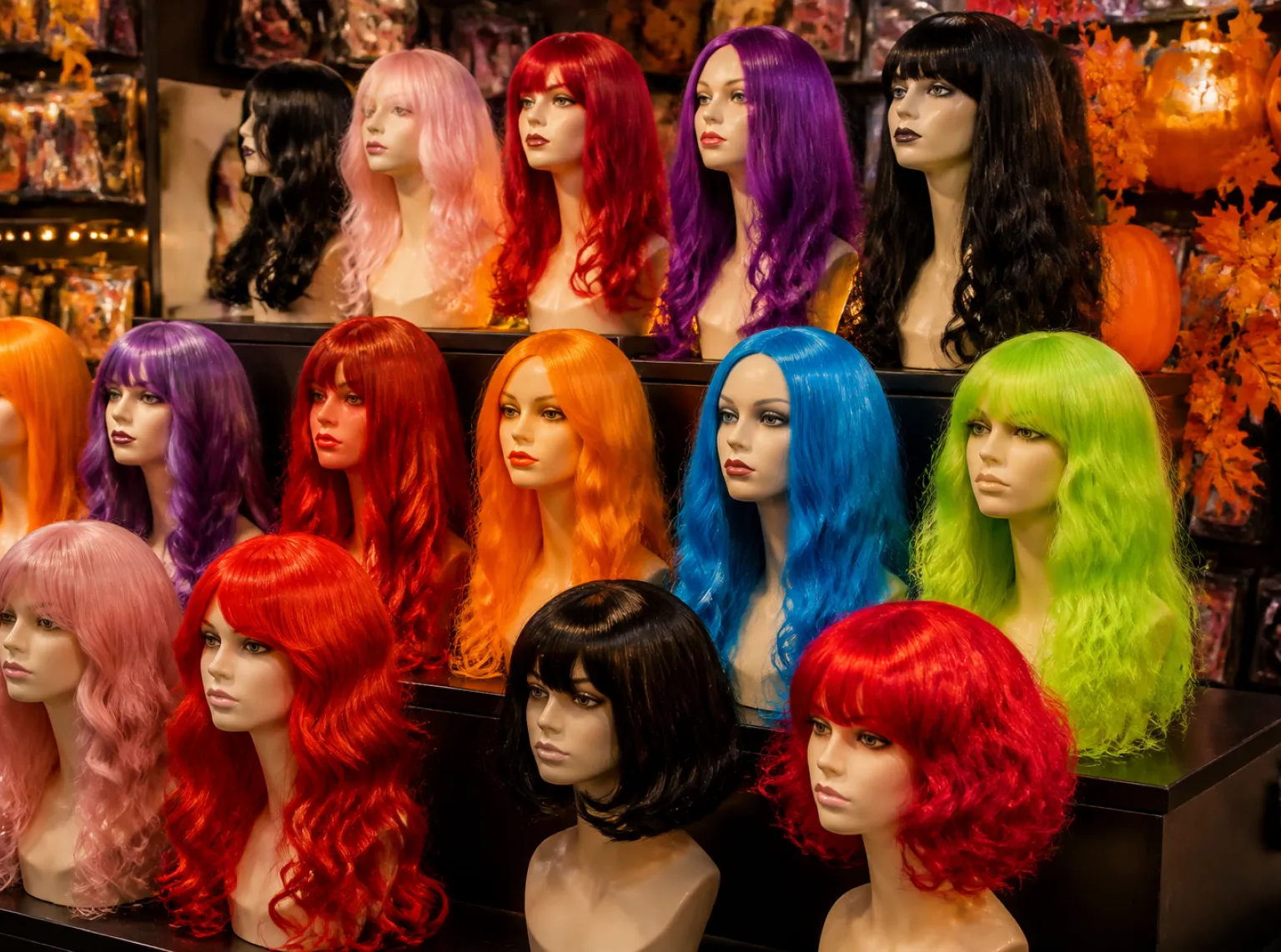
- Costume, party, and seasonal retail. Synthetic, almost entirely. Buyers want the look for an event, a low price, and bold color. Party wigs, cosplay wigs, and colored wigs live and die on shade range and cost, both of which favor synthetic.
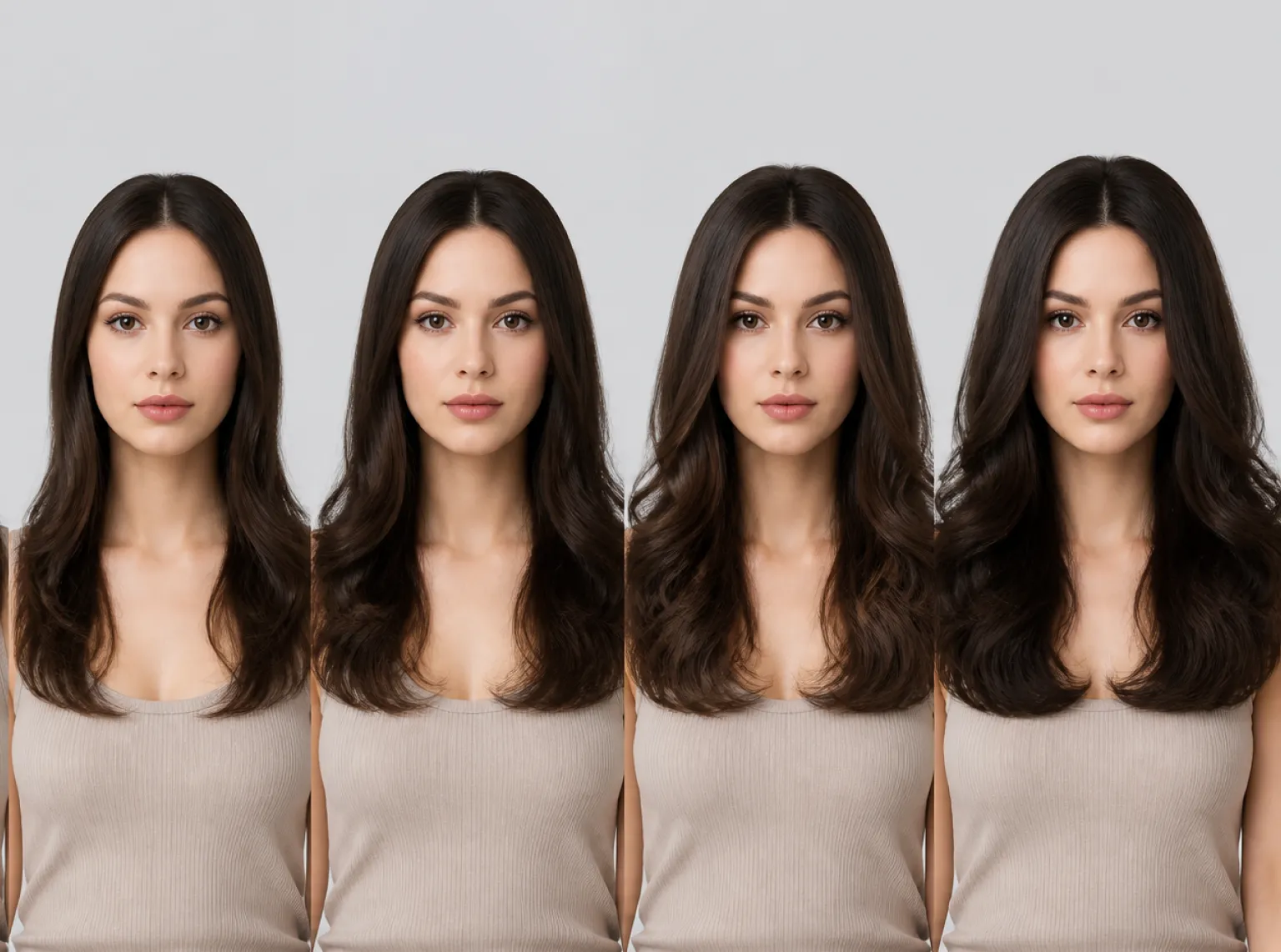
- Online fashion and beauty supply. Synthetic base with a fashion spread of shapes and colors, from a bob to long waves, plus a few blended or human-hair pieces for shoppers who want heat styling. Velocity and photo-ready color drive this channel.
- Salon and premium daily wear. Human hair leads, since these clients cut, color, and wear the piece for years. A quality synthetic still fits as an affordable second option for clients between purchases.
- Medical and everyday wear. Split by budget. A quality synthetic with a lace front covers a temporary need at a sane price; human hair suits long-term daily wearers who want styling freedom.
- Private-label brand. Fashion and color brands almost always build on synthetic, where custom shades, custom styles, and repeatable specs are easy to lock. Premium hair brands go human hair and accept the higher floor.
Where Synthetic Wins for Resellers
For a business, synthetic wins on the numbers that show up in your reports, not on romance. Lower unit cost frees capital for range. Pre-set color and style mean the wig looks the same on the customer's head as in your product photo, which cuts "not as pictured" returns. Batch consistency means an approved sample and reorder number two match, so a repeat buyer trusts you. And the color range is the whole point in fashion: pastels, neons, and split-color looks that human hair cannot hold without heavy processing come standard in synthetic fiber. If your revenue rides on turns, shade choice, and predictable reorders, synthetic is the base you build on.
Where Human Hair Still Earns Its Place
We make synthetic, and we still tell buyers where human hair is the better call. It gives the most natural movement and light reflection, it takes heat and color like natural hair, and it lasts one to three years, so the cost per wear drops for daily users. Non-Remy human hair, where the cuticles are stripped and the hair is silicone-coated, is the exception that disappoints once the coating washes off. For salon custom work, premium daily wear, and clients who want to restyle at will, human hair is worth its floor. A catalog that pretends otherwise loses those buyers.
Compliance and Labeling You Cannot Skip
Resale carries obligations a consumer never sees, and a supplier who ignores them creates your liability, not theirs. Most retail markets require accurate fiber-content and country-of-origin labeling on the goods you sell; in the fiber-content statement, synthetic hair is named by its generic fiber, such as modacrylic, rather than a trade name alone. Costume and children's lines add flammability expectations that vary by market, which is exactly why flame-retardant fiber matters for those SKUs. Before a first order, confirm your supplier can print correct fiber-content and origin labels, provide the fiber's safety documentation, and back it with certificates such as OEKO-TEX Standard 100 for skin contact. Clean paperwork at the factory is far cheaper than a recall at the border.
How to Spec a Synthetic Wig Order
Most bulk disappointments trace back to a vague order, not a bad factory. Lock these six points in writing and your reorders stay consistent:
- Fiber grade. State standard, heat-resistant, or flame-retardant, and the heat ceiling if it is styleable.
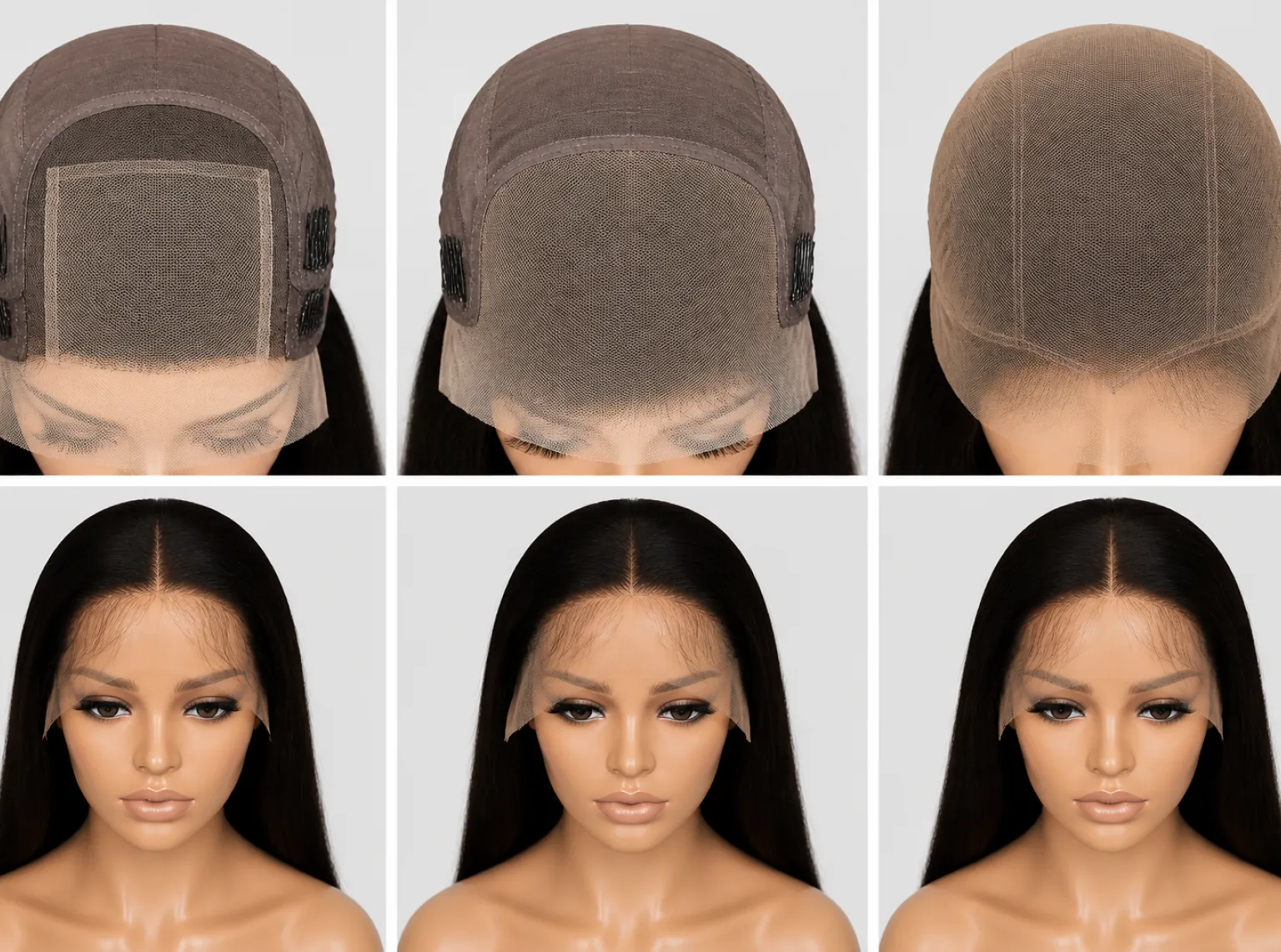
- Cap and construction. Specify the cap: refer to our wig cap construction guide to choose between a lace front, a full machine weft, a glueless cap, or a headband, plus lace type and color.
- Density and length. Give a target density and length range; a mid density suits the widest buyer base and photographs cleanly.
- Color-lock. Ask for a shade reference and confirm the color holds through washing with no fade or brass.
- Gold sample. Approve a photographed, lot-numbered master sample and require every run to be checked against it.
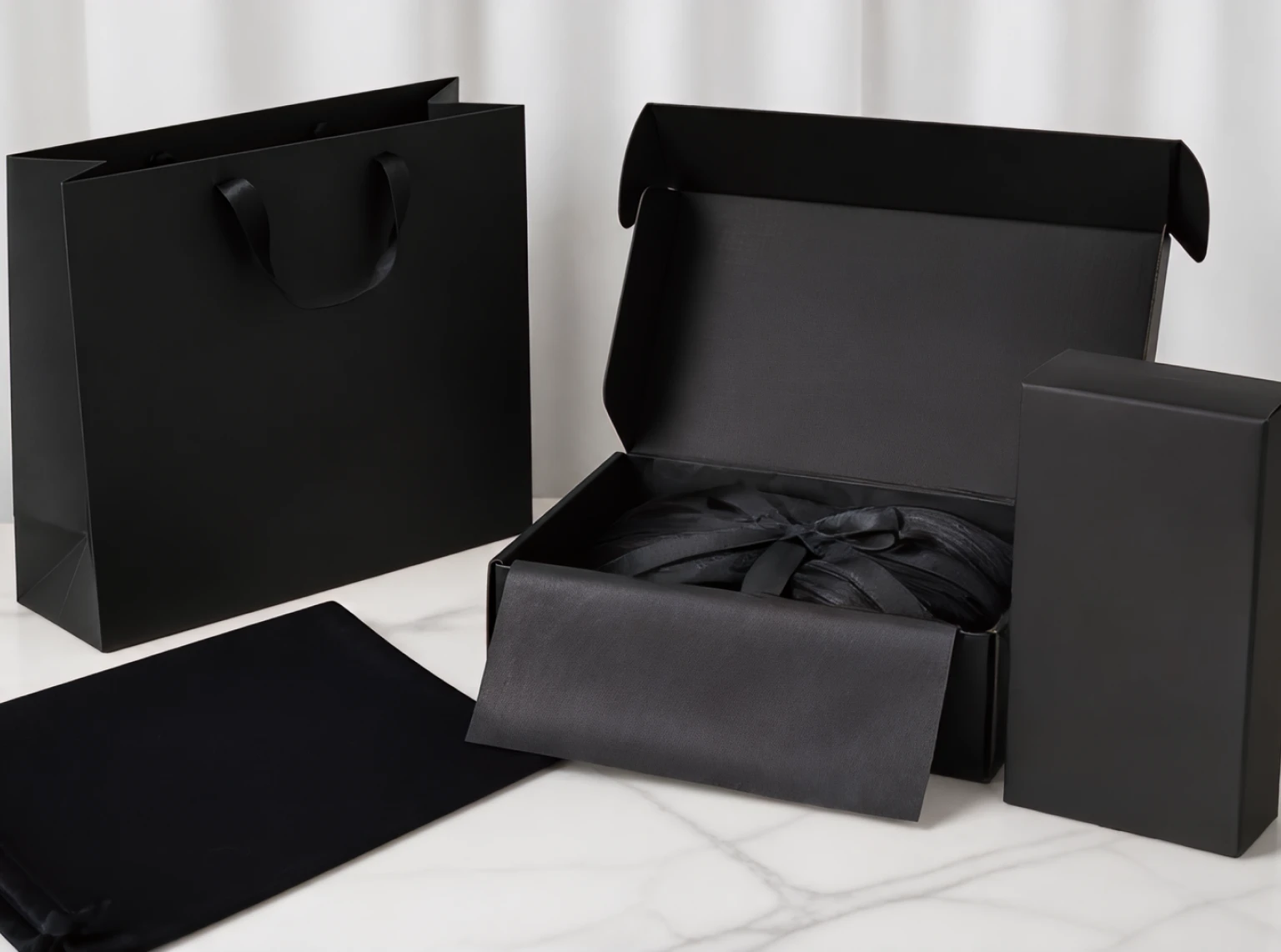
- Labeling and packaging. Confirm fiber-content and origin labels, care cards, and your private-label boxes and tags up front.
A supplier who answers all six quickly is usually the one making the product. Vague or shifting answers at the quote stage rarely improve after you have paid.
Where Raysman Fits
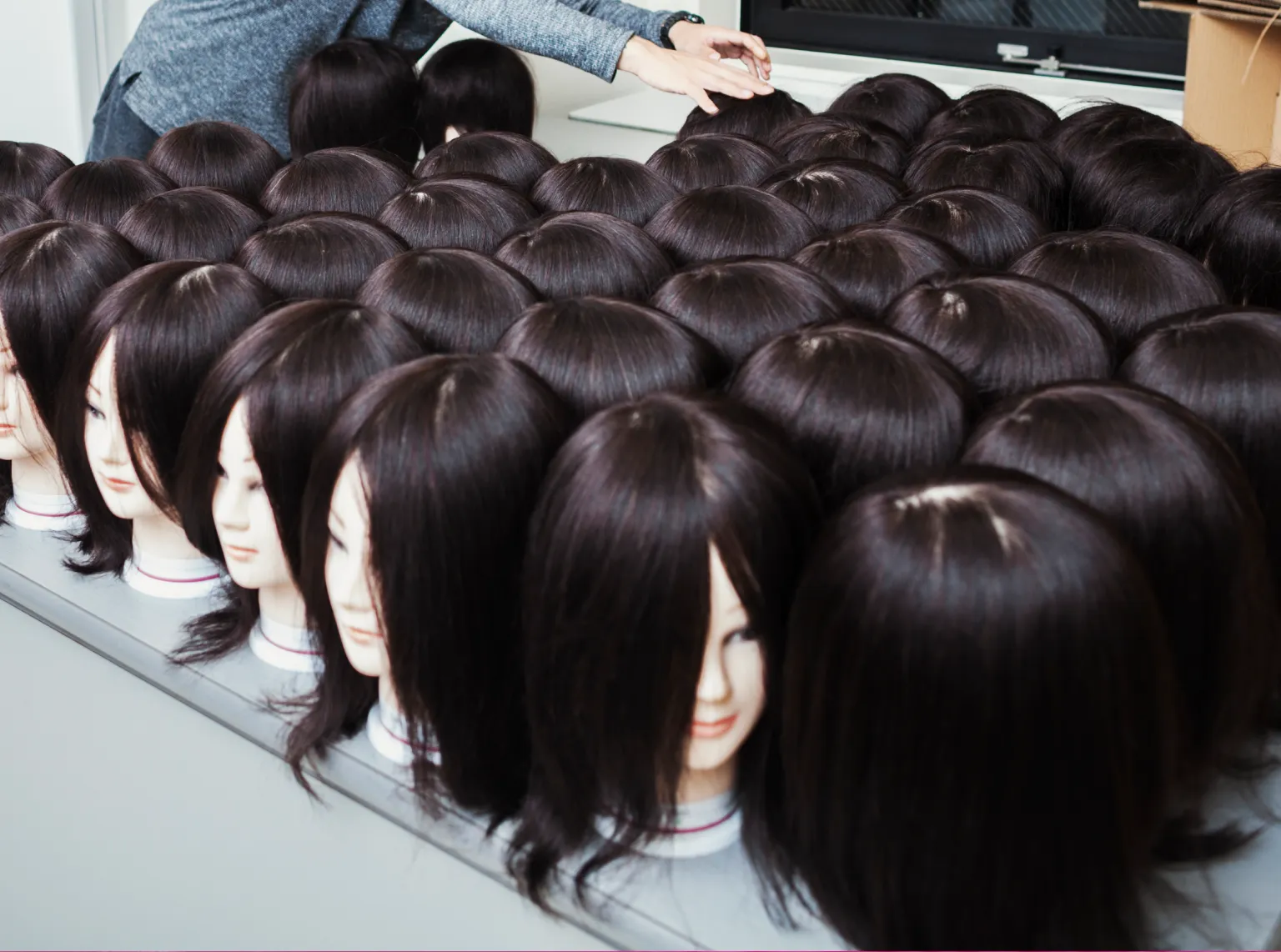
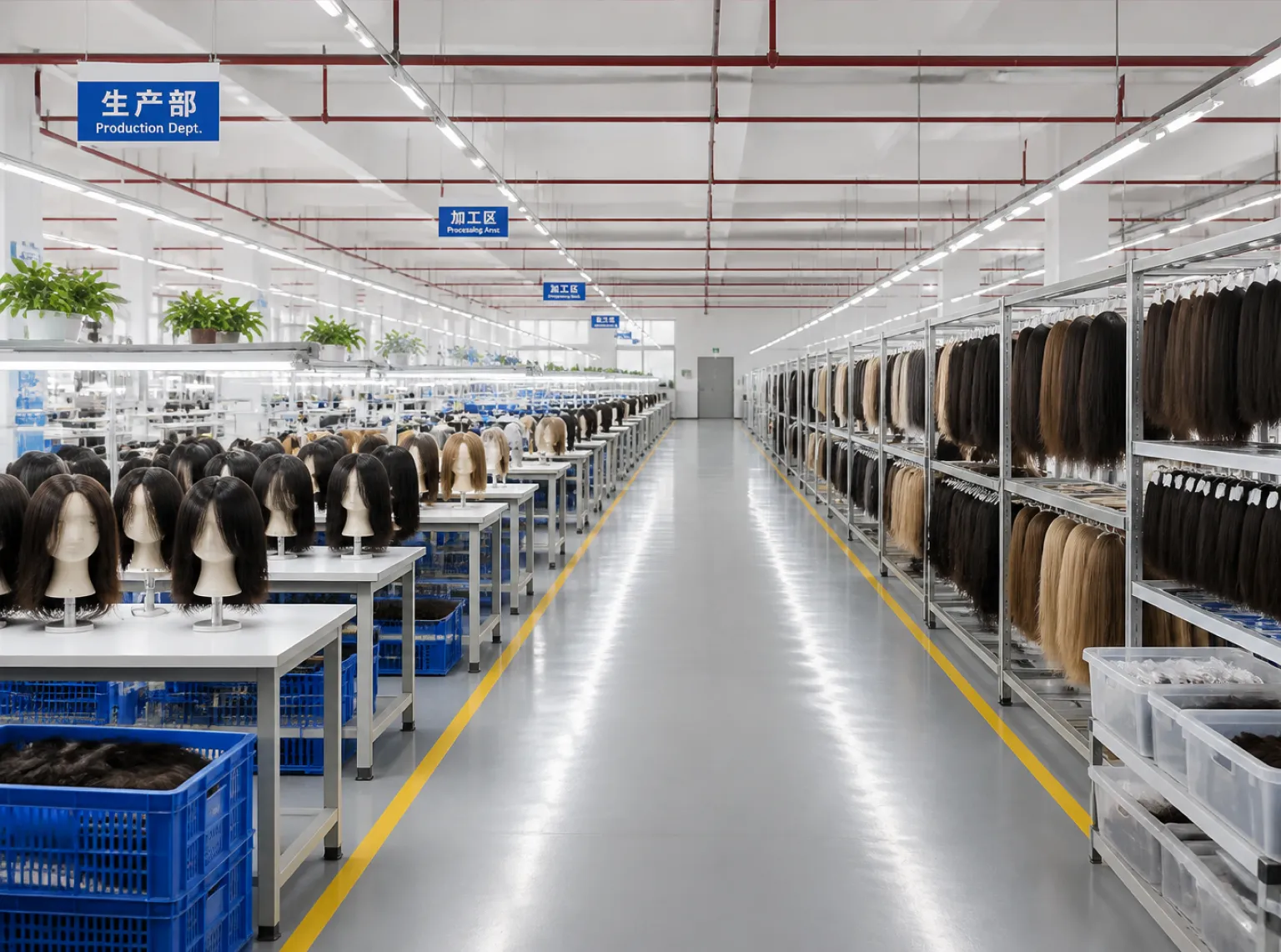
We built this guide from the buyer side, and it maps to what we make. Raysman is a registered manufacturer running a 10,000 m2 plant in Zhejiang, 16 years into synthetic and blended wig production, with ISO 9001, BSCI, and OEKO-TEX Standard 100 in scope and flame-retardant fiber for costume lines. We specialize in synthetic wigs across fashion, party, Halloween, and color ranges, sample standard styles in three days, run an MOQ of 100 pieces per style, and handle OEM, ODM, and private label in-house, with Disney and Walmart among the buyers who have audited us.
As you run your checklist on how to vet a B2B wig supplier, send us your styles, target colors, and volume. You will get a quote, a fiber and cap recommendation for your channel, and a sample plan that locks a gold sample before any bulk run. Ask for our certificates or a live video of the line while you are at it, and judge us against every point above.
FAQ
Are synthetic wigs cheaper than human hair for wholesale?
Yes, and by a wide margin. Synthetic wigs land at roughly $10-40 per piece in volume, while human hair usually runs three to five times higher, from about $60 to $200 or more depending on grade, length, and construction. The lower cost is what lets a reseller carry a broad range of colors and styles instead of a handful of cautious SKUs.
Do synthetic wigs look fake?
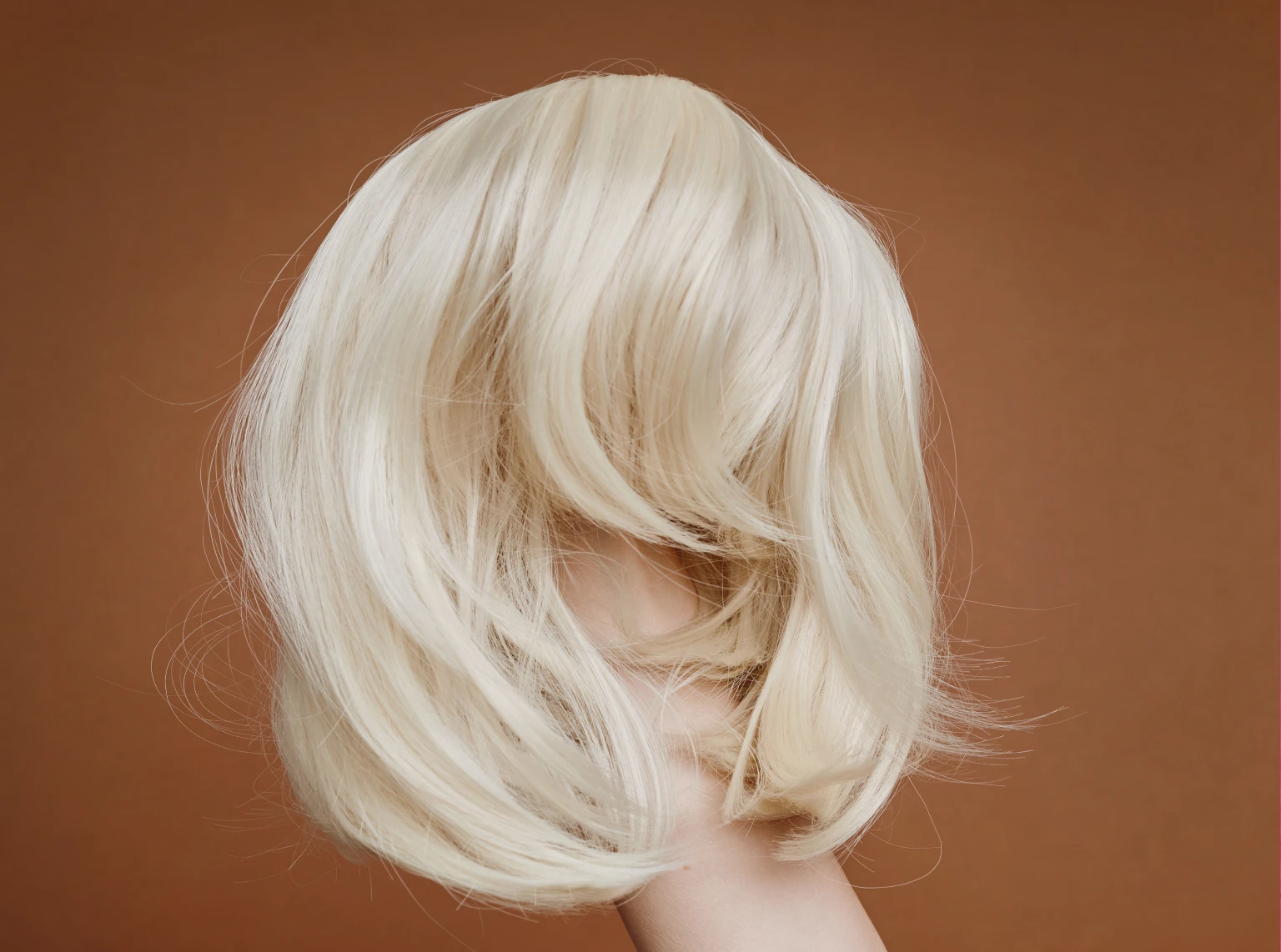
Not automatically. The old plastic shine comes from cheap fiber and a basic cap. A quality synthetic on a lace-front or monofilament cap, with a plucked hairline and the right density, reads as natural in normal wear. Cap construction and fiber grade drive realism more than the word "synthetic" does.
Can synthetic wigs be heat styled?
Only if the fiber is made for it. Standard synthetic fiber will fuse or melt under a flat iron or curling wand. Heat-resistant, or high-temperature, fiber tolerates low-heat styling up to around 180C (350F), and the style resets after washing. Always confirm the grade on the order and print the temperature ceiling on your care card.
How long do synthetic wigs last?
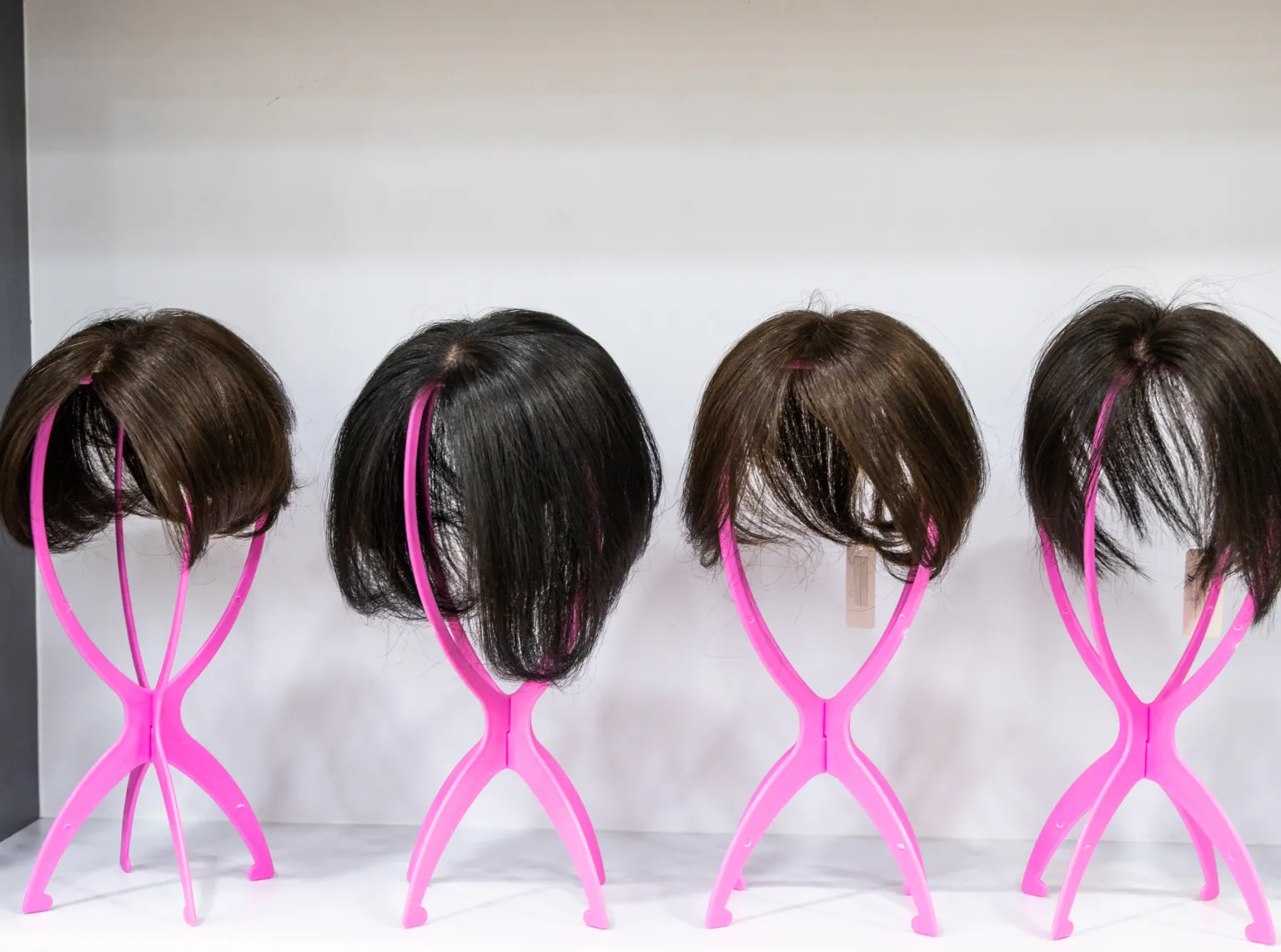
About 4 to 6 months with daily wear, and 6 to 12 months if worn occasionally. Heat-resistant fiber tends to run shorter under repeated heat. Care matters: cool-water washing, air drying, and a wig stand extend the life; hot water and a blow dryer shorten it fast.
What is a reasonable MOQ for wholesale synthetic wigs?
It depends on the supplier type. Traders may sell packs of a few pieces, while a factory running a stock style typically starts near 100 pieces per style, with custom colors or caps sometimes requiring more. Ask for the MOQ per style and per color, and use a small first order to test quality before you scale.
Should a new wig business start with synthetic or human hair?
Start with synthetic. The low unit cost lets you test styles, colors, and price points while you learn what your customers reorder, without tying up cash in high-ticket stock. Once you know your bestsellers, add a tight set of human-hair pieces for buyers who want heat styling and multi-year wear.
Which fiber sells better for costume and party retail?
Synthetic, clearly. Costume and party buyers want a specific look for an event, a low price, and bold color, all of which favor synthetic. Bright and split-color shades that human hair cannot hold without heavy processing come standard in synthetic fiber, which is why party and Halloween ranges are built on it.
What fiber is used in quality synthetic wigs?
Most quality synthetic wigs use modacrylic fiber, sold under trade names such as Kanekalon and Toyokalon. Standard modacrylic holds a pre-set style and the widest color range; high-temperature fiber allows low-heat styling; flame-retardant modacrylic suits costume and children's lines. The grade you order should match how the wig will be worn and marketed.
-

Raysman
Synthetic Wig Manufacturer
Raysman is a Zhejiang-based synthetic wig manufacturer specializing in party, costume, and fashion color wigs — producing over one million pieces a year from our 10,000 m² Longyou facility. We are BSCI, ISO 9001, and OEKO-TEX Standard 100 certified, and a designated supplier to Disney and Walmart.