
The National Retail Federation released its 2026 winter holiday forecast on October 15, projecting that U.S. retail sales in November and December will grow 4.2% over 2025 to reach $1.013 trillion. The forecast call, led by NRF President and CEO Matthew Shay and Chief Economist Mark Mathews, described a consumer who is still spending but watching every line item: resilient on the top line, cautious at the basket level. For the wig and hair trade, the holiday quarter is the second demand peak of the year after Halloween, driven by party season, gifting, and New Year styling. The 2026 numbers tell buyers exactly how to play it.
The short read for buyers. NRF projects $1.013 trillion in November-December sales, up 4.2%, with 43% of shoppers starting before November and 56% saying the economy will shape their spending. Gift cards (47%), clothing (44%), and personal care or beauty items (24%) lead the most-wanted gift list, keeping hair and beauty squarely inside the gift economy. Online holiday sales set records in 2025 at $257.8 billion, with mobile taking 56.4% of transactions. The demand is confirmed; the winners in beauty this quarter will be the sellers who stock giftable, value-priced product and present it well on a phone screen.
NRF 2026 Holiday Forecast by the Numbers
| Item | 2026 Forecast | 2025 Reference |
|---|---|---|
| November-December retail sales | $1.013 trillion, +4.2% | $972 billion, +3.1% |
| Seasonal retail hiring | 325,000 - 375,000 workers | ~356,000 |
| Shoppers starting before November | 43% | Consistent with recent years |
| Economy affecting spending plans | 56% of shoppers | - |
| Most-wanted gifts | Gift cards 47%, clothing 44%, books/media 25%, personal care/beauty 24% | Similar ranking |
| Thanksgiving weekend shoppers (actual) | - | Record 202.9 million |
Shay framed the season directly: consumers will prioritize the holidays even while staying mindful of budgets, and retailers are positioned to meet them with competitive prices and value across every budget tier. Mathews added the necessary caveat that inflation, gas prices, and household debt will hit income groups unevenly. Read together, the two statements describe a season where total demand grows but mid-market price discipline decides who captures it.
What the Gift List Means for Hair and Beauty
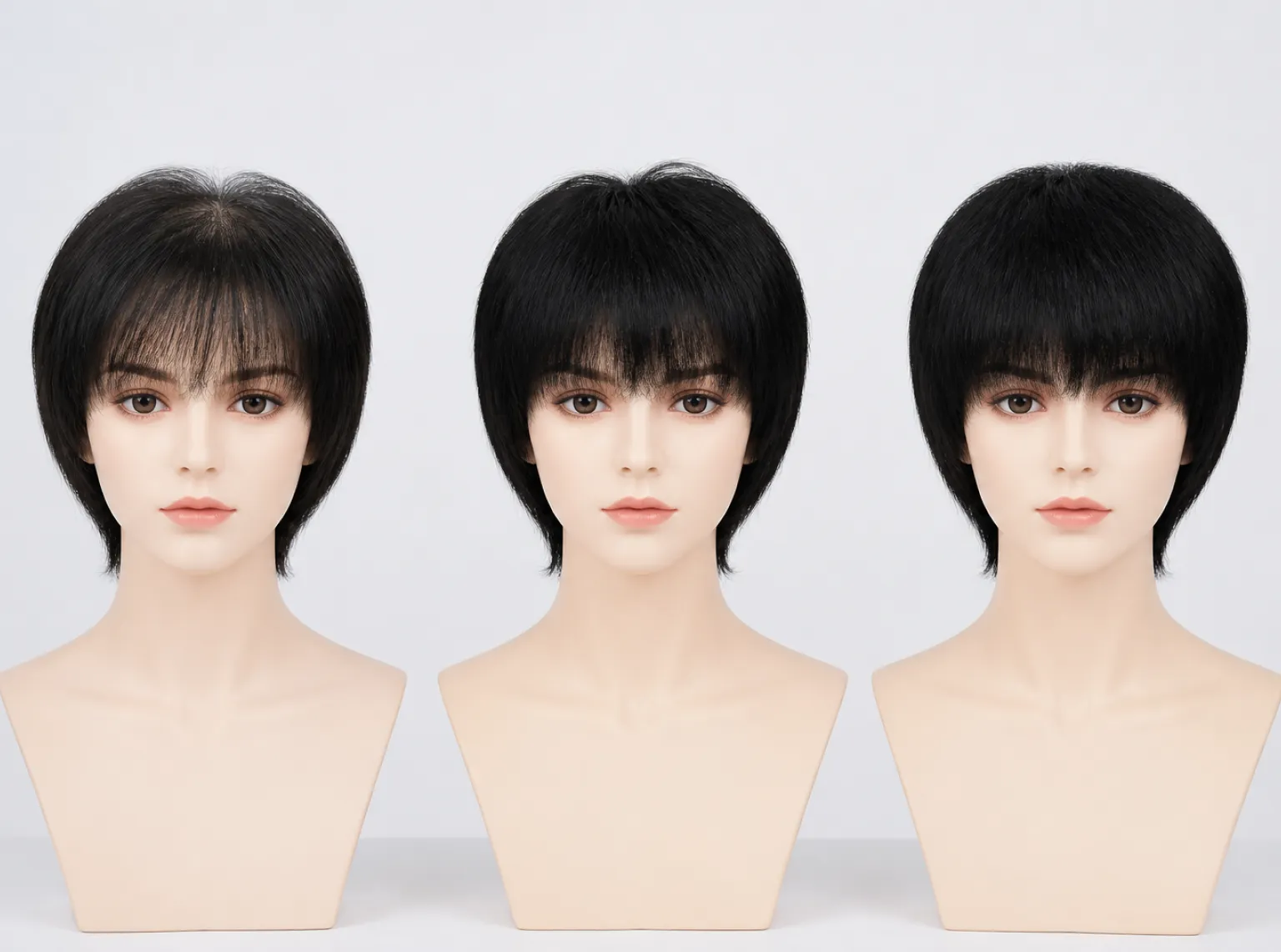
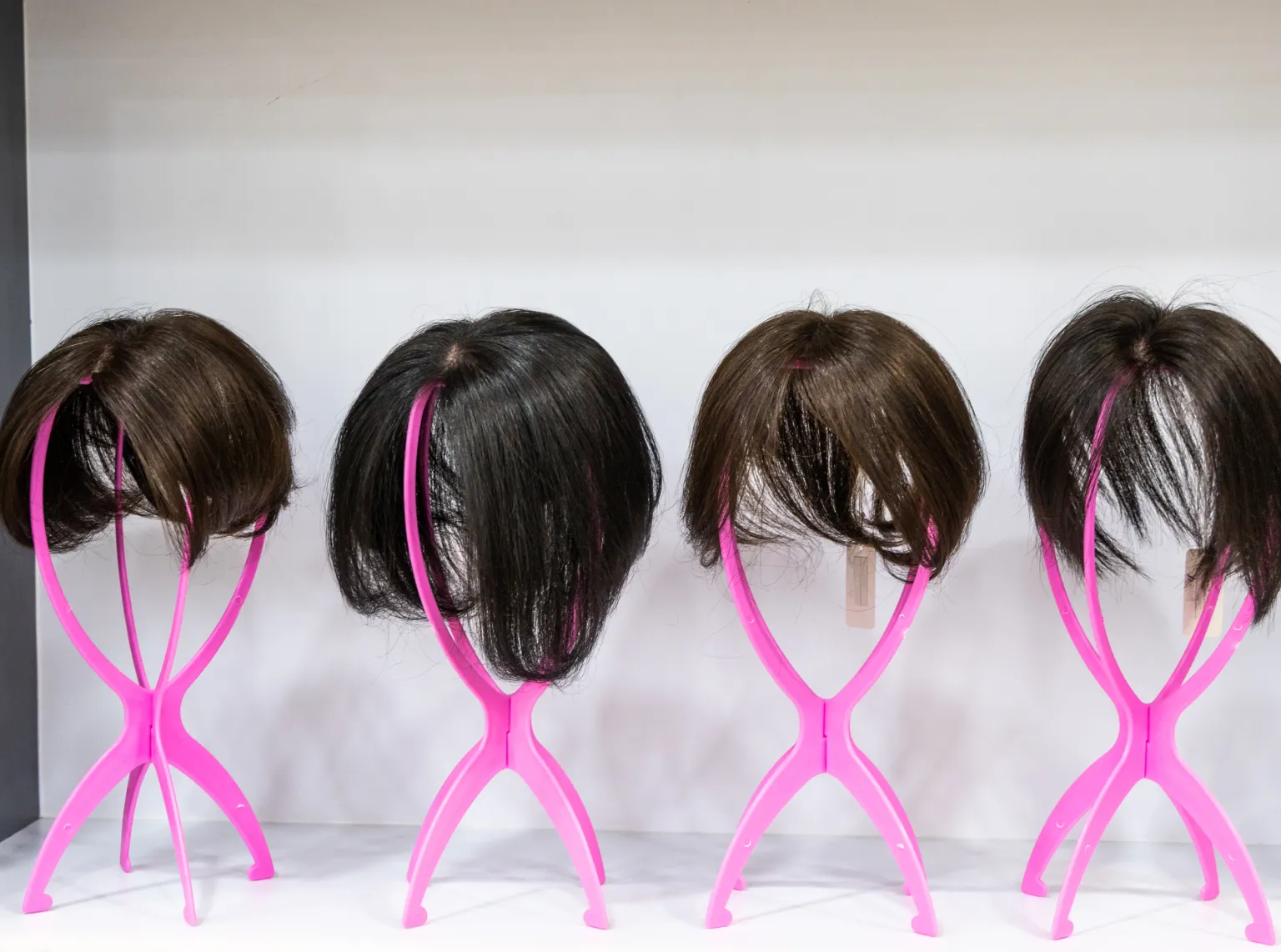
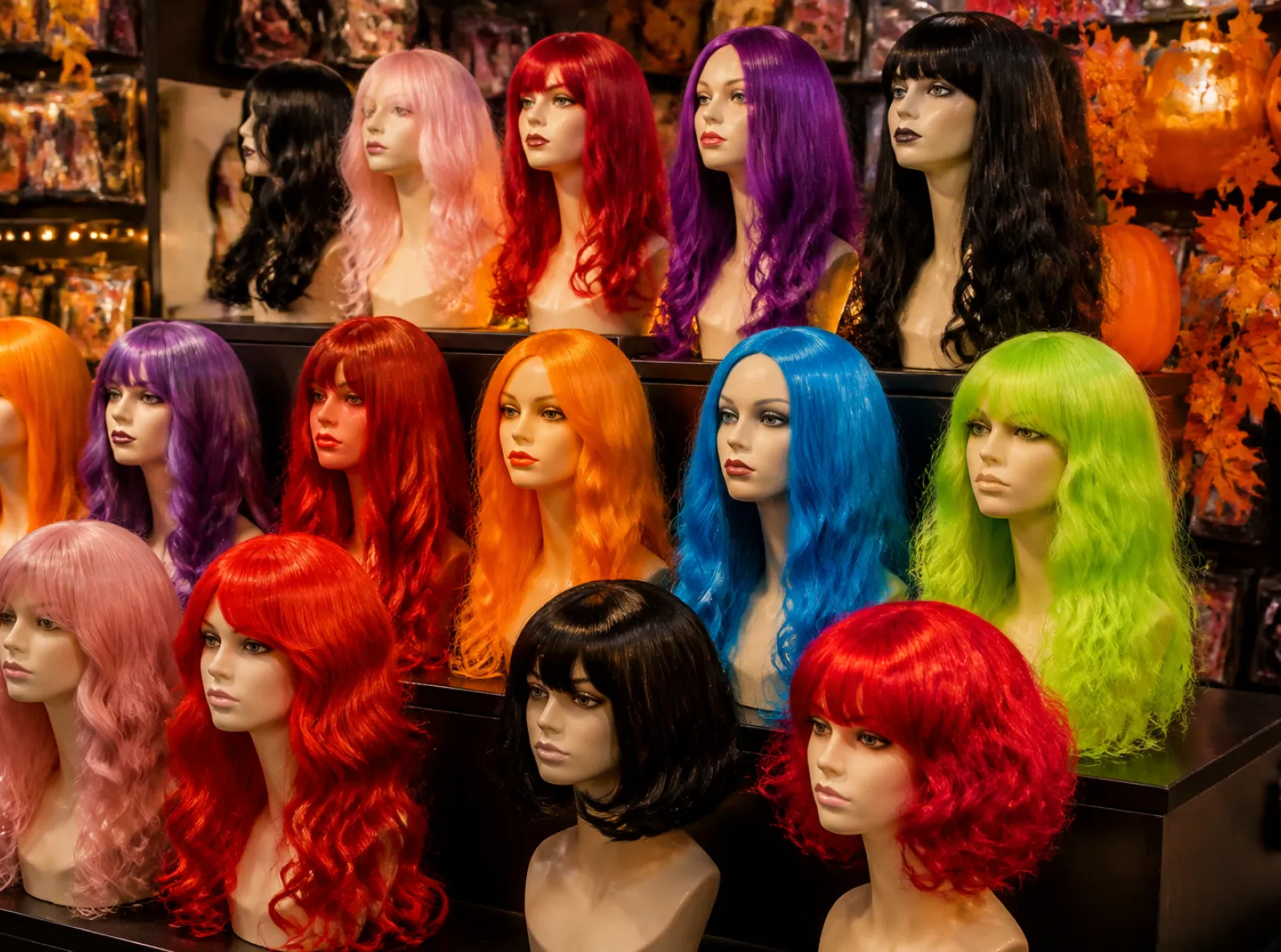
Personal care and beauty items hold a firm position on the 2026 most-wanted list at 24%, sitting alongside clothing at 44%. Wigs sit at the intersection of both categories: a fashion unit is a wearable accessory, and a gift-boxed style is a credible beauty gift. That dual identity matters commercially in November and December, when the use case shifts from costume to celebration. Office parties, family gatherings, and New Year events drive demand for polished, ready-to-wear styles: natural shades in black and brown, festive tones across the colored wig range, and occasion pieces from the party wigs collection.
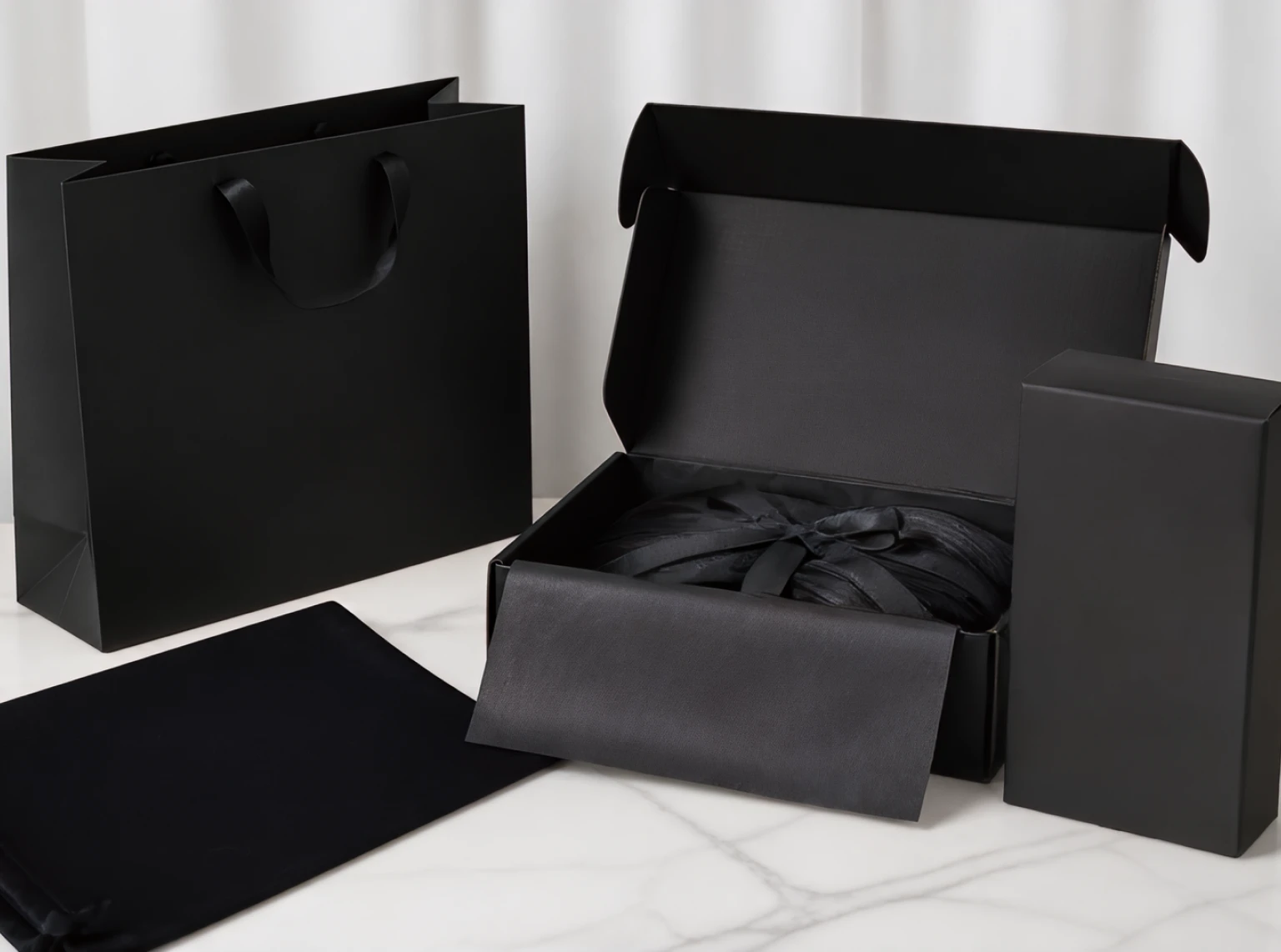
Retailers who merchandise wigs as gifts rather than as costume leftovers capture a second revenue cycle from the same inventory. The mechanics are simple: gift-ready packaging, clear color naming, and photography that shows the unit worn rather than flat-laid. Buyers building that presentation now can review seasonal shade direction in our 2026 wig color trends analysis, which maps the palette consumers are already wearing into Q4.
The 47% gift card figure deserves a second look from beauty sellers. A gift card received in December converts into a product purchase in January, which extends the effective selling season four to six weeks past Christmas and lands demand precisely when most competitors have stopped promoting. Sellers who keep January campaigns live, with fresh arrivals ready to catch gift card redemptions, consistently pick up volume that the rest of the category abandons after December 25. For wig retailers, January redemptions skew toward natural, daily-wear styles rather than costume pieces, which is a different merchandising mix than December's.
The Channel Picture: Online Records and the Mobile Majority
The 2025 season set the channel baseline that 2026 will build on. Adobe Analytics measured $257.8 billion in online holiday sales between November 1 and December 31, 2025, up 6.8% year over year, with mobile devices generating 56.4% of transactions. NRF's post-season survey counted a record 202.9 million shoppers across the five days from Thanksgiving to Cyber Monday. For 2026, Black Friday lands on November 27 and Cyber Monday on November 30, with NRF projecting continued growth in the online share of a larger total.
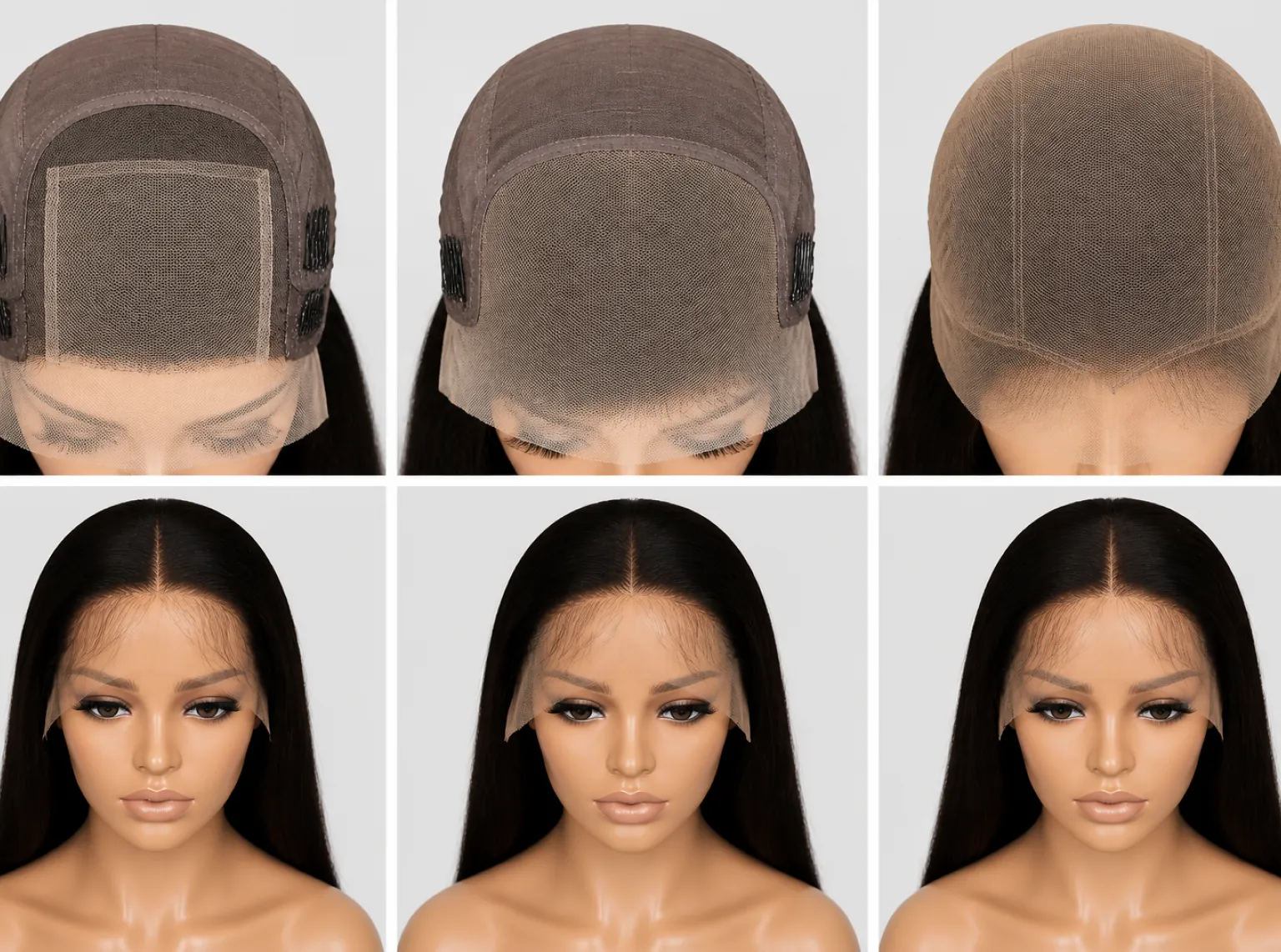
Two operational facts follow for wig sellers. First, the majority of holiday wig purchases will be researched and completed on a phone, so product pages with mobile-readable cap size charts, fiber details, and real-wear photography convert better than spec sheets. Second, the demand curve starts early: with 43% of shoppers beginning before November, a wig listing that goes live in mid-November misses nearly half the research phase. Sellers holding Q4 stock of proven styles should have promotions staged before Thanksgiving week, not after it.
The Value-Seeking Counterweight
NRF's growth forecast has a documented counterweight. PwC's Holiday Outlook 2026, published September 8 from a survey of 4,093 U.S. consumers, found average expected holiday gift spending of $708, a 2% dip from 2025, with millennials cutting gift budgets by 10% even as they remain the season's largest spending cohort. The two datasets reconcile into one consumer profile: total spending grows because participation and prices grow, while individual gift budgets tighten. Shoppers will buy the wig, the gift set, and the party look, but they will comparison-shop first and reward the listing that communicates value clearly.
For assortment planning, that means depth at accessible price points beats premium experimentation this quarter. A $45 synthetic unit with gift packaging and accurate color representation outsells a $120 premium style in a season where the median buyer is trading down on gifts while still showing up for every party on the calendar.
The Trade-Side Note: Tariff Truce Runs to January 2027
One supply-side development from late September belongs in every Q4 and Q1 plan. Under the U.S.-China Board of Trade framework announced after the September state visit, tariff and non-tariff measures that were due to resume on November 10, 2026 now remain suspended until January 10, 2027 while negotiations continue, with a reciprocal 30-for-30 framework covering roughly $30 billion of goods in each direction. The practical reading for importers: Q4 replenishment and early Q1 orders move under the current truce, but the January expiry is a date to build around. Buyers placing Q1 2027 programs should confirm landed-cost terms in writing before the window closes, and review the category-level position in our 2026 tariff briefing.
Physical retail is not idle in this picture. NRF expects retailers to hire between 325,000 and 375,000 seasonal workers, close to the 356,000 hired last year, and beauty retail continues to lean on in-store discovery for color and texture products. Wig brands with wholesale or salon distribution partners should treat November store traffic as a sampling channel: a unit tried on in December is a repeat online customer in January.
What Wig and Beauty Buyers Should Do This Quarter
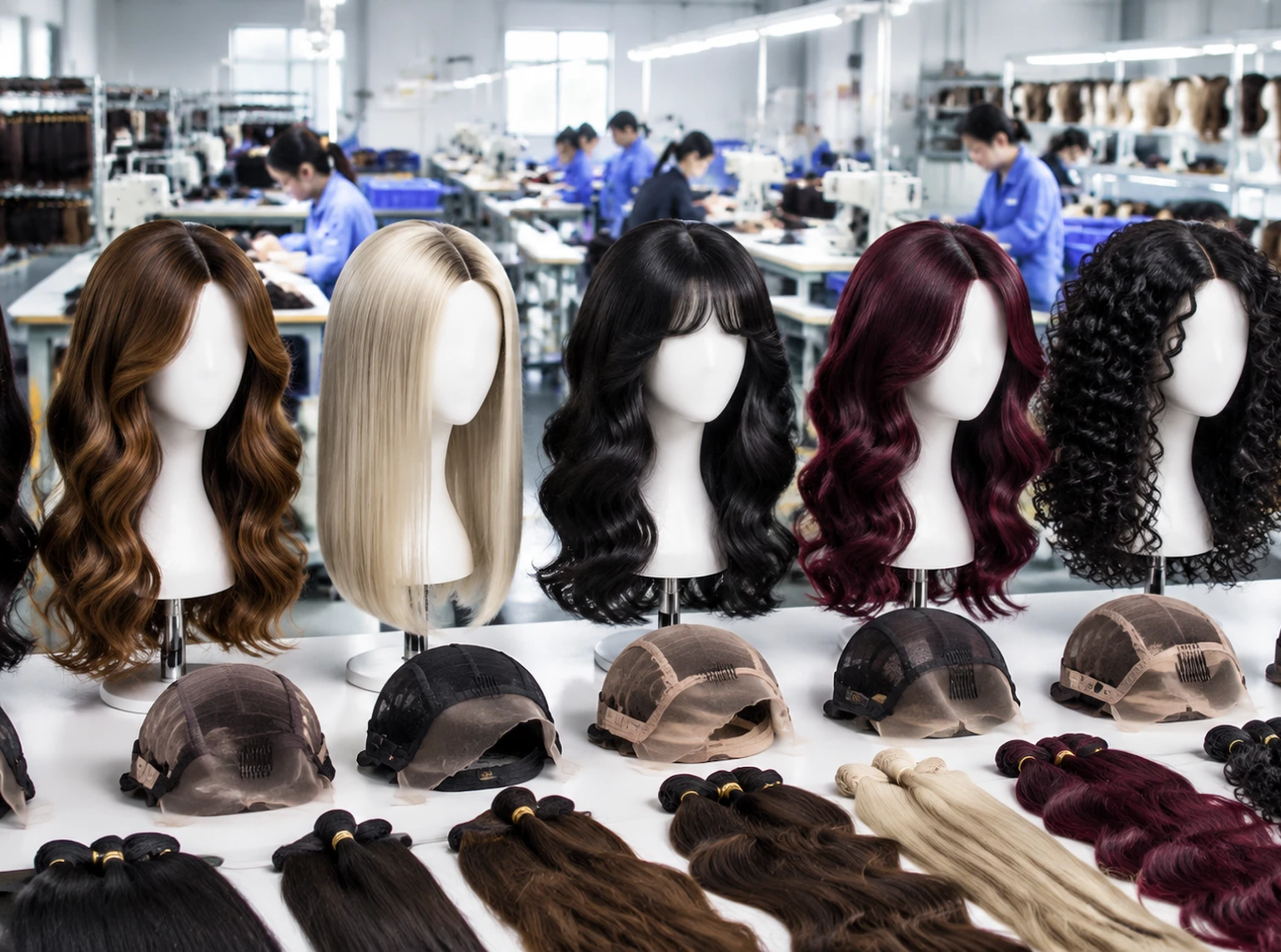
Three actions follow from the October data. First, protect core SKU depth through December: the sellers who stocked adequately before Halloween own the replenishment advantage into party season, and express air freight in December erases the margin it saves. Second, convert inventory into gifts with packaging and presentation rather than discounting. Third, write the Q1 purchase order now. A factory running 30-day production cycles plus four to six weeks of ocean transit needs confirmed orders in November to land January shelf dates, and the January 10 tariff-review date argues for confirmed pricing on paper. Buyers ready to lock Q4 fill-in orders or Q1 programs can route SKU lists and quantities through our wholesale program; quotes return within 24 hours with FOB and DDP terms stated side by side.
Sources
- National Retail Federation, "NRF Forecasts 2026 Holiday Sales Growth as Consumers Remain Resilient," October 15, 2026
- NRF, Winter Holidays Data Center: 2026 holiday highlights and gift survey data
- Homepage News, "NRF Predicts 2026 Holiday Sales To Top $1 Trillion From 4.2% Seasonal Growth," October 15, 2026
- PwC, Holiday Outlook 2026, published September 8, 2026 (4,093 U.S. consumers surveyed)
- Adobe Analytics, 2025 holiday e-commerce results (January 2026)
- Kreab, Weekly China Insight, "30-for-30 tariff framework and truce extension," September 30, 2026
-

Raysman
Synthetic Wig Manufacturer
Raysman is a Zhejiang-based synthetic wig manufacturer specializing in party, costume, and fashion color wigs — producing over one million pieces a year from our 10,000 m² Longyou facility. We are BSCI, ISO 9001, and OEKO-TEX Standard 100 certified, and a designated supplier to Disney and Walmart.