
The global hair wig and extension sector is undergoing a structural transformation in the fourth quarter of 2026. Driven by a combination of macroeconomic valuation growth, shifting consumer demographics, and stringent new trade compliance regulations in North America, the industry is moving away from fragmented, direct-to-consumer fulfillment models and returning to disciplined bulk B2B procurement. For wholesale buyers, brand operators, and supply chain managers, understanding these October 2026 market dynamics is critical for finalizing Q1 2027 purchase orders and maintaining margin stability in an increasingly regulated international trade environment.
The executive summary for wholesale buyers. The broader global hair wigs and extensions market is reaching unprecedented valuations, estimated at USD 16.4 billion in 2026. Within this ecosystem, the dedicated hair wig market is projected to hit USD 2.78 billion this year, while the hair extension segment specifically accounts for approximately USD 3.05 billion. North America remains the dominant revenue center, capturing roughly 36% to 38% of the global share. However, the most disruptive industry update for Q4 2026 is the strict enforcement of new U.S. customs regulations—specifically the removal of the Section 321 de minimis exemption for low-value shipments. This regulatory shift effectively neutralizes the margin advantage of overseas B2C dropshipping, forcing serious brands to consolidate their purchasing power, hold domestic inventory, and negotiate traditional Delivered Duty Paid (DDP) freight contracts with compliant offshore manufacturers.
Global Market Valuation and Regional Distribution
Industry data published throughout September and October 2026 confirms that the category is maintaining a steady Compound Annual Growth Rate (CAGR) of between 4.6% and 7.7%, depending on the specific product segment. The growth drivers have permanently shifted. Wigs and extensions are no longer categorized strictly as medical necessities or seasonal novelty items; they are now routine daily beauty investments, heavily promoted by social media styling trends and the broader "salon-to-consumer" shift.
North American Market Dominance
North America continues to dictate global production standards and pricing tiers. The North American hair wig market alone is projected to reach USD 1.01 billion in 2026, with the United States driving the vast majority of that volume. The extension segment in the U.S. adds another USD 0.83 billion to the regional total. Buyers in this region are exhibiting a dual-track purchasing behavior: they demand premium, high-density human hair for permanent salon installations, while simultaneously driving massive volume in affordable, heat-resistant synthetic wigs for daily fashion rotation and protective styling.
European and APAC Expansion
Europe represents the second-largest demand center, valued at approximately USD 0.62 billion for wigs in 2026, supported by rising consumer acceptance and a highly organized salon distribution network in the UK and Germany. Meanwhile, the Asia Pacific region is expanding rapidly as a consumer market, reaching an estimated USD 0.92 billion for wigs. Historically, APAC served primarily as the manufacturing hub for the rest of the world, but rising disposable incomes and shifting beauty paradigms in Japan and China are generating substantial domestic demand for both fashion units and medical cranial prostheses.
The De Minimis Ruling: A Structural Shift in B2B Procurement
For supply chain managers, the most critical development of the current cycle is not consumer demand, but trade compliance. Following regulatory changes implemented in late 2025 and heavily enforced throughout 2026, the United States removed the de minimis tariff exemption for specific import categories, including hair goods. Previously, shipments valued under USD 800 entered the U.S. duty-free, a loophole that fueled the explosion of direct-from-factory dropshipping and cross-border e-commerce platforms.
That loophole is now closed. Single-unit shipments bound directly for U.S. consumers now face full customs scrutiny, standard Harmonized Tariff Schedule (HTS) duty rates, and significantly higher processing fees from express couriers. This regulatory reality destroys the unit economics of the dropship model.
As a direct result, October 2026 has seen a massive resurgence in traditional B2B wholesale. Importers are returning to the containerized model. By ordering bulk shipments of lace front wigs or synthetic extensions, consolidating the freight into 40-foot High Cube containers, and paying the commercial HTS duties upfront, brands can amortize the shipping and compliance costs across tens of thousands of units. The landed cost per unit via bulk ocean freight, even with Section 301 tariffs applied, is now demonstrably lower than the cost of fulfilling individual orders directly from Asia via air express.
HS Classification and Import Compliance
With commercial customs entry now mandatory for nearly all volume entering North America, wholesale buyers must maintain rigorous documentation. The World Customs Organization (WCO) standardizes artificial hair and wigs under heading 6704. Proper classification is a strict liability issue for the Importer of Record.
- HS Code 6704.19: This classification covers wigs, false beards, eyebrows, and similar articles made of synthetic textile materials. Buyers importing standard fashion units, party wigs, and high-temperature PET fiber extensions must ensure their commercial invoices explicitly state this code.
- HS Code 6704.20: This classification is reserved strictly for articles made of human hair. Misclassifying synthetic blends under the human hair code, or vice versa, can trigger catastrophic customs holds, intensive cargo exams, and severe financial penalties.
Professional sourcing operations are mitigating this risk by demanding precise material composition breakdowns from their factories before the purchase order is countersigned. Forward-thinking suppliers manage this friction by providing comprehensive DDP (Delivered Duty Paid) terms, assuming the burden of classification, duty disbursement, and terminal clearance on behalf of the buyer.
Synthetic Segment Dominance in Volume and Margin
While human hair retains its prestige pricing, the synthetic fiber segment is currently capturing the majority of global unit volume. Analysts note that synthetic extensions accounted for a leading 43.46% share of the extension source market in 2026. This dominance is driven by aggressive advancements in polymer extrusion technology. Modern Polyethylene Terephthalate (PET) fibers offer heat resistance up to 180°C, a matte finish that accurately mimics human keratin, and structural "style memory" that eliminates the need for daily thermal manipulation by the end user.
For B2B buyers, synthetic product lines represent superior margin potential. The raw material cost of high-grade synthetic fiber is highly stable, entirely insulated from the extreme price volatility, ethical sourcing concerns, and supply shortages that routinely disrupt the raw human hair market. A well-constructed synthetic glueless wig can retail for 2.5 to 3.5 times its landed cost, providing the working capital necessary to scale marketing operations and absorb domestic fulfillment overhead.
Strategic Procurement Directives for Q1 2027
As the industry pivots away from Halloween seasonal production and into Q1 2027 catalog planning, B2B sourcing teams must adapt to the new trade realities. Success in the upcoming year relies on three specific procurement strategies:
1. Deep Inventory of Core SKUs
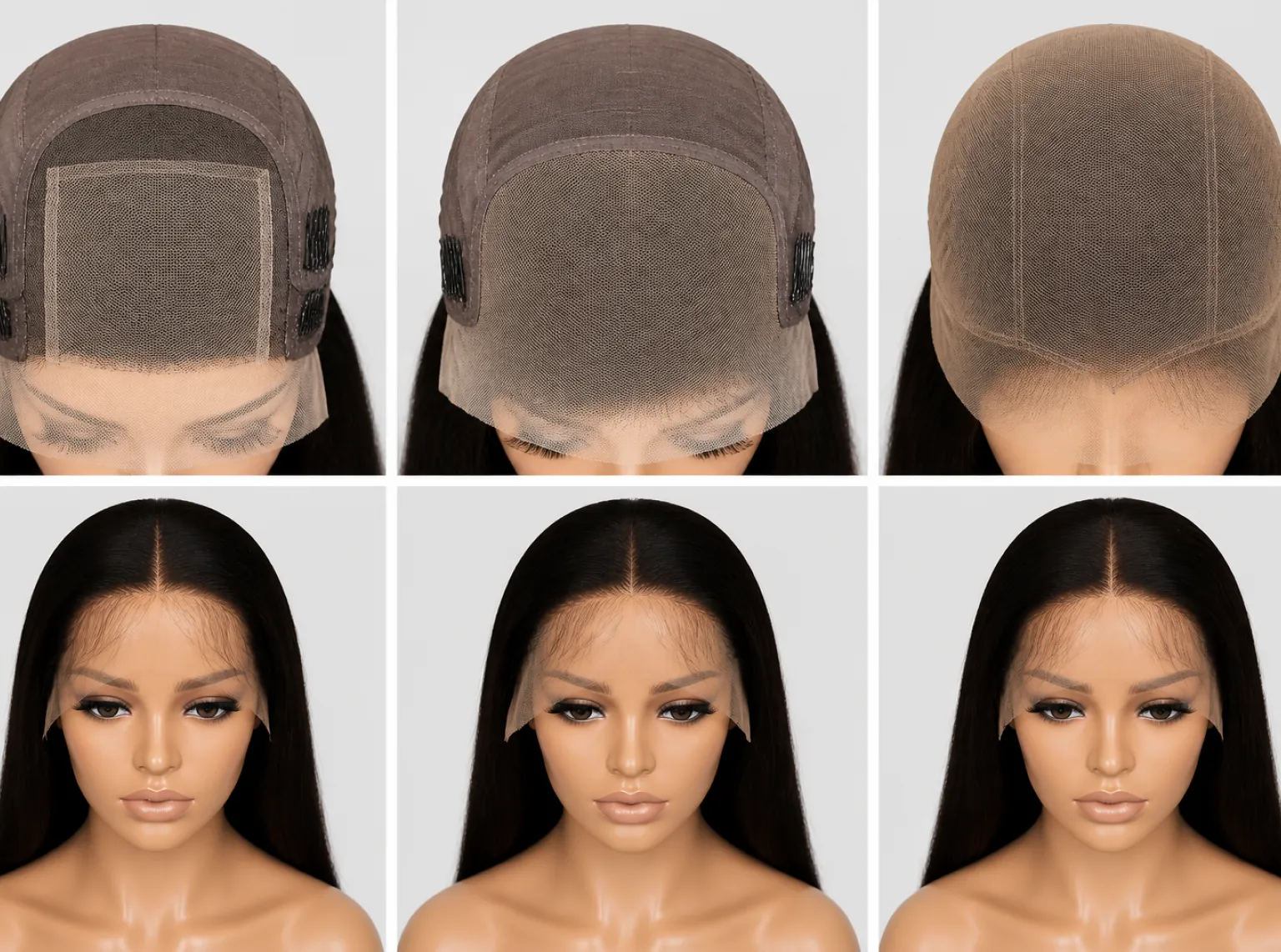
Because just-in-time cross-border fulfillment is no longer economically viable, brands must hold domestic stock. Capital should be concentrated on deep inventory positions for historically proven, core SKUs—such as natural black and brown wigs in standard 130% to 150% densities. Experimental or unproven styles should be ordered in strict minimums until domestic sell-through velocity justifies a bulk reorder.
2. Volumetric Packaging Negotiation
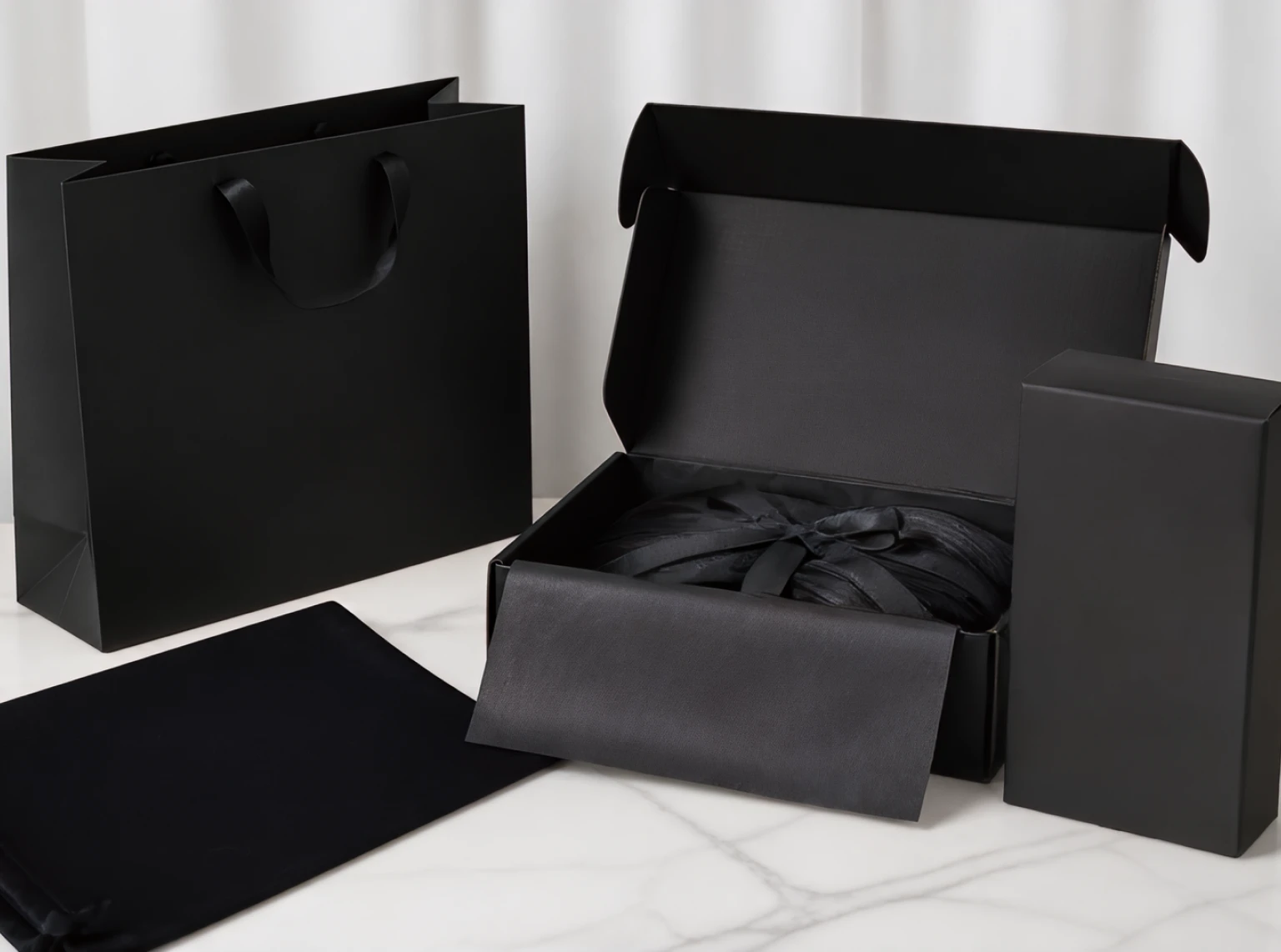
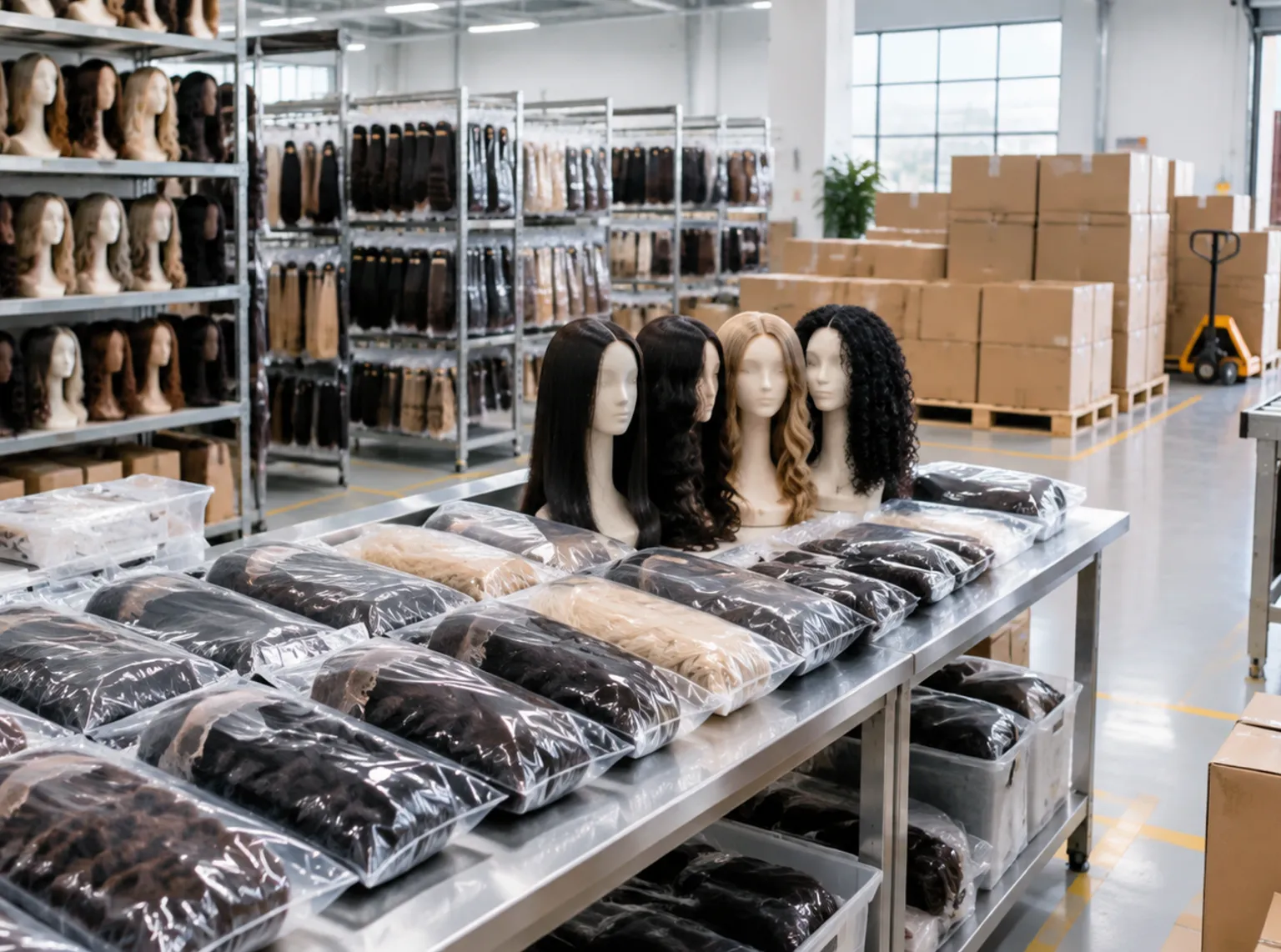
Ocean freight rates remain elevated. Because synthetic wigs are volumetric cargo, a 40-foot container "cubes out" long before it hits its weight limit. Buyers must ruthlessly optimize factory packaging. Replacing rigid retail display cartons with vacuum-sealed or compressed polybags for the ocean crossing can nearly double the unit count per container, drastically reducing the freight and duty burden on a per-unit basis.
3. Vendor Consolidation
Managing multiple fragmented suppliers increases quality control risks, complicates customs entries, and dilutes negotiating leverage. Importers are actively consolidating their purchasing power, routing their entire synthetic catalog—from basic wefts to complex cosplay wigs and vibrant colored wigs—through a single, highly vetted manufacturing partner capable of maintaining strict colorimetric standards and delivering consistent AQL inspection pass rates.
Execute Your Q1 Supply Chain with Raysman
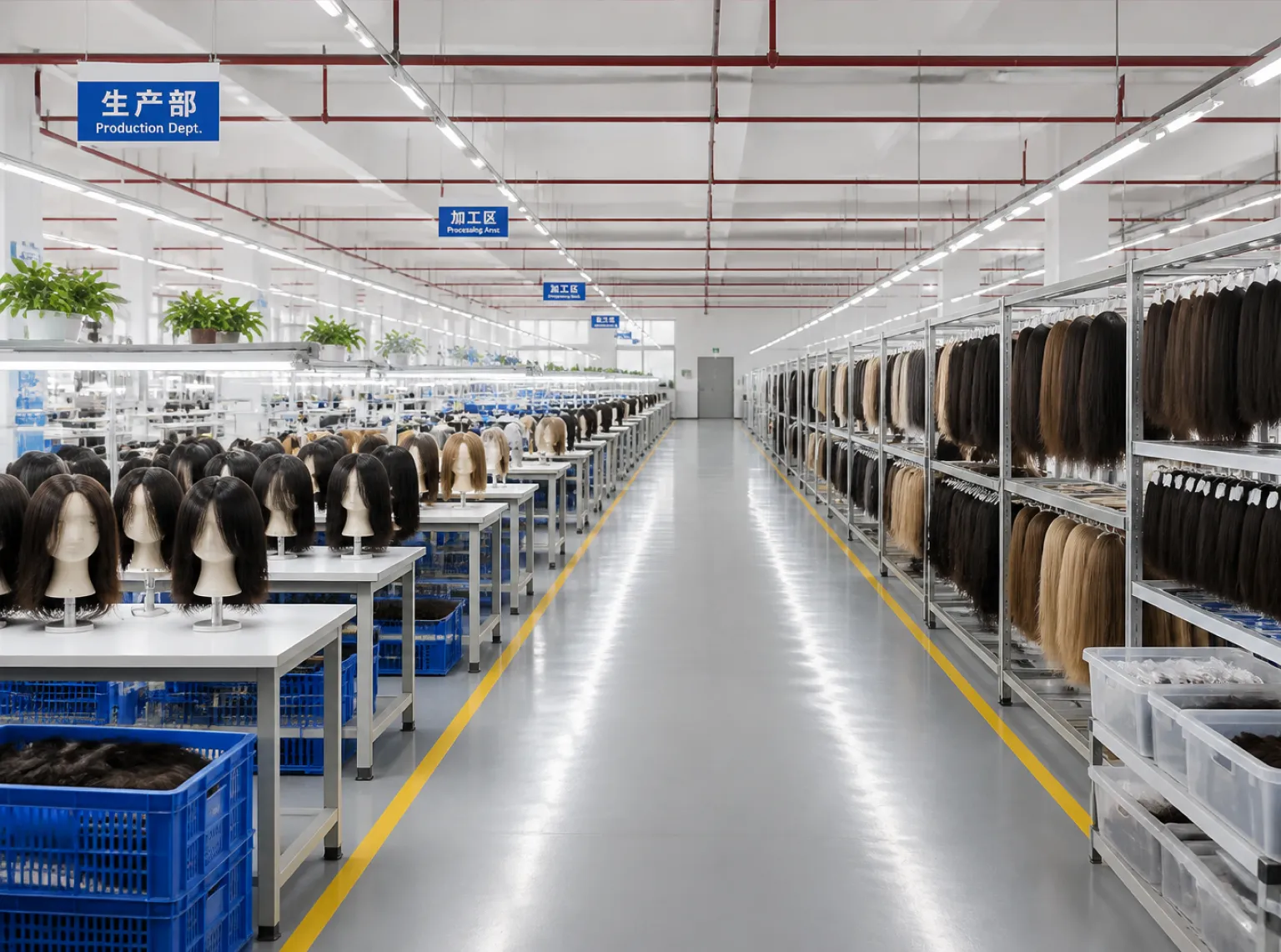
Navigating the intersection of market demand and rigorous import compliance requires a manufacturing partner operating at scale. Raysman maintains a state-of-the-art 10,000-square-meter facility in Zhejiang, China, specifically engineered to support the volume and compliance requirements of global commercial buyers. With 16 years of dedicated synthetic manufacturing heritage, our infrastructure controls the entire production matrix—from raw PET fiber processing and chemical flame-retardant application to precision cap assembly and volumetric packaging optimization.
We understand the margin pressures created by recent tariff enforcements. Our export division is structured to absorb logistical friction, offering baseline catalog samples within 72 hours and managing bulk production on a strict 30-day cycle. Crucially, Raysman provides comprehensive DDP shipping terms to the US, UK, EU, AU, and CA, allowing buyers to lock in their exact landed costs and eliminate customs clearance liabilities.
Whether your 2027 strategy requires scaling high-density fashion units or launching a highly specified custom development program, precise execution is guaranteed. Supply chain managers and brand operators can initiate their next procurement cycle by submitting technical specifications and volume requirements directly through our wholesale portal for an itemized, fixed-cost quotation within 24 hours.
-

Raysman
Synthetic Wig Manufacturer
Raysman is a Zhejiang-based synthetic wig manufacturer specializing in party, costume, and fashion color wigs — producing over one million pieces a year from our 10,000 m² Longyou facility. We are BSCI, ISO 9001, and OEKO-TEX Standard 100 certified, and a designated supplier to Disney and Walmart.