
The final quarter of 2026 presents a complex procurement environment for B2B wig importers and wholesale distributors. As the industry transitions from the Halloween peak into Q1 2027 catalog planning, supply chain managers are navigating two converging events: a sustained elevation in transpacific ocean freight rates and the strategic sourcing window opening at the 140th Canton Fair in late October. Unlike previous cycles where post-peak shipping rates softened predictably, October 2026 data indicates structural constraints keeping container costs high. For brands importing synthetic wigs and hair extensions, the cost of moving the product is now commanding as much strategic attention as the unit cost of the product itself.
The executive summary for wholesale buyers. Ocean freight capacity remains constrained not by fleet size, but by port congestion and network changes, keeping Shanghai-to-U.S. East Coast rates above $10,000 per FEU in early October. Concurrently, Phase 3 of the 140th China Import and Export Fair (Canton Fair), running from October 31 to November 4, 2026, will serve as the critical venue for securing Q1 and Q2 2027 production capacity. Buyers must enter these factory negotiations with strict landed-cost models, prioritizing volumetric packaging optimization and demanding exact delivery schedules to mitigate ongoing schedule unreliability. Suppliers who can offer fixed Delivered Duty Paid (DDP) terms will provide the margin certainty that spot-market booking currently lacks.
Transpacific Ocean Freight: October 2026 Rate Realities
The anticipated post-peak season softening of ocean freight rates has not materialized on transpacific lanes. According to market data from early October 2026, the effective capacity of the global container fleet remains heavily restricted. Analysts note that while cargo demand softened slightly during the Chinese Golden Week holiday, carriers simultaneously removed capacity through blank sailings, preventing spot rates from dropping significantly.
The Drewry World Container Index data from the first week of October 2026 illustrates the disparity between global averages and transpacific realities. While the composite index saw minor weekly declines, the Shanghai to Los Angeles lane held stubbornly at approximately $7,835 per 40-foot container (FEU). More critically for buyers serving the Eastern United States, the Shanghai to New York route climbed past $10,428 per FEU. These figures represent a massive premium over the baseline rates recorded in Q4 of 2025.
Rate elevation is only half of the logistical challenge; schedule reliability constitutes the other. Port congestion continues to absorb roughly 12% of global container ship capacity. Late summer and early autumn data showed global schedule reliability falling below 50%, with late vessels arriving an average of nearly seven days behind their scheduled berthing. For a wig brand awaiting a container of synthetic wigs intended for a seasonal product launch, a seven-day delay on the water, compounded by terminal congestion and chassis shortages at the destination port, can push inventory availability back by three weeks. This forces brands to carry higher safety stock, tying up crucial working capital.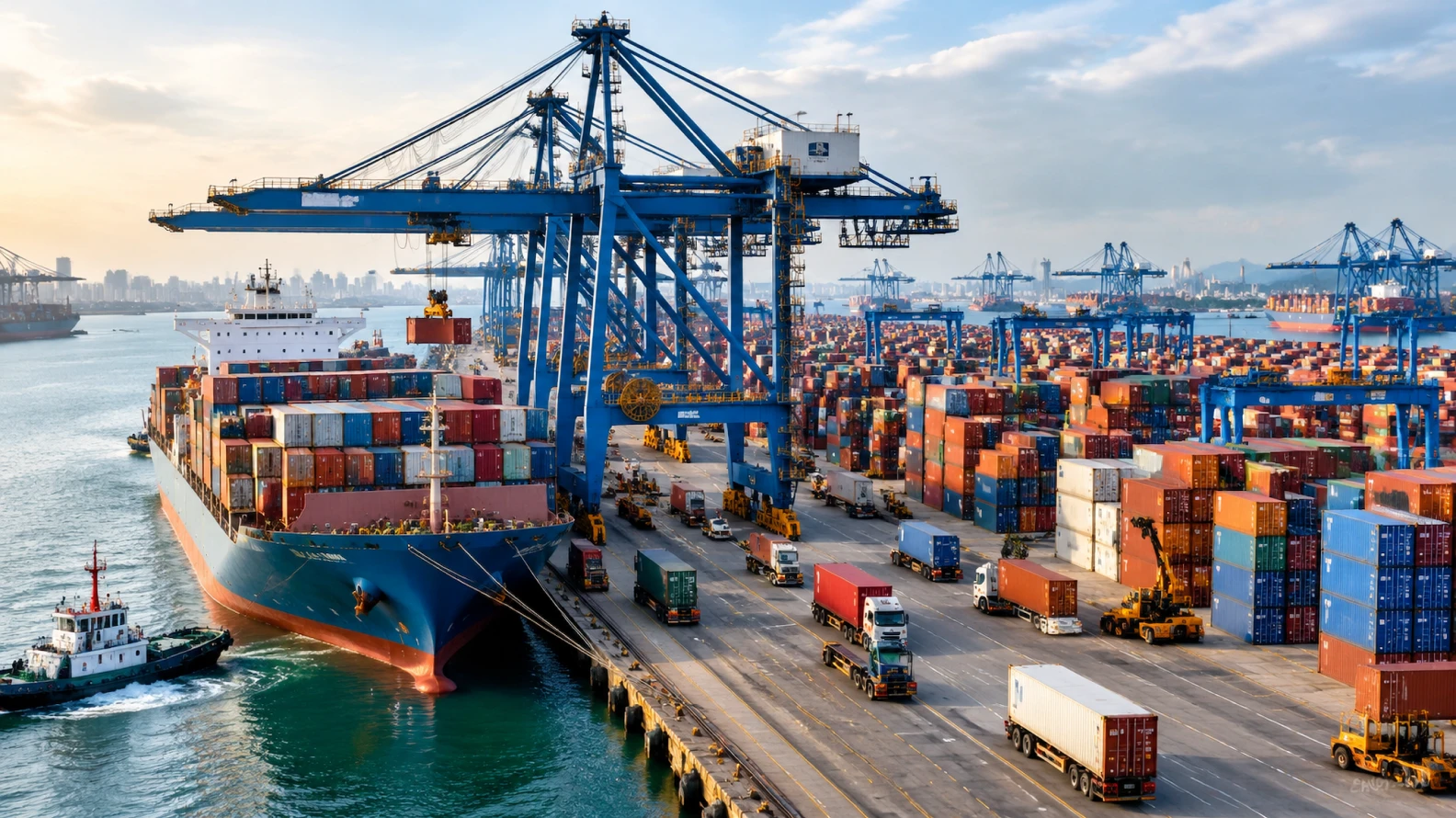
Calculating the True Landed Cost Impact on Wig Containers
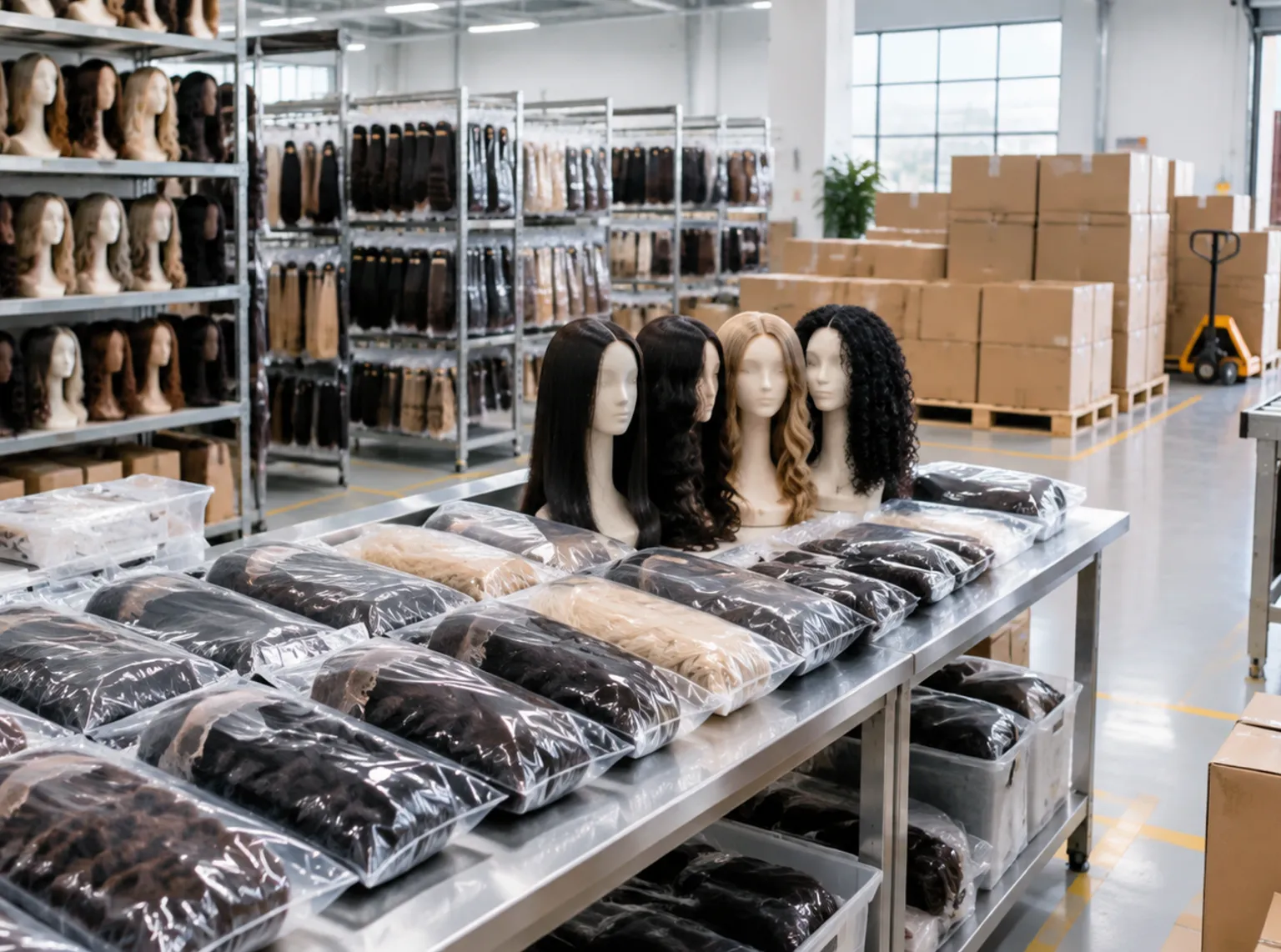
Synthetic wigs are inherently volumetric cargo. They "cube out" a container long before they "weigh out." A standard 40-foot high cube container (FEU) typically holds between 30,000 and 45,000 units, depending heavily on the base cap construction and the retail packaging format. Basic party wigs packaged in simple polybags allow for maximum container density, whereas premium lace front wigs shipped in rigid, protective display cartons drastically reduce the total unit count per container.
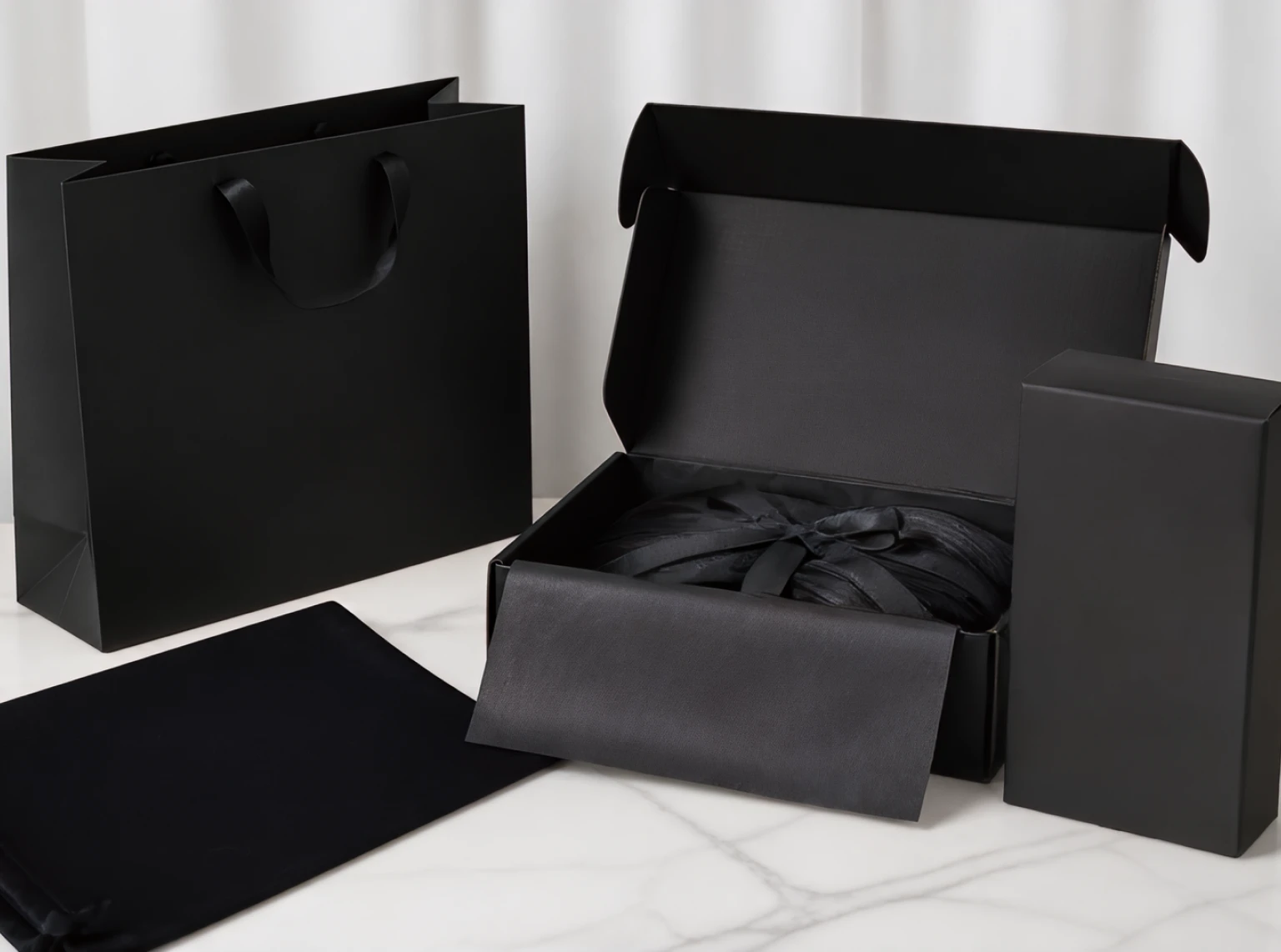
When the freight cost to New York is $10,428, a highly optimized container carrying 40,000 polybagged units incurs a freight burden of roughly $0.26 per unit. However, if rigid packaging reduces that container's capacity to 20,000 units, the freight burden doubles to $0.52 per unit. While a fifty-cent freight cost might seem negligible on a premium human hair unit retailing for $300, it aggressively compresses the wholesale margin on a synthetic fashion wig retailing for $45. B2B buyers negotiating 2027 programs must treat volumetric optimization as a primary cost-saving lever, requesting vacuum-sealed inner packaging or compressed bulk shipping where the fiber's structural memory allows.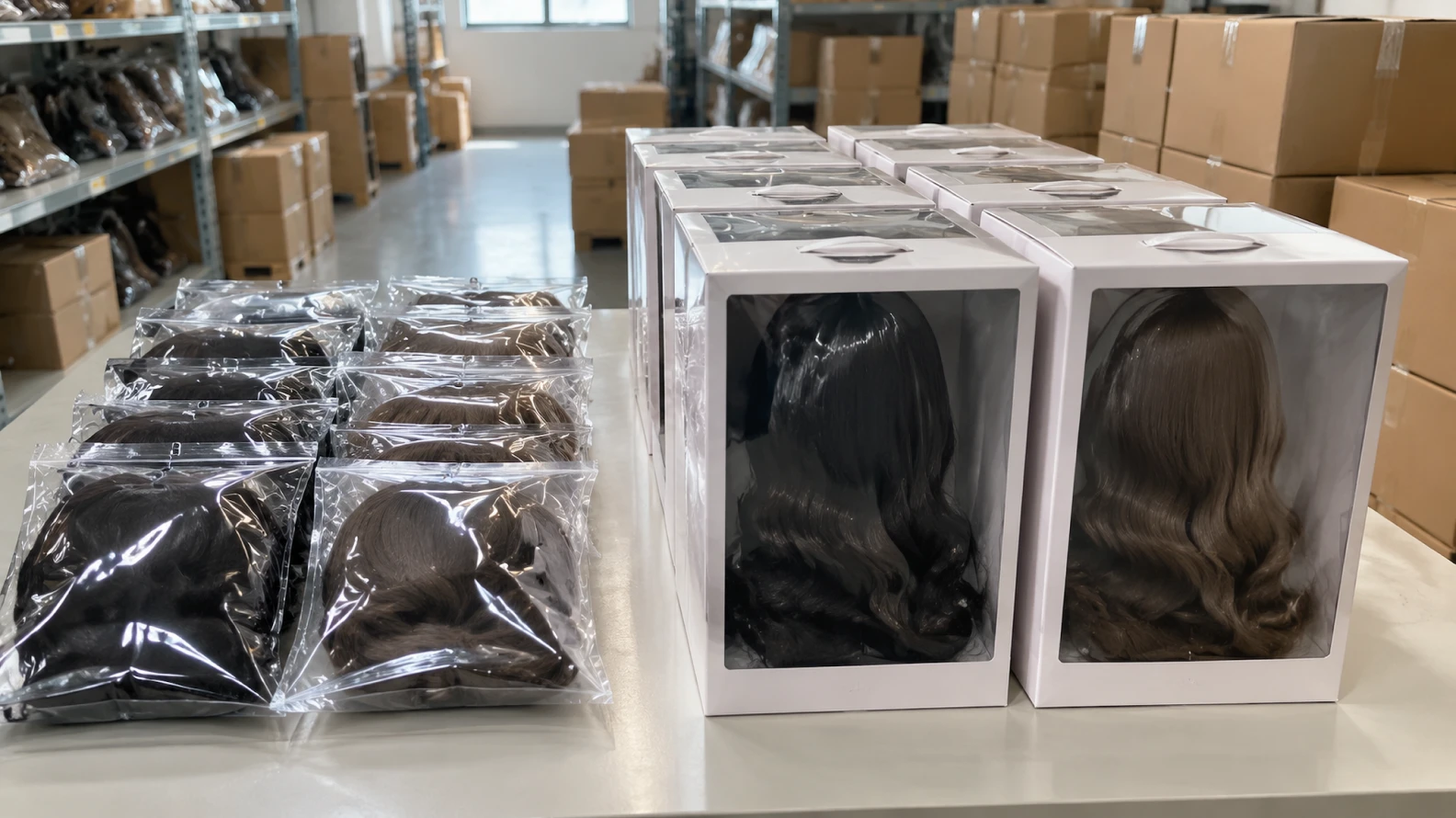
This math underscores why Delivered Duty Paid (DDP) terms are becoming mandatory for risk-averse brands. A DDP quote shifts the freight volatility and customs clearance risk back to the manufacturer or their freight forwarder. Brands lock in their exact landed cost at the time the purchase order is issued, shielding their Q1 2027 budgets from unexpected General Rate Increases (GRIs) or peak season surcharges.
U.S. Tariff Pressures and Margin Compression
The persistence of elevated transpacific shipping costs is further compounded by the regulatory and tariff environment facing U.S. importers. Section 301 tariffs on Chinese-origin goods continue to apply significant duty burdens on imported synthetic hair products. For wig businesses operating on thin margins, the combination of a $10,000 container rate and double-digit import duties creates a formidable barrier to profitability if not managed proactively.
During the October 2026 contract negotiation period, professional sourcing agents are strictly separating the ex-factory product cost from the landed duty cost. Buyers are demanding detailed Harmonized Tariff Schedule (HTS) classifications from their suppliers prior to shipment, as minor variations in the declared polymer composition or cap construction can occasionally trigger different duty treatments. The strategic response among top-tier importers is not to shift production out of China—as alternative origins often lack the specialized infrastructure, fiber access, and skilled manual labor required for complex wig assembly—but rather to consolidate purchasing power. By committing to larger annual volumes with a single, highly compliant factory, buyers negotiate lower baseline unit costs to offset the tariff impact.
The 140th Canton Fair: Phase 3 Outlook for Artificial Hair
Against this backdrop of logistical complexity, the 140th China Import and Export Fair provides a timely mechanism for strategic realignment. While beauty devices and styling tools feature prominently in Phase 2, the core artificial hair and wig trade converges during Phase 3, scheduled for October 31 through November 4, 2026. The exhibition halls will host hundreds of manufacturers covering wigs, artificial hair wefts, training heads, and synthetic raw materials.
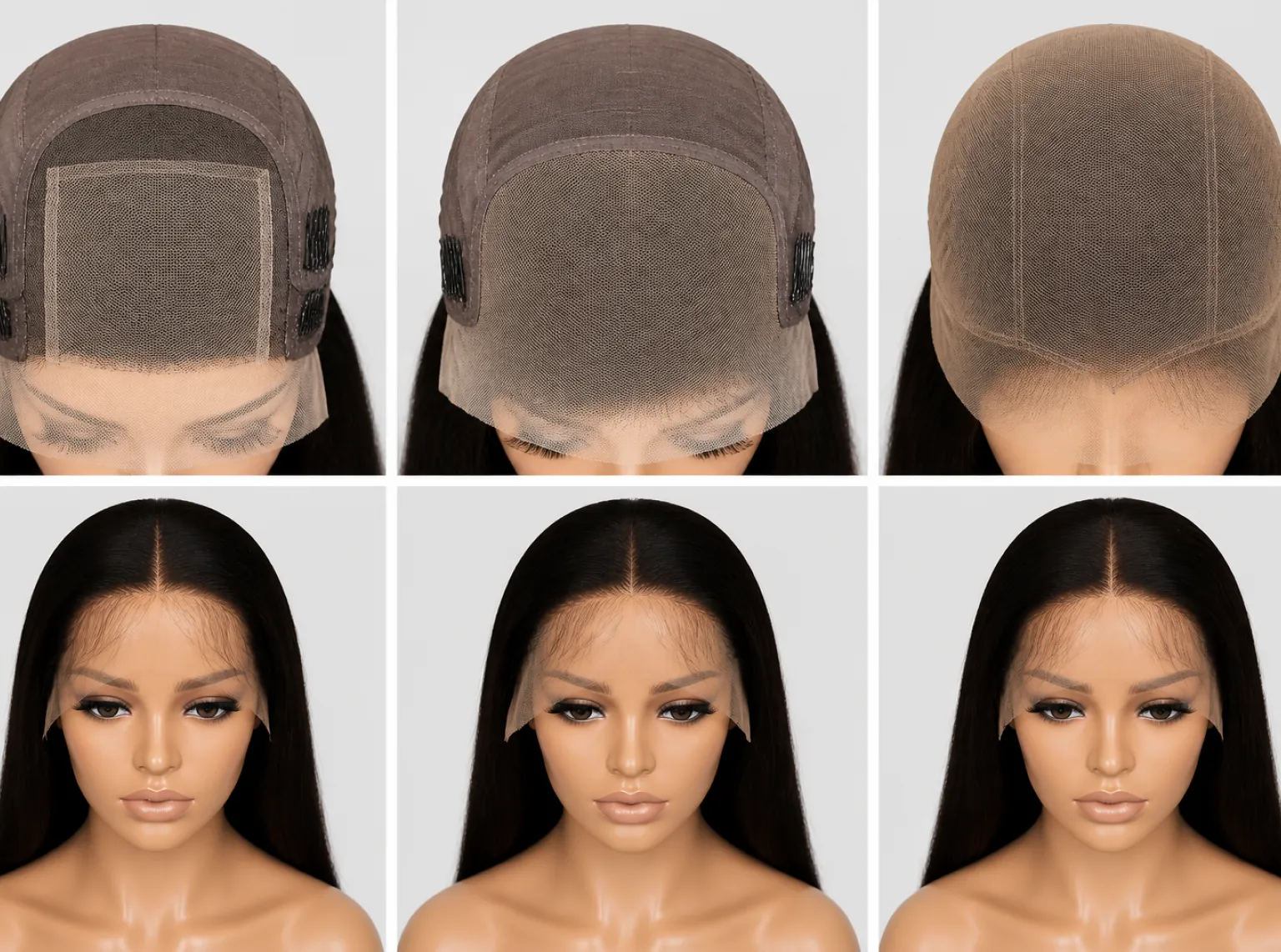
For professional sourcing teams, Canton Fair Phase 3 is a venue for rigorous supplier vetting and capacity reservation. Buyers attending the 2026 autumn session should focus their factory evaluations on three specific operational capabilities. First, verify the manufacturer's access to stable raw material supply chains, particularly for high-grade Polyethylene Terephthalate (PET) heat-resistant fibers, as polymer costs remain sensitive to energy markets. Second, assess their automated manufacturing capacity for machine-wefted caps, which dictates their ability to scale production quickly to meet minimum order quantities. Third, demand transparency regarding their chemical processing, specifically flame-retardant treatments required for compliance in North American and European markets.
With ocean transit times stretched, wholesale buyers must push their production schedules forward. Purchase orders for spring fashion collections, typically placed in late November, are being negotiated now on the exhibition floor to guarantee ex-factory dates before the pre-Chinese New Year capacity crunch in January 2027.
Shifting Demand: Color Portfolios and Material Specifications
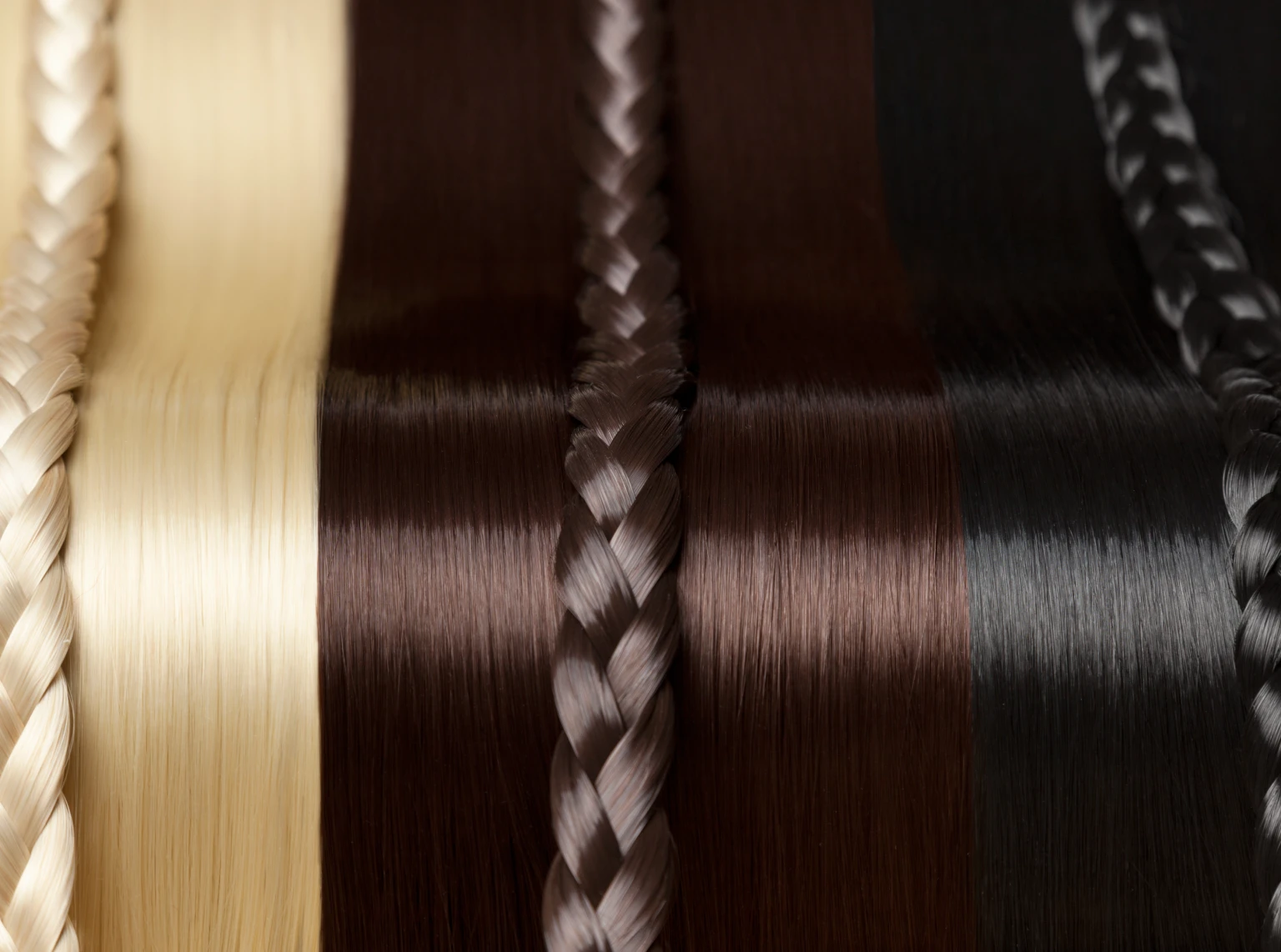
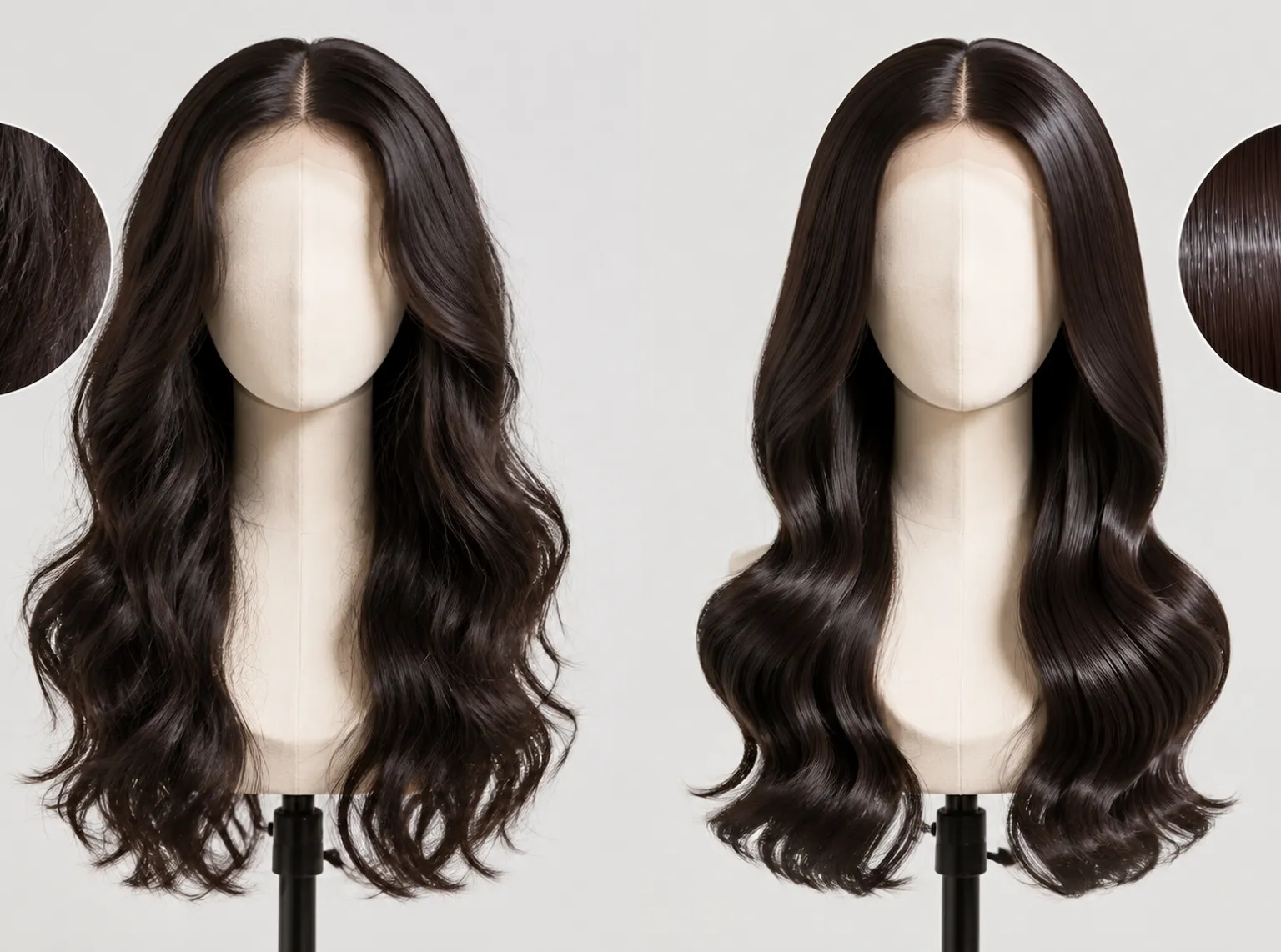
Beyond logistics and capacity, market demand continues to evolve, requiring factories to maintain broader and more dynamic color portfolios. The separation of costume aesthetics from seasonal Halloween buying means that demand for colored wigs, fantasy shades, and character-specific styles is now a year-round baseline driven by convention cycles and social media subcultures. Simultaneously, everyday wear demands high-fidelity natural shades. Wholesale buyers are strictly specifying colorimetric accuracy for black and brown wigs, ensuring that mass production batches do not suffer from red or green undertone shifts under daylight.
This requires B2B buyers to mandate physical master swatches during the contract phase rather than relying on digital pantone matching. The factories winning the largest 2027 contracts will be those that integrate raw fiber extrusion with in-house batch dyeing, eliminating the shade variances that plague fragmented supply chains.
Strategic Mitigation for B2B Importers
Importers cannot control ocean freight rates or port congestion, but they can control their procurement structure. Moving into 2027, successful wig brands are adopting three specific mitigation strategies:
- SKU Rationalization: Reducing the breadth of unproven styles and concentrating capital on deep inventory positions for proven best-sellers. This maximizes manufacturing efficiency and container density.
- Volumetric Contract Pricing: Negotiating factory packaging strictly on its cubic footprint. If a factory insists on oversized inner cartons, the buyer should calculate the lost container space and deduct it from the unit price.
- Segmented Freight Routing: Using ocean freight for the bulk 80% of seasonal inventory to preserve margin, while budgeting dedicated air-freight capital for the remaining 20% to chase viral trends or restock sold-out SKUs instantly.
Supply Chain Integration with Raysman
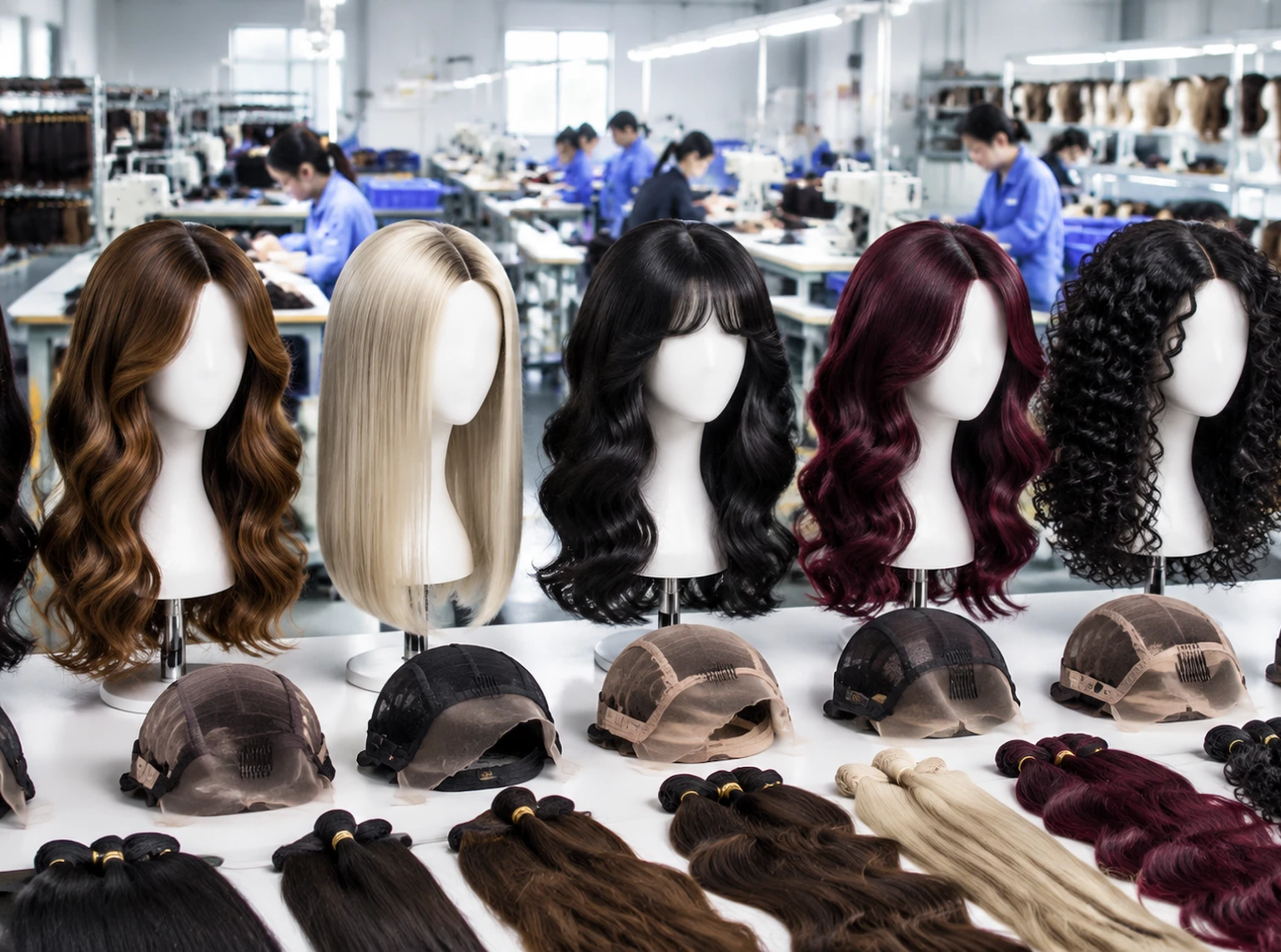
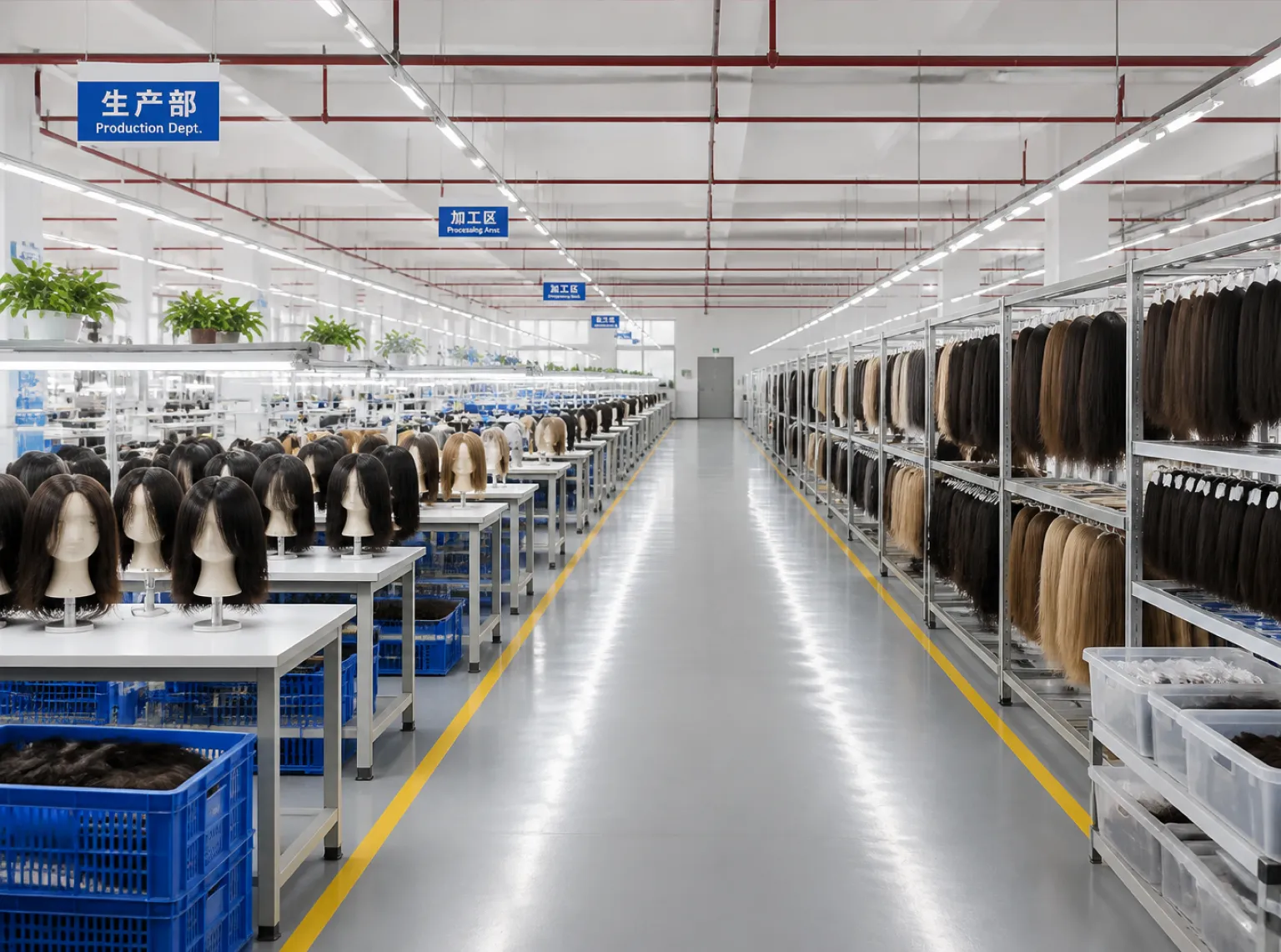
Navigating the current logistics environment requires a manufacturing partner with the infrastructure to absorb friction. Raysman operates a highly specialized 10,000-square-meter facility in Zhejiang, engineered specifically to support commercial B2B buyers and brand operators worldwide. With 16 years of production heritage, the facility manages the entire value chain from fiber processing and chemical retardant application to precision cap assembly and volumetric packaging optimization.
For brands restructuring their supply chains ahead of 2027, Raysman offers scalable solutions that address current market challenges. Standard catalog samples are dispatched within 72 hours, allowing buyers to conduct tactile quality control without losing weeks to the development cycle. Bulk production operates on a strict 30-day timeline, providing the predictability required to book ocean freight efficiently. Crucially, export support covers FOB Ningbo or Shanghai, as well as comprehensive DDP terms to the US, UK, EU, AU, and CA, eliminating landed-cost volatility.
Whether you are seeking high-density fashion units or planning a complex custom development project, precise execution begins with a clear specification. Supply chain managers and wholesale buyers can submit their target styles, volume requirements, and destination logistics through our wholesale division to receive a tiered, fixed-cost quotation within 24 hours.
-

Raysman
Synthetic Wig Manufacturer
Raysman is a Zhejiang-based synthetic wig manufacturer specializing in party, costume, and fashion color wigs — producing over one million pieces a year from our 10,000 m² Longyou facility. We are BSCI, ISO 9001, and OEKO-TEX Standard 100 certified, and a designated supplier to Disney and Walmart.