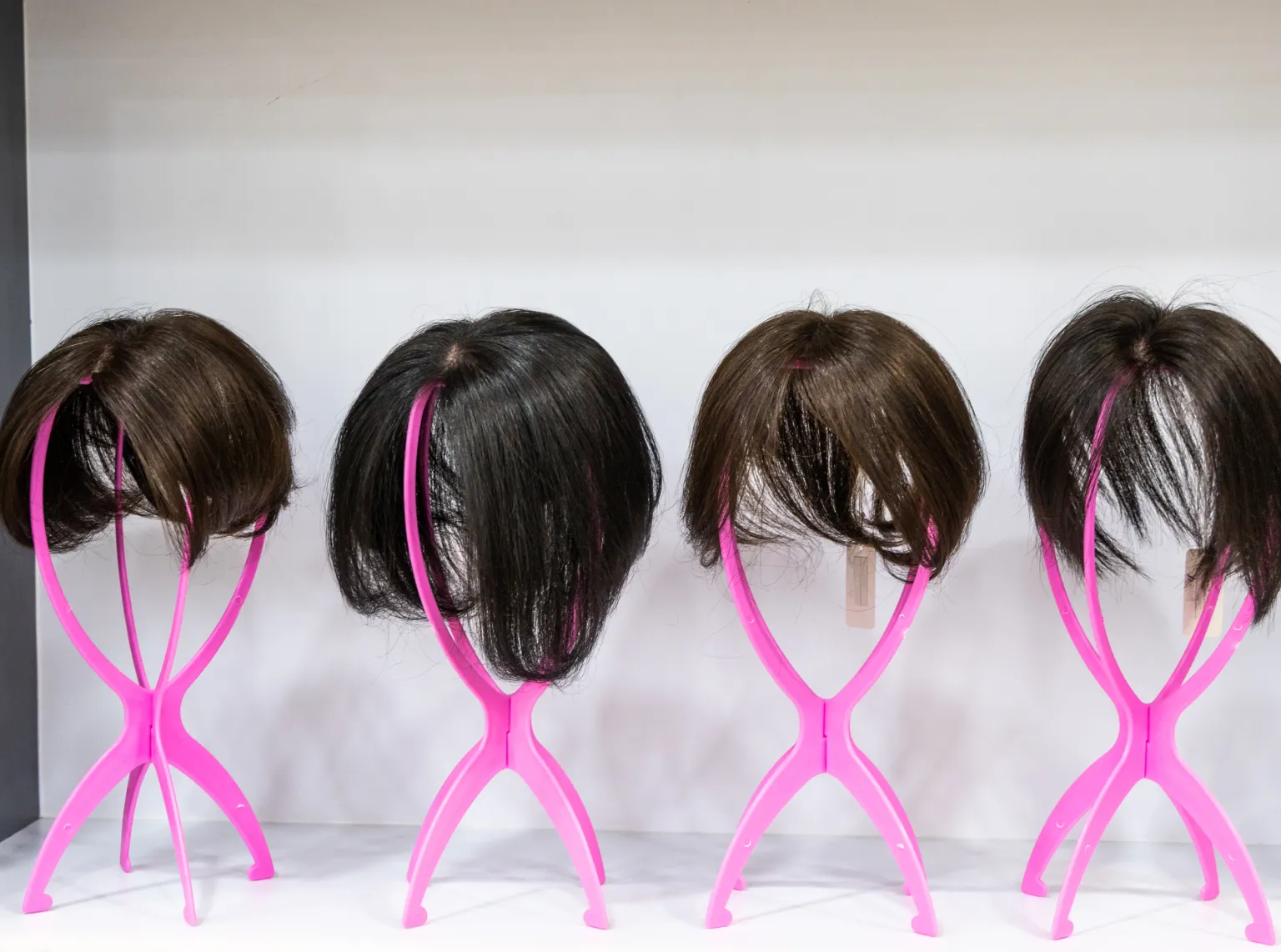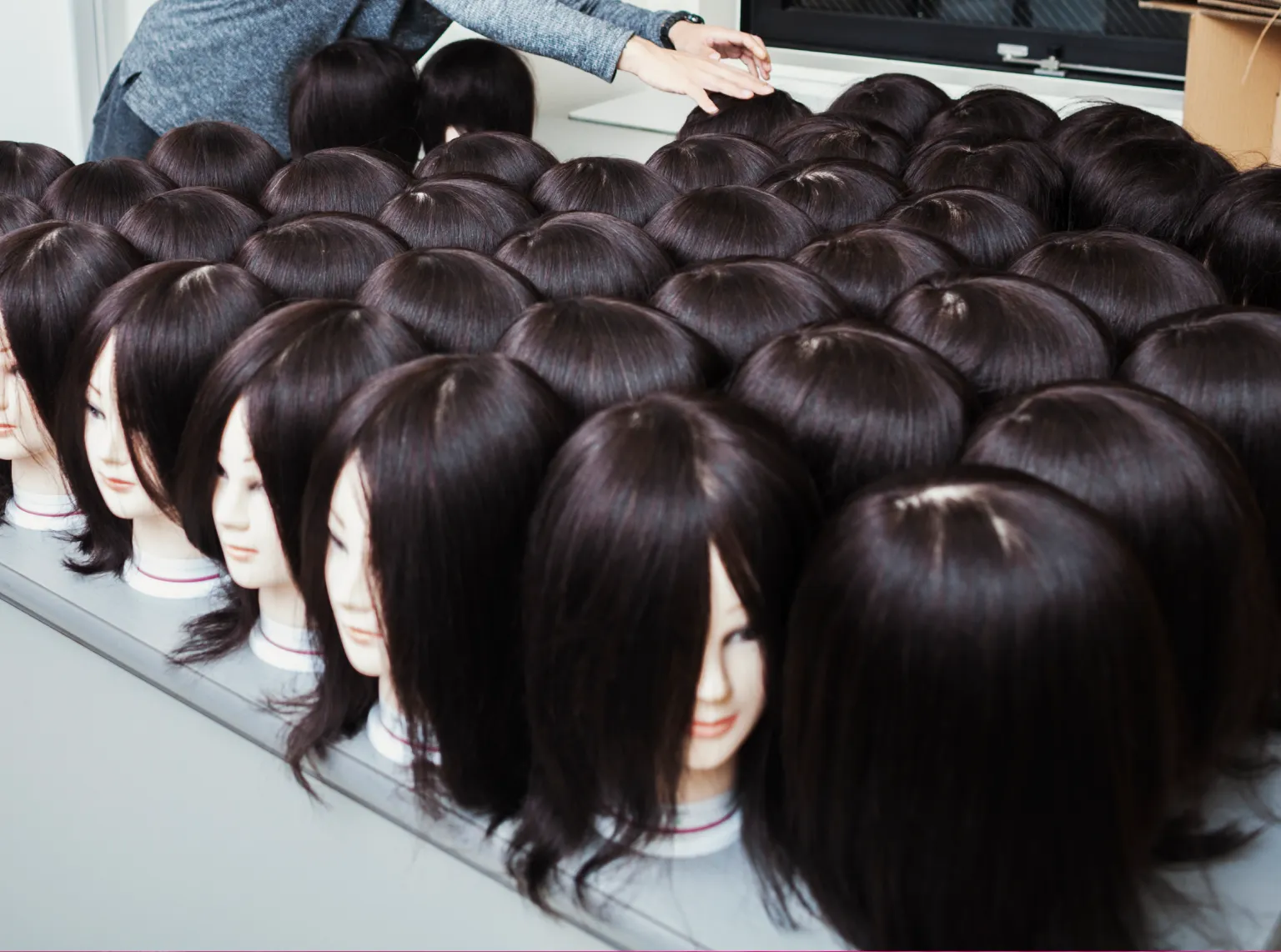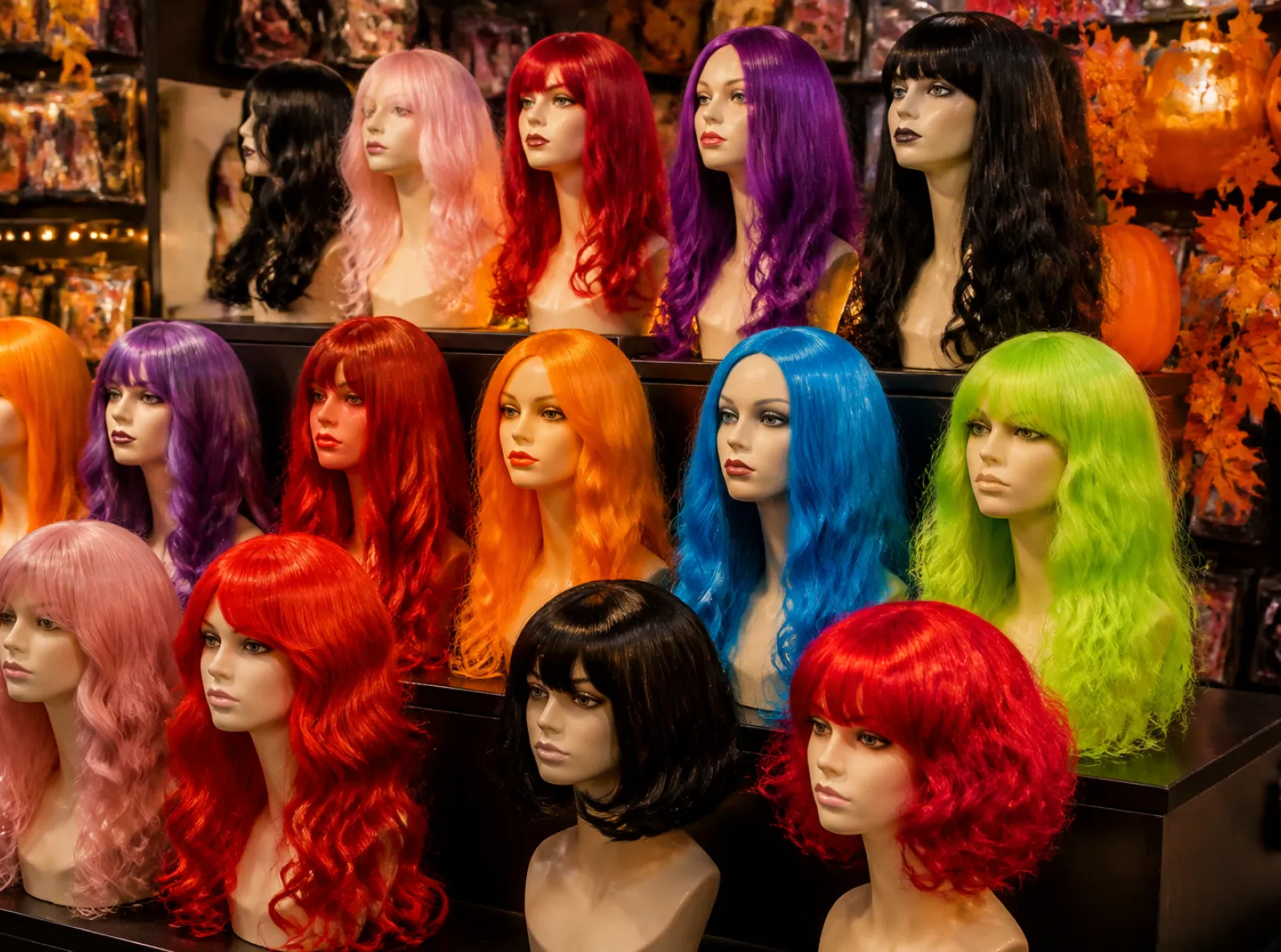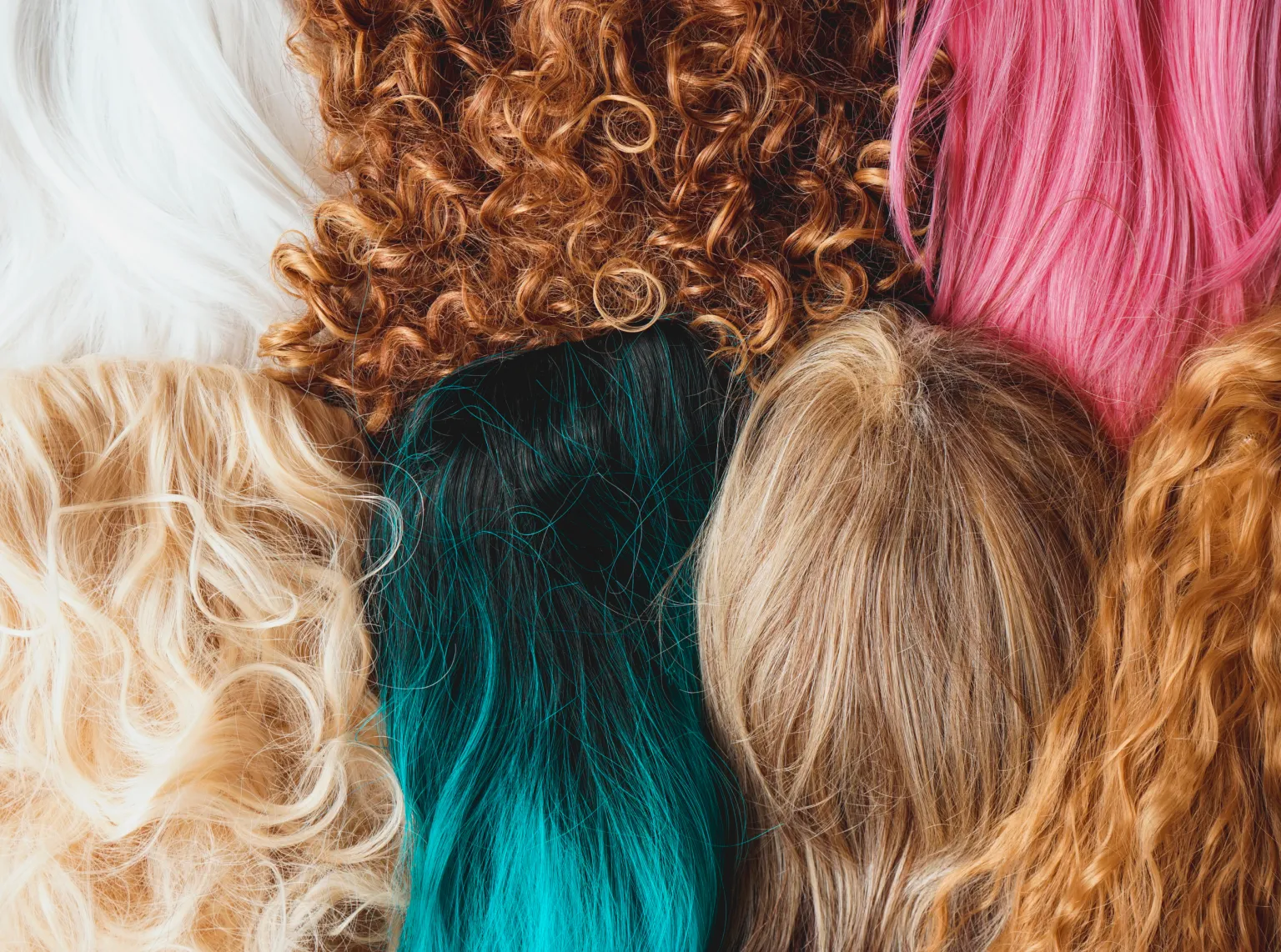

American consumers will spend a record $13.5 billion on Halloween 2026, according to the National Retail Federation's annual survey released September 22 and conducted with Prosper Insights & Analytics. The figure tops last year's record of $13.1 billion, a 3.82% increase, with planned spending of $115.14 per person. The headline number holds one detail that matters more to this trade than the record itself: 79% of shoppers expect tariffs to push prices higher, and they are planning around that expectation. For costume and wig suppliers, the 2026 season is the first where tariff cost pressure shows up in both the consumer survey and the shelf price at the same time.
The short read for buyers. Demand is not the problem in 2026. Participation is 74%, costumes are the largest spending category at $4.4 billion, and Halloween lands on a Saturday for the first time since 2020, stretching parties and trick-or-treating across one full weekend. The constraint is cost. Tariff-exposed categories are seeing sharp price increases, consumers are responding with earlier shopping and heavier price comparison, and retailers are protecting margin by shifting assortment toward value tiers. Suppliers who can hold 2025 price points, or document why they cannot, will write the larger 2027 purchase orders.
NRF Halloween 2026 by the Numbers
| Item | 2026 Figure | 2025 Comparison |
|---|---|---|
| Total spending | $13.5 billion (record) | $13.1 billion |
| Spending per person | $115.14 | $114.45 |
| Planning to celebrate | 74% | 73% (68% in 2019) |
| Costumes | $4.4 billion; 71% buying | $4.3 billion |
| Decorations | $4.3 billion; 78% buying | $4.2 billion |
| Candy | $4.1 billion; 96% buying | $3.9 billion |
| Pet costumes | ~$920 million | $860 million |
| Greeting cards | $800 million; 42% buying | $700 million; 38% |
| Expect tariffs to raise prices | 79% | 79% |
The survey sampled 7,889 U.S. consumers between September 1 and 9. NRF Vice President Allison Zeller framed the results directly: consumers continue to make Halloween a spending priority, but they are approaching the season with affordability in mind, looking for ways to maximize value.
Tariffs Move From Survey Sentiment to Shelf Price
The tariff question has been a sentiment line in this survey since 2025. In 2026 it is a pricing fact. Supply chain analyses published this month estimate that roughly 80% of Halloween costumes and decorations sold in the U.S. are manufactured in China, and they cite retail costume prices up by as much as 50% on tariff-exposed items, with a costume that sold for $39.99 in 2025 now carrying price points approaching $60. Consumers noticed before the data confirmed it: the same 79% tariff expectation appeared in the 2025 survey, and discount stores have since grown their share of Halloween shopping destinations to 39%, ahead of specialty Halloween and costume shops at 32% and online channels at 27%.
The wholesale math behind those shelf prices is straightforward. When duty treatment adds a double-digit percentage to an imported costume or wig, the importer absorbs it, the retailer absorbs it, or the shopper pays it. The 2026 survey data shows which party is losing that negotiation: shoppers are paying, but only after comparing prices and trading down where they can. Suppliers quoting 2027 programs should assume buyers will demand line-item duty documentation and landed-cost transparency as a condition of the conversation. Sellers on DDP terms already hold that paperwork as part of the quote.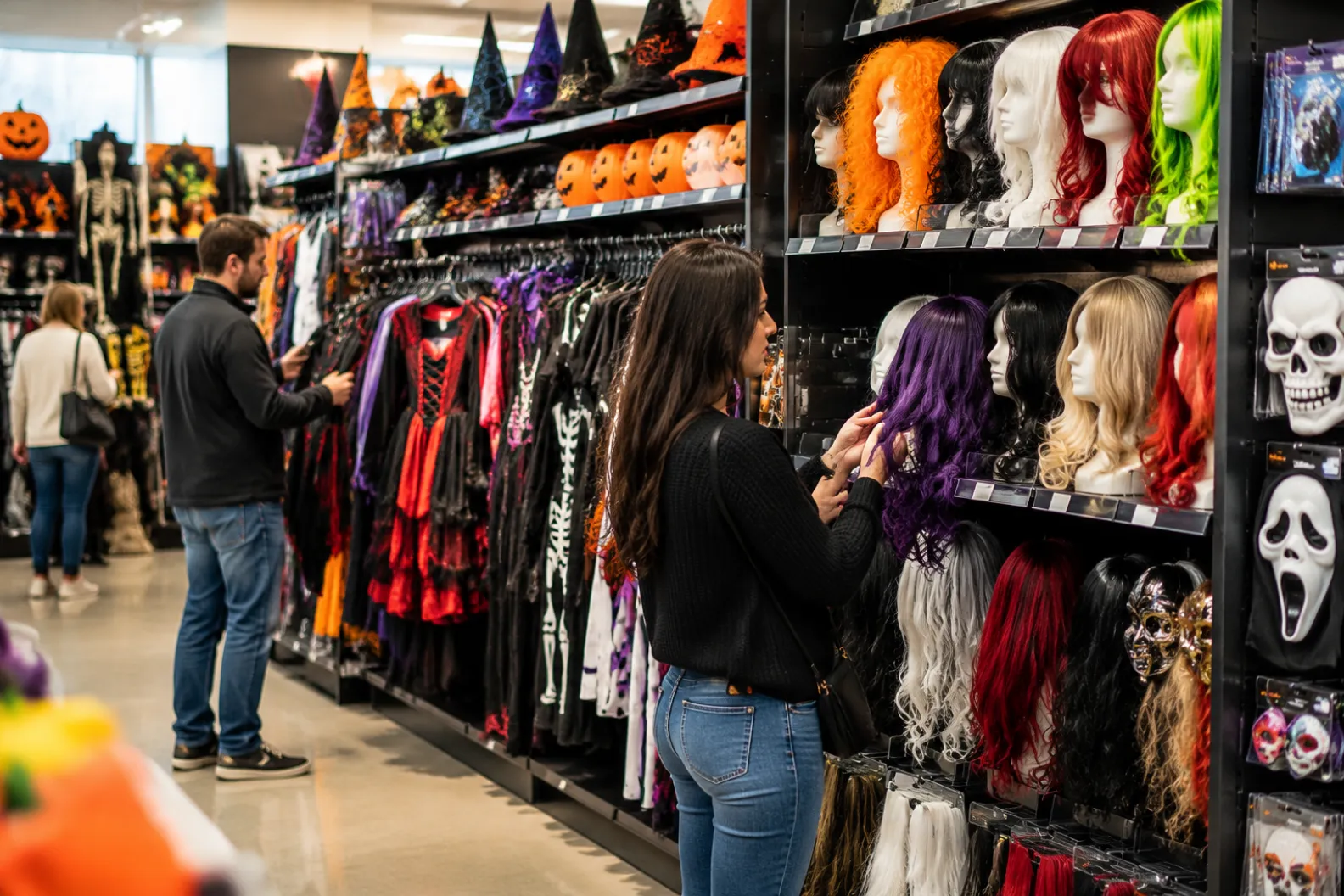
Consumer behavior is adjusting in three measurable ways. About one-third of shoppers say they will compare prices before buying, 26% plan to hunt coupons and sales, and 34% intend to reuse or repurpose items from previous years. None of these behaviors reduce participation. They redirect spending toward whoever offers credible value, which is why value-tier assortment planning matters more this cycle than novelty chasing. For importers reviewing cost structures heading into 2027, our North America tariff briefing tracks the duty treatment applied to wig and hair goods this year.
Where the Money Goes: Categories and Channels
Costumes remain the largest single category at $4.4 billion, with children's costumes accounting for roughly $1.5 billion of that total. The composition is stable: 71% of shoppers buy costumes, 78% buy decorations, and 96% buy candy. Two smaller lines carry useful signals for adjacent categories. Pet costumes approach $920 million, a niche that has grown every year since NRF began isolating it, and greeting cards jumped four points in purchase intent to 42%.
Timing data matters as much as category data. NRF found 49% of shoppers began Halloween purchasing in September or earlier, consistent with the early-season pattern we covered when Spirit Halloween opened a record 1,575 stores in August. Halloween falling on Saturday, October 31 compresses the final weekend into one peak: parties, school events, and trick-or-treating all land on the same night, which historically lifts adult costume and accessory spending in the final ten days. Retailers face roughly a ten-day peak window to have the right inventory on the shelf, and replenishment inside that window is effectively impossible for ocean freight. Sellers who stocked deep on proven wig and costume SKUs before October own the weekend.
The Trend Layer: What Spirit's 2026 Costume Report Adds
On October 1, Spirit Halloween released its 2026 costume trend report, naming eleven trend groups for the season. The list confirms what sell-through data has suggested since summer: KPop Demon Hunters carries into a second Halloween as a leading fandom, joined by Toy Story following Toy Story 5's billion-dollar box office run, superheroes tied to Spider-Man: Brand New Day, Greek mythology looks, and witch aesthetics reinforced by the Practical Magic sequel. Spirit prices its licensed Fourth Wing dragon rider costume at $59.99 with the character wig sold separately at $26.99, a useful benchmark for how retailers are unbundling wigs from costumes to protect accessory margin.
The witch segment deserves one extra line this year. Practical Magic's September sequel sent costume guides toward two specific hair looks: Sally's earthy brown and Gillian's reddish-blonde, both achievable with standard black and brown wigs or auburn units rather than licensed character product. Unlicensed trend demand of this kind rewards suppliers with broad color catalogs, because the look is defined by shade and texture rather than a branded SKU.
For the wig trade specifically, the report is a demand map. Rumi's purple braid, Mira's pink lengths, and the Saja Boys' black styles all require character-accurate color. Greek and fantasy looks drive long, wavy units in natural and fantasy shades. The witch revival sustains black, grey, and auburn volume through October. We analyzed the character-accuracy side of this demand in our Comic-Con 2026 coverage, and the categories absorbing the volume are visible across our Halloween wigs, cosplay wigs, and colored wigs collections this month.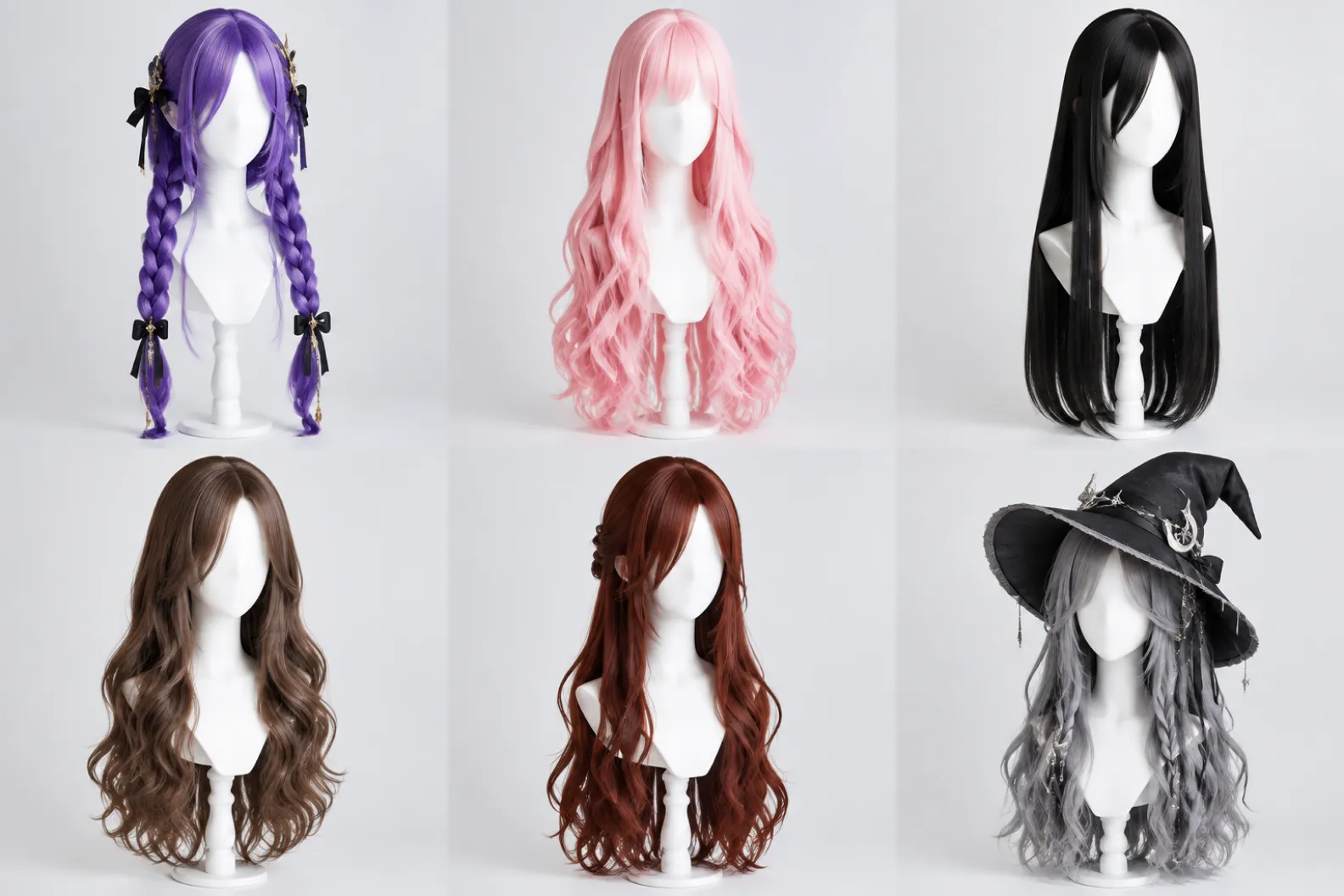
What Costume and Wig Buyers Should Take From It
Three conclusions hold up across the September and October data. First, demand risk for 2026 is low: record spending, stable participation, and a Saturday Halloween all point the same direction. Second, margin risk is the real exposure. With 79% of consumers expecting tariff-driven prices and a third actively comparison shopping, assortments anchored at clear price points outperform premium-heavy mixes this season. Third, the 2027 planning cycle starts now. Buyers who record this month's sell-through by SKU, color, and price tier will negotiate next year's purchase orders from data instead of instinct. Factories running 30-day production cycles need those orders confirmed by early summer to guarantee pre-September delivery at 2026 price levels.
Retailers still filling gaps for this season, or planning 2027 programs, can route requirements through our wholesale program. Tiered pricing breaks at 500, 1,000, and 3,000 pieces per SKU, catalog samples ship in 3 days, and DDP terms are available for US, UK, EU, AU, and CA destinations.
Sources
- National Retail Federation / Prosper Insights & Analytics, 2026 Halloween Consumer Survey (n=7,889, fielded September 1-9, released September 22, 2026)
- Mass Market Retailers, "Halloween spending expected to reach $13.5 billion," September 22, 2026
- GCN, "Halloween spending set to hit record $13.5 billion this year," October 6, 2026
- SAP, "Halloween 2026 Supply Chain Challenges," October 12, 2026
- Spirit Halloween, "Because Spirit Said So: The Definitive 2026 Halloween Costume Trend Report," October 1, 2026
- Forbes Advisor, "Halloween Spending Expected To Hit Record $13.5 Billion," September 23, 2026
-

Raysman
Synthetic Wig Manufacturer
Raysman is a Zhejiang-based synthetic wig manufacturer specializing in party, costume, and fashion color wigs — producing over one million pieces a year from our 10,000 m² Longyou facility. We are BSCI, ISO 9001, and OEKO-TEX Standard 100 certified, and a designated supplier to Disney and Walmart.